
Florida, a state synonymous with sun-drenched beaches, vibrant theme parks, and a relaxed pace of life, often conjures images of perpetual vacation. However, for families and educators, the question of “When school starts in Florida?” signifies a significant shift in the rhythm of the Sunshine State. Beyond the tourist season, the academic calendar dictates a different kind of Florida experience, one filled with the energy of learning, extracurricular pursuits, and the logistical dance of daily routines. Understanding the nuances of the school year in Florida is crucial for anyone looking to engage with the local community, plan family activities around school schedules, or simply gain a deeper insight into the state’s educational landscape.
The Rhythms of the Academic Year
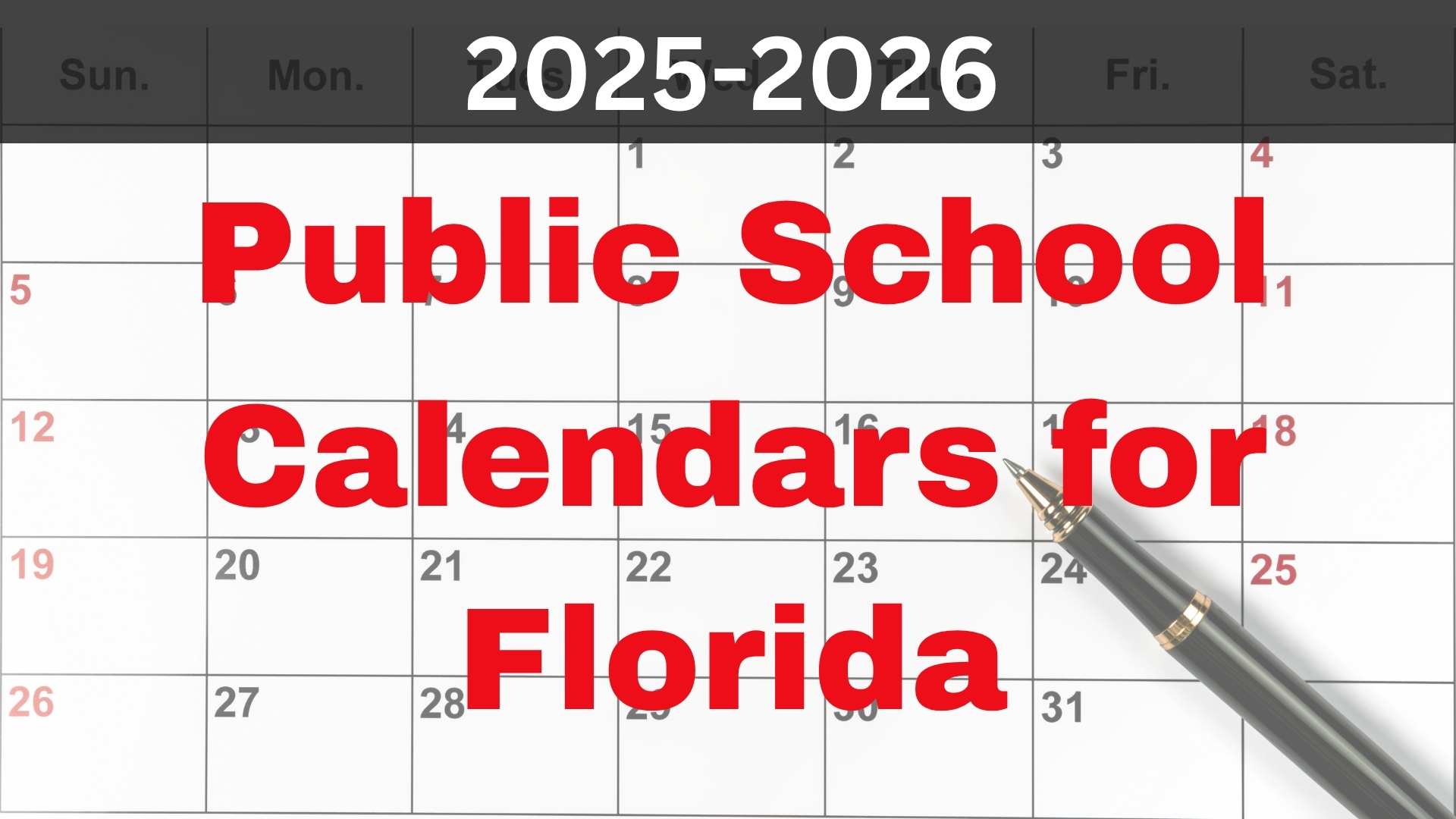
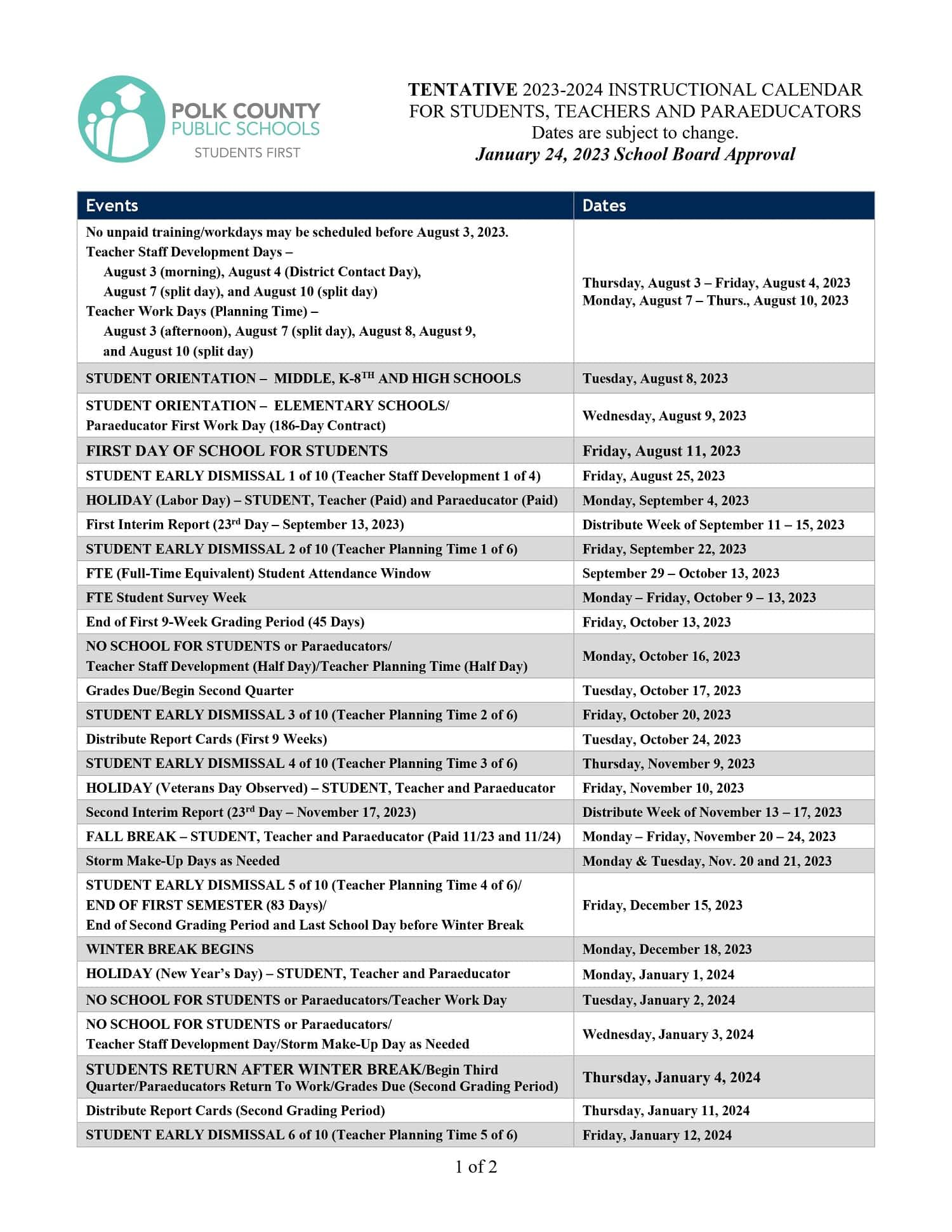
Florida’s school year is meticulously planned, aiming to balance instructional time with holidays and breaks. While the exact start and end dates can vary slightly between individual school districts, a general pattern prevails across the state. The vast majority of public schools in Florida commence their academic sessions in mid-to-late August. This timing is a deliberate strategy to maximize daylight hours for outdoor activities in the early fall and to conclude the school year before the peak of summer heat intensifies. Private institutions and charter schools may adopt slightly different calendars, often aligning closely with public school schedules but sometimes offering unique programs or extended breaks.
Summer Break: The Extended Interlude
The end of the school year typically falls in late May or early June. This ushers in Florida’s lengthy summer break, a period cherished by students and a planning challenge for parents. This extended break, often spanning ten to twelve weeks, is a defining characteristic of the Florida academic year. It provides ample opportunity for summer camps, family vacations, and for students to engage in internships or part-time employment. For many Floridians, summer break is an intrinsic part of the state’s lifestyle, interwoven with beach days, backyard barbecues, and a general slowing down of daily pressures.
Fall Semester: Back to the Books
As August approaches, a palpable shift occurs. The lingering summer heat is often accompanied by a buzz of preparation. School supply aisles in stores across cities like Orlando and Miami become bustling hubs. Parents navigate the back-to-school shopping lists, while students might attend orientation sessions or freshman camps designed to ease their transition into a new academic year. The first day of school is often met with a mix of excitement and trepidation, marking the return to structured learning after a period of freedom. The fall semester is characterized by a steady pace of instruction, punctuated by a brief fall break, often around Veterans Day, and culminating in winter holidays.
Spring Semester: The Final Push
Following the winter break, the spring semester begins in earnest, usually in early January. This period is often seen as the most demanding part of the academic year. Students are deep into their studies, preparing for standardized tests, AP exams, and the end-of-year projects that will determine their final grades. The Florida Standards Assessments, crucial for measuring student progress and school accountability, are typically administered during the spring. The semester culminates in the much-anticipated graduation ceremonies, a time of celebration for students, families, and educators alike.
Key Dates and Considerations for Families
For families residing in or planning to visit Florida, understanding the school calendar is not just an academic detail; it has practical implications for travel, activities, and even traffic patterns.
Navigating Tourist Hotspots
Florida’s major tourist destinations, such as Walt Disney World Resort in Orlando and the beaches of Clearwater, experience predictable ebbs and flows in visitor numbers tied to school holidays. The periods immediately before and after the summer break, as well as the weeks surrounding Christmas and spring break (which often occurs in March for many districts), tend to be peak travel times. Conversely, the shoulder seasons – the weeks immediately following the start of school in August and the period between fall break and winter holidays – can offer a slightly less crowded and potentially more budget-friendly experience for travelers.
Planning Family Outings
Families with school-aged children must coordinate their outings and vacations around the academic schedule. This might involve planning extended trips during summer break or utilizing shorter holiday periods for weekend getaways. For instance, a family might plan a trip to the Everglades National Park during a teacher work day or a school holiday to avoid the busiest times. For those considering long-term stays or permanent relocation to Florida, factoring in the school calendar becomes an integral part of the relocation process, influencing housing choices, community engagement, and daily routines.
Local Events and Community Life
The start of school also signals a revitalization of community events and local activities. Many towns and cities organize fall festivals, sporting events, and cultural gatherings that cater to families once school is back in session. The local library systems often ramp up their programming, and community centers offer after-school enrichment classes. Understanding when school starts provides a temporal anchor for experiencing the authentic local life of Florida beyond the transient tourist crowds. It allows for a deeper connection with the communities and their rhythms.
Beyond the Public School System
While public schools form the backbone of Florida’s education system, the state also boasts a diverse array of private schools, charter schools, and homeschooling communities, each with their own unique calendars and pedagogical approaches.

Private and Charter School Variations
Private institutions, such as The Bolles School in Jacksonville or Saint Andrew’s School in Boca Raton, often offer specialized programs and may have slightly different holiday schedules or intersession breaks. Charter schools, which operate independently but receive public funding, also have the flexibility to set their own academic calendars. These variations can sometimes create opportunities for families who prefer alternative scheduling or academic focuses. For instance, some charter schools might adopt a year-round calendar with shorter, more frequent breaks to prevent academic regression.
The Homeschooling Community
Florida has a robust homeschooling community, and these families typically have the greatest flexibility in determining their academic year. While many homeschooling families adhere to a general school-year structure for social and extracurricular purposes, they can adjust their learning schedules to suit individual needs and family travel plans. This autonomy allows homeschooling families to explore Florida’s attractions at less crowded times and tailor their educational journey to their children’s specific interests and learning styles, perhaps visiting the Kennedy Space Center Visitor Complex during a weekday in September.
The Economic and Social Impact
The start of the school year in Florida is more than just an educational milestone; it has tangible economic and social ramifications for the state.
Retail and Service Sector Boost
The back-to-school season is a significant economic driver. Retailers, from large department stores to small stationery shops, experience a surge in sales of clothing, school supplies, electronics, and dorm furnishings. Restaurants and service providers in student-centric areas also see an uptick in activity. This economic boost extends beyond immediate school needs, as families often invest in new wardrobes, technology, and even home improvements in preparation for the academic year.
Transportation and Commuting Patterns
As hundreds of thousands of students return to classrooms, traffic patterns across Florida undergo a noticeable transformation. Commutes in metropolitan areas like Tampa and Fort Lauderdale become more congested during morning and afternoon school pick-up and drop-off times. This shift impacts daily commuters, public transportation schedules, and the planning of errands and appointments. Many Floridians adjust their travel plans to avoid these peak school traffic hours.
Community Engagement and Volunteerism
The commencement of the school year often galvanizes community engagement. Parent-teacher organizations (PTOs) and other school-support groups become more active, organizing fundraising events, volunteer opportunities, and social gatherings. This period fosters a renewed sense of community involvement as parents, teachers, and local organizations collaborate to support student success and enhance the educational environment. It’s a time when the fabric of local communities is strengthened through shared purpose and collective action.
Planning Your Florida Experience Around the School Year
For those who are not directly involved in the daily educational rhythm of Florida, understanding the school calendar can still profoundly enhance their travel or residency experience.
Leveraging Off-Peak Travel
As previously mentioned, the periods when local students are in school represent prime opportunities for travelers seeking fewer crowds and potentially lower prices at popular attractions and accommodations. Visiting theme parks like Universal Orlando Resort in September or October, or enjoying the beaches of Siesta Key in mid-August can offer a more relaxed and immersive experience. This strategic timing allows visitors to appreciate Florida’s offerings without the intense seasonal pressures.
Engaging with Local Culture
To truly experience Florida beyond its tourist facade, aligning visits with the academic year can be beneficial. Attending local high school sporting events, community theater productions, or art fairs that often commence in the fall can provide authentic glimpses into the local culture. These events are where residents gather, celebrate, and connect, offering a richer understanding of the state’s diverse communities and traditions.
For New Residents
For families relocating to Florida, understanding the school start dates is paramount. It dictates the timeline for enrollment, securing housing in desirable school districts, and arranging for any necessary moving logistics. Many neighborhoods experience heightened activity as families move in just before the school year begins, aiming to settle in before classes commence. A well-timed move can ensure a smoother transition for children and a less stressful integration into a new community.
In conclusion, the question of “When school starts in Florida?” opens a window into the state’s life beyond its vacation allure. It reveals a structured calendar that influences everything from family vacations and local economies to community engagement and daily commutes. By acknowledging and understanding these rhythms, both residents and visitors can better navigate and appreciate the multifaceted experience that is Florida, year-round.
LifeOutOfTheBox is a participant in the Amazon Services LLC Associates Program, an affiliate advertising program designed to provide a means for sites to earn advertising fees by advertising and linking to Amazon.com. Amazon, the Amazon logo, AmazonSupply, and the AmazonSupply logo are trademarks of Amazon.com, Inc. or its affiliates. As an Amazon Associate we earn affiliate commissions from qualifying purchases.