
Florida’s subtropical climate presents a unique challenge and opportunity for gardeners, especially when it comes to growing staple crops like potatoes. Unlike regions with distinct spring and fall planting seasons for this versatile tuber, Florida’s extended warm periods and occasional frosts require a more nuanced approach. Understanding the optimal planting windows is crucial for a successful harvest, transforming your backyard plot into a source of fresh, homegrown potatoes. This guide delves into the intricacies of potato cultivation in the Sunshine State, focusing on timing, variety selection, and regional considerations to ensure your potato-growing endeavors flourish.

Understanding Florida’s Planting Seasons for Potatoes
Florida’s agricultural calendar is significantly influenced by its climate, characterized by mild winters and hot, humid summers. This duality means that potatoes, typically a cool-season crop in many parts of the world, can be grown in Florida during two distinct periods: the fall/winter season and the late winter/early spring season. The success of each planting depends on careful timing to avoid extreme heat and potential freezes.
The Fall/Winter Planting Window
The most reliable and popular time to plant potatoes in Florida is during the fall and winter months. This period generally runs from September through December. The key advantage of this window is the transition from the intense summer heat to cooler, more manageable temperatures.
- Early Fall (September – October): Planting can begin as early as September in the northern parts of Florida, moving slightly later into October for central and southern regions. The soil is still warm from the summer, which aids in initial tuber development. The cooler air temperatures that begin to emerge provide ideal conditions for foliage growth without the stress of excessive heat. This planting window allows ample time for the plants to establish themselves before the cooler winter months arrive.
- Late Fall/Early Winter (November – December): For many areas of Florida, planting continues through November and into December. This later planting allows the crop to mature through the mildest part of the winter, minimizing the risk of frost damage to developing tubers. Harvests from this planting typically occur in late winter or early spring.
The Late Winter/Early Spring Planting Window
While less common and often more challenging due to the increasing heat, a second, albeit shorter, planting window exists in late winter and early spring. This period typically spans from January through February.
- January – February: Planting during this time requires careful selection of early-maturing potato varieties. The goal is to have the potatoes develop and mature before the oppressive heat and humidity of late spring and summer set in. The risk of frost is still present in early January in some northern areas, so gardeners may need to protect young plants. Harvests from this planting are usually ready in late spring.
Factors Influencing Potato Planting Dates in Florida
Several environmental and practical factors dictate the precise timing for planting potatoes in Florida, extending beyond the general seasonal guidelines.
Temperature Considerations
Temperature is the most critical factor. Potatoes thrive in soil temperatures between 60°F and 70°F (15.5°C and 21°C) for optimal tuber formation.
- Daytime Highs: Ideal daytime temperatures for potato growth range from 60°F to 70°F (15.5°C to 21°C). When daytime highs consistently exceed 80°F (26.5°C), potato plants can experience stress, leading to reduced yields and potentially poor tuber development.
- Nighttime Lows: Cooler nights, ideally in the 50s°F (10-15°C), further encourage tuberization. Extremely cold nights, particularly those with frost, can damage or kill potato plants, especially young, tender growth.
- Soil Temperature: Measuring soil temperature is more precise than air temperature. For planting “seed potatoes” (pieces of potato with eyes), the soil should be consistently above 50°F (10°C) for germination.
Frost Risk and Protection
While Florida is known for its warmth, frost can occur, particularly in the northern and central parts of the state during the winter months.
- Northern Florida: This region experiences a higher risk of frost and occasional freezes. Planting should be timed to allow plants to establish a robust root system before the coldest periods. Protective measures like row covers or mulch can be essential for early plantings.
- Central and Southern Florida: These regions have a significantly lower frost risk, allowing for a more extended planting window. However, even here, a sudden cold snap can occur, so vigilance is advised.
Humidity and Disease Pressure
Florida’s high humidity, especially during the summer months, is a major concern for potato cultivation.
- Summer Heat and Humidity: These conditions are highly conducive to fungal diseases like late blight and early blight, which can decimate potato crops. This is the primary reason why summer is not a viable season for growing potatoes in Florida.
- Fall and Winter Advantage: The drier air and cooler temperatures of the fall and winter significantly reduce the pressure from these common potato diseases, making it the preferred growing season.
Variety Selection
The choice of potato variety plays a crucial role in determining the optimal planting time and success in Florida.
- Early Maturing Varieties: For the late winter/early spring planting, selecting varieties with shorter maturity periods (e.g., 70-90 days) is essential. These varieties can produce a harvest before the summer heat becomes detrimental. Examples might include ‘Yukon Gold’ or specific early red varieties.
- Heat-Tolerant Varieties: While not entirely “heat-proof,” some varieties exhibit better tolerance to warmer conditions than others. Researching and selecting varieties known to perform well in subtropical climates can increase success rates.
- Disease Resistance: Choosing varieties with known resistance to common Florida potato diseases is a prudent strategy for any planting season.
Regional Planting Differences Within Florida
Florida’s significant north-south expanse means that microclimates and growing seasons can vary considerably. Adjusting planting dates based on your specific location is vital.
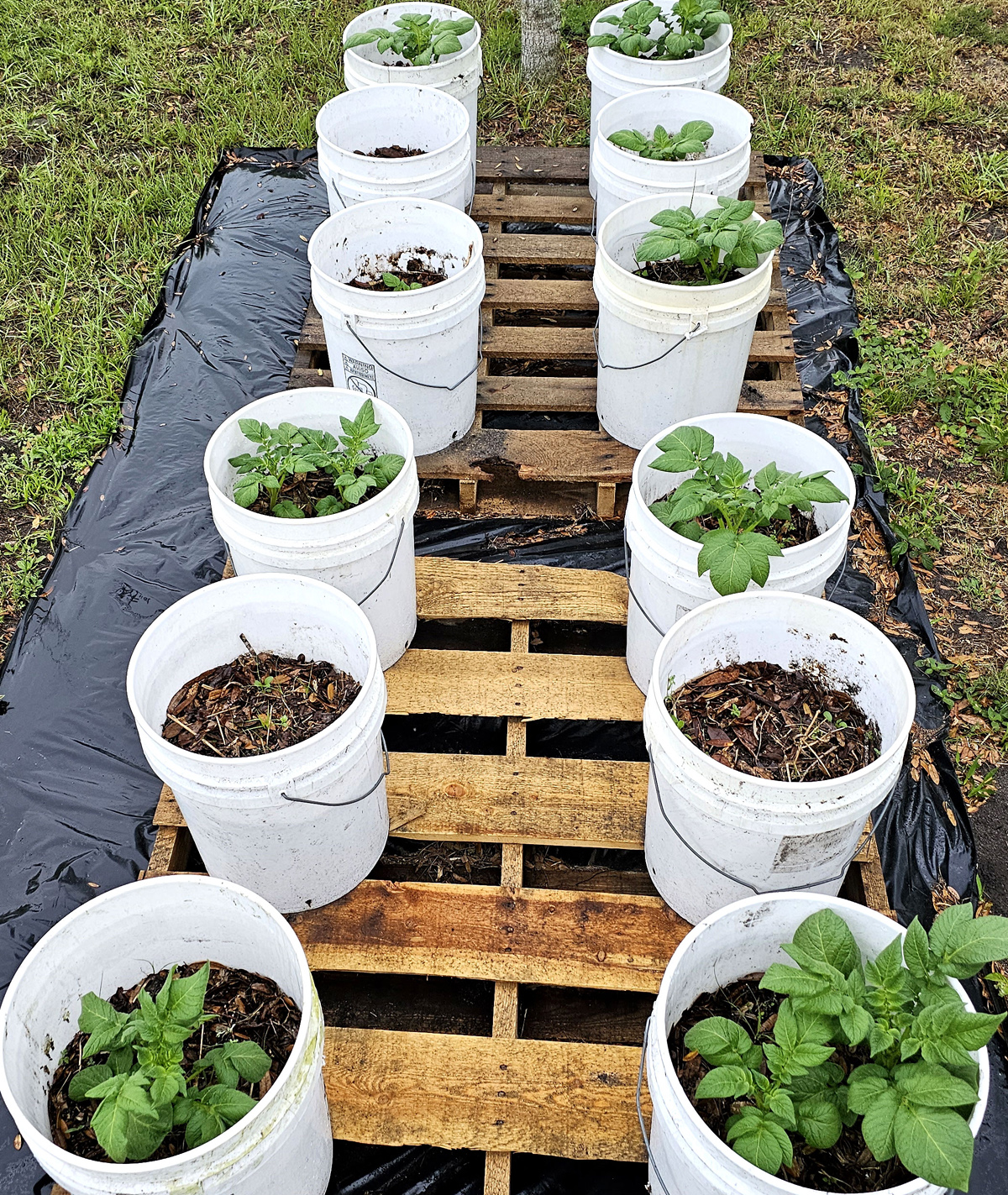
North Florida (Panhandle, Jacksonville Area)
This region experiences the most distinct seasons and the highest risk of frost.
- Fall/Winter Planting: The ideal window typically begins in mid-September through October, with a second planting possible in late January or February. Care must be taken with early plantings to protect against potential late-season frosts.
- Summer Heat: Summers are intensely hot, making summer potato cultivation infeasible.
Central Florida (Orlando, Tampa Bay Area)
Central Florida enjoys a milder winter but still experiences occasional frost.
- Fall/Winter Planting: Planting can commence in late September or early October and continue through November. The later planting in January and February is also viable, with less frost risk than in North Florida.
- Transitional Seasons: The shoulder seasons offer the best growing conditions.
South Florida (Miami, Fort Lauderdale Area)
South Florida has the least risk of frost and the longest warm season.
- Fall/Winter Planting: Planting can begin as early as September and extend through December. The mild winters mean that potatoes can often be grown with less concern for freezing temperatures.
- Late Winter/Early Spring: The January-February planting is also highly successful here, often yielding earlier harvests.
- Avoiding Summer: Even in South Florida, the extreme heat and humidity of summer make it an unsuitable environment for growing potatoes.
Best Practices for Florida Potato Cultivation
Beyond timing, several gardening practices will enhance your success when growing potatoes in Florida’s unique climate.
Soil Preparation and Amendment
Potatoes prefer well-drained, loose, fertile soil with a slightly acidic pH (5.0 to 6.0).
- Drainage: Florida soils can vary, but ensuring excellent drainage is paramount. Raised beds are an excellent option to prevent waterlogging.
- Organic Matter: Incorporating ample compost and well-rotted manure improves soil structure, fertility, and moisture retention without becoming waterlogged.
- Fertilization: Potatoes are heavy feeders. Apply a balanced fertilizer (e.g., 10-10-10) at planting and a side dressing of nitrogen-rich fertilizer when the plants are about 8-10 inches tall and again when flowering begins.
Planting Techniques
- Seed Potatoes: Use certified disease-free seed potatoes from a reputable supplier. Cut larger seed potatoes into pieces, ensuring each piece has at least two “eyes.” Allow cut pieces to cure for a day or two in a dry, airy place to prevent rot.
- Depth and Spacing: Plant seed pieces about 4-6 inches deep and 12-15 inches apart in rows spaced 2-3 feet apart.
- Hilling: As potato plants grow, it’s crucial to “hill” them. This involves mounding soil around the base of the stems to cover the developing tubers. Hilling prevents the tubers from being exposed to sunlight, which can cause them to turn green and produce solanine (a bitter, toxic compound), and it encourages more tuber formation along the buried stem. Continue hilling as the plants grow, usually 2-3 times.
Watering and Mulching
Consistent moisture is key for good tuber development.
- Watering: Water deeply and consistently, especially during tuber formation. Avoid waterlogged conditions. Drip irrigation or soaker hoses are ideal for maintaining consistent soil moisture without wetting the foliage, which can promote disease.
- Mulching: Apply a thick layer of organic mulch (straw, pine needles, or compost) around the plants after hilling. Mulch helps retain soil moisture, suppress weeds, and keep the soil temperature more stable.
Pest and Disease Management
Florida gardeners must be vigilant about common potato pests and diseases.
- Colorado Potato Beetle: This is a common pest. Handpicking adults and larvae, or using organic insecticides like spinosad, can help manage infestations.
- Fungal Diseases: As mentioned, humidity increases the risk of blight. Ensure good air circulation, avoid overhead watering, and consider disease-resistant varieties. Promptly remove any infected plant parts.

Harvesting
Harvesting time depends on the variety and planting date.
- “New” Potatoes: These can be harvested about 2-3 weeks after the plants start to flower. Gently scrape away soil from the sides of the plants to uncover a few tubers. This allows the plant to continue growing and producing more.
- Mature Potatoes: For mature storage potatoes, wait until the foliage begins to yellow and die back, typically 2-4 weeks after flowering stops. Dig carefully around the plant with a garden fork or trowel, being careful not to damage the tubers.
- Curing: After harvesting, allow the mature potatoes to cure in a warm, dry, well-ventilated area for a week or two to toughen their skins for better storage.
By adhering to these planting schedules and employing sound gardening practices, Floridians can successfully cultivate delicious, homegrown potatoes and enjoy a taste of fresh produce straight from their own backyards, turning the unique challenges of the Sunshine State’s climate into a rewarding gardening experience.
LifeOutOfTheBox is a participant in the Amazon Services LLC Associates Program, an affiliate advertising program designed to provide a means for sites to earn advertising fees by advertising and linking to Amazon.com. Amazon, the Amazon logo, AmazonSupply, and the AmazonSupply logo are trademarks of Amazon.com, Inc. or its affiliates. As an Amazon Associate we earn affiliate commissions from qualifying purchases.