
Florida, a state renowned for its sun-drenched beaches, vibrant theme parks, and lush natural landscapes, might not be the first place that comes to mind when discussing tornado alley. However, the Sunshine State experiences a surprising number of tornadoes, often under conditions that differ from the classic supercell thunderstorms typical of the Midwest. Understanding the nuances of Florida’s tornado activity is crucial for both residents and visitors seeking to enjoy its many attractions safely. This exploration delves into the unique characteristics of Florida tornadoes, where they are most likely to occur, and how they fit into the broader context of the state’s tourism and lifestyle.
The Unique Dynamics of Florida Tornadoes
Unlike the vast, flat plains of the American Midwest, where large, rotating supercell thunderstorms are the primary producers of powerful tornadoes, Florida’s tornado landscape is shaped by its distinct geography and climate. The state’s humid subtropical climate, influenced by proximity to the Gulf of Mexico and the Atlantic Ocean, creates a fertile ground for severe weather.
The Role of Sea-Breeze Convection
One of the most significant drivers of tornado formation in Florida is the sea-breeze front. As the land heats up during the day, cooler, moist air from the ocean moves inland, creating boundaries where air masses collide. This convergence can trigger rapid updrafts and the development of thunderstorms. When these storms become strong enough, they can produce tornadoes, often without the characteristic large, rotating supercells seen elsewhere. These are sometimes referred to as “landspouts” or “waterspouts” that move ashore.
Cold Fronts and Tropical Systems
While sea-breeze convection is a common trigger, cold fronts pushing south from the continental United States can also interact with Florida’s warm, moist air to generate severe thunderstorms capable of producing tornadoes. Furthermore, tropical cyclones, including hurricanes and tropical storms, are significant sources of tornado activity in Florida. As these systems make landfall, the intense winds and thunderstorms embedded within them can spawn numerous tornadoes, often in squall lines ahead of the main circulation. The National Hurricane Center monitors these potential threats closely, and the proximity to major attractions like Walt Disney World Resort or the Universal Orlando Resort means that awareness is paramount.
Intensity and Predictability
Florida tornadoes are often characterized by their relatively short duration and weaker intensity compared to their Midwestern counterparts. Many are rated as EF-0 or EF-1 on the Enhanced Fujita scale, causing localized damage. However, stronger tornadoes are not unheard of, and the sheer number of these events throughout the year means the risk is ever-present. The unpredictability of sea-breeze induced storms adds another layer of complexity to forecasting, often leading to rapidly developing situations. This is particularly relevant for visitors exploring destinations like Miami or the Florida Keys, where the coastal environment plays a significant role in weather patterns.
Geographic Hotspots for Tornadoes in Florida
While tornadoes can occur anywhere in Florida, certain regions and types of environments are more susceptible due to their meteorological and geographical characteristics. Understanding these hotspots can help inform travel plans and safety precautions.
Central Florida and the “Tornado Alley” Connection
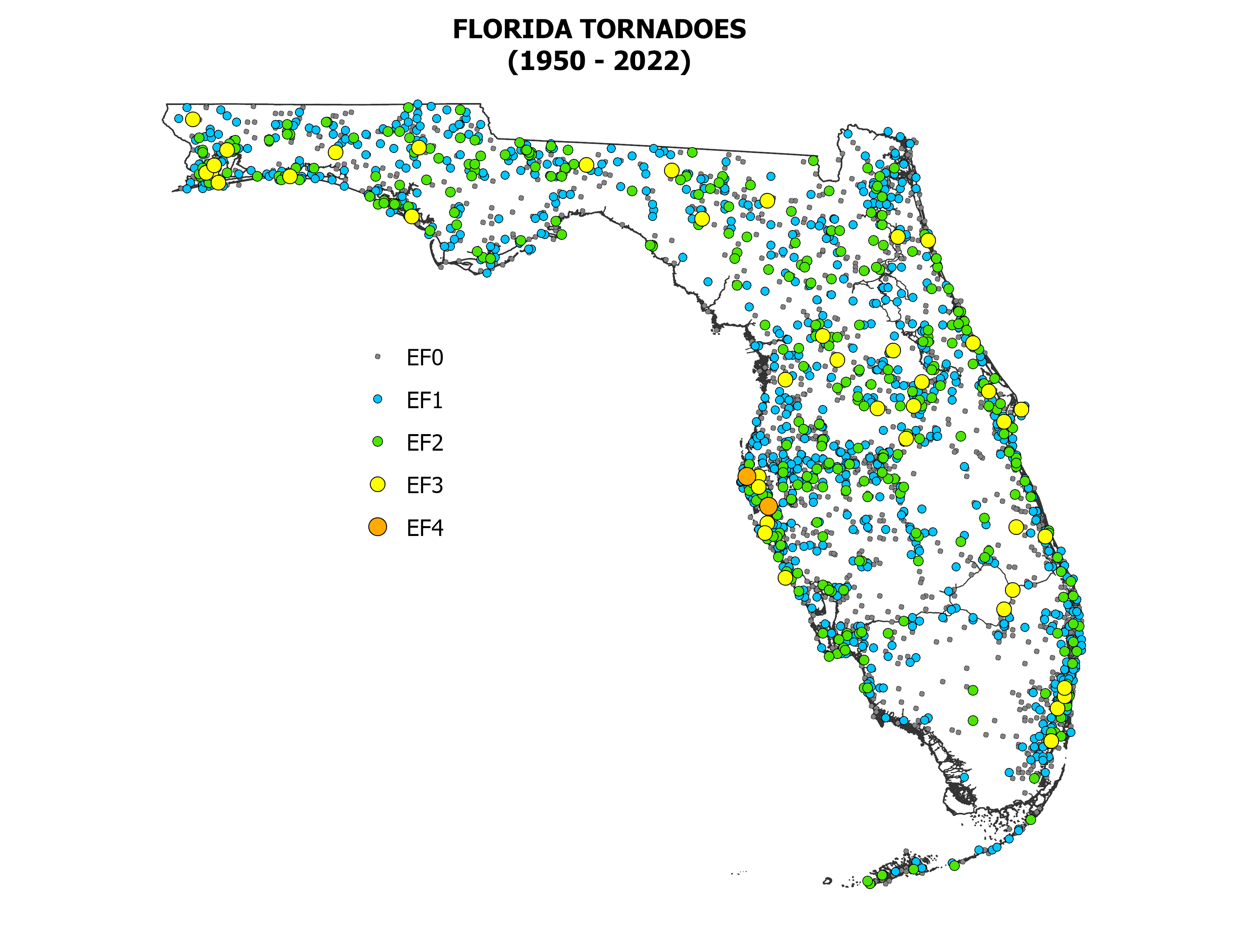
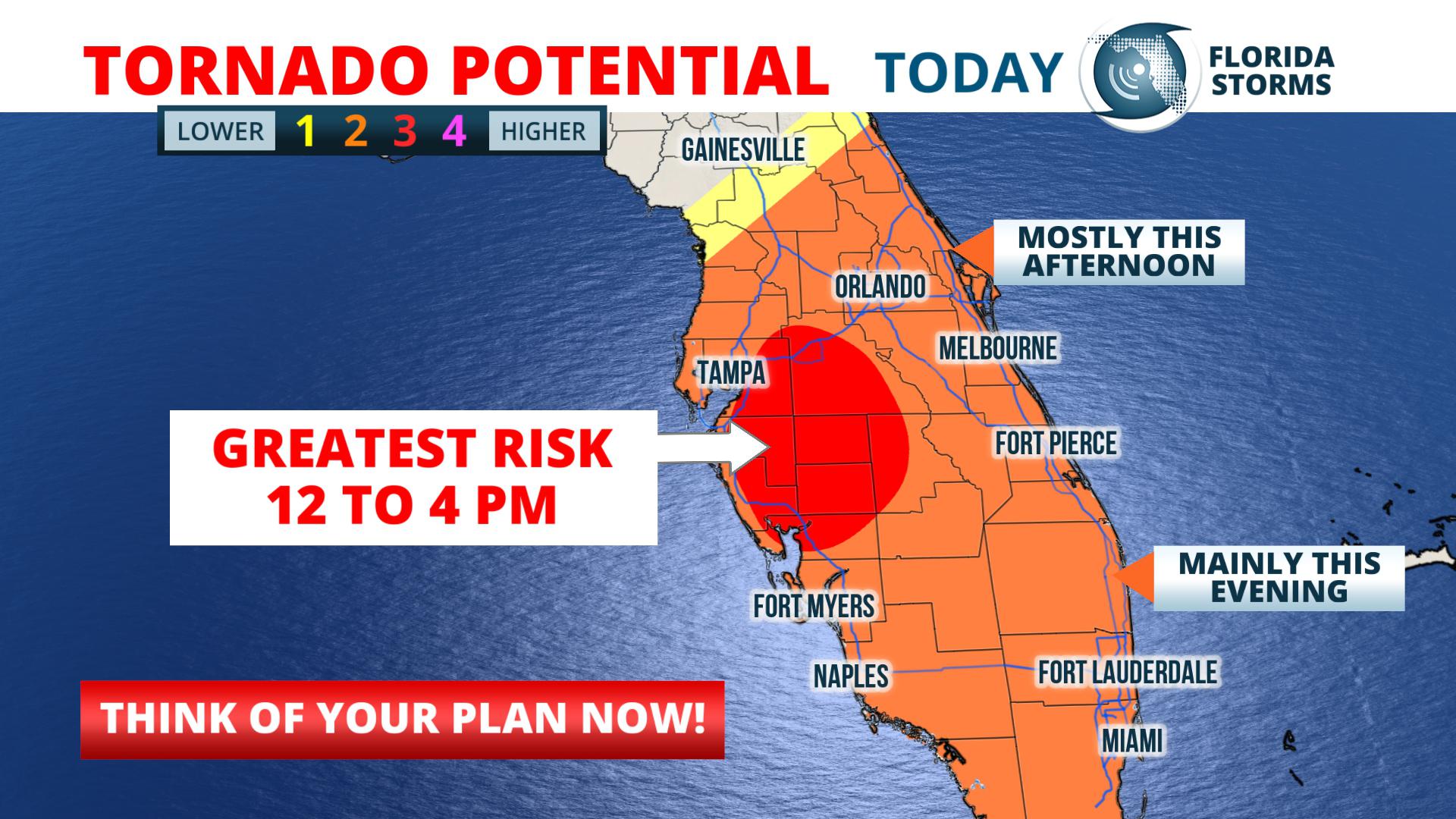
Central Florida, often referred to as Florida’s own “Tornado Alley,” experiences a significant concentration of tornado activity. This is largely due to the convergence of sea breezes from both the Gulf Coast and the Atlantic coast, as well as the prevalence of inland thunderstorm development. Cities like Orlando, Tampa, and Lakeland fall within this active zone. The sheer volume of tourists visiting these areas for theme parks, entertainment, and business makes meteorological awareness a key component of visitor safety. Understanding the potential for sudden storms, even outside the typical tornado season, is essential for planning activities at places like SeaWorld Orlando or exploring the attractions in the greater Tampa Bay area.
Coastal Influence and Waterspouts
Florida’s extensive coastline makes it prone to waterspout activity. These are tornadoes that form over water, and while many dissipate before reaching land, a significant number can move ashore, becoming dangerous tornadoes. The Gulf Coast, from the Florida Panhandle down to Southwest Florida, and the Atlantic coast, particularly the southeastern region, are areas where waterspouts are frequently observed. Visitors enjoying the beaches of Clearwater Beach, Siesta Key, or the shores near Miami Beach should be aware of developing storm conditions over the water.
The Panhandle’s Vulnerability
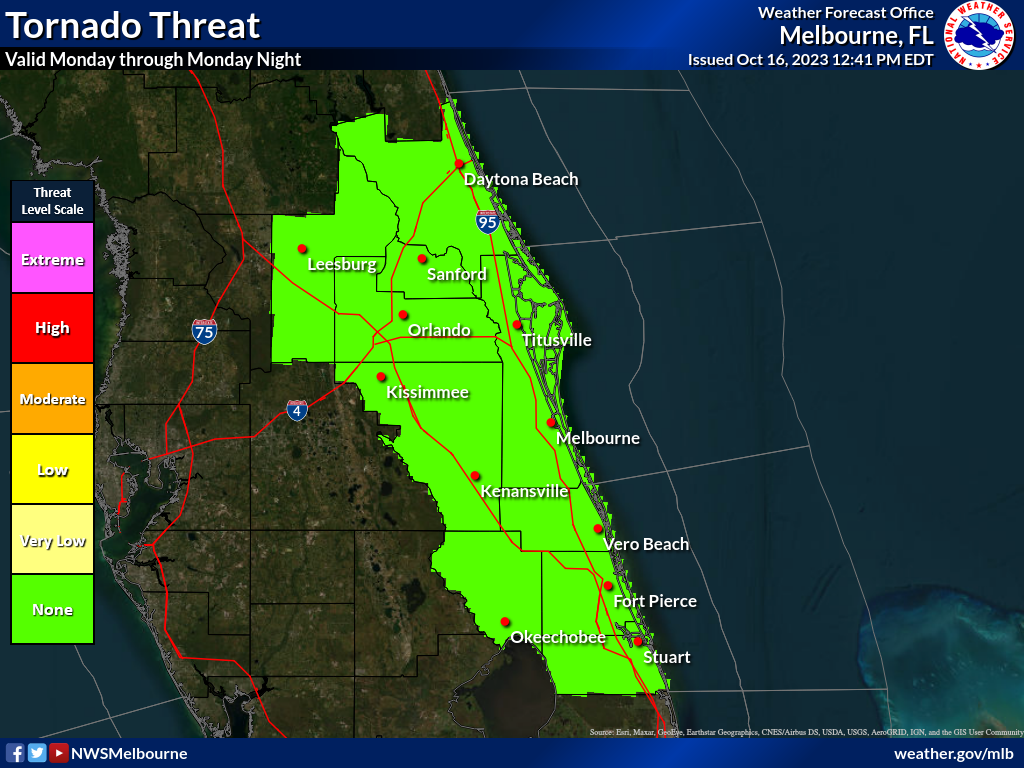
The Florida Panhandle, due to its location and exposure to systems moving from the west and the Gulf of Mexico, can also experience significant tornado outbreaks, particularly during the cooler months. Cold fronts pushing through this region often bring severe weather. Cities like Pensacola and Tallahassee are within these potentially active areas. The historical development of tourism in these regions, from the pristine beaches of the Emerald Coast to the state capital, means that understanding weather risks is part of enjoying a safe and memorable trip.
Tornado Season and Timing in Florida
Unlike the distinct spring and early summer tornado season of the Midwest, Florida’s tornado activity is more spread out throughout the year, with peaks that are influenced by different weather phenomena.
The Peak Season: Late Spring to Early Summer
While tornadoes can occur in any month, Florida’s primary tornado season typically runs from late spring through early summer, roughly from April to June. This period often coincides with the arrival of stronger cold fronts and the intensification of sea-breeze convergence as temperatures rise. The increased atmospheric instability during these months creates a higher likelihood of severe thunderstorms. This timing is important for those planning outdoor activities or visiting popular destinations during these months.
Year-Round Threat: Tropical Systems
A significant factor contributing to Florida’s year-round tornado threat is its vulnerability to tropical cyclones. From June 1st to November 30th, the Atlantic hurricane season is in full swing. Hurricanes and tropical storms frequently make landfall in Florida, and their passage is often accompanied by numerous tornadoes. These can occur well inland and at any time of day or night. This means that even during the traditionally “off-peak” months, the risk of tornadoes can be elevated due to tropical weather systems. Visitors to areas like the Florida Keys or the Gulf Coast during these months must remain vigilant about weather advisories.
Winter and Early Spring Activity
Even during the cooler months of winter and early spring, Florida can experience tornado-producing storms. These are often associated with strong cold fronts moving out of the continental United States, interacting with the warm, moist air lingering over the state. While less frequent than in the spring, these events can still be dangerous. This highlights the need for constant weather awareness, regardless of the perceived “season.”
Safety and Preparedness for Travelers and Residents
Given the persistent threat of tornadoes, both residents and visitors to Florida need to be informed and prepared. Understanding the warnings and knowing how to react can significantly mitigate risks and ensure a safe experience, whether one is enjoying the attractions of St. Augustine or staying at a resort in Naples.
Understanding Tornado Watches and Warnings
It is crucial to differentiate between a tornado watch and a tornado warning. A tornado watch means that conditions are favorable for tornadoes to develop in the affected area. During a watch, it’s important to stay informed, review your safety plan, and be ready to act. A tornado warning, on the other hand, signifies that a tornado has been spotted or indicated by weather radar, and immediate action is required.
Developing a Safety Plan
- Know your surroundings: If you are in a hotel, resort, or vacation rental, familiarize yourself with the building’s safe areas. This typically includes interior rooms on the lowest floor, away from windows.
- Have a communication plan: Ensure you have a way to receive weather alerts, such as a NOAA weather radio, weather apps on your smartphone, or local news broadcasts.
- Practice drills: If you are staying in one location for an extended period, consider practicing tornado drills with your family or travel companions.
Actions During a Tornado Warning
- Seek shelter immediately: Move to the lowest level of a sturdy building, such as a basement or an interior room. Stay away from windows and doors.
- If outdoors: Lie down in a ditch or other low-lying area and cover your head with your arms. If in a vehicle, abandon it and seek shelter in a ditch.
- Mobile homes and vehicles are NOT safe: These structures offer very little protection from tornadoes and should be evacuated immediately for a more substantial building.
By understanding the unique meteorological conditions that lead to tornadoes in Florida, identifying the areas where they are most common, and staying informed about potential timing and safety measures, both travelers and residents can navigate the Sunshine State with greater confidence and security, ensuring that their experiences are focused on the abundant joys and attractions Florida has to offer.
LifeOutOfTheBox is a participant in the Amazon Services LLC Associates Program, an affiliate advertising program designed to provide a means for sites to earn advertising fees by advertising and linking to Amazon.com. Amazon, the Amazon logo, AmazonSupply, and the AmazonSupply logo are trademarks of Amazon.com, Inc. or its affiliates. As an Amazon Associate we earn affiliate commissions from qualifying purchases.