
Understanding the duration of unemployment benefits in California is a crucial aspect for anyone planning an extended stay or navigating a period of financial transition within the Golden State. For those considering a long-term presence, whether as a digital nomad, someone exploring a new life chapter, or simply managing a temporary halt in employment, the financial safety net provided by unemployment insurance (UI) can significantly impact the feasibility and comfort of your extended accommodation. This guide delves into the specifics of California’s unemployment system, framing it through the lens of sustaining a long-term stay.
Understanding California’s Standard Unemployment Benefit Duration for Extended Stays
The foundational element of California’s unemployment insurance program is its standard benefit duration, which provides essential financial support for those seeking to maintain their living arrangements during job transitions.
The Baseline: 26 Weeks of Support
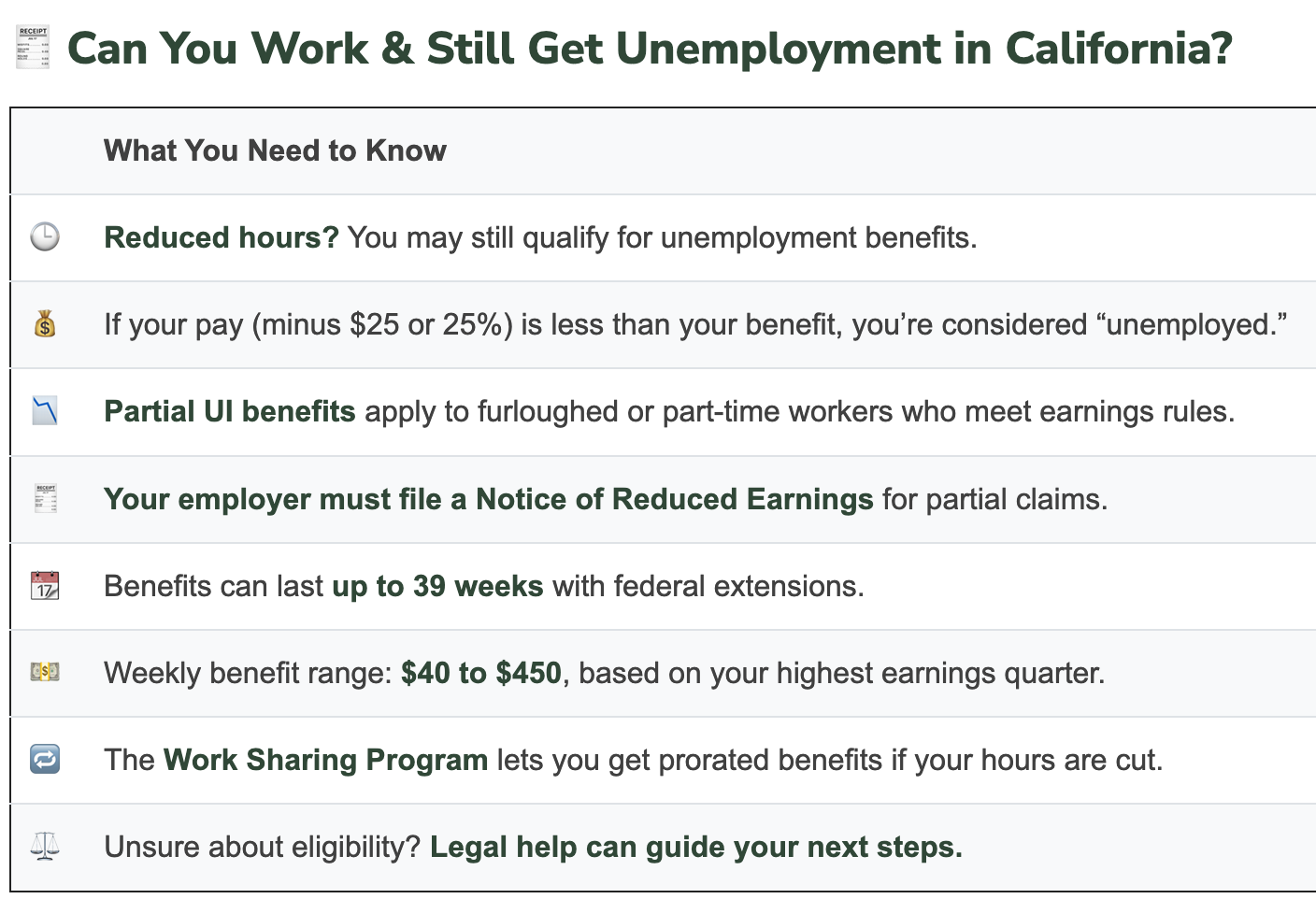
Under normal economic conditions, the standard maximum duration for collecting unemployment benefits in California is 26 weeks. This period is designed to offer a temporary reprieve, allowing individuals to actively seek new employment without immediate financial collapse. For those planning an extended stay in California, these 26 weeks can be critical. They represent up to half a year of income replacement, which directly translates to the ability to cover rent, utilities, and other essential living costs for your chosen accommodation. Whether you’re in a furnished apartment, a co-living space, or a long-term rental, knowing you have this support allows for a more stable initial period while you integrate into the local job market or explore new opportunities inherent in a longer stay. This baseline period is a fundamental component of budgeting for anyone considering a protracted residence in the state, offering a buffer against immediate financial strain.
Eligibility Requirements for Sustaining Your Stay
To qualify for these benefits and, by extension, help sustain your long-term accommodation, you must meet specific criteria set by California’s Employment Development Department (EDD). Key requirements include having earned sufficient wages in your base period, being unemployed through no fault of your own (e.g., laid off, not fired for misconduct), being able and available to work, and actively seeking employment. For those on an extended stay, this means demonstrating a genuine commitment to re-employment within California. Failing to meet these ongoing requirements can result in benefits being denied or terminated, which can obviously have immediate and severe implications for your ability to maintain your chosen accommodation. Understanding and adhering to these rules is paramount for ensuring the continuity of your financial support throughout your extended stay.
The Role of Weekly Benefit Amounts (WBA) in Long-Term Accommodation Budgeting
The actual amount you receive each week, your Weekly Benefit Amount (WBA), is crucial for your long-term accommodation budgeting. In California, the WBA ranges from a minimum of $40 to a maximum of $450 per week, depending on your earnings during your base period. This amount, while helpful, rarely covers the entirety of living expenses in many parts of California, particularly for single occupancy or higher-end long-term accommodations. Therefore, when planning an extended stay, it’s vital to integrate your WBA into a broader financial strategy. Will it cover a portion of your rent for a room in a shared house? Can it subsidize an extended-stay hotel? Or will it merely act as supplementary income while you draw from savings? Accurately calculating your potential WBA allows you to make informed decisions about where you can realistically afford to stay and for how long, ensuring your accommodation choices align with your available financial support.
Navigating Extensions and Additional Programs for Prolonged California Stays
While the standard 26-week period provides a baseline, California’s unemployment system, especially in times of economic downturn, can offer extensions. These extensions are vital considerations for anyone planning a truly prolonged stay in the state.
Federal-State Extended Benefits (FSEB) and Their Impact on Long-Term Accommodation Security
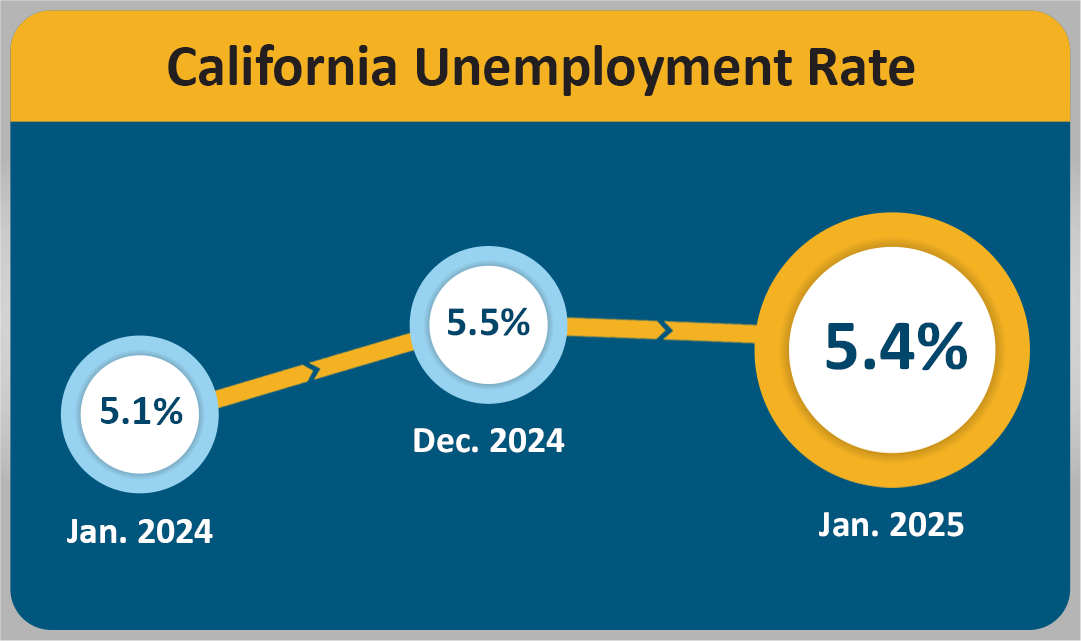
In periods of high unemployment, federal and state governments may activate Extended Benefits (EB) programs, often referred to as Federal-State Extended Benefits (FSEB). These programs typically add an additional 13 or 20 weeks of benefits after an individual has exhausted their regular UI claim. The availability of FSEB is tied to specific unemployment rate triggers within the state. For someone aiming for a prolonged stay in California, the activation of FSEB can significantly extend their financial safety net, potentially allowing them to continue their long-term accommodation without interruption. This additional support can be the difference between needing to relocate or being able to weather a longer job search while maintaining your chosen residence in the state. Staying informed about the economic indicators and the EDD’s announcements regarding these programs is essential for those relying on an extended financial runway.
Past Pandemic-Related Extensions and Their Lessons for Future Long-Term Planners
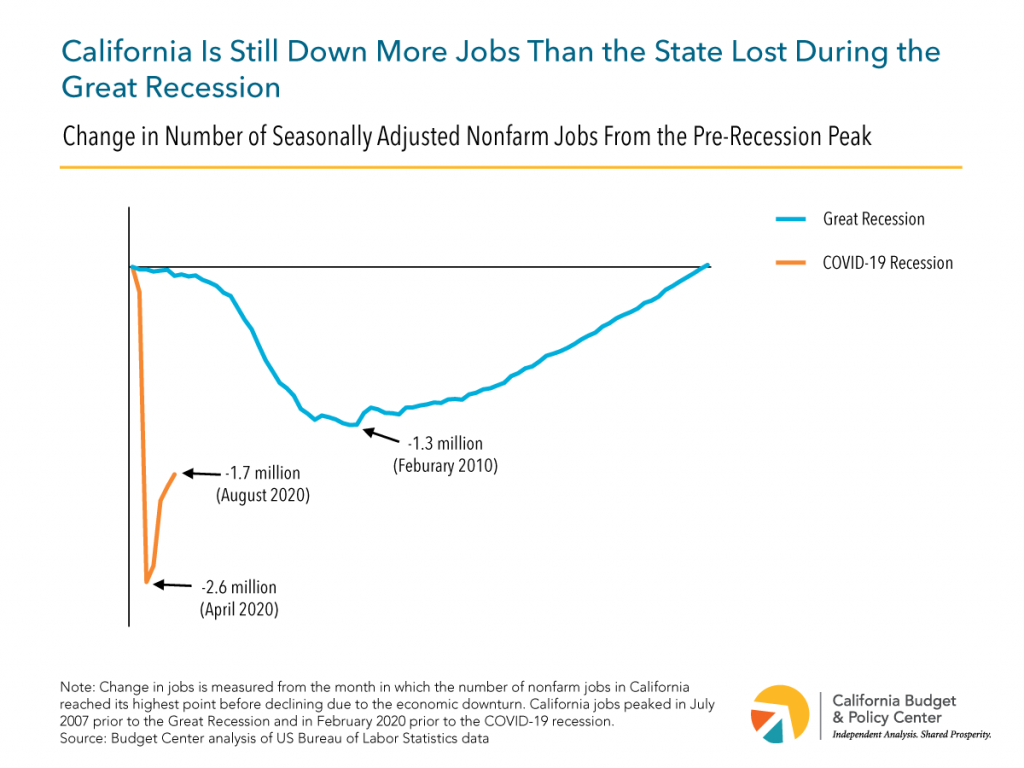
The recent past saw unprecedented federal interventions, such as the CARES Act during the COVID-19 pandemic, which introduced programs like Pandemic Unemployment Assistance (PUA) and Pandemic Emergency Unemployment Compensation (PEUC). While these programs are no longer active, they offer valuable lessons for long-term planners. They demonstrated the government’s capacity to significantly extend benefit durations and expand eligibility during extraordinary circumstances. PUA, for instance, provided benefits for those not traditionally covered by UI, like freelancers and gig workers, who often gravitate towards long-term stays in places like California. These historical examples highlight the potential for temporary, additional support in future crises, which could be a critical factor in maintaining a prolonged stay. While it’s unwise to plan solely on the expectation of such extensions, understanding their historical precedent can inform contingency planning for your long-term accommodation strategy.
The Importance of Staying Informed for Continuous Accommodation Planning
Given the dynamic nature of unemployment programs, especially concerning extensions, continuous monitoring of official sources like the EDD website and relevant legislative updates is paramount. Benefit durations and eligibility criteria can change with shifts in economic conditions or new government policies. For those committed to a long-term stay in California, proactive information gathering directly impacts your ability to plan and sustain your accommodation. Knowing precisely how many weeks of benefits you might qualify for, or whether an extension is being considered, allows you to adjust your budget, housing choices, and job search strategy accordingly. This vigilance ensures you remain financially stable and can continue to enjoy your extended California experience without unexpected financial disruptions to your living situation.
Strategic Financial Planning for Long-Term Accommodation in California
Collecting unemployment benefits is a temporary measure. For a successful long-term stay in California, integrating these benefits into a broader, sustainable financial strategy is essential, particularly concerning your accommodation.
Integrating Unemployment Benefits into Your Long-Term Accommodation Budget
Unemployment benefits, while a lifeline, should be viewed as one component of a comprehensive financial plan for your long-term stay. California’s cost of living, especially for housing, is notoriously high. Your Weekly Benefit Amount (WBA) will likely not cover all your expenses, particularly if you are in a desirable area. Therefore, it’s critical to create a detailed budget that accounts for rent, utilities, groceries, transportation, and other living expenses. Identify how much of your accommodation cost the WBA can cover and what portion needs to come from savings, supplementary income, or other financial resources. This realistic assessment prevents overreliance on benefits and ensures you can comfortably sustain your chosen long-term accommodation throughout your stay, rather than being forced to leave prematurely due to unexpected shortfalls.
Exploring Affordable Long-Term Accommodation Options in California
To maximize the longevity of your unemployment benefits and other savings during a long-term stay, exploring cost-effective accommodation options is crucial. Instead of high-rent individual apartments, consider shared housing arrangements, extended-stay hotels with kitchenettes, co-living spaces, or even temporary rentals in less expensive cities within California. For example, while cities like San Francisco or Los Angeles might be aspirational, areas in the Central Valley or more inland regions offer significantly lower rents, allowing your benefits to stretch further. Researching these alternatives vigorously and being flexible with your location can drastically extend your ability to maintain a comfortable long-term stay without exhausting your financial resources too quickly. This strategic approach to housing ensures your benefits contribute meaningfully to your overall financial stability.
Maximizing Your Unemployment Period for Re-employment and Sustained Stay
The period during which you collect unemployment benefits should be actively utilized for re-employment, not merely as a pause. For those on a long-term stay in California, this means intensifying your job search, networking, and potentially acquiring new skills. Many state and local programs offer free or low-cost training and career counseling services that can accelerate your return to the workforce. Transitioning from unemployment benefits to a stable income source is the ultimate goal, securing your ability to maintain your long-term accommodation indefinitely. Viewing unemployment as a strategic window to invest in your career growth ensures that your extended stay in California is not just financially feasible in the short term, but also sustainable for the long haul.
Special Considerations for Digital Nomads and Temporary Residents in California
For individuals whose lifestyle involves mobility and who might consider California for an extended stay while potentially collecting unemployment, specific rules around residency and claims require careful attention.
Establishing Residency for Unemployment Claims and Long-Term Stay Eligibility
One of the foundational requirements for collecting California unemployment benefits is having established a legitimate work history within the state during your base period, and being able and available to work in California. For digital nomads or temporary residents, this can be complex. You generally cannot just “move to California” and immediately claim benefits unless your last employment was in California. Establishing a “long-term stay” for accommodation purposes doesn’t automatically qualify you for California UI if your employment history is primarily elsewhere. Understanding these nuances is critical for accurately forecasting your financial support during an extended stay. It underscores that while you might physically reside in California, your eligibility for state benefits hinges on your prior employment nexus with the state.
Understanding Out-of-State Implications and Interstate Claims
If your last employment was in a state other than California, you would typically file an “interstate claim” with the state where your wages were earned. While you can reside in California and receive benefits from another state, you must still adhere to that state’s eligibility rules, including being available for work in that state or demonstrating a willingness to accept suitable work elsewhere. This adds another layer of complexity for long-term stay planning. The duration and amount of your benefits would be determined by the “liable state” (where you earned wages), not by California. Therefore, if you are an individual considering a long-term stay in California but your unemployment claim is from another state, you must understand the rules of that state to accurately budget for your accommodation and overall living expenses during your protracted residence.
LifeOutOfTheBox is a participant in the Amazon Services LLC Associates Program, an affiliate advertising program designed to provide a means for sites to earn advertising fees by advertising and linking to Amazon.com. Amazon, the Amazon logo, AmazonSupply, and the AmazonSupply logo are trademarks of Amazon.com, Inc. or its affiliates. As an Amazon Associate we earn affiliate commissions from qualifying purchases.