
Florida, a state renowned for its sun-drenched beaches, vibrant wildlife, and diverse cultural tapestry, might not be the first place that springs to mind when considering the cultivation of Salvia apiana, commonly known as white sage. However, for those drawn to the aromatic allure and spiritual significance of this sacred herb, the question of its viability in the Sunshine State is a pertinent one. While Salvia apiana originates from the arid chaparral and coastal sage scrub ecosystems of Southern California and Baja California, exploring its cultivation in Florida requires a nuanced understanding of the state’s unique climate, soil conditions, and horticultural challenges. This guide delves into the possibilities, practicalities, and potential pitfalls of growing white sage in Florida, offering insights for both novice and experienced gardeners seeking to cultivate this cherished plant.

Understanding Florida’s Climate and White Sage Requirements
The fundamental hurdle in growing Salvia apiana in Florida lies in the stark contrast between its native habitat and Florida’s prevailing environmental conditions. White sage thrives in a Mediterranean climate characterized by hot, dry summers and cool, wet winters. Its natural adaptation is to well-draining soils, ample sunlight, and periods of drought. Florida, on the other hand, presents a subtropical to tropical climate with high humidity, frequent rainfall, and generally fertile, often sandy or clay-heavy soils that can retain moisture.
Sunlight and Temperature
White sage is a sun-worshipper, requiring at least six to eight hours of direct sunlight daily to flourish. Florida’s intense sunshine can, in principle, meet this requirement. However, the accompanying high humidity, especially during the summer months, can be detrimental. This combination of heat and moisture creates an environment conducive to fungal diseases, which are a primary concern for plants accustomed to drier conditions.
While Florida experiences warm temperatures year-round, the frost-free nature of most of the state is generally favorable for white sage, which can tolerate some light frost but prefers milder winters. The primary concern is not freezing temperatures but the overwhelming moisture content in the air and soil during the warmer months.
Soil and Drainage
Perhaps the most critical factor for successful white sage cultivation in Florida is exceptional drainage. Salvia apiana is notoriously susceptible to root rot in consistently moist or waterlogged soil. Florida’s soils, while variable, often present challenges. Sandy soils, common in coastal areas, offer better drainage but can also be nutrient-poor and dry out quickly. Clay soils, prevalent in other regions, tend to retain excessive moisture, posing a significant risk.
To overcome this, amending the soil is not merely recommended; it is essential. Incorporating large quantities of coarse sand, perlite, pumice, or gravel into the planting medium will significantly improve aeration and drainage. Raised beds or containers are also highly effective strategies for controlling soil moisture and ensuring that the roots of white sage are not constantly saturated.
Water and Humidity
The high humidity levels in Florida are a significant challenge for a plant adapted to arid environments. Overwatering, or even consistent ambient moisture, can lead to fungal infections such as powdery mildew and root rot. Careful watering practices are paramount. It is far better to err on the side of underwatering than overwatering.
The ideal approach is to water deeply but infrequently, allowing the soil to dry out completely between waterings. During Florida’s rainy season, natural precipitation might be sufficient, and supplemental watering may be unnecessary for extended periods. Monitoring soil moisture levels with a finger or a moisture meter is crucial.
Strategies for Cultivating White Sage in Florida
Given the environmental differences, growing white sage in Florida requires a proactive and adaptive horticultural approach. The goal is to recreate, as closely as possible, the conditions of its native arid habitat.
Container Gardening: The Preferred Method
For most aspiring white sage growers in Florida, container gardening offers the most practical and controllable solution. This method allows for precise management of soil composition and drainage, mitigating the risks associated with Florida’s native soils and high humidity.
- Pot Selection: Choose pots with ample drainage holes. Terra cotta pots are an excellent choice as they are porous and allow for some evaporation through the sides, further aiding in soil drying. Ensure the pot size is adequate to accommodate the plant’s root system, but avoid excessively large pots initially, as they can hold too much moisture.
- Soil Mix: Create a custom potting mix that is exceptionally free-draining. A good starting point is a blend of:
- 50% coarse sand or horticultural grit
- 25% perlite or pumice
- 25% a well-draining potting soil or compost
Avoid standard potting mixes that are designed to retain moisture.
- Placement: Position containers in locations that receive full sun for the majority of the day. Consider elevating pots slightly on pot feet or bricks to ensure good air circulation beneath them and to prevent water from pooling around the base.
- Watering: Water only when the top two to three inches of soil are completely dry. During the humid summer months, this might be once every week or two, or even less frequently, depending on rainfall and ambient conditions. In the drier winter months, you may need to water more often.
In-Ground Planting: A More Challenging Endeavor
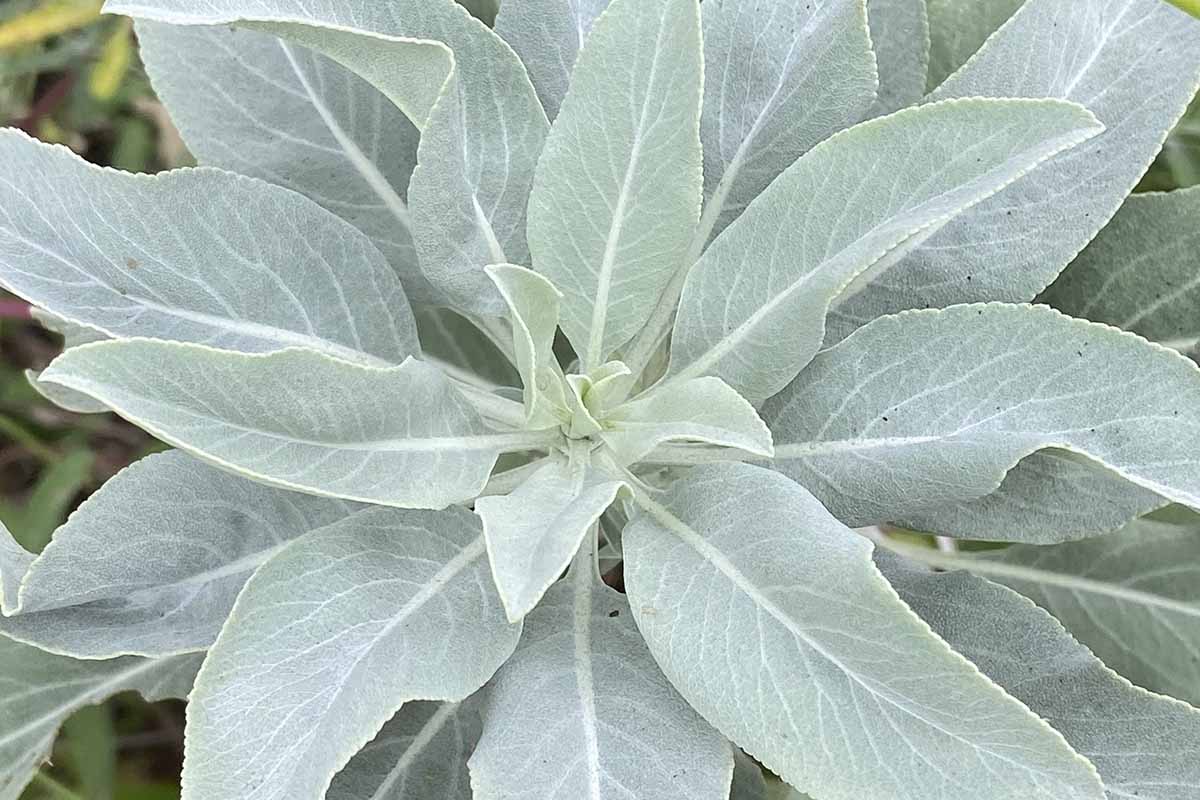
While container gardening is often recommended, it is possible to grow white sage in the ground in Florida, but it requires significant soil modification and careful site selection.
- Raised Beds: Constructing raised garden beds is the most effective way to ensure proper drainage when planting in the ground. Fill these beds with a custom soil mix, similar to that recommended for containers, but on a larger scale. Aim for beds that are at least 12 to 18 inches deep.
- Site Selection: Choose the sunniest, most exposed location in your garden. Avoid areas that tend to stay wet or have poor air circulation. South-facing slopes can sometimes offer better drainage and sun exposure.
- Soil Amendment: If planting in an existing garden bed, you will need to heavily amend the native soil. This involves digging a wide and deep area and incorporating substantial amounts of sand, gravel, pumice, and compost. The goal is to create a gritty, well-aerated substratum.
- Watering: Even with amendments, in-ground planting requires vigilant monitoring. Water sparingly, allowing the soil to dry out between waterings. This is especially critical during the rainy season.
Selecting the Right Variety and Sourcing
When sourcing white sage, look for reputable nurseries that specialize in native or drought-tolerant plants. While Salvia apiana is the most sought-after variety, there may be similar salvias that are better adapted to Florida’s climate. However, if your heart is set on the traditional white sage, expect to provide it with a protected environment.
Consider starting with young plants rather than seeds, as this can provide a head start and a more robust specimen. Ensure the plants are healthy and free from signs of disease or pest infestation before planting.
Potential Challenges and Troubleshooting
Even with the best practices, growing white sage in Florida can present unique challenges. Awareness and proactive management are key to overcoming them.
Fungal Diseases
The most common problem encountered is fungal diseases, primarily powdery mildew and root rot, exacerbated by Florida’s humidity.
- Powdery Mildew: This appears as a white, powdery coating on the leaves and stems. It thrives in humid conditions with poor air circulation.
- Prevention: Ensure good air circulation by spacing plants appropriately, pruning to open up the canopy, and avoiding overhead watering.
- Treatment: If detected, remove affected leaves immediately. Fungicidal sprays (organic options like neem oil or baking soda solutions can be effective) can be used, but it’s crucial to ensure the plant is not stressed and the application does not add excessive moisture.
- Root Rot: This is often fatal and caused by consistently waterlogged soil. Symptoms include wilting, yellowing leaves, and eventual plant death.
- Prevention: Exceptional drainage is the only effective prevention. If you suspect root rot, it is often too late to save the plant.
Pests
While white sage is generally resistant to pests, particularly in drier conditions, some common Florida garden pests might occasionally find their way to your plants. Aphids and spider mites can sometimes be an issue.
- Aphids: Small, green or black insects that cluster on new growth. A strong blast of water can often dislodge them, or insecticidal soap can be used for more severe infestations.
- Spider Mites: Tiny pests that create fine webbing and cause stippling on leaves. They thrive in hot, dry conditions, which might seem counterintuitive in Florida, but can occur in protected microclimates. Increasing humidity around the plant (though not the soil) or using horticultural oils can help.
Overgrowth and Pruning
White sage can grow into a substantial shrub, often reaching three to five feet in height and width. In Florida’s humid climate, dense growth can lead to poor air circulation, increasing the risk of fungal diseases.
- Pruning: Regular pruning is essential. After the plant has finished flowering, or in the late fall or early spring, prune back about one-third of the plant to maintain its shape and promote airflow. Remove any dead or diseased stems promptly. Be mindful that severe pruning should be avoided in the hottest, driest part of summer.
The Experience of Growing White Sage in Florida
Growing white sage in Florida is not for the faint of heart, nor is it a low-maintenance endeavor. It requires a deep understanding of the plant’s native needs and a willingness to adapt horticultural practices to suit the unique conditions of the Sunshine State. However, for those who succeed, the reward is not only the satisfaction of cultivating a sacred and aromatic herb but also the deep connection it fosters with the natural world and its ancient traditions.
The journey of growing white sage in Florida is a testament to the resilience of nature and the ingenuity of gardeners. It encourages a more mindful approach to cultivation, emphasizing observation, adaptation, and a respect for the specific requirements of each plant. While perhaps not as straightforward as growing it in its native California or Arizona, the effort invested in creating the right environment for Salvia apiana in Florida can be immensely rewarding, offering a tangible connection to a plant with profound cultural and spiritual significance, right in your own backyard. Whether in a carefully curated container on a sunny patio in Miami or a meticulously prepared raised bed in the more temperate climate of northern Florida, the quest for white sage cultivation in this vibrant state is a fascinating horticultural adventure.
LifeOutOfTheBox is a participant in the Amazon Services LLC Associates Program, an affiliate advertising program designed to provide a means for sites to earn advertising fees by advertising and linking to Amazon.com. Amazon, the Amazon logo, AmazonSupply, and the AmazonSupply logo are trademarks of Amazon.com, Inc. or its affiliates. As an Amazon Associate we earn affiliate commissions from qualifying purchases.