
Navigating the financial landscape of retirement is a complex endeavor, and for military veterans, understanding state-specific tax laws surrounding their retirement income is paramount. When considering a move to the Bama state, the question of how military retirement pay is treated for tax purposes frequently arises. This detailed exploration aims to provide a comprehensive answer, offering clarity and insight for those planning their post-service lives in Alabama.
Understanding Military Retirement Income
Military retirement pay is a deferred compensation earned through years of dedicated service to the nation. It’s a crucial financial component for veterans transitioning to civilian life. The nature of this income – whether it’s considered a pension, annuity, or other form of payment – often dictates its taxability at both the federal and state levels. Understanding the source and classification of this income is the first step in determining its tax treatment in Alabama.

Types of Military Retirement
Military retirement typically falls into two main categories:
- High-3 System: For service members who entered active duty after September 7, 1980, this system calculates retirement pay based on the average of the highest 36 months of base pay, multiplied by a percentage reflecting years of service.
- Final Pay System: For service members who entered active duty before September 7, 1980, retirement pay is calculated based on the final base pay and years of service.
Beyond these primary systems, veterans may also receive other forms of compensation, such as disability retirement pay, which can have different tax implications. It is essential to distinguish between these types of payments when assessing tax liability.
Alabama’s Tax Approach to Retirement Income
Alabama, like many states, has specific provisions governing the taxation of retirement income. For retirees in general, the state offers a deduction for retirement income, including pensions and annuities, up to a certain limit. However, the crucial aspect for military veterans is how their specific retirement pay is categorized and if any special exemptions or deductions apply.
The General Retirement Deduction
Alabama provides a retirement income tax deduction that applies to most retirement benefits. This deduction allows taxpayers to reduce their taxable income by a certain amount each year for qualifying retirement income. This benefits all retirees who meet the criteria, including many who have served in the military.
The current deduction allows individuals to subtract a portion of their retirement income from their adjusted gross income. For instance, for tax year 2023, the deduction was set at a maximum of $4,000 per taxpayer. This means that if a retiree’s military pension income is $10,000, they could potentially reduce their taxable income by $4,000, thus lowering their overall tax liability in Alabama.
Military Retirement and Specific Exemptions
Historically, many states have enacted specific legislation to exempt or provide significant deductions for military retirement pay, recognizing the sacrifices made by service members. This often stems from a desire to attract veterans to the state and to honor their service.
Alabama has indeed taken steps to benefit military retirees. While the general retirement deduction applies, there’s a more specific and advantageous provision for those receiving military retirement pay.
The Military Retirement Benefit Exemption
Alabama law, specifically under the Alabama Income Tax Act, allows for a full exemption of military retirement benefits from state income tax. This means that veterans receiving retirement pay from the U.S. Armed Forces are generally not required to pay state income tax on this income. This is a significant benefit that distinguishes military retirement from some other forms of retirement income, which may only qualify for a partial deduction.
This exemption typically applies to all types of military retirement pay, including retired pay for members of the Army, Navy, Air Force, Marine Corps, and Coast Guard, as well as retired pay for reserve components. The exemption is designed to provide a tangible financial relief to those who have served their country.
Eligibility for the Exemption
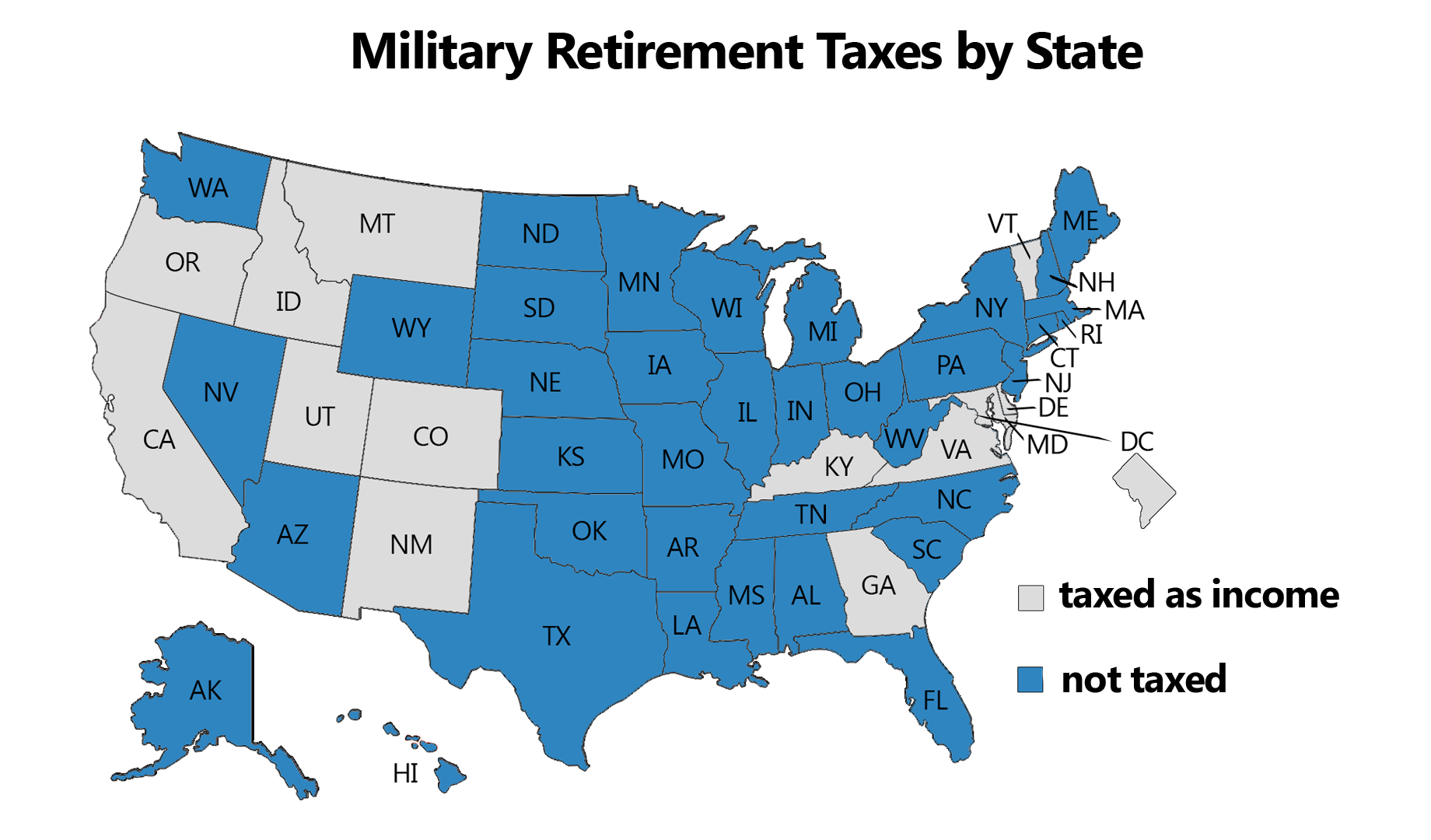
To qualify for this exemption, the retirement income must be received from the U.S. military. This includes pay received after completing a minimum period of service, disability retirement pay, and retirement pay for reservists. The veteran must be a resident of Alabama to claim this exemption on their state tax return.
It is crucial for veterans to properly identify their retirement income on their tax forms. If the income is correctly classified as military retirement pay, the exemption should be applied. Tax forms will usually have a specific line item or section for reporting military retirement income, allowing for its exclusion from taxable income.
Other Forms of Military-Related Income
While military retirement pay is largely exempt, it’s important to consider other potential income streams that veterans might receive. These could include:
- Disability Retirement Pay: In many cases, military disability retirement pay is also exempt from state income tax, not just in Alabama but in many other states as well. However, the specific rules can vary, especially if the disability pay is intertwined with other forms of compensation. Veterans should consult the specific IRS and Alabama Department of Revenue guidelines to ensure proper classification.
- VA Disability Compensation: Payments received from the Department of Veterans Affairs (VA) for disability compensation are generally exempt from federal and state income taxes across the board. This is distinct from military retirement pay, which is earned based on service length.
- Separation Pay and Severance Pay: Lump-sum payments received upon separation or severance from the military may be treated differently than regular retirement pay. Depending on the circumstances and the specific language of the payment, these might be considered taxable income.
- GI Bill Benefits: Educational benefits, such as those provided by the Post-9/11 GI Bill, are educational assistance and are not considered taxable income.
Understanding these distinctions is vital for accurate tax filing and financial planning.
Implications for Veterans Relocating to Alabama
The tax-friendly environment for military retirement pay in Alabama is a significant draw for veterans looking to relocate. For many, the ability to receive their hard-earned retirement income without incurring state income tax can translate into substantial savings over the course of their retirement.
Financial Planning Advantages
The exemption of military retirement pay can simplify financial planning for veterans. It provides a predictable and stable income stream that is not subject to Alabama’s state income tax. This allows for more accurate budgeting and investment strategies. For those considering different states for retirement, Alabama’s approach can be a deciding factor, especially when comparing it to states with higher income tax rates on retirement income.
Cost of Living Considerations
Alabama generally offers a lower cost of living compared to many other states, particularly in areas like housing and utilities. When combined with the exemption of military retirement income, this can make the state a financially attractive option for veterans on a fixed income. Cities like Huntsville, with its strong military presence due to Redstone Arsenal, and the scenic Gulf Coast region, offer diverse living environments that cater to different preferences.
Access to Military Resources and Community
Beyond financial benefits, Alabama boasts a strong military presence and a supportive community for veterans. Numerous bases, including Maxwell Air Force Base in Montgomery and Fort Novoselnovosel (formerly Fort Rucker) known for its aviation training, provide a familiar environment for many veterans. Furthermore, organizations dedicated to veteran support and camaraderie are prevalent throughout the state, ensuring a welcoming transition into civilian life.
Navigating Tax Laws and Seeking Professional Advice
While Alabama’s exemption for military retirement pay is straightforward, it is always advisable for individuals to stay informed about any changes in tax laws. Tax regulations can be amended, and specific circumstances might require individual interpretation.
Key Takeaways for Veterans
- Military Retirement Pay is Exempt: Generally, retirement pay received from the U.S. military is exempt from Alabama state income tax.
- Distinguish Income Types: Be clear about the nature of your income (military retirement, disability compensation, VA benefits, etc.), as tax treatment can vary.
- Residency is Key: The exemption applies to residents of Alabama.
- Keep Records: Maintain proper documentation of your retirement income.

When to Seek Professional Guidance
For complex financial situations, or if you are unsure about the tax treatment of your specific income, consulting a qualified tax professional or an advisor specializing in veteran benefits is highly recommended. They can provide personalized advice based on your individual circumstances and ensure you are taking full advantage of all available exemptions and deductions. The Alabama Department of Revenue website is also an excellent resource for official tax information and forms.
In conclusion, the answer to “Does Alabama Tax Military Retirement?” is a resounding “no” for the most part. This makes Alabama a financially attractive destination for many veterans, allowing them to enjoy their retirement with greater financial freedom.
LifeOutOfTheBox is a participant in the Amazon Services LLC Associates Program, an affiliate advertising program designed to provide a means for sites to earn advertising fees by advertising and linking to Amazon.com. Amazon, the Amazon logo, AmazonSupply, and the AmazonSupply logo are trademarks of Amazon.com, Inc. or its affiliates. As an Amazon Associate we earn affiliate commissions from qualifying purchases.