
Florida, the Sunshine State, is synonymous with vibrant wildlife, and at the apex of its reptilian kingdom sits the American alligator. These magnificent creatures, a living link to the prehistoric past, are a quintessential part of the Florida experience. For travelers seeking to encounter these powerful predators in their natural habitat, understanding where to look is key to a safe and rewarding adventure. While alligators are widespread across the state, certain environments offer a higher probability of sightings, often in breathtaking natural settings that are themselves significant attractions.
The Everglades National Park: A Premier Alligator Habitat
The Everglades National Park is arguably the most iconic location for alligator viewing in Florida. This vast, subtropical wilderness, often referred to as the “River of Grass,” provides an unparalleled ecosystem where alligators thrive. The sheer scale of the park, encompassing sawgrass marshes, cypress swamps, and mangrove forests, creates a diverse range of habitats that support a healthy alligator population.

Anhinga Trail: A Must-Visit Viewing Spot
Within the Everglades National Park, the Anhinga Trail at the Royal Palm Visitor Center is a legendary spot for alligator encounters. This elevated boardwalk winds through a freshwater marsh, bringing visitors remarkably close to resident alligators. It’s common to see numerous alligators basking on the banks or swimming languidly in the shallow waters, often mere feet from the walkway. The trail’s popularity is a testament to its reliable sightings, making it an indispensable stop for any wildlife enthusiast. Beyond alligators, the trail is also a hotspot for birdwatching, with anhingas, herons, and egrets frequently spotted.
Airboat Tours: Exploring the Vast Wetlands
For a broader perspective of the Everglades and a chance to cover more ground, an airboat tour is an exhilarating option. These flat-bottomed boats, propelled by a large fan, glide effortlessly over the shallow waters, allowing access to remote areas of the park. Many tour operators depart from the edges of the national park and the surrounding private lands, offering guided excursions into alligator territory. While sightings are never guaranteed, the sheer expanse of their habitat increases the likelihood of spotting these reptiles. It’s crucial to choose reputable tour operators who prioritize responsible wildlife viewing and adhere to park regulations.
Kayaking and Canoeing: An Immersive Experience
For a more intimate and quiet encounter, kayaking or canoeing through the Everglades’ waterways offers a unique perspective. Paddling allows for silent approach to the alligators’ natural environment, providing a chance to observe them without the noise and disturbance of a motor. Many designated paddling trails exist throughout the park and the adjacent Big Cypress National Preserve. This method requires a higher degree of caution and environmental awareness, but the reward is an unforgettable, up-close experience with Florida’s wild heart.
Freshwater Lakes and Rivers: Ubiquitous Alligator Homes
Beyond the sprawling wetlands, Florida’s extensive network of freshwater lakes, rivers, and canals is teeming with alligators. These bodies of water, found in virtually every corner of the state, provide essential food sources and shelter for the American alligator. Many of these aquatic environments are easily accessible from urban and suburban areas, making spontaneous alligator sightings a common occurrence for residents and visitors alike.
Lake Okeechobee: A Giant Reservoir
Lake Okeechobee, the second-largest freshwater lake in the contiguous United States, is a massive ecosystem that supports a substantial alligator population. Its vast shallow waters, fringed by marshes and wetlands, are ideal for alligator nesting and foraging. Many parks and boat ramps along the lake’s perimeter offer excellent vantage points for spotting alligators, particularly in the early morning and late afternoon when they are most active. The surrounding Kissimmee Chain of Lakes also provides numerous opportunities for observation.
The St. Johns River: A Historic Waterway
The St. Johns River, Florida’s longest river, flows north through the heart of the state. Its slow-moving, wide channels, and abundant vegetation create a perfect habitat for alligators. Numerous state parks and boat tours operate along the river, offering opportunities to see alligators basking on the banks or lurking beneath the surface. The section of the river near Sanford and DeLand is particularly known for frequent sightings. Traveling the river by kayak or small boat can provide intimate encounters with these ancient reptiles.
Neighborhood Canals and Retention Ponds: Unexpected Habitats
It might come as a surprise, but even the man-made canals and retention ponds found in many residential communities and golf courses across Florida can be home to alligators. These water bodies, though often small, provide a consistent water source and a connection to larger wetland systems. While direct interaction is discouraged in these areas due to proximity to human habitation, observing them from a safe distance can still be an intriguing part of the Florida experience. Always remember to give alligators plenty of space and never feed them.

Coastal Marshes and Estuaries: Where Freshwater Meets Salt
While primarily a freshwater species, American alligators are remarkably adaptable and can tolerate brackish water, meaning they can be found in coastal marshes and estuaries, particularly in areas where freshwater runoff dilutes the salinity. These transitional zones offer a unique blend of environments that can support a diverse array of wildlife, including alligators.
Coastal State Parks and Wildlife Refuges
Numerous coastal state parks and wildlife refuges along Florida’s Atlantic and Gulf coasts provide habitats where alligators may be present. Areas with extensive salt marshes, mangrove forests, and tidal creeks are particularly promising. For example, Merritt Island National Wildlife Refuge near Titusville often hosts alligator sightings in its various wetland areas. These refuges are managed for conservation, offering pristine environments where wildlife can flourish, and visitors can observe them responsibly.
Intracoastal Waterway: Navigating Alligator Territory
Sections of the Intracoastal Waterway can also be home to alligators, especially where it interfaces with freshwater sources or passes through marshy areas. Boat tours or kayaking excursions along these routes, particularly in the more undeveloped stretches, can offer opportunities to spot these reptiles. It’s essential to remain aware of your surroundings and maintain a safe distance from the water’s edge when exploring these areas.
Responsible Viewing: Prioritizing Safety and Conservation
Encountering alligators in their natural habitat is a thrilling experience, but it comes with a significant responsibility. Florida’s wildlife agencies and park services emphasize safe and respectful viewing practices to ensure both human safety and the well-being of the alligators.
Maintaining a Safe Distance
The golden rule of alligator viewing is to always maintain a safe and respectful distance. Alligators are wild animals and can be unpredictable. Experts recommend staying at least 60 feet away from any alligator you encounter. Never approach, feed, or provoke an alligator, as this can lead to dangerous situations and negatively impact their natural behaviors and diet.
Understanding Alligator Behavior
Alligators are most active during warmer months and at dawn and dusk. They often bask in the sun to regulate their body temperature and may appear sluggish, but they are capable of quick movements. Being aware of their typical behaviors can help you observe them safely from afar. Avoid areas where nests are present, as female alligators are fiercely protective of their eggs and young.
Choosing Reputable Tour Operators
When opting for guided tours, such as airboat excursions or swamp buggy rides, select operators who are licensed and have a strong reputation for ethical wildlife practices. Responsible tour guides will educate visitors about alligator behavior, safety protocols, and conservation efforts, ensuring a positive and educational experience that respects the natural environment. They will also adhere to park regulations designed to protect wildlife.
Respecting Their Habitat
Florida’s natural spaces are precious ecosystems. When visiting areas known for alligator populations, stick to designated trails and viewing areas. Avoid disturbing vegetation, leaving no trace of your visit, and never litter. By respecting their habitat, you contribute to the preservation of these incredible creatures and the environments they call home for generations to come.
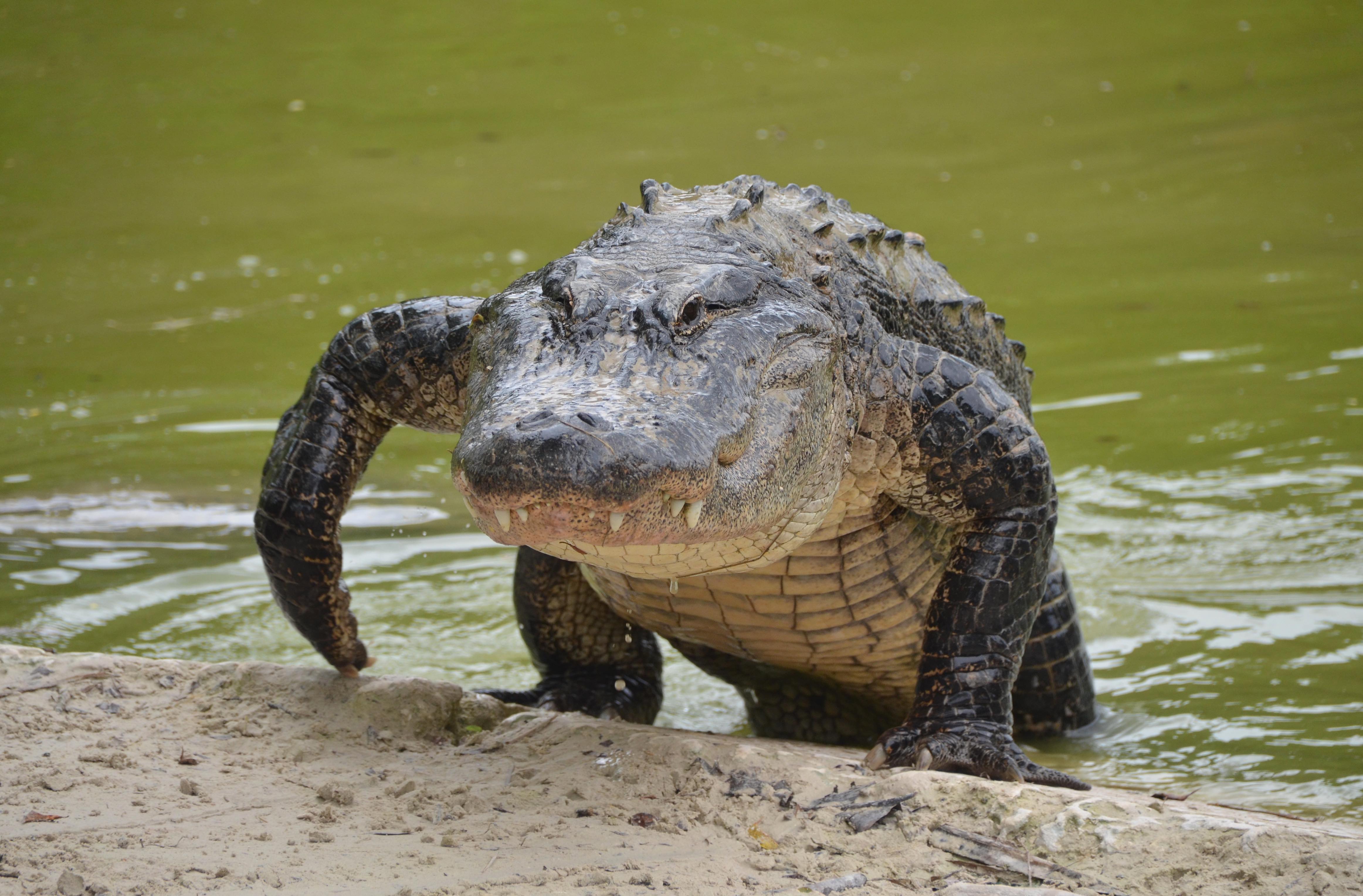
Alligator Encounters are Abundant
From the vast wilderness of the Everglades National Park to the quiet canals of residential neighborhoods, Florida offers a remarkable abundance of opportunities to see American alligators. By understanding where these fascinating reptiles are most likely to be found and by practicing responsible viewing habits, visitors can enjoy an unforgettable encounter with one of Florida’s most iconic residents, celebrating the wild spirit of the Sunshine State. Whether you’re embarking on a dedicated wildlife expedition or simply exploring the diverse landscapes, keep an eye on the water – you might just spot a pair of ancient eyes looking back.
LifeOutOfTheBox is a participant in the Amazon Services LLC Associates Program, an affiliate advertising program designed to provide a means for sites to earn advertising fees by advertising and linking to Amazon.com. Amazon, the Amazon logo, AmazonSupply, and the AmazonSupply logo are trademarks of Amazon.com, Inc. or its affiliates. As an Amazon Associate we earn affiliate commissions from qualifying purchases.