
Arizona, often celebrated for its breathtaking desert landscapes, ancient cultures, and iconic red rock formations, is a treasure trove for nature enthusiasts and history buffs alike. When considering a trip to this southwestern state, a common question arises: “How many national parks are in Arizona?” While the term “national park” is frequently used broadly, the National Park Service (NPS) maintains a specific classification system. Arizona is home to a magnificent collection of these federally protected areas, each offering unique travel experiences and insights into the nation’s natural and cultural heritage.
The Grand Total: A Diverse Array of National Treasures
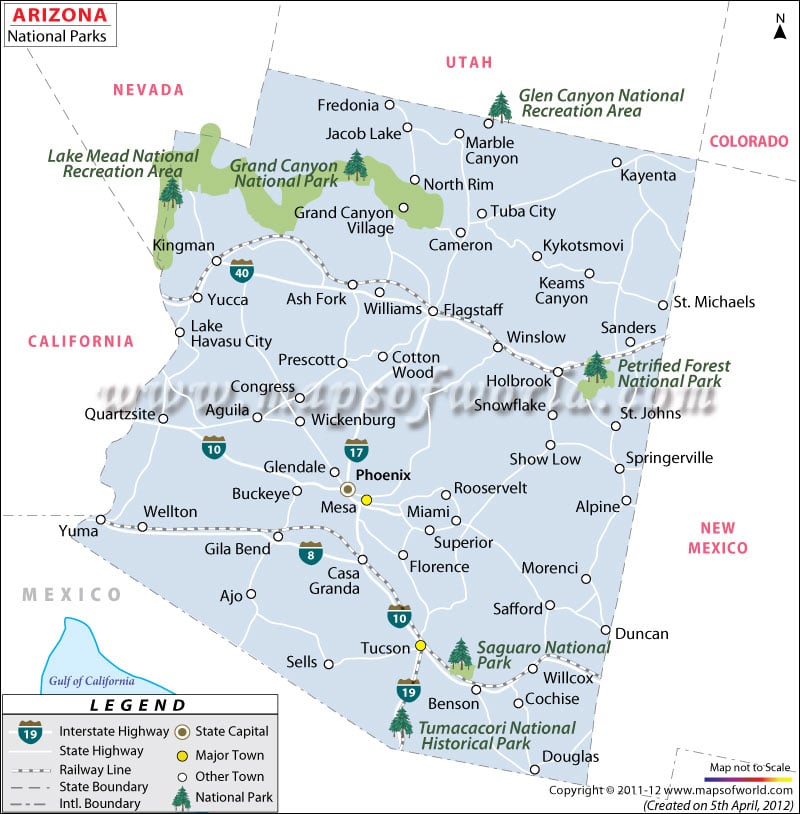
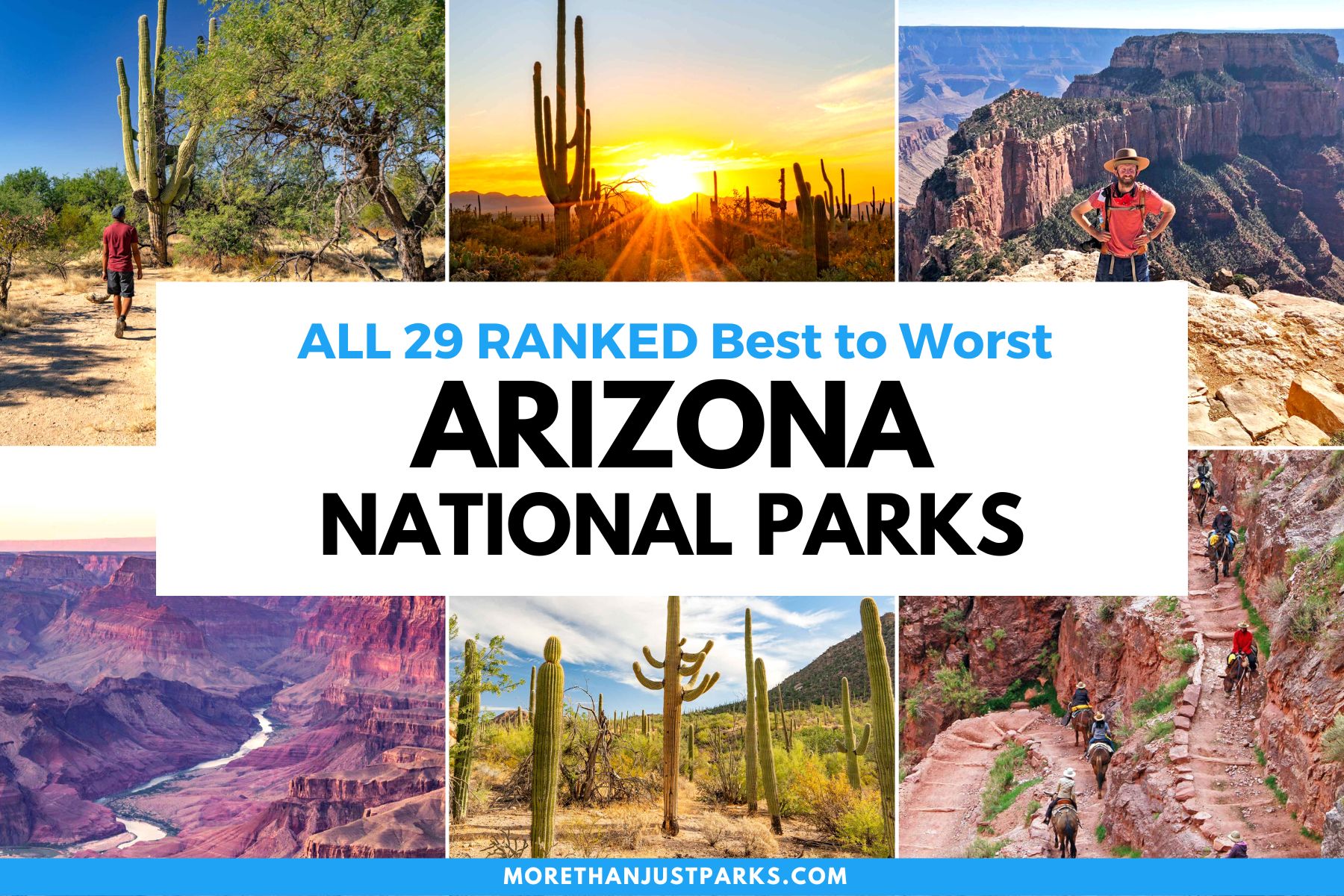
To answer the question precisely, Arizona is home to three designated National Parks: Grand Canyon National Park, Petrified Forest National Park, and Saguaro National Park. These three represent the pinnacle of natural beauty and ecological significance, earning them the esteemed “National Park” title.
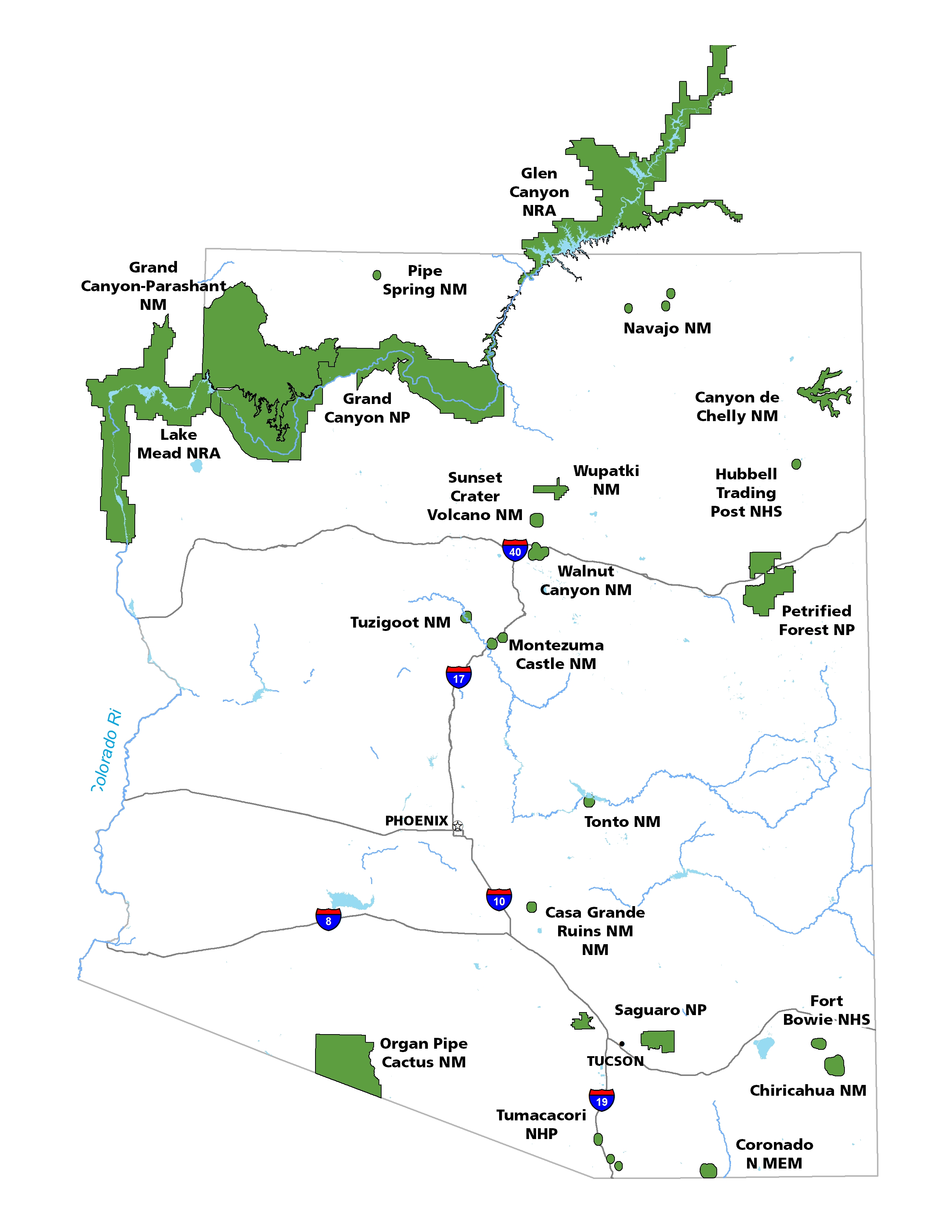
However, the allure of Arizona’s protected lands extends far beyond these three. The National Park Service also manages an impressive 19 other units within the state, encompassing a wide range of designations such as National Monuments, National Memorials, National Historical Parks, and National Recreation Areas. Each offers distinct travel opportunities, from exploring ancient cliff dwellings to hiking through vast wilderness or enjoying water-based activities. Understanding this distinction is key to fully appreciating the scope of Arizona’s national park system.
Iconic National Parks: Must-Visit Destinations
The three designated National Parks in Arizona stand out as premier travel destinations, drawing millions of visitors annually with their unparalleled beauty and unique ecosystems.
Grand Canyon National Park
Undoubtedly the most famous and awe-inspiring, Grand Canyon National Park is a UNESCO World Heritage site and a geological marvel. Carved by the Colorado River over millions of years, the Grand Canyon stretches for 277 miles, is up to 18 miles wide, and plunges over a mile deep. Visitors can explore the South Rim, which offers numerous viewpoints, visitor centers, and accessible trails like the Bright Angel Trail and South Kaibab Trail for those looking to venture below the rim. The North Rim, open seasonally, provides a different perspective with higher elevations and denser forests. Popular activities include hiking, mule rides, whitewater rafting on the Colorado River, and helicopter tours for panoramic views. The sheer scale and vibrant colors of the Grand Canyon make it an unforgettable travel experience, a testament to the raw power of nature.
Petrified Forest National Park
Located in northeastern Arizona, Petrified Forest National Park is a kaleidoscope of ancient wonders. This park is renowned for its vast deposits of colorful petrified wood, fossilized remains of ancient trees that lived here over 200 million years ago. Beyond the striking petrified logs, the park showcases the vibrant hues of the Painted Desert, badlands eroded into fantastic shapes, and significant archaeological sites including pueblo ruins and petroglyphs. The main 28-mile scenic drive offers access to numerous overlooks and short hiking trails like the Giant Logs Trail and Crystal Forest Trail. It’s a journey back in time, offering a glimpse into a prehistoric landscape and the processes of fossilization that preserved it.
Saguaro National Park
Split into two districts flanking the city of Tucson, Saguaro National Park is dedicated to preserving the iconic Saguaro cactus and the unique biodiversity of the Sonoran Desert. These towering cacti, some reaching heights of 50 feet and living for over 150 years, are a quintessential symbol of the American Southwest. The Rincon Mountain District (east) offers scenic drives, extensive hiking trails into a mountainous desert landscape, and beautiful overlooks. The Tucson Mountain District (west) is known for its denser Saguaro forests and historical petroglyph sites. Both districts provide exceptional opportunities for hiking, birdwatching, and experiencing the tranquil beauty of the desert, especially at sunrise or sunset when the cacti cast long, dramatic shadows.
Beyond the “National Park” Title: Other NPS Jewels in Arizona
While the three designated National Parks are major highlights, Arizona’s travel appeal is significantly amplified by its wealth of other National Park Service units. These sites offer diverse cultural, historical, and natural experiences, often with fewer crowds, making them fantastic additions to any Arizona itinerary.
National Monuments and Preserves
Arizona boasts an impressive collection of National Monuments, each preserving a specific natural wonder or historical site. The list includes:
- Canyon de Chelly National Monument: Located within the Navajo Nation, this monument preserves spectacular canyons, cliff dwellings, and a living cultural landscape.
- Sunset Crater Volcano National Monument: North of Flagstaff, it protects a volcanic cinder cone formed less than 1,000 years ago, offering otherworldly landscapes.
- Wupatki National Monument: Adjacent to Sunset Crater, this monument features several well-preserved pueblos and ruins of ancient peoples.
- Montezuma Castle National Monument: A remarkably preserved cliff dwelling built by the Sinagua people almost a millennium ago, showcasing impressive ancient architecture.
- Montezuma Well: A detached unit of Montezuma Castle, this natural limestone sinkhole holds a unique ecosystem.
- Tonto National Monument: Preserves two sets of Salado culture cliff dwellings in the Tonto Basin.
- Casa Grande Ruins National Monument: Protects a four-story adobe structure built by the Sonoran Desert people in the 14th century.
- Walnut Canyon National Monument: Near Flagstaff, it features numerous cliff dwellings built into the canyon walls.
- Chiricahua National Monument: Known as “Wonderland of Rocks,” this monument in southeastern Arizona protects a vast array of unique rock pinnacles and formations.
- Organ Pipe Cactus National Monument: Sharing a border with Mexico, this biologically rich park protects the unique organ pipe cactus and other desert flora and fauna.
- Hohokam Pima National Monument: While federally designated, this monument is not generally accessible to the public as it protects unexcavated ruins on tribal lands.
National Historical Parks and Sites
These sites delve deeper into Arizona’s rich past:
- Tumacácori National Historical Park: South of Tucson, this park preserves the ruins of three Spanish colonial missions, offering insights into the contact between native peoples and European settlers.
- Hubbell Trading Post National Historic Site: The oldest continuously operated trading post on the Navajo Nation, providing a glimpse into cross-cultural commerce.
National Recreation Areas
For those seeking water-based recreation and expansive landscapes:
- Lake Mead National Recreation Area: Spanning parts of Arizona and Nevada, it encompasses Lake Mead and Lake Mohave, offering boating, fishing, and hiking opportunities.
- Glen Canyon National Recreation Area: Shared with Utah, this vast area surrounds Lake Powell, a haven for houseboating, kayaking, and exploring stunning slot canyons.
Planning Your Arizona National Park Adventure
Visiting Arizona’s national parks and monuments is an unparalleled travel experience. To make the most of your adventure, consider these key tips:
- Best Time to Visit: Spring (March-May) and Fall (September-November) offer the most pleasant weather for hiking and exploration, avoiding the extreme heat of summer and potential snow at higher elevations in winter.
- Park Passes: If you plan to visit multiple National Park Service sites, consider purchasing an America the Beautiful Pass. It provides access to all federal recreation sites for a year and can save considerable money.
- Hydration is Key: The Arizona desert can be unforgiving. Always carry plenty of water, especially when hiking, and drink more than you think you need.
- Layered Clothing: Temperatures can fluctuate dramatically between day and night, and between different elevations. Dress in layers to adapt to changing conditions.
- Book Accommodations in Advance: Especially for popular parks like the Grand Canyon, lodging inside and near the park can book up months in advance.
- Leave No Trace: Practice the seven principles of Leave No Trace to help preserve these precious environments for future generations. Stay on marked trails, pack out all trash, and respect wildlife.
Maximizing Your Visit: Tips for an Unforgettable Experience
Beyond the basics, a few extra strategies can elevate your Arizona national park journey into something truly memorable:
- Embrace Early Mornings and Late Evenings: These times often offer cooler temperatures, softer light for photography, and fewer crowds. Sunrises and sunsets over the Grand Canyon, Petrified Forest, or among the Saguaros are breathtaking.
- Explore Beyond the Main Viewpoints: While popular spots are popular for a reason, venturing onto longer trails or less-frequented areas can lead to deeper solitude and unique discoveries. Always check with park rangers for trail conditions and safety information.
- Engage with Ranger Programs: Many parks offer free ranger-led talks, walks, and campfire programs that provide fascinating insights into the park’s natural and cultural history.
- Look Up at Night: Arizona’s vast open spaces and designated International Dark Sky Parks offer some of the best stargazing opportunities in the world.
- Allow for Flexibility: While planning is essential, be open to adjusting your itinerary based on weather, energy levels, or unexpected discoveries. Some of the best travel memories come from spontaneous detours.
Arizona’s national parks and monuments collectively offer an incredible tapestry of experiences, from geological wonders and ancient cultures to unique desert ecosystems. By understanding the breadth of these protected areas, travelers can craft an adventure that delves deep into the heart of the American Southwest.
LifeOutOfTheBox is a participant in the Amazon Services LLC Associates Program, an affiliate advertising program designed to provide a means for sites to earn advertising fees by advertising and linking to Amazon.com. Amazon, the Amazon logo, AmazonSupply, and the AmazonSupply logo are trademarks of Amazon.com, Inc. or its affiliates. As an Amazon Associate we earn affiliate commissions from qualifying purchases.