
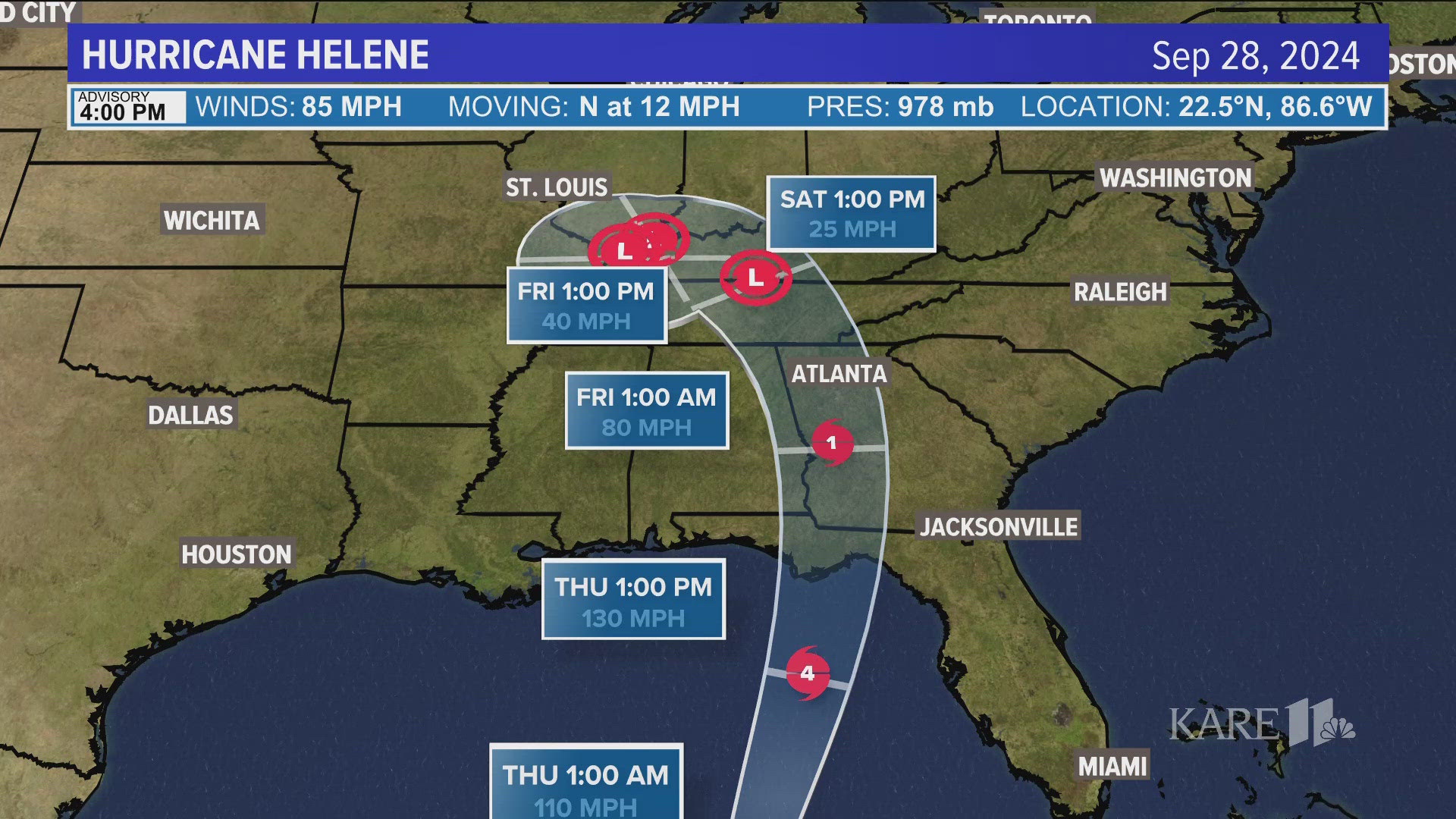
The approach of a major weather event like Hurricane Helene casts a long shadow over the Sunshine State, prompting urgent questions about potential landfall and the impact on its vibrant tourism sector. For travelers planning or currently enjoying a visit to Florida, understanding the projected path and potential consequences of such storms is not just a matter of safety, but also crucial for itinerary adjustments and ensuring a positive experience, even amidst unforeseen circumstances. This article aims to provide an insightful overview of how Hurricane Helene might affect the state, focusing on implications for travelers and the tourism industry.

Understanding Hurricane Tracks and Florida’s Vulnerability
Hurricanes are powerful, rotating storms that form over warm ocean waters. Their paths are notoriously difficult to predict with absolute certainty, often shifting due to complex atmospheric conditions. However, meteorologists utilize sophisticated models to forecast the most probable trajectory. For Florida, its extensive coastline makes it a frequent target for tropical cyclones. The state’s geography, with its peninsular shape and low-lying areas, amplifies its vulnerability.
Factors Influencing Hurricane Paths
Several key factors influence where a hurricane like Hurricane Helene might head. These include:
- Steering Currents: Large-scale atmospheric wind patterns, known as steering currents, are the primary drivers of hurricane movement. These can be influenced by high-pressure systems (like the Bermuda-Azores High) and low-pressure troughs.
- Ocean Temperatures: Warmer sea surface temperatures provide more energy for hurricanes, potentially intensifying them. The Atlantic Ocean and the Gulf of Mexico are critical in fueling storms that threaten Florida.
- Interaction with Landmasses: As a hurricane approaches or makes landfall, its interaction with land can disrupt its structure and alter its speed and direction.
For travelers to Florida, staying informed about these dynamics is essential. Official sources, such as the National Hurricane Center and local emergency management agencies, provide the most reliable and up-to-date information.
Potential Impact on Florida’s Tourism Landscape
Florida is a global tourism powerhouse, attracting millions of visitors annually to its world-renowned theme parks, pristine beaches, and diverse cultural attractions. A major hurricane can have significant repercussions for this vital industry.
Coastal Regions and Island Destinations
Coastal areas, from the Florida Keys to the Panhandle, are particularly at risk. Destinations like Miami, Fort Lauderdale, Orlando (though inland, it relies heavily on coastal tourism), Tampa, and Sanibel Island are all susceptible to storm surge, high winds, and heavy rainfall.
- Beach Closures and Evacuations: Popular beaches and associated attractions will likely be closed for safety reasons. Tourists may be advised or ordered to evacuate from vulnerable areas.
- Disruption to Accommodation and Activities: Hotels, resorts, and vacation rentals in the direct path may face temporary closures. Outdoor activities, boat tours, and theme park operations will be suspended.
- Infrastructure Damage: Storm surge and high winds can cause significant damage to infrastructure, including roads, bridges, and power lines, impacting accessibility and the ability of businesses to operate.
Inland Destinations
While inland cities like Orlando and Tampa may not experience direct storm surge, they are not immune to the impacts of a hurricane.
- Heavy Rainfall and Flooding: Extensive rainfall associated with hurricanes can lead to widespread inland flooding, disrupting transportation and potentially affecting attractions.
- Power Outages: Widespread power outages can affect hotels, restaurants, and attractions, impacting the visitor experience.
- Travel Disruptions: Airports may experience delays or cancellations, affecting flights into and out of the state. Road closures due to flooding or debris can also impede travel.
For tourism operators and businesses, preparing for such events involves robust emergency plans, including provisions for staff safety, property protection, and communication with guests.
Preparing for Hurricane Season as a Traveler
For those who travel to Florida, especially during the official hurricane season which runs from June 1 to November 30, proactive preparation is key.
Pre-Trip Planning and Travel Insurance
- Monitor Forecasts: Regularly check weather forecasts and advisories from reputable sources like the National Hurricane Center and local news outlets.
- Understand Cancellation Policies: Familiarize yourself with the cancellation and rebooking policies of airlines, hotels, and tour operators. Many offer flexible options during hurricane threats.
- Purchase Travel Insurance: Comprehensive travel insurance is highly recommended. It can cover non-refundable expenses if your trip is canceled or interrupted due to a hurricane, as well as provide coverage for emergency assistance and medical expenses. Look for policies that specifically mention “named storm” or “hurricane” coverage.
During Your Trip
- Stay Informed: Continue to monitor local weather updates and official advisories. Pay attention to any evacuation orders issued by local authorities.
- Heed Warnings: If authorities issue evacuation orders for your area, comply immediately. Your safety is the top priority.
- Have an Emergency Kit: Pack a basic emergency kit with essentials like water, non-perishable food, a flashlight, batteries, a first-aid kit, and any necessary medications.
- Secure Valuables: If you are in a vulnerable area, secure any outdoor furniture or items that could become projectiles in high winds.
Post-Storm Considerations
- Assess Travel Conditions: Before attempting to depart or travel to another location, confirm that roads are clear and safe and that transportation services are operating.
- Communicate with Accommodation: If your accommodation has been affected, stay in contact with the management to understand the situation and alternative arrangements.
- Be Patient: During and immediately after a storm, infrastructure may be compromised, and services may be limited. Patience and understanding are crucial.
Key Florida Destinations and Potential Scenarios
While specific landfall predictions are subject to change, understanding the general susceptibility of different regions can help in planning.
South Florida (Miami-Dade, Broward, Palm Beach Counties)
This densely populated region is a major international gateway. A direct hit could lead to widespread disruptions, impacting Miami International Airport, Fort Lauderdale-Hollywood International Airport, and the vibrant hospitality sector in Miami Beach and along the coast. Impacts would include significant storm surge along the coast, heavy rainfall inland, and power outages.
Central Florida (Orlando, Tampa Bay Area)
Orlando, home to world-famous theme parks like Walt Disney World Resort and Universal Orlando Resort, relies on a robust tourism infrastructure. While inland, it can still experience severe weather from hurricanes. The Tampa Bay area, including cities like Tampa and St. Petersburg, is vulnerable to storm surge and high winds, especially its coastal communities and barrier islands like Clearwater Beach.
Southwest Florida (Fort Myers, Naples)
This region, known for its beautiful beaches such as Sanibel Island and Captiva Island, is particularly exposed to the effects of hurricanes forming in the Gulf of Mexico. Storm surge and high winds can cause significant damage to coastal properties and natural habitats.

Northwest Florida (Panhandle, Pensacola, Destin)
The Florida Panhandle has a history of being impacted by powerful hurricanes. Communities like Pensacola, Destin, and Panama City Beach are susceptible to destructive winds, storm surge, and heavy rainfall, leading to extensive recovery efforts.
Regardless of the specific trajectory, Hurricane Helene serves as a stark reminder of the need for preparedness for anyone planning a trip to or residing in Florida. By staying informed, planning ahead, and prioritizing safety, travelers can better navigate the challenges posed by hurricane season and still have the opportunity to enjoy the many wonders Florida has to offer. The resilience of the state and its tourism industry is often tested, but with careful planning and community cooperation, recovery and a return to normal operations are always the ultimate goals.
LifeOutOfTheBox is a participant in the Amazon Services LLC Associates Program, an affiliate advertising program designed to provide a means for sites to earn advertising fees by advertising and linking to Amazon.com. Amazon, the Amazon logo, AmazonSupply, and the AmazonSupply logo are trademarks of Amazon.com, Inc. or its affiliates. As an Amazon Associate we earn affiliate commissions from qualifying purchases.