
As the Atlantic hurricane season gains momentum, anticipation and anxiety often grip coastal communities, particularly those in the path of potentially devastating storms. The approach of a hurricane like Milton necessitates a proactive and informed approach to travel planning, especially for those with existing or prospective trips to the Sunshine State. Understanding the potential trajectory of such a storm is crucial for making informed decisions about travel, accommodation, and experiencing the rich tapestry of Florida’s tourism offerings. This article aims to provide insights into how hurricane forecasts are typically communicated and what implications this has for travelers considering a visit to Florida.
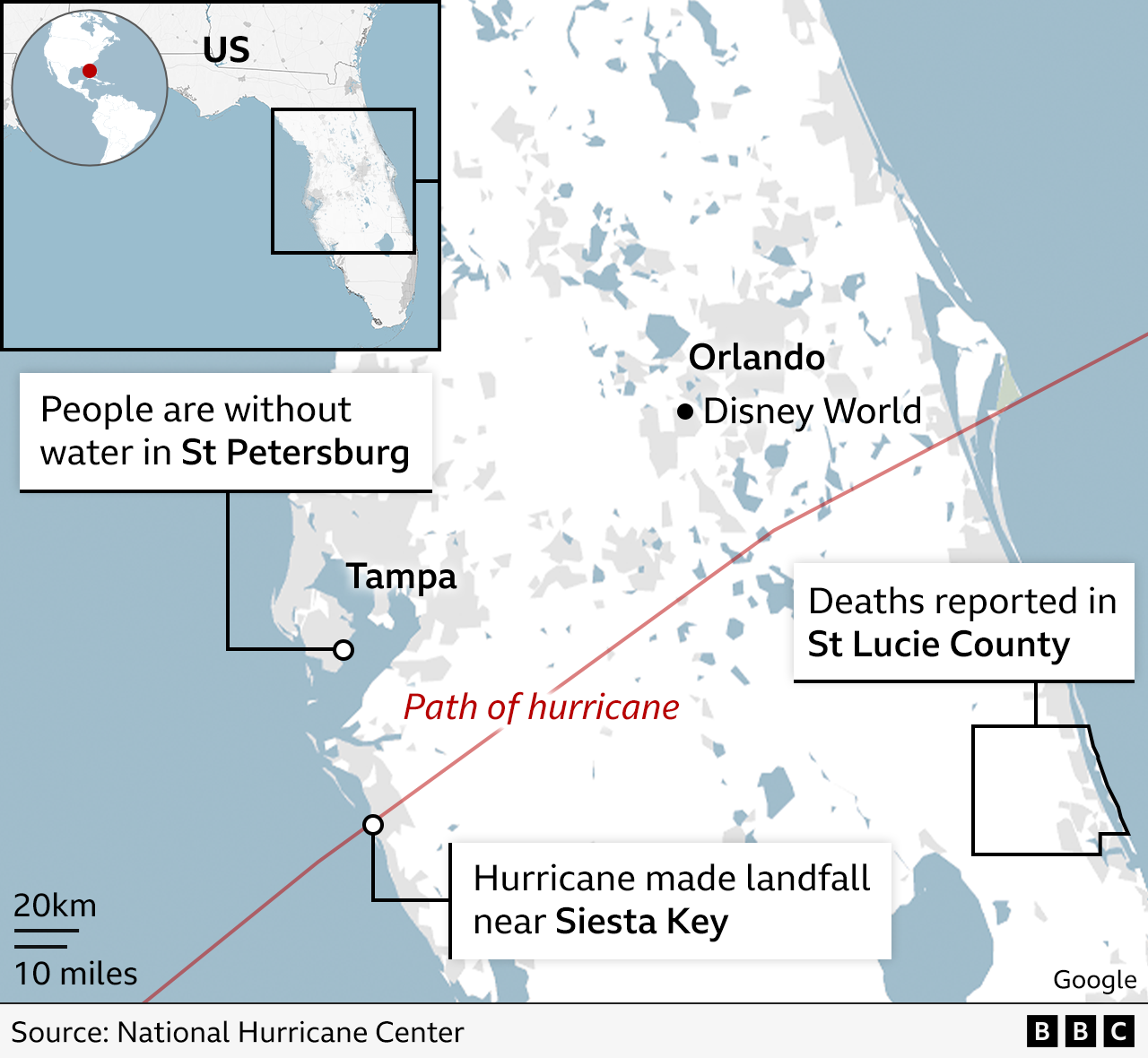
Understanding Hurricane Forecasting and its Impact on Travel
Hurricane forecasting is a complex scientific endeavor, relying on sophisticated modeling and continuous monitoring by meteorological agencies. The National Hurricane Center (NHC) is the primary authority for issuing advisories and predictions related to tropical cyclones in the Atlantic basin. Their forecasts typically include a projected path, intensity estimates, and the potential for storm surge, heavy rainfall, and high winds.
The Cone of Uncertainty: Navigating Probabilities
A key element of NHC advisories is the “cone of uncertainty.” This cone represents the area where the center of the storm is most likely to track, with the widest part of the cone indicating the greatest uncertainty further out in time. It’s vital for travelers to understand that the cone does not depict the full extent of a hurricane’s impact. Areas outside the cone can still experience significant wind, rain, and storm surge. For travel planning, this means that even if a specific city like Miami or Tampa is not directly in the center of the cone, it may still be subject to dangerous conditions.
Official Advisories and Traveler Responsibilities
When a hurricane threat arises, the NHC issues a series of advisories, including watches and warnings. A hurricane watch indicates that hurricane conditions are possible within the specified area, typically within 48 hours. A hurricane warning signifies that hurricane conditions are expected within the specified area, typically within 36 hours. Travelers should pay close attention to these alerts and the specific recommendations provided by local authorities. This includes monitoring official news sources, heeding evacuation orders if issued, and having a comprehensive emergency plan.
Pre-Trip Planning Amidst Hurricane Season
The period between June 1st and November 30th is officially recognized as the Atlantic hurricane season. For prospective travelers to Florida, this means incorporating hurricane preparedness into their travel planning. Proactive measures can significantly mitigate potential disruptions and ensure a safer travel experience.
Flexible Itineraries and Travel Insurance
Flexibility is paramount when planning a trip to Florida during hurricane season. Consider booking flights and accommodations with flexible cancellation policies. Many airlines and hotels offer waivers or the ability to rebook without penalty during significant weather events. Investing in comprehensive travel insurance that covers weather-related disruptions is also highly recommended. This can protect your investment in flights, lodging, and planned activities should your trip be canceled or interrupted by a hurricane.
Monitoring Forecasts from Reputable Sources
Before and during your trip, it is essential to monitor forecasts from reliable sources such as the National Hurricane Center, the National Weather Service, and local news outlets. These sources provide the most up-to-date and accurate information regarding storm development and projected paths. Avoid relying on unverified information or social media rumors, which can often be misleading.
Impact on Florida’s Premier Tourist Destinations
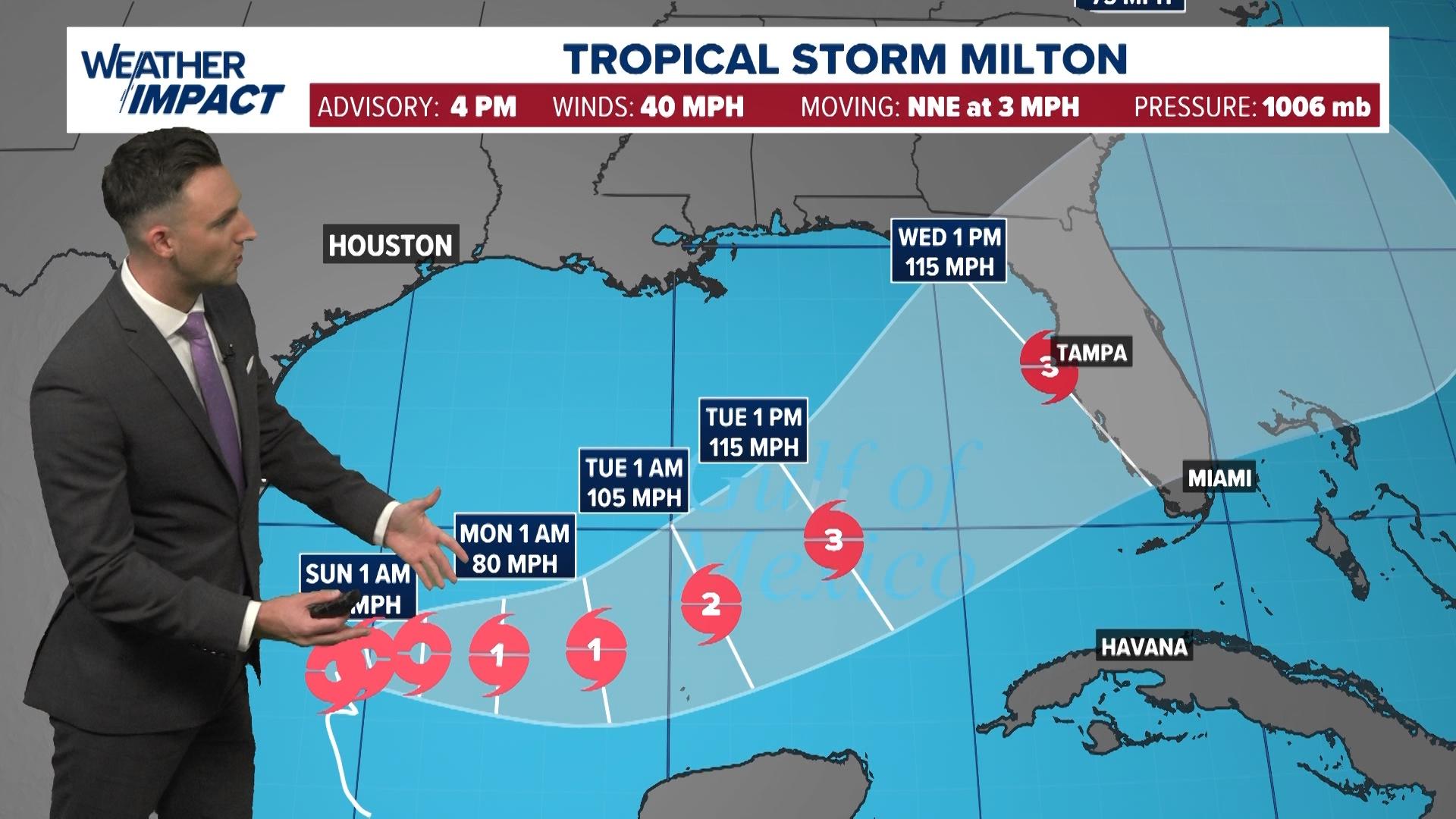
The potential impact of a hurricane like Milton on Florida’s diverse tourism landscape is a significant consideration for travelers. From the theme parks of Orlando to the pristine beaches of the Florida Keys, various attractions and experiences can be affected.
Theme Parks and Entertainment Venues
Major theme park destinations such as Walt Disney World Resort and Universal Orlando Resort have robust hurricane preparedness plans. They often close attractions and evacuate guests when weather conditions become dangerous, prioritizing guest safety. Information regarding operational status is usually communicated directly through their official websites and social media channels. Travelers with tickets to these venues should stay informed about any advisories issued by the parks themselves.
Coastal Attractions and Outdoor Activities
Coastal regions, including areas like St. Augustine and the Gulf Coast, are particularly vulnerable to storm surge and high winds. Beaches, boat tours, fishing charters, and other outdoor activities may be canceled or suspended for extended periods due to hazardous conditions and post-storm recovery efforts. Popular landmarks such as the Everglades National Park can also experience closures due to flooding and damage.
Accommodation and Evacuation Procedures
For those who have booked accommodations, such as hotels in Fort Lauderdale or vacation rentals in Naples, it is crucial to understand the property’s hurricane policy. Many hotels will offer refunds or rebooking options for guests whose travel is directly impacted by official evacuation orders. If an evacuation order is issued for your area, it is imperative to comply immediately. Local emergency management agencies will provide designated routes and shelters.
Making Informed Decisions for Your Florida Getaway
The prospect of a hurricane approaching Florida can create uncertainty for travelers. However, by understanding the forecasting process, heeding official advisories, and planning with flexibility in mind, individuals can still have safe and enjoyable travel experiences. The key is to remain informed, prioritize safety, and adapt plans as necessary.
Prioritizing Safety Above All Else
When faced with a hurricane threat, personal safety must be the absolute top priority. This means understanding the risks associated with your specific location, having a well-thought-out emergency plan, and being prepared to change your travel plans at a moment’s notice. Whether you are planning to visit the vibrant city of Jacksonville or explore the historic charm of Key West, staying informed and following the guidance of emergency officials is paramount.
The Role of Local Tourism Boards and Authorities
Local tourism boards and emergency management agencies play a vital role in disseminating information during hurricane events. Websites and social media channels managed by these entities often provide specific guidance for visitors, including information on evacuation routes, shelter locations, and the status of local attractions and services. Staying connected with these official channels is an essential part of responsible travel planning during hurricane season.

Post-Storm Travel Considerations
In the aftermath of a hurricane, travel to affected areas may be challenging due to infrastructure damage, power outages, and ongoing recovery efforts. While the spirit of resilience often shines through in Florida, travelers should be aware that many businesses, attractions, and transportation networks may be temporarily closed or operating with limited capacity. Patience and understanding are crucial for those traveling to impacted regions as communities work to rebuild and restore normalcy. Ultimately, preparedness and a vigilant approach to information are the cornerstones of navigating hurricane season and enjoying the best of what Florida has to offer.
LifeOutOfTheBox is a participant in the Amazon Services LLC Associates Program, an affiliate advertising program designed to provide a means for sites to earn advertising fees by advertising and linking to Amazon.com. Amazon, the Amazon logo, AmazonSupply, and the AmazonSupply logo are trademarks of Amazon.com, Inc. or its affiliates. As an Amazon Associate we earn affiliate commissions from qualifying purchases.