
The very mention of a tsunami often conjures images of catastrophic waves devastating distant shores – the Indian Ocean in 2004, or Japan in 2011. For many who dream of sunny getaways to the Sunshine State, the question of whether a tsunami poses a realistic threat to Florida is a significant one, impacting travel planning and peace of mind. While the geological setting of Florida makes it an unlikely candidate for the massive, earthquake-generated tsunamis common in the Pacific Ring of Fire, understanding the nuances of tsunami formation and potential rare scenarios is crucial for comprehensive travel advice.

Understanding Tsunami Formation and Florida’s Unique Geology
Tsunamis are a series of powerful ocean waves typically caused by large-scale underwater disturbances. The most common triggers include:
- Subduction Zone Earthquakes: Where one tectonic plate slides beneath another, immense pressure can build and release suddenly, displacing vast volumes of water. The Pacific Ocean’s rim, with its active subduction zones, is the most frequent source of these devastating events.
- Underwater Landslides: Large masses of earth collapsing into the ocean can also generate significant wave action.
- Volcanic Eruptions: Submarine volcanic explosions can displace water, and flank collapses of coastal volcanoes can send massive debris into the sea.
- Meteorite Impacts: Though exceedingly rare, a large meteorite striking the ocean could create a tsunami.
Florida occupies a geologically stable position on the North American tectonic plate. It is situated far from active subduction zones. Its bedrock is composed of ancient, stable continental crust, unlike the seismically active margins of the Pacific. This fundamental geological difference is the primary reason why Florida is not prone to tsunamis generated by tectonic plate movement, the most common and destructive type. The state’s extensive coastline, while beautiful and a draw for tourists, is not located above a region where the seafloor can dramatically shift due to seismic activity.
The Role of Tectonic Plates
The North American plate, upon which Florida rests, is characterized by relatively low seismic activity compared to plate boundaries. The Mid-Atlantic Ridge is a distant divergent boundary, and while it causes some seismic events, these are typically moderate and do not have the potential to generate tsunamis that would reach Florida’s shores. The absence of subduction zones offshore means the primary mechanism for large tsunami generation is absent. This geological stability is a key factor differentiating Florida from many other coastal destinations around the world.
Comparing Coastal Vulnerabilities
To truly grasp Florida’s low tsunami risk, it’s helpful to compare it to regions with higher vulnerabilities. Coastal areas along the Pacific Ocean, such as the west coasts of the United States, Chile, and Peru, as well as countries like Japan and the Philippines, are situated on or near subduction zones. These areas experience frequent and powerful earthquakes capable of triggering tsunamis. Similarly, the Mediterranean Sea, while not as active as the Pacific, has areas with seismic risk that can produce localized tsunamis. Florida’s position on a continental platform, far from these active boundaries, significantly mitigates its risk from earthquake-induced tsunamis.
Rare but Possible Scenarios: Distant Tsunamis and Other Phenomena
While the risk of a locally generated tsunami is virtually nil, the theoretical possibility of a tsunami reaching Florida from a distant event cannot be entirely dismissed, though the likelihood remains extremely low and the impact would be significantly reduced.
Trans-Oceanic Wave Propagation
Very large, powerful tsunamis generated by massive earthquakes or other catastrophic events in the Atlantic Ocean could, in theory, travel across the ocean basin and affect coastal regions, including Florida. However, the vast distance and the behavior of tsunamis as they travel across deep oceans would mean that by the time such a wave reached Florida, it would likely be significantly diminished in height and energy. Tsunami waves lose energy as they dissipate across wide expanses of water. Moreover, the shape of the Atlantic Ocean basin and the continental shelf off the coast of Florida are not conducive to amplifying such distant waves.
Meteorite Impacts and Extreme Events
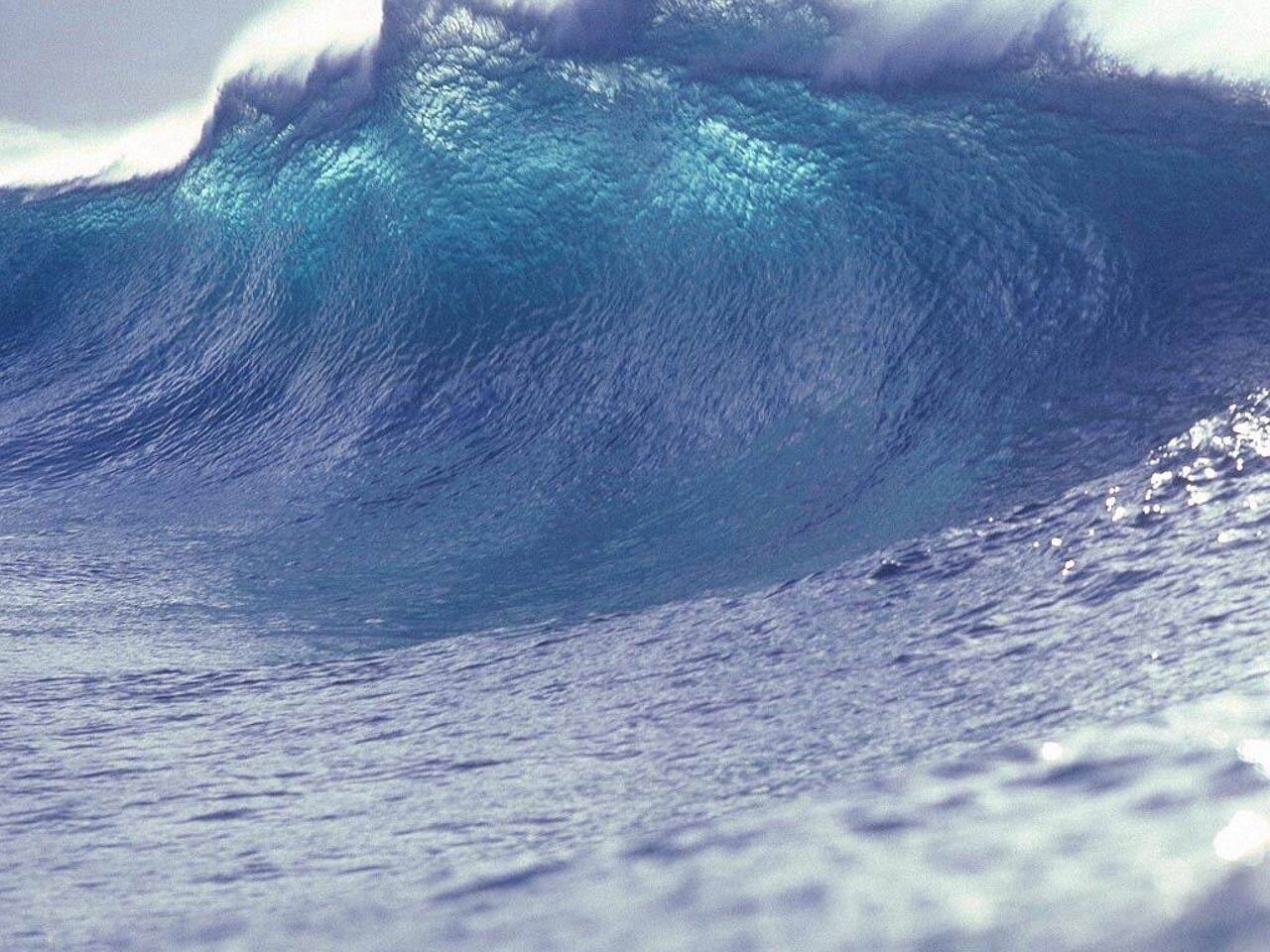
The most extreme, albeit astronomically improbable, scenario involves a large meteorite impact in the Atlantic Ocean. Such an event could generate a colossal tsunami capable of impacting coastlines worldwide. However, the probability of such an impact occurring within a human lifetime, or even over millennia, is vanishingly small. These are not factors that typically influence travel advisories for Florida.
Localized Wave Generation: Landslides and Storm Surges
While not technically tsunamis, other phenomena can cause significant coastal flooding that might be confused with tsunami impacts.
- Underwater Landslides: Although rare in the near-shore waters of Florida, large underwater landslides occurring on the continental slope further offshore could theoretically generate localized waves. However, the distance and the nature of the continental shelf would likely dissipate any such wave before it reached the coast with significant force.
- Storm Surges: This is the most relevant and significant threat to Florida’s coastlines, and it is often mistaken for a tsunami. Storm surges are abnormal rises of water generated by a storm (such as a hurricane) over and above the predicted astronomical tide. Powerful winds and low atmospheric pressure associated with hurricanes push ocean water ashore, causing dramatic and dangerous flooding. These events are much more common and pose a far greater risk to Florida than tsunamis. When residents or visitors experience severe coastal flooding in Florida, it is almost invariably due to a hurricane-induced storm surge.
Tourist Safety and Preparedness in Florida
Given Florida’s very low tsunami risk, tourists can generally enjoy the state’s beautiful beaches and coastal attractions with a high degree of confidence regarding this specific natural hazard. The primary focus for safety on Florida’s coast is preparedness for hurricanes and their associated storm surges.
Understanding Storm Surge Warnings
It is crucial for travelers to understand the difference between tsunami warnings and hurricane storm surge warnings. Tsunami warning systems are designed to detect seismic activity and quickly alert coastal communities. Florida is covered by the National Weather Service‘s tsunami warning system, which would issue alerts for the continental U.S. if a credible threat were detected. However, these alerts are exceedingly rare for Florida.
In contrast, hurricane warnings and storm surge advisories are regularly issued during hurricane season (June 1st to November 30th). These warnings are critical for ensuring safety. Visitors staying in coastal accommodations, such as the various hotels and resorts along the Atlantic Coast or the Gulf Coast, should always familiarize themselves with local evacuation routes and emergency plans provided by their lodging. Many hotels, like the Fontainebleau Miami Beach or the Oceanside Inn Beachfront Resort, have robust emergency protocols in place.
Natural Attractions and Coastal Awareness
Florida boasts numerous stunning natural attractions, from the coral reefs of the Florida Keys to the vast Everglades. While these offer incredible experiences, coastal awareness is always paramount. Visitors enjoying activities like snorkeling at John Pennekamp Coral Reef State Park or relaxing on the sands of Clearwater Beach should be mindful of changing weather conditions. Rip currents, tidal changes, and indeed, storm surges, are more pertinent concerns than tsunamis. Always heed the advice of lifeguards and local authorities regarding sea conditions.
Packing and Planning Essentials
When planning a trip to Florida, especially during hurricane season, it’s wise to pack essentials that cater to potential weather disruptions. This includes items like a portable weather radio, extra batteries, and any necessary medications. While a tsunami kit is not a standard recommendation for Florida, preparedness for tropical weather events is. Travelers should also review their travel insurance policies to understand coverage for weather-related cancellations or interruptions. Many visitors choose to stay in hotels or vacation rentals in areas like Orlando or Tampa, which are further inland and thus less susceptible to storm surge impacts, though still subject to severe weather.

Conclusion: Peace of Mind for Florida Travelers
In conclusion, the direct and catastrophic tsunami threat that impacts other parts of the world is not a significant concern for Florida. Its geological stability renders it virtually immune to the most common causes of tsunamis. While theoretical, exceedingly rare scenarios exist, they are not a practical consideration for the vast majority of travelers.
The real focus for coastal safety in Florida lies in understanding and preparing for the much more frequent and impactful threat of hurricanes and their associated storm surges. By staying informed about weather advisories, following local guidance, and choosing accommodations with strong emergency plans, travelers can confidently enjoy the unparalleled beauty and attractions that Florida has to offer, with the knowledge that their safety regarding seismic sea waves is exceptionally well-assured. So, as you plan your visit to places like Miami, Orlando, or the pristine beaches of the Gulf Coast, you can largely set aside concerns about tsunamis and instead focus on the sunshine, culture, and diverse experiences the state provides.
LifeOutOfTheBox is a participant in the Amazon Services LLC Associates Program, an affiliate advertising program designed to provide a means for sites to earn advertising fees by advertising and linking to Amazon.com. Amazon, the Amazon logo, AmazonSupply, and the AmazonSupply logo are trademarks of Amazon.com, Inc. or its affiliates. As an Amazon Associate we earn affiliate commissions from qualifying purchases.