
Mayo, Florida, a small but historically significant community nestled in Lafayette County, offers a glimpse into the enduring charm of rural America. While not a bustling metropolis or a widely advertised tourist hotspot, Mayo possesses a unique character shaped by its agricultural roots, local traditions, and a palpable sense of community. For travelers seeking an authentic experience away from the typical tourist circuits, understanding Mayo’s location and what it offers can unlock a rewarding detour. This exploration delves into Mayo’s geographical positioning, its historical significance, and the subtle allure that draws those in the know to its quiet corner of the Sunshine State.

Geographical Positioning and Connectivity
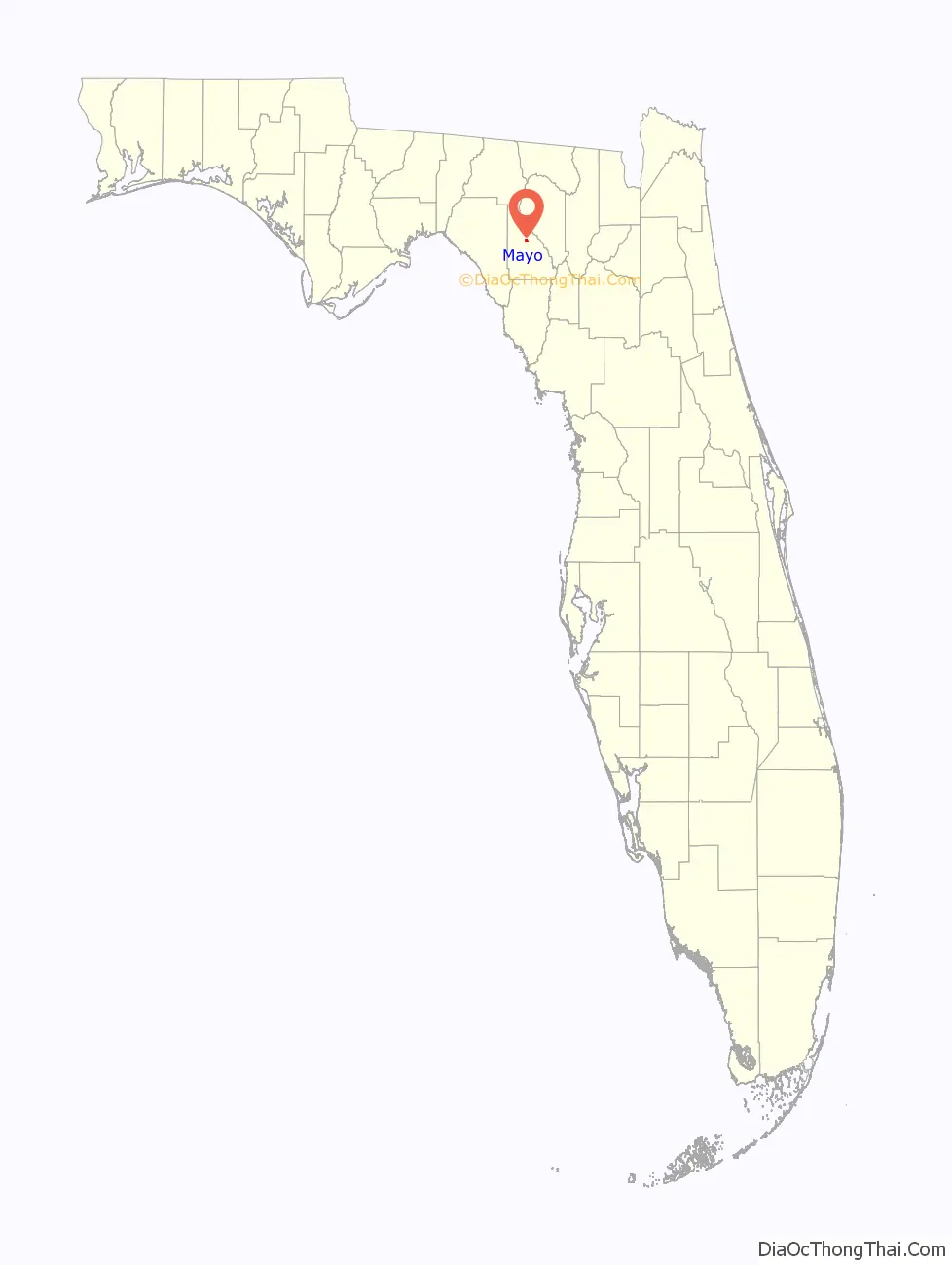
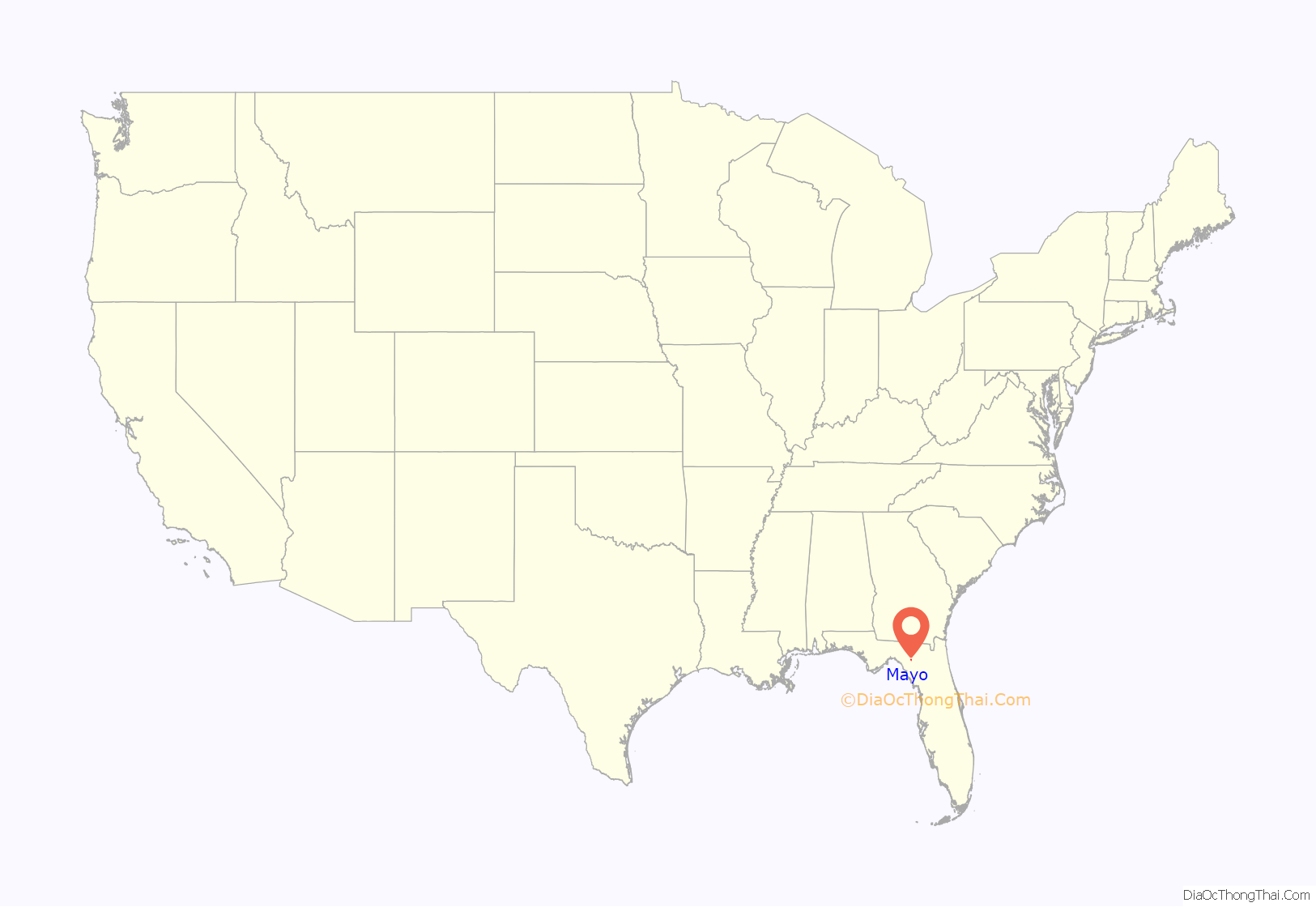
Mayo is situated in the northwestern part of Florida, a region often characterized by its rolling hills, pine forests, and agricultural landscapes, distinct from the sandy beaches and theme parks of South Florida. Specifically, Mayo serves as the county seat of Lafayette County, placing it at the administrative heart of this largely rural expanse.
Proximity to Major Hubs and Roadways
While Mayo itself is a tranquil town, its accessibility is facilitated by its strategic location relative to larger cities and key transportation arteries. The town is bisected by US Highway 27, a significant north-south route that connects it to larger cities like Tallahassee to the north and Gainesville to the south. These cities, approximately an hour and a half’s drive away, serve as the nearest major airports and commercial centers for residents and visitors of Mayo.
US Highway 19/98 also runs concurrently through the area, providing access to the Gulf Coast region to the west, including towns like Perry and further south towards Crystal River. This network of highways ensures that Mayo, while secluded, is not entirely isolated, allowing for relatively easy ingress and egress for those exploring the less-traveled paths of North Florida.
Natural Surroundings and Regional Landscape
The landscape surrounding Mayo is predominantly agricultural, with vast tracts of land dedicated to cattle ranching, timber production, and small-scale farming. The topography is characterized by gentle undulations, punctuated by pine and oak forests, and crisscrossed by numerous creeks and small rivers, many of which feed into larger waterways like the Suwannee River system further east. This natural beauty forms the backdrop for Mayo and contributes to its peaceful, bucolic atmosphere. The closest significant natural attractions include the O’Leno State Park and the Ichetucknee Springs State Park, both renowned for their pristine natural springs and recreational opportunities, lying within a reasonable driving distance.
Historical Context and Community Heritage
Mayo’s identity is deeply intertwined with its history, reflecting the broader narrative of settlement and development in North Florida. The town’s origins can be traced back to the early 19th century, evolving from a small settlement into a community that, for a time, played a role in regional commerce.
Founding and Early Development
The area that is now Mayo was first settled by pioneers drawn by the fertile land and abundant timber resources. The town officially became the county seat of Lafayette County in 1856, solidifying its administrative importance. It was named after an early settler, General John Mayo, a figure significant in the region’s early history. The development of Mayo was closely tied to the timber industry, with sawmills and logging operations forming the backbone of its economy for many years. The arrival of railroads in the late 19th and early 20th centuries further facilitated the transport of timber and agricultural products, contributing to the town’s growth.
Agricultural Legacy and Economic Evolution
Agriculture has always been a cornerstone of the Mayo and Lafayette County economy. While logging played a crucial role in the past, the region’s agrarian roots remain strong. Cattle ranching is a significant industry, with sprawling ranches dotting the landscape. Small farms continue to cultivate various crops, contributing to the local economy and the picturesque scenery. The economic evolution of Mayo has mirrored that of many rural American towns, transitioning from primary resource extraction and agriculture to a more diversified, though still modest, local economy. The town today relies on small businesses, local services, and agricultural endeavors.
Local Landmarks and Historical Markers
While Mayo is not replete with grand historical monuments, it possesses a quiet charm embodied in its historic downtown area and surrounding agricultural estates. The Lafayette County Courthouse stands as a central architectural feature, representing the town’s civic identity. Scattered throughout the county are remnants of its past, including old farmhouses, historic cemeteries, and the natural beauty that first attracted settlers. These elements, though understated, contribute to Mayo’s authentic historical narrative, inviting those who appreciate the echoes of a bygone era.
Experiencing Mayo: Beyond the Map
For the curious traveler, Mayo offers an experience rooted in authenticity rather than manufactured attractions. It’s a place to slow down, connect with the local rhythm, and appreciate the simple pleasures of rural life. While there aren’t conventional tourist resorts or theme parks, the appeal lies in its genuine community and the surrounding natural environment.
Local Culture and Community Spirit
The heart of Mayo lies in its close-knit community. Life here moves at a different pace, characterized by neighborly interactions and a strong sense of local pride. Visitors often find the residents to be welcoming and open, eager to share insights about their town and its way of life. The local culture is deeply influenced by its agricultural heritage and the traditions of North Florida. Annual events, though perhaps small in scale, serve as important community gatherings that offer a window into local customs and social life.
Outdoor Activities and Natural Exploration
The natural beauty surrounding Mayo provides ample opportunities for outdoor enthusiasts. The numerous creeks and rivers offer chances for fishing and kayaking, though often in more secluded, less developed areas than those found in more popular tourist destinations. The vast forests are ideal for hiking and wildlife viewing, with species like white-tailed deer, wild turkeys, and various bird species commonly found in the region. Nearby state parks, such as O’Leno State Park and Ichetucknee Springs State Park, are within a short drive and offer more structured access to the area’s natural wonders, including opportunities for swimming, canoeing, and picnicking in pristine spring-fed waters.
Local Flavors and Dining
While Mayo is not a culinary destination in the traditional sense, it offers a taste of genuine Southern comfort food. Local diners and eateries, often family-owned, serve up hearty meals that reflect the region’s agricultural bounty. Expect classic Southern dishes, often featuring locally sourced ingredients. This provides an authentic dining experience that is a world away from chain restaurants and fast-food establishments. For those seeking a more extensive culinary experience, the cities of Gainesville and Tallahassee are within driving distance and offer a wider array of dining options.
Practical Considerations for Visitors
For those planning a visit to Mayo, understanding the practical aspects of this unique destination is key to a fulfilling experience. It’s a place that rewards preparation and an appreciation for its understated charm.
Accommodation Options
Accommodation in Mayo itself is limited, primarily consisting of smaller, independent motels or vacation rentals. For travelers seeking more options, particularly those looking for resorts or larger hotels, it is advisable to look to larger nearby cities such as Gainesville or Tallahassee. These cities offer a wider range of hotels, from budget-friendly to more upscale establishments, catering to diverse needs and preferences. However, for those who wish to immerse themselves fully in the Mayo experience, seeking out local bed and breakfasts or vacation homes can provide a more intimate connection with the community.
Best Times to Visit
The best times to visit Mayo largely depend on individual preferences regarding weather and activities. Spring (March to May) and Fall (September to November) offer the most pleasant weather, with mild temperatures and lower humidity, making outdoor activities more enjoyable. These seasons also often coincide with local agricultural cycles and community events. Summer (June to August) can be hot and humid, typical of Florida weather, which might be less ideal for extensive outdoor exploration but still suitable for enjoying the natural springs. Winter (December to February) is generally mild and can be a peaceful time to visit, offering a respite from colder climates elsewhere.
Essential Travel Tips
When visiting Mayo, embracing a slower pace is essential. This is not a destination for rushing; it’s a place to savor the quietude and the genuine interactions. It’s advisable to plan your itinerary in advance, especially if you intend to visit specific natural attractions or dining establishments, as services might be limited compared to urban areas. While mobile phone service is generally available, it can be spotty in more remote areas surrounding the town. Bringing a physical map or downloading offline maps can be beneficial. Finally, engaging with the local community with respect and curiosity will undoubtedly enrich the travel experience, offering insights and warmth that are the true treasures of Mayo, Florida.
LifeOutOfTheBox is a participant in the Amazon Services LLC Associates Program, an affiliate advertising program designed to provide a means for sites to earn advertising fees by advertising and linking to Amazon.com. Amazon, the Amazon logo, AmazonSupply, and the AmazonSupply logo are trademarks of Amazon.com, Inc. or its affiliates. As an Amazon Associate we earn affiliate commissions from qualifying purchases.