
Navigating the process of obtaining a roofing license in Florida can seem complex, but with a clear understanding of the requirements and steps involved, aspiring roofing contractors can successfully establish their businesses. This guide will break down the essential elements, from understanding license types to fulfilling educational and examination prerequisites, ensuring a smooth path to operating legally and professionally within the Sunshine State.
Understanding Roofing License Classifications in Florida
In Florida, roofing contractors are regulated by the Florida Department of Business and Professional Regulation (DBPR). The primary license category for roofing professionals is the Certified Roofing Contractor. This designation allows you to contract for roofing work anywhere in the state, regardless of project value.

The Certified Roofing Contractor License
To become a Certified Roofing Contractor, you must demonstrate a high level of competency and experience. This license is the most comprehensive and is typically what professionals aim for if they intend to operate a large-scale roofing business. It signifies that you have met stringent requirements set by the state.
Registered vs. Certified Licenses
It’s important to distinguish between a certified license and a registered license. A certified license is recognized statewide. A registered license, on the other hand, is typically issued at the local county or city level and is only valid within that specific jurisdiction. While a registered license may allow you to perform roofing work in a particular area, obtaining a certified license offers far greater flexibility and market reach throughout Florida. For the purposes of establishing a substantial and widespread roofing business, the Certified Roofing Contractor license is the ultimate goal.
Specialty Licenses
While the Certified Roofing Contractor license covers most roofing activities, there might be specific niche areas or highly specialized types of roofing work that could fall under different, or additional, specialty licenses. However, for general roofing operations, the Certified Roofing Contractor license is the standard.
Eligibility Requirements for a Florida Roofing License
Meeting the eligibility criteria is the first hurdle in obtaining your Florida roofing license. These requirements are designed to ensure that only qualified individuals undertake roofing projects, thereby protecting consumers and maintaining industry standards. The key components of eligibility revolve around experience, financial stability, and a clean background.
Work Experience and Financial Stability
The state mandates a minimum amount of relevant experience in the roofing or construction industry. Typically, this is four years of experience as a contractor, a registered or certified contractor, a foreman, supervisor, or a college degree in a related field, which can substitute for some experience. This experience must be demonstrable and verifiable.
In addition to experience, applicants must prove financial stability. This often involves demonstrating that you have sufficient working capital to undertake projects without financial distress. This is usually assessed through a financial stability questionnaire and a credit report. The state wants to ensure that your business is financially sound and capable of completing contracts.
Insurance and Bonding Requirements
Operating a roofing business legally in Florida necessitates obtaining specific insurance policies and, in some cases, a surety bond. These are crucial for protecting your clients and your business.
Liability Insurance
General liability insurance is a must. This policy protects your business from claims of bodily injury or property damage that may occur as a result of your operations. The amount of coverage required can vary, but it’s essential to have adequate protection.
Workers’ Compensation Insurance
If you plan to hire employees, workers’ compensation insurance is legally required in Florida. This insurance covers medical expenses and lost wages for employees who are injured on the job.
Surety Bond
Depending on the nature and size of your projects, you may be required to obtain a surety bond. A surety bond is a three-party contract where the surety company guarantees to the client (obligee) that the contractor (principal) will complete the job according to the contract. This provides an added layer of financial security for consumers.
Background Check and Good Character
Applicants may be subject to a background check. Any significant criminal history, particularly related to fraud, theft, or other dishonest acts, could impact your ability to obtain a license. The DBPR assesses applicants based on their overall record and trustworthiness.
The Application Process and Examinations
Once you’ve confirmed your eligibility, the next step involves submitting a formal application and passing required examinations. This is where the details of your experience and qualifications are officially reviewed.
Submitting Your Application

The application for a Certified Roofing Contractor license is submitted to the Florida DBPR. You will need to complete all sections of the application accurately and provide supporting documentation. This documentation will include proof of experience, financial statements, insurance certificates, and any other required forms.
Required Documentation
- Proof of Experience: Sworn affidavits from former employers or clients detailing your work history.
- Financial Stability: Credit reports, financial statements, or other evidence of financial soundness.
- Insurance Certificates: Proof of current liability and workers’ compensation insurance.
- Surety Bond: If applicable, documentation for your surety bond.
- Business Entity Information: If you are forming a corporation or LLC, you’ll need to provide details about your business entity.
Application Fees
There are fees associated with submitting your application and for the examinations. These fees help cover the administrative costs of the licensing process. It’s crucial to check the current fee schedule on the DBPR website, as these amounts can change.
The Business and Finance Examination
All contractors applying for certification in Florida must pass the Contractor Business and Finance Examination. This exam tests your knowledge of business management, financial principles, accounting, project management, labor laws, and other essential business practices relevant to running a contracting company.
The Roofing Trade Knowledge Examination
In addition to the business and finance exam, you must also pass a trade-specific examination focused on roofing. This exam will cover a wide range of technical subjects related to the roofing trade, including:
- Roofing Materials: Understanding different types of roofing materials (asphalt shingles, metal, tile, EPDM, TPO, etc.), their properties, installation methods, and limitations.
- Building Codes and Standards: Knowledge of Florida Building Code requirements, local amendments, and industry standards (e.g., ASTM standards).
- Safety Practices: OSHA regulations and best practices for job site safety, including fall protection and ladder safety.
- Roof Systems Design and Installation: Principles of roof design, ventilation, drainage, and proper installation techniques for various roof types.
- Waterproofing and Flashing: Techniques for preventing water intrusion and ensuring effective flashing around penetrations and transitions.
- Estimating and Specifications: Ability to interpret plans, specifications, and to prepare accurate cost estimates.
- Repair and Maintenance: Procedures for diagnosing and rectifying common roofing problems.
The trade examination is designed to assess your practical understanding and technical expertise in all facets of roofing work.
Preparing for Your Exams
Passing the required examinations is a critical step toward obtaining your roofing license. Effective preparation can significantly increase your chances of success.
Study Materials and Resources
Several resources are available to help you prepare for the Florida roofing contractor exams. These include:
- Official Study Guides: The DBPR may provide study guides or reference lists for the examinations. These are invaluable as they outline the topics covered and often list the specific books and codes you’ll need to reference.
- Contractor Exam Prep Courses: Many private companies offer specialized courses designed to help contractors pass the state licensing exams. These courses often provide comprehensive study materials, practice exams, and classroom or online instruction. They can be particularly helpful in understanding the exam format and key concepts.
- Reference Books: The examinations are typically “open book,” meaning you can bring specific reference materials into the testing center. It is crucial to obtain the exact editions of codes and books recommended by the DBPR for the exams. These often include the Florida Building Code, OSHA regulations, and specific roofing handbooks.
- Practice Exams: Taking practice exams is one of the most effective ways to gauge your readiness and identify areas where you need further study. Many prep courses include extensive practice exams, and some online resources offer them as standalone products.
Exam Logistics and Strategies
- Schedule Your Exams: Once your application is approved, you will be notified on how to schedule your examinations. It is advisable to schedule them as soon as possible to maintain momentum.
- Understand the Exam Format: Familiarize yourself with the exam format, including the number of questions, time limits, and passing score. This will help you manage your time effectively during the actual test.
- Active Recall and Practice: Don’t just passively read study materials. Engage in active recall techniques, such as summarizing chapters, creating flashcards, and teaching the material to someone else.
- Focus on Weak Areas: After taking practice exams, identify your weak areas and dedicate more study time to those topics.
- Time Management During the Exam: During the exam, read each question carefully. If you are unsure about an answer, flag it and move on, returning to it later if time permits. Avoid spending too much time on any single question.
Maintaining Your Florida Roofing License
Obtaining your roofing license is a significant achievement, but it’s not the end of your responsibilities. Ongoing compliance with state regulations is essential to keep your license active and your business legitimate.
Continuing Education Requirements
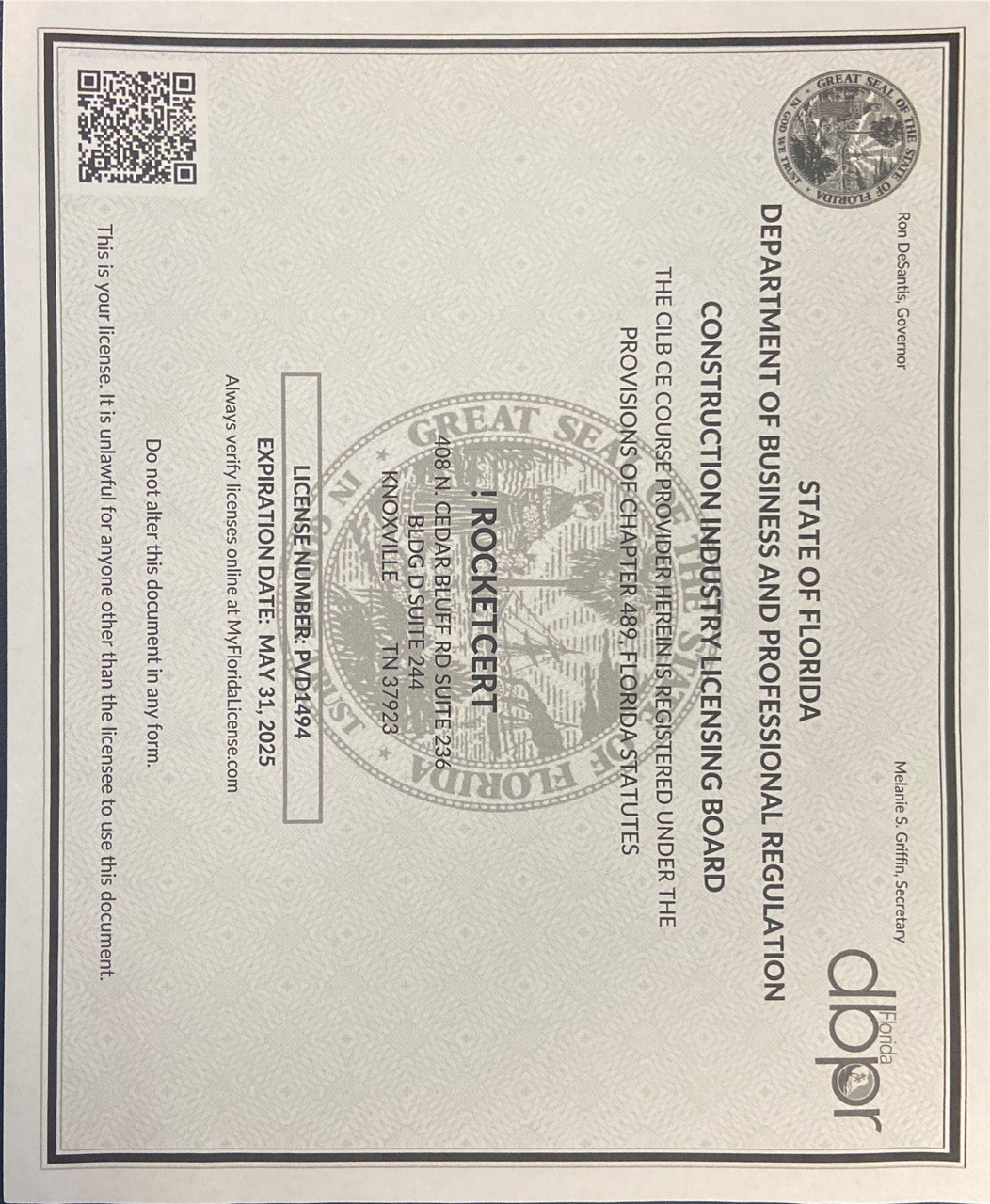
Like many licensed professions, roofing contractors in Florida are required to complete continuing education (CE) to renew their licenses. These CE courses are designed to keep contractors updated on the latest building codes, industry practices, safety regulations, and business management techniques.
- Credit Hours: You will need to complete a specific number of CE credit hours every two years. The exact number of hours and the types of courses required can be found on the Florida DBPR website.
- Approved Providers: Ensure that the continuing education courses you take are from providers approved by the DBPR.
- Renewal Period: Be aware of your license renewal period and ensure you complete your CE requirements well in advance of the deadline to avoid any lapses in your license.
License Renewal Process
The renewal process typically involves submitting a renewal application along with proof of completed continuing education and the required renewal fees. The DBPR will send out renewal notices, but it is ultimately your responsibility to ensure your license is renewed on time. Failure to renew your license by its expiration date can result in penalties, late fees, or even the need to reapply and retake examinations.
Staying Compliant
Beyond renewal, always operate your business in accordance with Florida laws and regulations. This includes:
- Adhering to Building Codes: Always perform work that complies with the Florida Building Code and any local amendments.
- Proper Permitting: Obtain all necessary permits for roofing projects from local building departments.
- Consumer Protection: Uphold ethical business practices and fulfill contractual obligations to your clients.
- Reporting Changes: Inform the DBPR of any significant changes to your business, such as changes in address, business structure, or responsible qualifying party.
By diligently adhering to these requirements, you can maintain a reputable and legally compliant roofing business in Florida, building trust with your clients and contributing positively to the construction industry.
LifeOutOfTheBox is a participant in the Amazon Services LLC Associates Program, an affiliate advertising program designed to provide a means for sites to earn advertising fees by advertising and linking to Amazon.com. Amazon, the Amazon logo, AmazonSupply, and the AmazonSupply logo are trademarks of Amazon.com, Inc. or its affiliates. As an Amazon Associate we earn affiliate commissions from qualifying purchases.