
Florida, often lauded as the Sunshine State, is synonymous with pristine beaches, vibrant theme parks, and a rich tapestry of cultural experiences. However, for many, its most compelling draw lies beyond the sandy shores and rollercoasters, reaching for the stars. This celestial ambition is anchored by the presence of the National Aeronautics and Space Administration (NASA) facilities, a monumental testament to human ingenuity and exploration. When one asks “Where is NASA in Florida located?”, the answer is not a single point, but rather a constellation of critical operational centers, with the most prominent and historically significant being the John F. Kennedy Space Center (KSC), situated on Merritt Island, Florida. This site, a jewel in the crown of American space exploration, serves as a pivotal hub for launching missions that have defined our understanding of the cosmos.

The Epicenter of Space Exploration: John F. Kennedy Space Center
The John F. Kennedy Space Center stands as the premier gateway to space for the United States, a sprawling complex dedicated to the launch, integration, and assembly of spacecraft. Nestled on the Atlantic coast of central Florida, KSC occupies a unique geographical position that has been instrumental in its operational success. Its location on Merritt Island, adjacent to the Cape Canaveral Space Force Station, provides a vast, relatively unpopulated buffer zone crucial for safety during rocket launches. The immense power and potential danger associated with rocket propulsion necessitate a carefully selected and secured launch site, and KSC fulfills this requirement with its expansive perimeter and proximity to the ocean, which serves as a natural safety zone for falling debris.
A Storied History and Future Aspirations
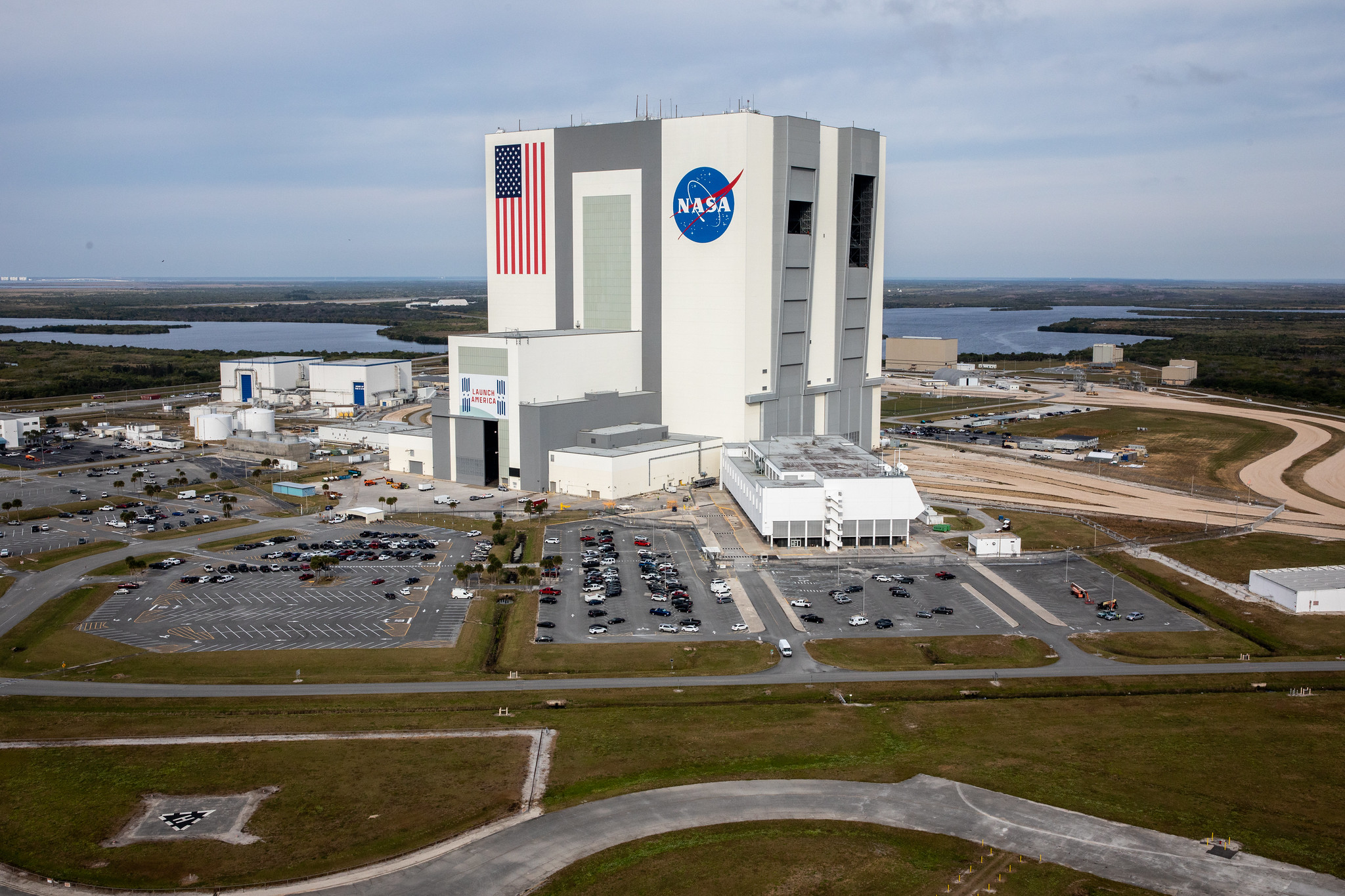
The history of KSC is inextricably linked to the dawn of the space age. Established in 1962 by President John F. Kennedy, the center was conceived to support Project Apollo, the ambitious program that culminated in humanity’s first steps on the Moon. Since those historic achievements, KSC has been at the forefront of every major human spaceflight endeavor, from the Space Shuttle program to the International Space Station. Today, KSC is not only the launch site for critical scientific missions and cargo resupply flights to the ISS but is also actively preparing for the next era of human exploration, including the Artemis program, which aims to return astronauts to the Moon and eventually send them to Mars. The Vehicle Assembly Building (VAB), an iconic structure at KSC, remains one of the tallest buildings in the world and is where rockets like the Space Launch System (SLS) are assembled before their journey to the launch pad.
Beyond the Launches: Visitor Experiences and Educational Outreach
While KSC is a working spaceport, it also offers unparalleled opportunities for the public to engage with the wonders of space exploration. The Kennedy Space Center Visitor Complex is a world-class attraction, providing immersive exhibits, interactive displays, and guided tours that bring the history and future of spaceflight to life. Visitors can stand in awe of the Saturn V rocket, explore the Space Shuttle Atlantis, and even experience the simulated thrill of a rocket launch. The Visitor Complex serves as a vital bridge between the scientific endeavors of NASA and the public imagination, inspiring the next generation of scientists, engineers, and astronauts. Educational programs and outreach initiatives are integral to KSC’s mission, fostering a deeper understanding and appreciation for science, technology, engineering, and mathematics (STEM) fields among students and the general public across Florida and beyond.

The Intertwined Network: Cape Canaveral Space Force Station
While KSC is the primary hub for human spaceflight launches, it operates in close coordination with the neighboring Cape Canaveral Space Force Station. This military installation, historically known as Cape Canaveral Air Force Station, has been a launch site since the early days of rocketry, predating KSC. Today, it serves as a critical launch complex for a wide array of uncrewed missions, including commercial satellite launches, scientific probes destined for distant planets, and various military and scientific payloads. The synergy between KSC and Cape Canaveral Space Force Station is essential for the efficient and safe execution of the nation’s space program, allowing for a diverse range of launch capabilities from a concentrated geographical area.
A Legacy of Innovation and Diverse Launches
The history of Cape Canaveral Space Force Station is rich with pioneering achievements. It was from here that the first American satellite, Explorer 1, was launched in 1958, and the first Americans, Alan Shepard and Gus Grissom, ventured into space. Over the decades, its launch pads have witnessed the deployment of countless satellites that have revolutionized communication, weather forecasting, and scientific research. The station continues to be a vital platform for launching missions that expand our knowledge of Earth and the universe, from the James Webb Space Telescope to missions exploring asteroids and the outer reaches of our solar system. The ongoing evolution of launch technologies means that Cape Canaveral Space Force Station remains a dynamic and critical component of the American space infrastructure.
Surrounding Ecosystems and Economic Impact
The location of NASA’s primary Florida facilities is not just about strategic launch positioning; it also encompasses a unique natural environment. The coastal areas surrounding KSC and Cape Canaveral Space Force Station are home to diverse wildlife, including sea turtles nesting on the beaches and manatees inhabiting the Indian River Lagoon. NASA actively participates in environmental stewardship programs to protect these delicate ecosystems, demonstrating a commitment to balancing its ambitious space exploration goals with ecological responsibility. This region, often referred to as the “Space Coast,” is not only a site of technological marvels but also a testament to the coexistence of human innovation and natural beauty.
The Economic Engine of the Space Coast
The presence of NASA and its associated aerospace contractors has transformed central Florida into a significant economic engine. The Space Coast region boasts a highly skilled workforce, drawing talent from across the country and beyond. The aerospace industry fuels job creation, innovation, and technological advancement, contributing substantially to the state’s economy. Beyond direct employment at NASA and its partners, the ecosystem supports a vast network of suppliers, service providers, and research institutions. This concentration of expertise and infrastructure makes Florida a global leader in space technology and a compelling destination for those interested in the cutting edge of scientific and engineering achievement. The economic vitality of the Space Coast is a direct byproduct of its strategic positioning as the launchpad for humanity’s aspirations beyond Earth.
LifeOutOfTheBox is a participant in the Amazon Services LLC Associates Program, an affiliate advertising program designed to provide a means for sites to earn advertising fees by advertising and linking to Amazon.com. Amazon, the Amazon logo, AmazonSupply, and the AmazonSupply logo are trademarks of Amazon.com, Inc. or its affiliates. As an Amazon Associate we earn affiliate commissions from qualifying purchases.