
Understanding the arrival and impact of cold fronts in Florida is crucial for anyone planning a trip, whether for leisure, business, or simply to experience the Sunshine State’s diverse climate. Florida’s weather patterns are heavily influenced by its unique geographical position, bordering the Atlantic Ocean and the Gulf of Mexico, and its proximity to the tropics. While often associated with warmth and sunshine, the state experiences distinct seasonal shifts, with cold fronts playing a significant role in its meteorological narrative, particularly during the autumn, winter, and spring months. These fronts usher in cooler temperatures, lower humidity, and can even bring about dramatic weather changes, offering a welcome respite from the summer heat and humidity.

The Science Behind Florida’s Cold Fronts
Florida’s climate is classified as humid subtropical, with distinct wet and dry seasons. However, the influence of cold fronts, primarily originating from continental North America, introduces a dynamic element to this otherwise predictable pattern. These fronts are essentially boundaries between air masses of different temperatures and humidity levels. When a colder, drier air mass from the north advances southward, it pushes the warmer, more humid air ahead of it.
Types of Cold Fronts Affecting Florida
Not all cold fronts are created equal, and their intensity and impact on Florida can vary significantly. Understanding these variations helps in anticipating weather changes and planning accordingly.
Arctic Cold Fronts
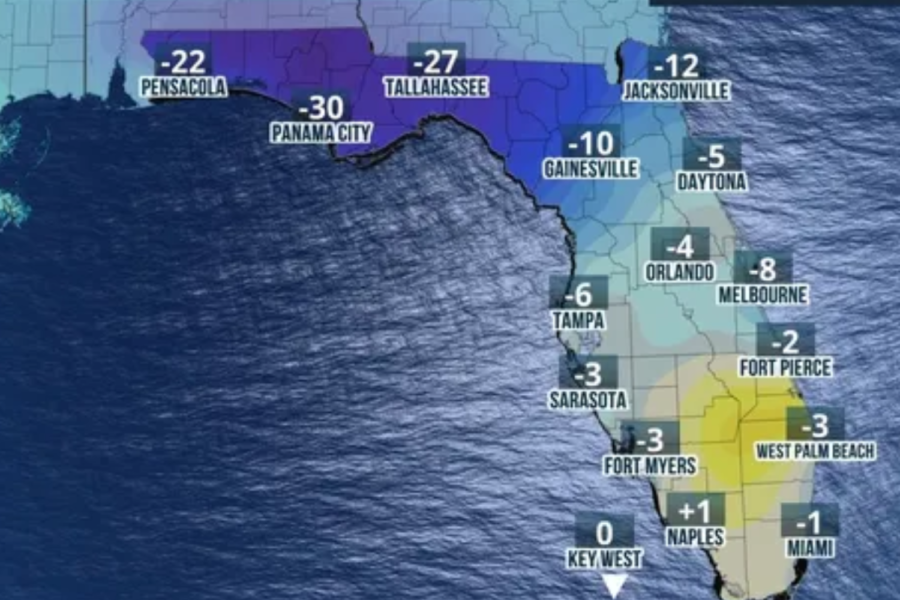
These are the most dramatic and impactful cold fronts that reach Florida. Originating from the far north, often from the Canadian Arctic, they bring a significant drop in temperature, often well below seasonal averages. Accompanying these fronts are typically clear skies, low humidity, and brisk northerly winds. During an arctic cold front, temperatures in North Florida can plummet into the 30s and 40s Fahrenheit, while South Florida may see readings in the 50s and 60s. These events are less common but can cause widespread disruption, impacting agriculture, outdoor activities, and even prompting advisories for vulnerable populations.
Polar Cold Fronts
These fronts are more frequent and generally less intense than their arctic counterparts. Originating from polar regions, they still introduce cooler and drier air but with a less drastic temperature decline. Polar cold fronts typically bring relief from oppressive heat and humidity, leading to pleasant, crisp weather ideal for outdoor exploration. Temperatures may drop into the 50s and 60s Fahrenheit across much of the state, with North Florida experiencing the most significant cooling. These fronts are a common feature of Florida’s winter and early spring.
Modified Arctic or Polar Air Masses
Sometimes, cold air masses that have traversed a significant portion of the United States may be modified by the time they reach Florida. This means they have lost some of their initial intensity due to traveling over warmer landmasses or bodies of water. While still bringing cooler temperatures, the effect is more moderate, often resulting in a comfortable drop in temperature and reduced humidity, rather than a sharp cold snap. These are perhaps the most common types of “cool fronts” experienced in Florida.
Predicting Cold Fronts: Timing and Patterns
Predicting the exact timing of cold fronts requires sophisticated meteorological analysis. However, general patterns and seasonal trends can offer insights. The “cold front season” in Florida typically spans from late October or early November through March or April.
Seasonal Variations
Autumn (September – November): As the Northern Hemisphere begins to cool, the southward movement of colder air masses becomes more pronounced. The first noticeable cold fronts often arrive in October, bringing a welcome change from the lingering summer heat and humidity. These early fronts can be strong, signaling the transition to the cooler, drier season.
Winter (December – February): This is the peak season for cold fronts in Florida. They can occur with some regularity, often every 7-10 days, although the intensity and duration vary. The most significant cold air outbreaks, such as arctic cold fronts, are most likely during the heart of winter. These fronts bring the coolest temperatures of the year, sometimes dipping into frost-producing conditions in inland North Florida.
Spring (March – May): Cold fronts continue to influence Florida’s weather in early spring, though they become less frequent and generally weaker as the state moves towards warmer weather. These late-season fronts can still bring significant temperature drops and are often accompanied by increased rainfall or thunderstorms ahead of their arrival. By late May, the influence of cold fronts diminishes considerably as the tropical patterns of summer begin to dominate.
Meteorological Indicators
Forecasting professionals utilize a variety of tools to predict cold fronts, including:

- Surface Weather Maps: These maps show the location and movement of high and low-pressure systems, as well as frontal boundaries. A distinct line of isobars (lines of equal pressure) moving south or southwestward is a key indicator.
- Upper-Air Charts: These charts provide information about atmospheric conditions at higher altitudes, which can reveal the presence of jet streams and troughs that steer cold air masses southward.
- Doppler Radar: Radar helps to detect precipitation and wind patterns associated with fronts, such as squall lines or thunderstorms that often precede or accompany a cold front.
- Satellite Imagery: Satellites track cloud formations, allowing meteorologists to observe the large-scale movement of weather systems.
Impact of Cold Fronts on Florida Activities and Travel
The arrival of a cold front in Florida has tangible effects on various aspects of life and tourism.
Outdoor Recreation and Tourism
- Ideal Conditions: For many visitors, especially those escaping colder climates, a cold front signals a period of perfect weather. Lower humidity, mild temperatures (often in the 60s and 70s Fahrenheit), and clear skies make activities like visiting theme parks such as Walt Disney World Resort or Universal Orlando Resort, exploring the beaches of Miami Beach or Clearwater Beach, and enjoying outdoor dining incredibly pleasant. This period often sees an uptick in tourism, particularly in late autumn and winter.
- Water Activities: While the ocean temperature might still be cool, the comfortable air temperatures make activities like boating, fishing, and even a brisk walk on the beach enjoyable. Many anglers specifically target fishing tournaments and opportunities that arise following a cold front, as fish behavior can change.
- Nature and Wildlife Viewing: Cooler temperatures can enhance wildlife viewing opportunities. For instance, birdwatching can be particularly rewarding as migratory birds may be passing through or seeking refuge in warmer climes. Manatees often congregate in warmer springs during colder periods, making places like the Crystal River National Wildlife Refuge a prime viewing location.
- Potential Disruptions: Conversely, very strong arctic cold fronts can bring unseasonably cold temperatures, frost, and even a rare freeze to parts of the state. This can lead to cancellations of outdoor events, advisories for agricultural operations, and a need for residents and visitors to dress in warmer clothing. Driving conditions can also be affected, especially in North Florida, if any moisture freezes.
Accommodation and Lodging
- Increased Demand: Pleasant weather following a cold front can lead to increased demand for accommodations across the state, particularly in popular tourist destinations like Orlando, Tampa, and Fort Lauderdale. Hotels and vacation rentals, from luxurious resorts like the Ritz-Carlton, Amelia Island to budget-friendly motels, often see higher occupancy rates.
- Energy Use: Colder temperatures, even if mild by northern standards, increase the demand for heating. This can lead to higher energy bills for hotels and a need for guests to utilize heating systems. Air conditioning use, which is dominant for much of the year, significantly decreases.
- Seasonal Travel: The period after a cold front often marks a “shoulder season” for some parts of Florida, offering a balance of good weather and potentially lower prices compared to peak summer or holiday periods, especially in the Panhandle region.
Local Culture and Events
- Festivals and Outdoor Markets: Many of Florida’s signature outdoor festivals, farmers’ markets, and community events are timed to take advantage of the cooler, drier weather brought by cold fronts. The pleasant conditions encourage larger turnouts and a more enjoyable experience for attendees.
- Harvest Season: In agricultural regions, cooler weather can be beneficial for certain crops and can signal the start of harvest festivals and related events.
- Adjustments for Cold Snaps: In the rare event of a severe cold snap, local communities may implement measures to protect vulnerable populations, open warming shelters, and issue advisories for residents.
Staying Informed: Resources for Tracking Cold Fronts
For travelers and residents alike, staying informed about impending cold fronts is essential for making informed decisions.
Official Meteorological Sources
- National Weather Service (NWS): The NWS is the primary source for official weather forecasts and warnings. Their regional offices, such as the National Weather Service Miami or National Weather Service Tampa Bay Area, provide detailed forecasts for specific regions of Florida. Their websites and social media channels are invaluable resources.
- Florida Division of Emergency Management (FDEM): While primarily focused on emergency preparedness, the FDEM often disseminates information related to significant weather events, including extreme cold.
Weather Apps and Websites
A multitude of weather applications and websites offer real-time tracking of weather systems, including cold fronts. Popular options include:
- The Weather Channel App: Provides detailed forecasts, radar imagery, and severe weather alerts.
- AccuWeather: Offers long-range forecasts and hourly predictions, often useful for planning trips several days in advance.
- Local News Channels: Most Florida-based television stations have dedicated weather teams that provide local forecasts and track incoming fronts. Their websites and apps are also reliable sources.
Planning Your Florida Visit Around Cold Fronts
When planning a trip to Florida, consider the following:
- Late Fall and Winter: These months are ideal for experiencing the pleasant effects of cold fronts, offering relief from heat and humidity. It’s a prime time for outdoor activities and exploring the state’s diverse attractions.
- Early Spring: While still subject to cold front activity, early spring offers a transition period with generally mild temperatures and fewer crowds than the peak winter season.
- Monitor Forecasts Closely: As your travel dates approach, pay close attention to weather forecasts. A projected cold front can mean cooler, crisper air perfect for exploring cities like St. Augustine or enjoying the natural beauty of the Everglades National Park. Conversely, be prepared for potential temperature drops if traveling during the colder months.
By understanding the patterns and predictability of cold fronts, visitors and residents can better appreciate Florida’s dynamic climate and optimize their experiences in the Sunshine State. Whether you’re seeking warmth, relief from the summer heat, or simply a comfortable day for exploration, the arrival of a cold front often signals some of the most pleasant weather Florida has to offer.
LifeOutOfTheBox is a participant in the Amazon Services LLC Associates Program, an affiliate advertising program designed to provide a means for sites to earn advertising fees by advertising and linking to Amazon.com. Amazon, the Amazon logo, AmazonSupply, and the AmazonSupply logo are trademarks of Amazon.com, Inc. or its affiliates. As an Amazon Associate we earn affiliate commissions from qualifying purchases.