
St. Lucie County, nestled along Florida’s picturesque Atlantic coast, is a vibrant and diverse region offering a captivating blend of natural beauty, recreational opportunities, and burgeoning community life. Situated in the southeastern part of the Sunshine State, it is an integral part of the Treasure Coast, an area renowned for its pristine beaches, abundant marine life, and rich historical tapestry. Understanding its precise location is key to unlocking the wealth of experiences it offers to residents and visitors alike, from the tranquil waters of the Indian River Lagoon to the lively atmosphere of its charming towns and cities.

Geographic Positioning and Administrative Context
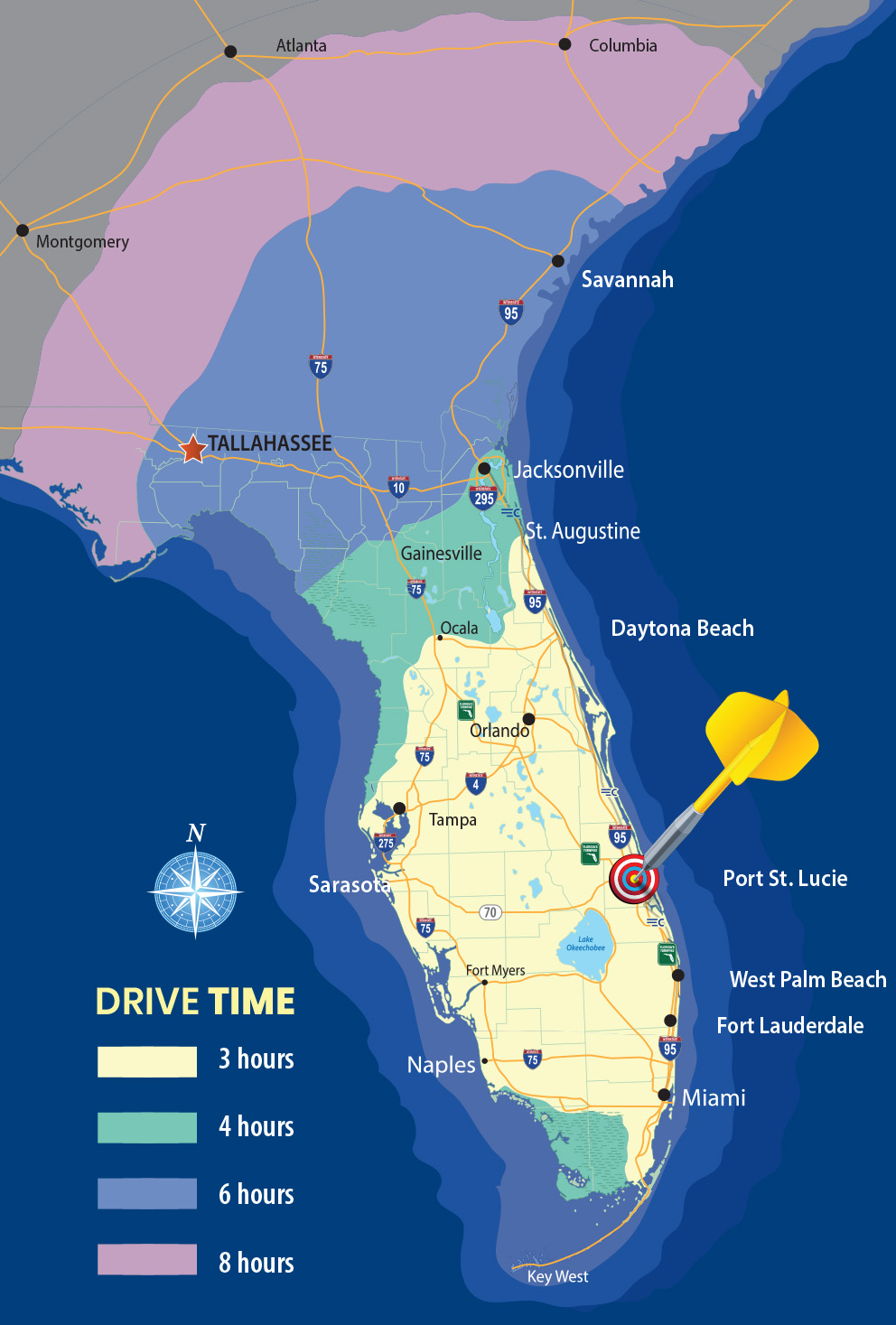
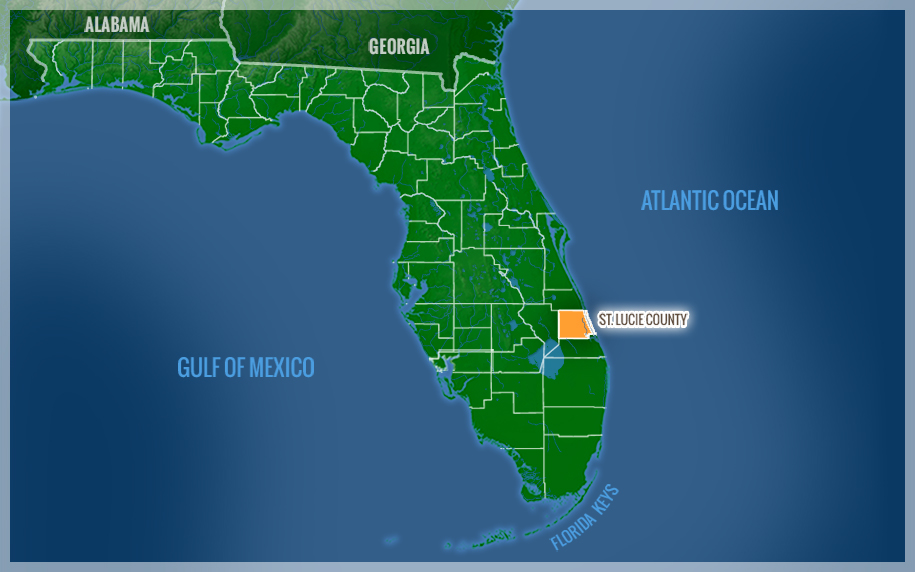
St. Lucie County is strategically located within Florida’s southeastern quadrant. It is bordered by Martin County to the south and Brevard County to the north, with the vast expanse of the Atlantic Ocean to its east. Inland, it shares its western boundary with Okeechobee County, a region more known for its agricultural pursuits and the expansive Lake Okeechobee. This central positioning on the Atlantic coast makes it easily accessible for those traveling from major metropolitan areas like Miami or Orlando, placing it at a convenient nexus for exploration.
Key Municipalities and Their Characteristics
The county is home to several key municipalities, each contributing to the unique character of St. Lucie County. The largest and most populous city is Port St. Lucie, a rapidly growing community known for its family-friendly atmosphere, extensive park systems, and a burgeoning business sector. To its east, along the Indian River Lagoon, lies Fort Pierce, the county seat. Fort Pierce boasts a rich maritime history, a charming downtown area, and a thriving harbor that serves as a gateway for both commercial and recreational boating. Further north along the coast is the town of St. Lucie Village, a more residential and tranquil community. Smaller communities like Jensen Beach, though technically in neighboring Martin County, are closely associated with the St. Lucie County experience due to their proximity and shared attractions, particularly their world-renowned beaches and vibrant arts scene. The area’s defining geographic feature is undoubtedly the Indian River Lagoon, a vital estuary that runs the length of the county and is a haven for diverse wildlife and recreational activities.
Transportation Networks
The strategic location of St. Lucie County is further enhanced by its robust transportation infrastructure. The primary east-west artery is Florida State Road 70, connecting the inland areas with the coastal communities. Running north-south along the coast is U.S. Route 1, a scenic highway that passes through all the major coastal towns and provides access to various attractions. The more modern and faster Florida’s Turnpike and Interstate 95 are located slightly inland, offering convenient access for those traveling longer distances. For air travelers, the St. Lucie County International Airport (FLL) in Fort Pierce provides general aviation services and opportunities for private flights. Major international airports in Orlando and West Palm Beach are also within a reasonable driving distance, offering broader connectivity. The presence of the Brightline passenger rail service connecting major Florida cities with a station in nearby Fort Pierce further enhances accessibility.
Exploring the Natural Wonders
St. Lucie County is a paradise for nature enthusiasts, offering a stunning array of natural landscapes and abundant wildlife. Its location along the Atlantic coast and the presence of the Indian River Lagoon create unique ecological environments that are both beautiful and ecologically significant. The county actively promotes the preservation and enjoyment of these natural assets, making them central to the visitor experience.
The Indian River Lagoon: A Biodiversity Hotspot
The Indian River Lagoon is the undisputed crown jewel of St. Lucie County’s natural offerings. This estuarine system, one of the most biodiverse in North America, is a critical nursery ground for numerous fish and shellfish species, including the prized Florida redfish and sea trout. It is also a vital habitat for the endangered West Indian manatee and a significant migratory stopover for countless species of birds. The lagoon provides unparalleled opportunities for activities such as kayaking, paddleboarding, fishing, and boating. Numerous parks and access points dot the shoreline, allowing for easy exploration of its diverse ecosystems. The Save the Manatee Club actively works to protect these gentle giants within the lagoon’s waters.
Atlantic Coast Beaches and Marine Life
St. Lucie County boasts miles of pristine Atlantic coastline, offering sun-seekers and beach lovers a variety of settings. From the expansive shores of Fort Pierce Inlet State Park to the more secluded stretches of sand, the beaches are perfect for swimming, sunbathing, and beachcombing. The waters offshore are teeming with marine life, making it a prime destination for snorkeling and diving. The Florida Oceanographic Society conducts vital research and educational programs focused on the marine ecosystems of the Treasure Coast. Divers can explore artificial reefs that attract a vibrant array of fish and invertebrates. For those interested in witnessing a truly remarkable natural event, the county is also a significant nesting ground for sea turtles during the warmer months, with guided night tours often available to observe this incredible phenomenon.
Inland Natural Areas and Wildlife Preserves
Beyond the coast and lagoon, St. Lucie County offers a surprising amount of natural beauty inland. Extensive park systems and wildlife preserves provide opportunities to explore diverse habitats, including pine flatwoods, scrubland, and freshwater wetlands. The Savannas Preserve State Park is a prime example, preserving one of the largest remaining sections of coastal freshwater marsh in South Florida. Hiking and birdwatching are popular activities in these areas, offering a chance to spot native wildlife like deer, alligators, and a plethora of bird species. The Audubon Society often hosts birdwatching excursions in these protected lands. These inland havens provide a peaceful counterpoint to the coastal attractions, showcasing the full spectrum of Florida’s natural heritage.
Cultural and Recreational Pursuits
St. Lucie County is more than just its natural beauty; it is a region rich in cultural attractions and recreational activities that cater to a wide range of interests. From historical sites to vibrant arts scenes and family-friendly entertainment, the county offers a dynamic experience for everyone.
Historical Significance and Landmarks
The history of St. Lucie County is deeply intertwined with its maritime heritage and its role in Florida’s development. Fort Pierce itself bears the name of a Civil War-era fort, and the area played a significant role during World War II as a training ground for the Army Air Corps. The National Navy UDT-SEAL Museum in Fort Pierce honors the elite Navy SEALs and their predecessors, offering a fascinating glimpse into naval special warfare history. The St. Lucie County Historical Society Museum delves deeper into the region’s past, showcasing artifacts and stories from its earliest inhabitants to its modern development. The historic downtown of Fort Pierce also features charming architecture and a sense of timelessness.
Arts, Entertainment, and Local Culture
The cultural landscape of St. Lucie County is vibrant and growing. The Civic Center in Port St. Lucie hosts a variety of performances, from Broadway shows to concerts and community events. Fort Pierce boasts a burgeoning arts district with numerous galleries and studios showcasing local and regional talent. The A.E. Backus Museum & Gallery in Fort Pierce is a cornerstone of the local art scene, dedicated to the work of A.E. Backus, a renowned Florida landscape painter, and other regional artists. Throughout the year, the county hosts numerous festivals and events, including seafood festivals, art fairs, and live music performances, celebrating the unique culture and community spirit of the Treasure Coast. The Florida CraftBrewers Guild often features local breweries from the area.
Recreational Activities and Family Fun
For families and active individuals, St. Lucie County offers a plethora of recreational opportunities. Beyond the beach and water sports, the county is home to numerous parks with playgrounds, sports fields, and walking trails. The Port St. Lucie Botanical Garden offers a tranquil escape with its diverse collection of plants and beautifully manicured grounds. The St. Lucie Mets, the minor league baseball affiliate of the New York Mets, play their home games at Clover Park, providing affordable family entertainment during the baseball season. Golf is also a popular pastime, with several well-maintained courses available throughout the county. For those seeking an adrenaline rush, opportunities for airboat tours on the St. Johns River or nearby wetlands can be found, offering a thrilling way to experience Florida’s wild side.
Planning Your Visit to St. Lucie County
Whether you’re considering a short vacation or a longer stay, St. Lucie County offers a welcoming environment with a diverse range of experiences. Its strategic location, natural beauty, and vibrant cultural scene make it an increasingly popular destination on Florida’s Treasure Coast.
Accommodation Options
St. Lucie County offers a variety of accommodation options to suit every budget and travel style. From comfortable chain hotels and motels to charming bed and breakfasts and vacation rentals, visitors can find the perfect place to stay. The Courtyard by Marriott in Port St. Lucie provides modern amenities for business and leisure travelers, while smaller inns and motels offer more intimate stays. Vacation rentals, including beachfront condos and riverside homes, are popular for families and groups seeking a more private and home-like experience. Many accommodations offer convenient access to the area’s attractions, including beaches, parks, and dining establishments. For those seeking a more rustic experience, campgrounds are also available within or near the county’s state parks, offering a chance to immerse oneself fully in the natural environment.
Dining and Culinary Experiences
The culinary scene in St. Lucie County is as diverse as its landscape, with a focus on fresh, local ingredients, particularly seafood from the abundant waters of the Indian River Lagoon and the Atlantic Ocean. In Fort Pierce, the waterfront offers several excellent seafood restaurants, where diners can enjoy freshly caught fish, shrimp, and oysters with stunning ocean or river views. Port St. Lucie boasts a wide array of dining options, from casual family-friendly eateries to upscale restaurants featuring international cuisine. Jensen Beach, though just south, is renowned for its fresh seafood shacks and vibrant atmosphere. Don’t miss the opportunity to sample local delicacies, such as fresh Florida citrus and locally brewed craft beers. Farmers’ markets throughout the county provide an excellent opportunity to taste and purchase regional produce and artisanal goods.
Best Times to Visit and Local Tips
St. Lucie County enjoys a subtropical climate, making it a desirable destination year-round. However, the most pleasant weather typically occurs during the fall, winter, and spring months (October through May), when temperatures are milder and humidity is lower. Summer months (June through September) can be hot and humid, with the possibility of afternoon thunderstorms, but this is also when the waters are warmest for swimming and water sports.
Local Tips for Visitors:
- Embrace the Outdoors: Make the most of the county’s natural beauty by spending ample time at the beaches, parks, and on the water.
- Explore Both Coasts: Venture beyond the immediate coastline to discover the charm of inland natural areas and smaller communities.
- Check Local Event Listings: St. Lucie County hosts numerous festivals, concerts, and sporting events throughout the year; checking local schedules can enhance your visit.
- Respect Wildlife: Observe wildlife from a safe distance and avoid feeding animals. Be mindful of sea turtle nesting seasons and follow designated guidelines to protect these vulnerable creatures.
- Stay Hydrated: Florida’s climate can be warm, especially during the summer. Drink plenty of water and use sunscreen.
- Consider a Boating Excursion: Experiencing the Indian River Lagoon or the Atlantic Ocean from the water provides a unique perspective on the county’s beauty and wildlife. Numerous charter services and rental companies are available.
- Support Local Businesses: Patronize local restaurants, shops, and tour operators to experience the authentic flavor of St. Lucie County.
By understanding its location, appreciating its natural wonders, and engaging with its cultural offerings, visitors can fully experience the unique allure of St. Lucie County.
LifeOutOfTheBox is a participant in the Amazon Services LLC Associates Program, an affiliate advertising program designed to provide a means for sites to earn advertising fees by advertising and linking to Amazon.com. Amazon, the Amazon logo, AmazonSupply, and the AmazonSupply logo are trademarks of Amazon.com, Inc. or its affiliates. As an Amazon Associate we earn affiliate commissions from qualifying purchases.