
The culinary landscape of steak is vast and often debated, with passionate enthusiasts championing their preferred cuts. Among the most celebrated are the New York Strip and the Ribeye. While both hail from the bovine’s loin and rib areas, respectively, their distinct characteristics offer unique dining experiences. Understanding these differences is key to appreciating why one might be considered “better” than the other, depending entirely on individual palate and dining occasion. This exploration delves into the marbling, flavor profiles, texture, and ideal preparation methods of each, aiming to illuminate the merits of both the New York Strip and the Ribeye.
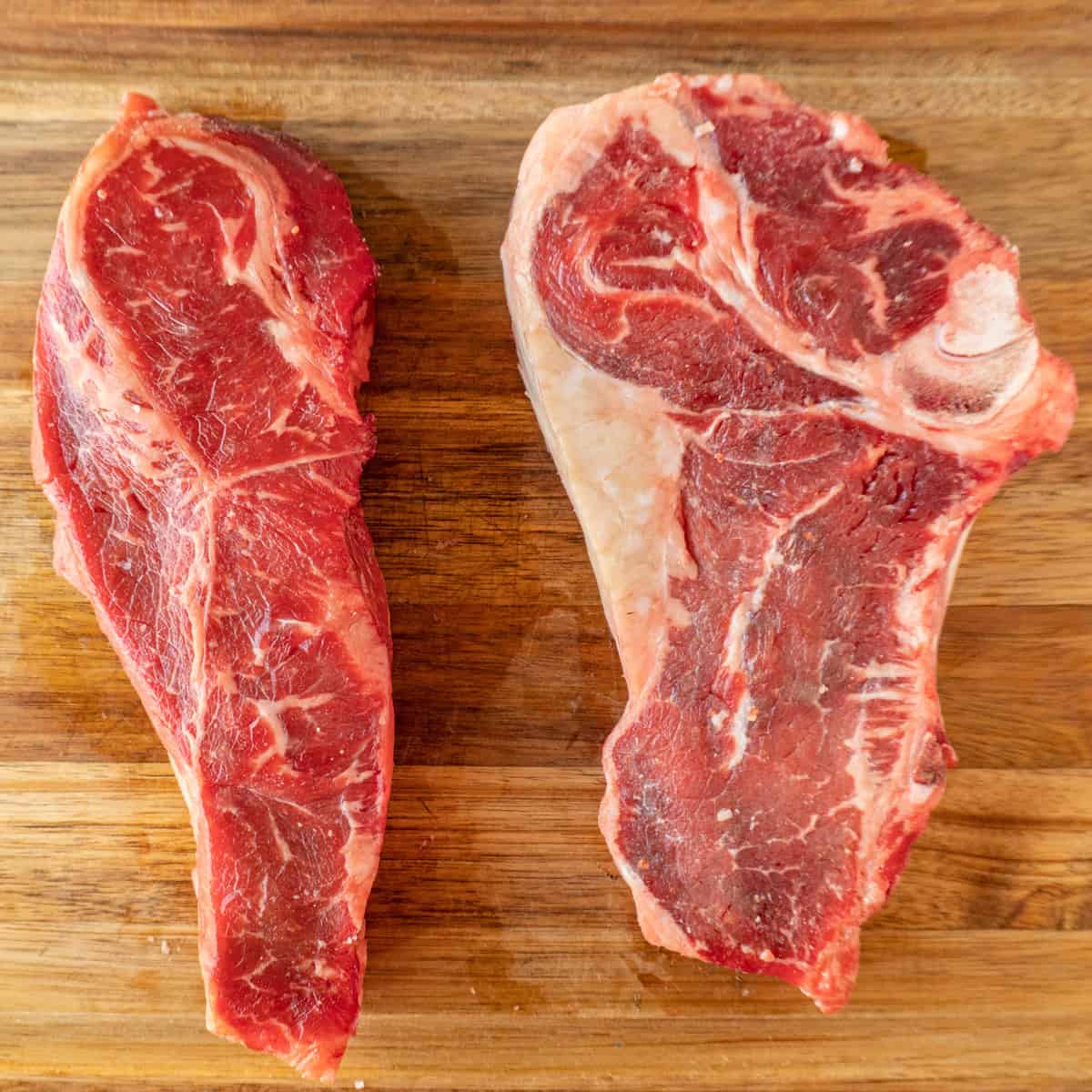
The Anatomy of Flavor: Marbling and Fat Content
The defining characteristic that sets steaks apart often comes down to their marbling – the intramuscular fat that weaves through the muscle. This fat not only contributes significantly to the steak’s flavor but also influences its tenderness and juiciness during cooking.
New York Strip: A Leaner Elegance
The New York Strip, also known as a strip steak, Kansas City strip, or top loin, is prized for its balance of tenderness and a robust, beefy flavor. It is cut from the short loin primal cut, a section of the cow that is not heavily worked. This lack of strenuous muscle activity results in a steak that is naturally more tender.
- Marbling: The New York Strip typically has a more moderate amount of marbling compared to a Ribeye. The fat is often found in a distinct cap along one edge of the steak, with less dispersed intramuscular fat throughout. This leads to a cleaner, less overtly rich flavor.
- Fat Content: While it possesses a desirable fat cap, the New York Strip is generally leaner than a Ribeye. This leaner profile makes it a favorite for those who appreciate a strong, pure beef taste without being overwhelmed by fat.
Ribeye: The Pinnacle of Richness
The Ribeye, originating from the rib primal cut, is renowned for its exceptional tenderness and rich, buttery flavor. This section of the cow is less active, contributing to the cut’s inherent tenderness.
- Marbling: The Ribeye is characterized by its abundant and highly dispersed intramuscular fat. These white streaks of fat melt during cooking, basting the meat from within and imbuing it with a deep, luxurious flavor and unparalleled juiciness. The central “eye” of the Ribeye is surrounded by fat and muscle, creating a complex flavor profile.
- Fat Content: Its higher fat content is what makes the Ribeye so forgiving to cook and incredibly flavorful. This richness is a primary draw for many steak aficionados, as it delivers a melt-in-your-mouth texture and a decadent taste.
Flavor Profile: A Tale of Two Steaks
The differences in marbling and fat distribution directly translate into distinct flavor profiles, appealing to different preferences.
New York Strip: Bold and Beefy
The flavor of a New York Strip is often described as being more straightforwardly “beefy.” It possesses a clean, pronounced taste of beef that is assertive without being greasy.
- Taste: It offers a solid, savory flavor that holds up well to bold seasonings and sauces. The beefy essence is the star, making it a versatile choice for various culinary applications.
- Subtleties: While robust, it also has a subtle sweetness that can be appreciated, especially when cooked to medium-rare. The absence of excessive fat allows the inherent flavor of the beef to shine through.
Ribeye: Deep, Rich, and Complex
The Ribeye offers a more complex and indulgent flavor experience, largely due to its liberal marbling.
- Taste: The melting fat renders a rich, almost buttery flavor that is deeply satisfying. It’s a flavor that coats the palate and lingers, providing a decadent sensation.
- Nuances: The interplay between the tender meat and the rendered fat creates layers of flavor – savory, slightly sweet, and intensely umami. Some describe it as having hints of a richer, more evolved beefiness due to the fat’s influence.
Texture and Tenderness: A Matter of Mouthfeel
The mouthfeel of a steak is as crucial as its taste, and here too, the New York Strip and Ribeye diverge.
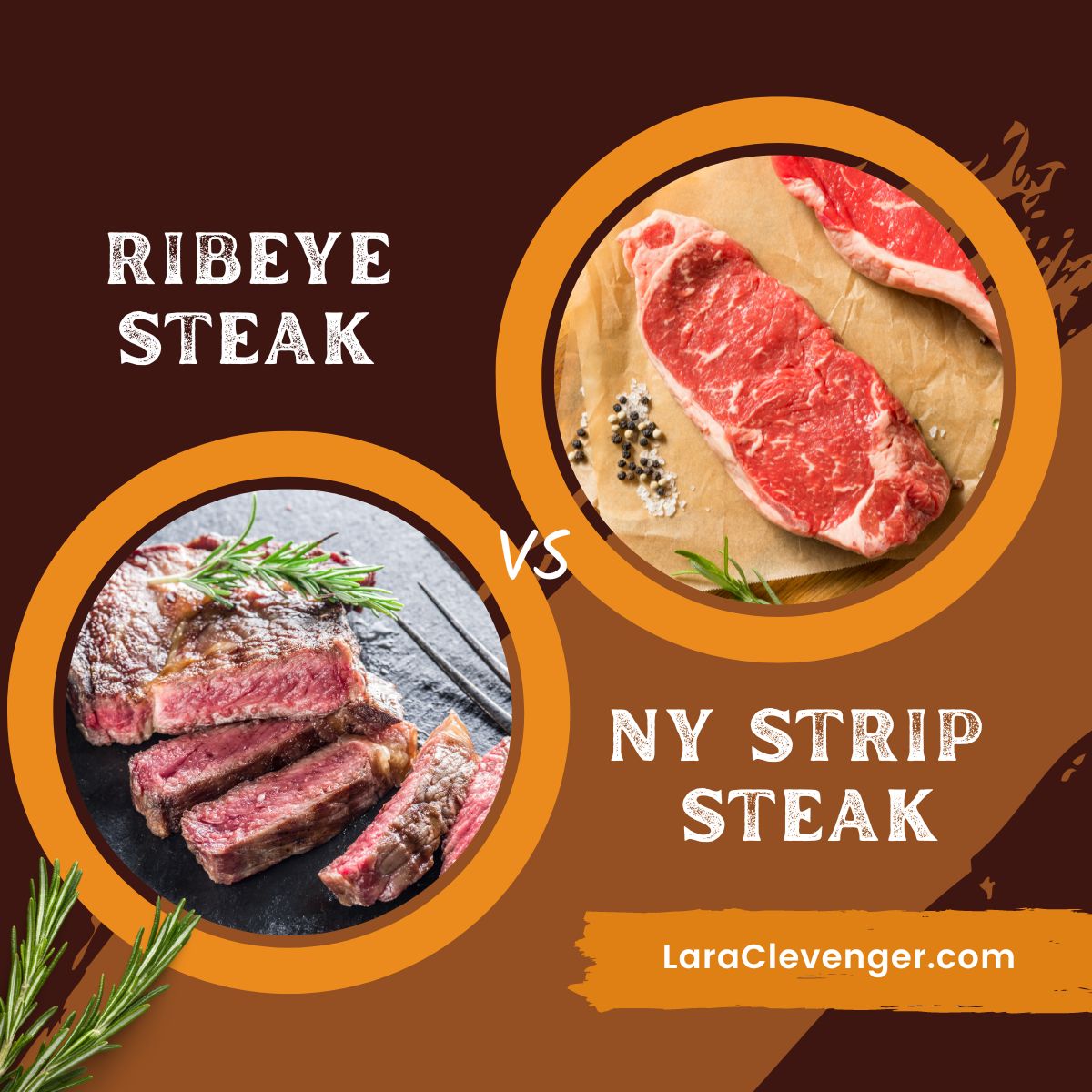
New York Strip: Satisfying Chew
The New York Strip provides a pleasant, firm texture that offers a satisfying chew. It’s tender enough to be enjoyed without effort but firm enough to provide a substantial bite.
- Tenderness: While not as melt-in-your-mouth as a well-marbled Ribeye, the New York Strip is still exceptionally tender, especially when sourced from high-quality beef.
- Chew: The texture is often described as having a good “bite,” making it a steak that you can truly savor with each mouthful. The fat cap, when rendered properly, adds pockets of richness and a slightly different textural element.
Ribeye: Unctuous and Tender
The Ribeye is celebrated for its supreme tenderness and melt-in-your-mouth quality, a direct result of its abundant marbling.
- Tenderness: The intramuscular fat acts as a natural tenderizer, ensuring that even when cooked to medium, the Ribeye remains incredibly soft and yielding.
- Mouthfeel: The experience of eating a Ribeye is often described as unctuous and luxurious. The fat melts and lubricates the muscle fibers, creating a sensation that is both rich and smooth.
Cooking and Preparation: Maximizing Potential
Both steaks are culinary powerhouses, but their optimal cooking methods can vary to best highlight their unique attributes.
New York Strip: Versatile Grilling and Searing
The New York Strip’s balanced fat content and firm texture make it incredibly versatile in the kitchen.
- Best Methods: Grilling, pan-searing, and broiling are excellent choices for the New York Strip. High heat sears the exterior to a delicious crust while allowing the interior to cook evenly.
- Doneness: It is best enjoyed medium-rare to medium. Overcooking can diminish its inherent tenderness and flavor. A well-executed New York Strip will have a beautiful sear and a juicy, pink center.
- Pairings: Its robust flavor profile pairs well with a variety of sauces, from classic Béarnaise to peppercorn or mushroom sauces.
Ribeye: Embracing the Fat
The Ribeye benefits from cooking methods that allow its abundant fat to render and baste the meat.
- Best Methods: Pan-searing, often finished in the oven, is a superb method for Ribeye. This allows for a perfect crust to form while ensuring the interior becomes exceptionally tender and juicy. Grilling is also a popular choice, with careful attention paid to managing flare-ups from the fat.
- Doneness: Like the New York Strip, medium-rare to medium is ideal. The higher fat content makes it more forgiving and less prone to drying out than leaner cuts, but overcooking will still result in a less desirable texture.
- Simplicity: Often, a Ribeye is best enjoyed with minimal adornment. A sprinkle of coarse salt and freshly ground black pepper is often all that is needed to complement its rich, inherent flavor. If sauces are used, they should be rich and complementary, not overpowering.
The Verdict: A Matter of Personal Preference
Ultimately, the question of whether New York Strip or Ribeye is “better” is subjective and hinges entirely on individual taste and the desired dining experience.
For the Purist and the Balanced Palate
If you appreciate a steak with a pronounced, pure beef flavor, a satisfying chew, and a less overtly rich profile, the New York Strip is likely your champion. It’s a versatile steak that offers a robust experience without being overwhelming, making it a staple in steakhouses across New York City and beyond.

For the Indulgent Connoisseur
If your preference leans towards unparalleled tenderness, a decadent, buttery flavor, and a melt-in-your-mouth texture, the Ribeye is almost certainly the superior choice. Its rich marbling delivers an intensely satisfying and luxurious steak experience.
Both cuts represent the pinnacle of steak craftsmanship and offer distinct, yet equally compelling, reasons for their devoted followings. Whether you choose the balanced elegance of the New York Strip or the unctuous richness of the Ribeye, you are embarking on a journey of exceptional culinary pleasure. The true joy lies in exploring both and discovering which steak best captures your personal ideal of perfection on a plate.
LifeOutOfTheBox is a participant in the Amazon Services LLC Associates Program, an affiliate advertising program designed to provide a means for sites to earn advertising fees by advertising and linking to Amazon.com. Amazon, the Amazon logo, AmazonSupply, and the AmazonSupply logo are trademarks of Amazon.com, Inc. or its affiliates. As an Amazon Associate we earn affiliate commissions from qualifying purchases.