
California, a state synonymous with innovation, glamour, and natural beauty, operates predominantly within one time zone, a crucial detail for any traveler or resident. For anyone planning a visit, considering a move, or simply curious, understanding California’s time zone is the first step in aligning with the rhythm of the Golden State.
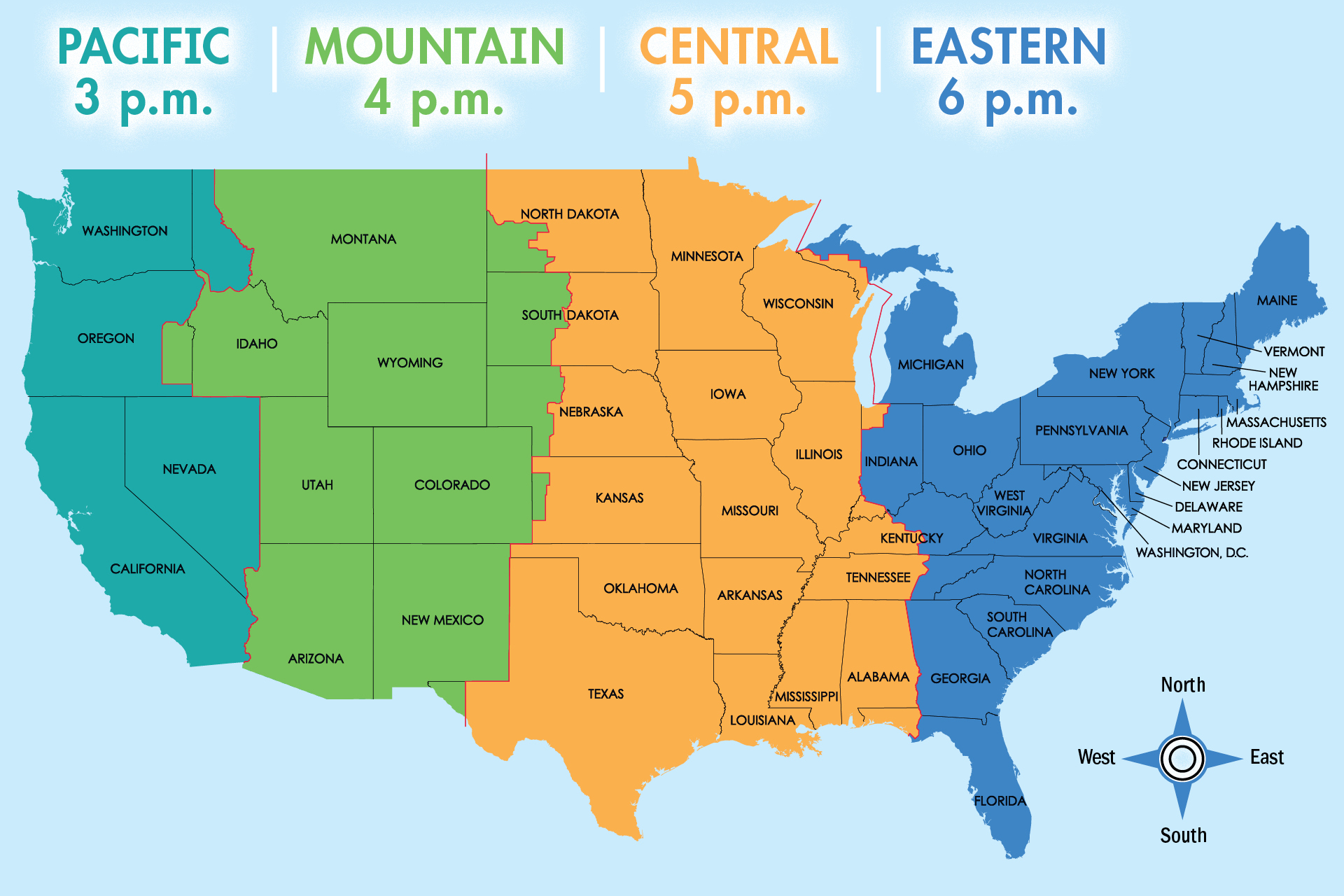
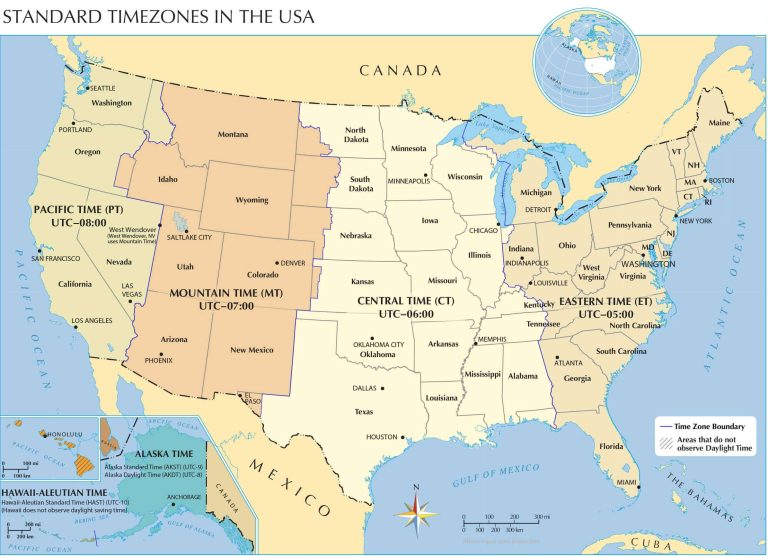
The vast majority of California observes the Pacific Time Zone. This means that for a significant portion of the year, it is on Pacific Standard Time (PST), which is 8 hours behind Coordinated Universal Time (UTC-8). However, like many other regions, California also participates in Daylight Saving Time, transitioning to Pacific Daylight Time (PDT) during the warmer months. During PDT, the clock springs forward by one hour, making it 7 hours behind Coordinated Universal Time (UTC-7). This biannual shift, typically occurring in March and November, impacts everything from travel itineraries to business schedules and social engagements, underscoring the importance of knowing not just the time zone, but also the specific time observance in effect.
Understanding Pacific Time: PST and PDT
The distinction between Pacific Standard Time (PST) and Pacific Daylight Time (PDT) is more than just an arbitrary change; it’s a practice rooted in the idea of maximizing daylight hours, especially during evenings. This system is observed across a broad geographical area beyond California, extending through parts of the western United States and Canada. In the United States, the Pacific Time Zone includes all or parts of the states of California, Oregon, Washington, Nevada, and a small portion of Idaho. Understanding this broader context helps travelers appreciate the scale of the coordinated time adjustments.
The Rhythmic Shift: Daylight Saving Time
Daylight Saving Time (DST) in California begins on the second Sunday in March when clocks “spring forward” one hour, and it ends on the first Sunday in November when clocks “fall back” one hour. This transition means that from roughly mid-March to early November, California is on PDT. This period coincides with peak tourist season for many destinations, from the beaches of Southern California to the vineyards of Napa Valley and the majestic beauty of Yosemite National Park. The extra hour of daylight in the evenings allows for extended enjoyment of outdoor attractions, later dinner reservations, and a generally more relaxed pace for evening activities. However, it also means an initial adjustment for those arriving from time zones further east, potentially bringing a mild case of jet lag.
Why Time Zones Matter for Your California Journey
For anyone embarking on a journey to California, time zones are far from a trivial detail; they are a fundamental aspect of planning and executing a successful trip. From the moment you book your flight to the last souvenir purchase, the time difference will influence countless decisions. Air travel, for instance, requires careful consideration of departure and arrival times, especially when crossing multiple time zones. A flight departing from New York at 9 AM Eastern Time (ET) will land in Los Angeles in the early afternoon Pacific Time, not necessarily in the late afternoon as one might initially calculate.
Furthermore, managing communication with friends, family, or business contacts back home becomes a strategic endeavor. A morning call to Europe might be an evening call for them, and an afternoon conference with colleagues on the East Coast will require an early morning start in California. For business travelers, this is especially critical, as missed meetings or incorrectly scheduled calls can have significant repercussions. Even for leisure travelers, the ability to effortlessly coordinate with tour operators, hotel check-ins, or dinner reservations without confusion is paramount to a stress-free experience. The shift to or from Daylight Saving Time can further complicate matters for those whose travel dates straddle these transitions, making it essential to confirm all scheduled activities against the correct local time.
Navigating California’s Diverse Regions by the Clock
California’s vast and varied landscape means that while the time zone remains consistent across most of the state, the way time is experienced and utilized can differ significantly based on the region and the activities you plan. From bustling metropolitan centers to serene natural wonders, every experience is framed by the local time.
The Bustle of Southern California: From Beaches to Deserts
Southern California is a vibrant tapestry of iconic cities, sun-drenched beaches, and stark desert landscapes. In major hubs like Los Angeles and San Diego, the Pacific Time Zone dictates the rhythm of daily life. For travelers, this means early starts for theme parks such as Disneyland Park in Anaheim or Universal Studios Hollywood in Los Angeles, both of which open their gates based on local Pacific Time to accommodate the crowds. Evening entertainment, whether it’s a concert at the Hollywood Bowl or a sunset stroll along Santa Monica Pier, will unfold under PDT’s longer daylight hours for much of the year, offering spectacular twilight views.
For those venturing into the desert oases like Palm Springs, the time zone still applies, but the pace might feel different. Early morning hikes are preferred to beat the heat, and evenings are reserved for dining under the stars or enjoying the resort amenities. Understanding that a 5 PM dinner reservation in Palm Springs aligns with the same local time as a bustling happy hour in Beverly Hills helps in planning a cohesive itinerary even when traversing diverse environments. The consistency of the Pacific Time Zone across these varied destinations simplifies logistical planning, allowing visitors to focus on enjoying the unique offerings of each area.
Northern California’s Charms: Coastal Cities to Mountain Retreats
Moving north, California’s landscape shifts to dramatic coastlines, iconic cities, and towering mountains. In San Francisco, the Pacific Time Zone governs the schedule of everything from early morning cable car rides to sunset cruises around Alcatraz Island. Visiting landmarks like the Golden Gate Bridge or exploring Fisherman’s Wharf requires an awareness of opening and closing times, all synchronized to PST/PDT. For food enthusiasts, reserving a table at a Michelin-starred restaurant in San Francisco or a winery tasting in Sonoma Valley means adhering strictly to the local Pacific Time.
Further inland, the majestic Sierra Nevada Mountains, home to Yosemite National Park and Lake Tahoe, also observe the Pacific Time Zone. Hikers heading out for a dawn ascent of Half Dome will set their alarms to PST or PDT, just as skiers on the slopes of Lake Tahoe will follow lift schedules based on the same time. The consistent time zone across such geographically diverse areas simplifies cross-state travel planning. A road trip from San Diego to Redwood National Park, for instance, involves no time zone changes, only the enjoyment of the changing scenery, making logistical planning considerably easier for travelers exploring the full breadth of the state.

Practical Tips for a Seamless California Travel Experience
Mastering the nuances of California’s time zone is key to unlocking a smooth and enjoyable travel experience. It affects not just your arrival and departure, but every single moment in between, from booking activities to simply feeling your best.
Conquering Jet Lag and Maximizing Your Days
For travelers arriving from distant time zones, particularly those from the East Coast of the United States or international destinations, jet lag can be a significant hurdle. The key to minimizing its impact is proactive adjustment. Gradually shifting your sleep schedule a few days before your trip can help. Upon arrival in California, immediately try to align with local Pacific Time. This means exposing yourself to natural light during the day, even if you feel tired, and avoiding excessive napping. Staying hydrated and opting for light meals can also aid your body in adapting.
Maximizing your days in California often involves taking advantage of the morning hours, which are typically cooler and less crowded at popular attractions. By waking up early on Pacific Time, you can beat the rush at places like the Santa Monica beaches, Griffith Observatory in Los Angeles, or the ferries to Alcatraz Island. Conversely, understanding that sunset occurs later during PDT months allows for extended evening activities, from scenic drives along Big Sur to outdoor dining experiences in San Francisco’s Castro District. By consciously adjusting to the local time, you can truly immerse yourself in the vibrant lifestyle California offers.
Planning Ahead: Booking, Business Hours, and Beyond
Careful planning is indispensable when traveling to California. When making reservations for flights, hotels, tours, or dining, always double-check that the times listed correspond to Pacific Time. Many online booking systems will automatically convert to your local time zone, but it’s always prudent to confirm to avoid any misunderstandings. For example, if booking a hotel check-in at 3 PM, ensure that’s 3 PM Pacific Time on your chosen date. This applies equally to tour departures, spa appointments, and any other time-sensitive bookings.
Beyond bookings, understanding typical business hours in California is crucial. Most retail stores, attractions, and service providers operate on a standard 9 AM to 5 PM or 10 AM to 6 PM schedule, all dictated by PST/PDT. Restaurants often have distinct lunch and dinner hours, with kitchens typically closing between 2 PM and 5 PM for a break. For those interested in local culture and nightlife, knowing the time enables you to catch a show in Hollywood or explore the vibrant bar scene in San Diego’s Gaslamp Quarter at the right moment. Additionally, remember that major holidays and the Daylight Saving Time shifts can sometimes alter opening hours, making a quick check on official websites a smart move. Technology, such as world clock apps and smartphone automatic time zone settings, can be an invaluable tool in keeping you synchronized with California’s clock.
Time’s Influence Across California’s Travel & Lifestyle Spectrum
The single time zone across most of California simplifies cross-state travel, yet the interpretation and utilization of that time vary significantly depending on one’s travel style and priorities. The Golden State caters to a diverse range of preferences, each subtly shaped by the overarching Pacific Time Zone.
Tailoring Your Trip: Luxury, Budget, Family, and Business
-
Luxury Travel: For those indulging in luxury travel, time management often revolves around exclusive experiences. A morning tee time at a championship golf course in Pebble Beach, a private wine tasting tour in Napa Valley, or a reservation at a renowned restaurant in San Francisco all operate on strict Pacific Time. Guests staying at The Ritz-Carlton, Laguna Niguel or Post Ranch Inn along Big Sur will find their curated experiences, from spa treatments to personalized excursions, meticulously scheduled to the local clock. The focus here is on seamless transitions and punctual delivery of high-end services, making an understanding of the time zone paramount for both providers and recipients.
-
Budget Travel: Budget travelers also rely heavily on time, often to make the most of public transportation schedules, happy hour deals, or free attractions. An early start can mean catching the first bus to Griffith Observatory or being among the first to explore the free museums in Balboa Park in San Diego. Later evenings might be spent exploring vibrant night markets or enjoying sunset views from public parks. Every minute counts when managing a budget, and being in sync with local time allows for efficient planning of affordable meals, free walking tours, and economical transportation options.
-
Family Trips: Traveling with family, especially young children, means schedules often revolve around naps, mealtimes, and early bedtimes. Adhering to Pacific Time for park openings, character dining experiences at Disneyland, or animal shows at the San Diego Zoo helps maintain a predictable routine for kids. Furthermore, early mornings often provide a less crowded and more manageable environment for families at popular attractions, allowing for a more enjoyable and less stressful experience before the midday rush.
-
Business Stays: For business travelers, time is quite literally money. Coordinating conference calls with colleagues in different time zones, attending early morning networking events, or catching a late-night flight requires precise time management. A business trip to Silicon Valley, for example, will involve meetings scheduled in PST/PDT, potentially requiring adjustments for international partners. Hotels catering to business travelers, such as the Hyatt Regency San Francisco Downtown SOMA or JW Marriott Los Angeles L.A. LIVE, are designed with time-conscious amenities, including early breakfast options and 24-hour business centers, all operating on local Pacific Time.
The Role of Accommodation and Local Tourism
Accommodation providers in California, from boutique hotels in Santa Barbara to sprawling resorts in Lake Tahoe, operate strictly according to the Pacific Time Zone. Check-in and check-out times, usually between 3 PM and 11 AM respectively, are non-negotiable and are always in local time. Understanding this prevents unexpected fees for late check-outs or delays in getting into your room. Hotel amenities like breakfast hours, gym access, and pool opening times are also synchronized to the local clock, allowing guests to plan their day effectively within the hotel’s operational framework.
Local tourism initiatives across California are also designed with the Pacific Time Zone in mind. Guided tours, culinary experiences, surfing lessons in Malibu, or hikes in Joshua Tree National Park all have scheduled start times that visitors must adhere to. Tipping etiquette, understanding local cultural nuances, and participating in community events all fall within the rhythm of PST/PDT. From the vibrant street festivals in Oakland to the serene wine-tasting sessions in Temecula Valley, every local experience is timed to the Golden State’s clock, making an awareness of the time zone an invisible but vital thread woven into the fabric of a truly immersive journey.
Conclusion: Embracing California Time
In essence, California operates primarily on the Pacific Time Zone, alternating between Pacific Standard Time (PST) and Pacific Daylight Time (PDT) with the observance of Daylight Saving Time. This singular focus on one time zone across the majority of its vast landscape is a boon for travelers, simplifying logistics and allowing for more seamless exploration from the bustling urban centers of Los Angeles to the tranquil wilderness of Yosemite.
Whether you’re planning a luxurious escape, an adventurous budget trip, a family vacation, or an essential business stay, understanding California’s time zone is the first crucial step toward a well-planned and enjoyable experience. By aligning yourself with the local rhythm, you can effectively manage jet lag, coordinate your bookings, and fully immerse yourself in the diverse attractions and vibrant lifestyle that makes California an unparalleled destination. So, set your watch, embrace the Pacific Time, and get ready to experience the Golden State to its fullest.
LifeOutOfTheBox is a participant in the Amazon Services LLC Associates Program, an affiliate advertising program designed to provide a means for sites to earn advertising fees by advertising and linking to Amazon.com. Amazon, the Amazon logo, AmazonSupply, and the AmazonSupply logo are trademarks of Amazon.com, Inc. or its affiliates. As an Amazon Associate we earn affiliate commissions from qualifying purchases.