
Embarking on a journey to the farthest reaches of the United States often involves more than just packing your bags and booking flights; it requires a mental recalibration, especially when it comes to time. The vast and majestic state of Alaska, known for its breathtaking landscapes, unparalleled wildlife, and unique cultural experiences, operates on its own distinct temporal rhythm: Alaska Time. Far removed from the bustling metropolises of the Lower 48, this time zone plays a crucial role in the daily lives of Alaskans and presents an intriguing element for any traveler planning an unforgettable adventure.
Understanding Alaska Time isn’t merely about setting your watch back a few hours; it’s about grasping the unique geographical positioning of the state and its implications for everything from flight schedules and tour bookings to communication with the rest of the world. For those accustomed to the more common time zones, the transition to Alaska Time can be a significant adjustment, impacting everything from your initial arrival to your daily exploration of Alaska’s wonders. Whether you’re chasing the Northern Lights in Fairbanks, cruising the glaciers near Seward, or exploring the vibrant city life of Anchorage, mastering the intricacies of its local time is an essential part of a seamless and enjoyable experience. This guide delves into what Alaska Time truly entails, its geographical spread, how it compares to other time zones, and its practical impact on travelers and residents alike, preparing you for an authentic Alaskan lifestyle adventure.

Understanding the Alaska Time Zone (AKST/AKDT)
The Alaska Time Zone is a unique entity, reflecting the immense size and westernmost location of the state of Alaska. It dictates the pace of life across most of this vast wilderness, influencing everything from business operations to the scheduling of once-in-a-lifetime outdoor adventures. Unlike some other regions that have multiple time zones within their borders, the majority of Alaska adheres to a single time standard, simplifying internal coordination but requiring external awareness.
Defining Alaska Standard Time (AKST)
At its core, Alaska Standard Time (AKST) is defined as nine hours behind Coordinated Universal Time (UTC-9). This places Alaska significantly west, and thus earlier, than the other continental United States time zones. For comparison, when it’s noon in Anchorage during AKST, it’s 1:00 PM in Seattle (Pacific Time), 2:00 PM in Denver (Mountain Time), 3:00 PM in Chicago (Central Time), and 4:00 PM in New York City (Eastern Time). This considerable difference is one of the first things travelers must account for when planning their itineraries, particularly if they are arriving from the East Coast or even the Midwest. It affects everything from arrival times at their chosen accommodation to their reservation for a wildlife excursion.

The Role of Daylight Saving Time (AKDT)
Like most of the United States, Alaska observes Daylight Saving Time (DST). This annual practice means that on the second Sunday in March, clocks are moved forward by one hour. When this occurs, Alaska Standard Time transitions to Alaska Daylight Time (AKDT). During AKDT, the time offset becomes eight hours behind Coordinated Universal Time (UTC-8). The clocks then “fall back” one hour on the first Sunday in November, returning to AKST.
The implementation of AKDT extends the daylight into the evening hours, which is particularly noticeable during Alaska’s incredibly long summer days. While Daylight Saving Time is a common practice, its impact in Alaska is often less about energy saving and more about aligning schedules with the intense seasonal variations in daylight. For tourists, AKDT means enjoying even more daylight for their adventures, making those long summer evenings perfect for extended hikes, fishing trips, or simply soaking in the beauty of the Midnight Sun. It’s crucial for travelers to be aware of this shift, as it affects flight departure and arrival times, as well as the opening hours of attractions and businesses.
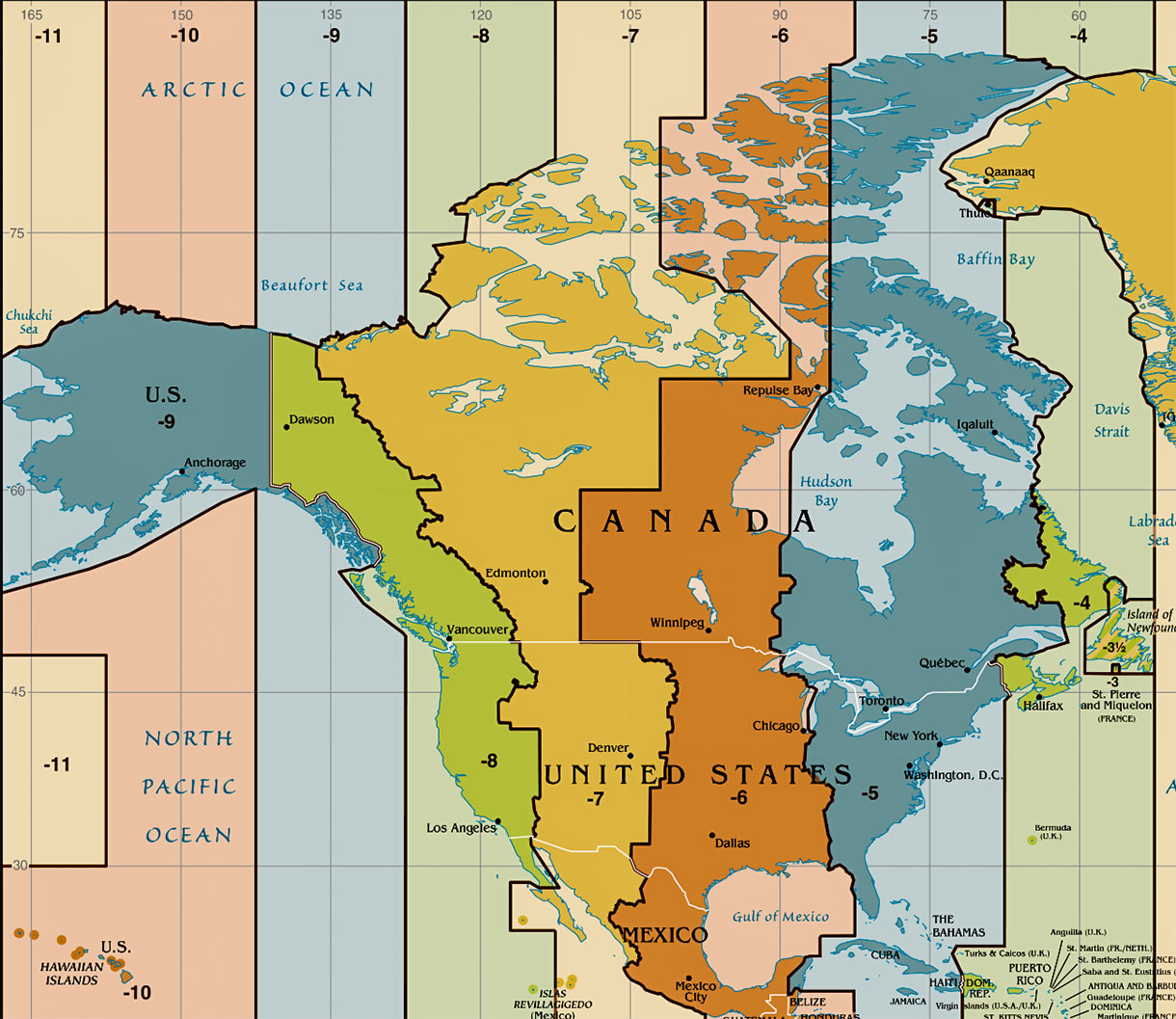
Geographical Scope: Beyond Mainland Alaska
While the term “Alaska Time Zone” might suggest it encompasses the entirety of the state, there’s a minor but important exception. The vast majority of mainland Alaska falls within AKST/AKDT, including major population centers and popular tourist destinations like Anchorage, Fairbanks, Juneau, Kodiak, and Nome. Even towns as far west as Barrow (Utqiaġvik) and Bethel adhere to this schedule.
However, a small portion of Alaska – specifically the westernmost part of the Aleutian Islands, west of 172° West longitude – observes Hawaii Standard Time (HST). This unique distinction is due to their extreme western longitude, placing them geographically closer to the Hawaii time zone than the rest of Alaska. While this affects a relatively small, sparsely populated area, it’s an interesting detail that highlights the immense geographical spread of the United States and the practical considerations involved in time zone delineation. For most travelers, this exception is unlikely to impact their plans unless they are venturing into these remote island chains, but it underscores the complexity that can arise when dealing with such vast territories. Additionally, some parts of the Yukon Territory in Canada also align with Alaska Time for cross-border consistency, particularly in areas like British Columbia that share a border with Alaska.
Navigating Time Differences Across the United States
For many, the biggest challenge with Alaska Time isn’t understanding its definition but rather comprehending its substantial difference from other major time zones within the United States. This disparity can significantly impact travel logistics, communication, and even the initial adjustment period for visitors.
Comparing AKST with Major US Time Zones
The time difference between Alaska and the Lower 48 can be quite significant, particularly as you move eastward. During Alaska Standard Time (AKST), the differences are as follows:
- Pacific Time (PT): Alaska is one hour behind PT. So, if it’s 10:00 AM in Anchorage, it’s 11:00 AM in Los Angeles or Seattle. This is the smallest time gap for most travelers from the continental United States.
- Mountain Time (MT): Alaska is two hours behind MT. When it’s 10:00 AM in Anchorage, it’s 12:00 PM in Denver or Phoenix.
- Central Time (CT): Alaska is three hours behind CT. If it’s 10:00 AM in Anchorage, it’s 1:00 PM in Chicago or Dallas.
- Eastern Time (ET): This is the largest difference within the contiguous United States, with Alaska being four hours behind ET. A 10:00 AM start in Anchorage means it’s already 2:00 PM in New York City or Washington D.C.
These differences remain consistent during Daylight Saving Time because all these time zones (except Hawaii and parts of Arizona) also shift forward by an hour. So, when Alaska is on AKDT, it’s still one hour behind PDT, two hours behind MDT, three behind CDT, and four behind EDT. This consistent offset simplifies mental calculations but highlights the remote geographical position of Alaska relative to the eastern seaboard.
The Unique Case of Hawaii Standard Time
The relationship between Alaska Time and Hawaii Standard Time (HST) presents an interesting case. HST is fixed at ten hours behind Coordinated Universal Time (UTC-10) and famously does not observe Daylight Saving Time. This non-observance creates a fluctuating time difference with Alaska.
- During Alaska Standard Time (AKST): When Alaska is on AKST (UTC-9), it is one hour ahead of Hawaii (UTC-10). For example, if it’s 10:00 AM in Anchorage (AKST), it’s 9:00 AM in Honolulu (HST).
- During Alaska Daylight Time (AKDT): This is where the difference expands. When Alaska shifts to AKDT (UTC-8) for Daylight Saving Time, Hawaii remains on HST (UTC-10). Consequently, Alaska becomes two hours ahead of Hawaii. If it’s 10:00 AM in Anchorage (AKDT), it’s 8:00 AM in Honolulu (HST).
This fluctuating difference is particularly important for those who might be traveling between these two non-contiguous states or managing business communications. It further emphasizes the need for careful time zone checking, especially during the spring and fall transitions of Daylight Saving Time.
Practical Implications for Travelers and Residents
For anyone venturing to Alaska or doing business with those based there, understanding Alaska Time is more than just an academic exercise. It has tangible, real-world impacts on travel planning, daily routines, and even personal well-being. From ensuring you don’t miss your glacier cruise to managing remote work, the time zone difference demands thoughtful consideration.
Planning Your Alaskan Adventure: Flights, Tours, and Accommodations
The first and most apparent impact of Alaska Time for travelers is on logistical planning. Flights arriving from the Lower 48 will land at a local time that is significantly earlier than the departure time in your home time zone. A flight leaving New York City at noon Eastern Time might arrive in Anchorage around 4:00 PM Alaska Time, making it seem like a relatively short journey. However, factoring in the four-hour time difference reveals a much longer travel day, often leading to fatigue. This is especially true for red-eye flights.
When booking accommodations, such as boutique hotels in Juneau or a cozy lodge in Denali National Park, it’s crucial to confirm check-in times in Alaska Time. Arriving too early or too late without prior arrangement can disrupt your plans. Similarly, scheduling tours and activities like bear viewing excursions, fishing charters, or scenic flights requires strict adherence to local time. Missing a departure by even a few minutes due to a time zone miscalculation can mean losing out on a significant experience and a hefty investment. Travelers should always double-check the time zone for all bookings and reservations, using a reliable time converter if necessary, to ensure a smooth and stress-free trip. This attention to detail is a hallmark of good travel planning and contributes to a superior tourism experience.
Business and Communication Across Time Zones
For businesses and individuals needing to communicate with people in Alaska, the time difference becomes a critical factor. For example, if you’re on the East Coast and need to schedule a business call with someone in Anchorage, a 9:00 AM ET meeting means calling at 5:00 AM AKST – an impractically early hour. Conversely, a 5:00 PM AKST call translates to 9:00 PM ET, pushing meetings late into the evening.
This challenge extends to supply chain logistics, remote work arrangements, and customer service operations. Companies with a national presence must meticulously plan their operating hours and communication windows to effectively serve their Alaskan clients or support their Alaskan employees. For instance, banking hours, government services, and online retail customer support all need to account for this temporal disparity. Understanding these nuances is a vital part of effective business operations and maintains strong connections despite geographical distance.
Adjusting to the Alaskan Rhythm: Overcoming Jet Lag
Perhaps the most personal impact of the time zone difference, especially for those traveling from the eastern United States or international destinations, is jet lag. A four-hour or more shift can significantly disrupt your circadian rhythm, leading to fatigue, irritability, difficulty sleeping, and digestive issues. While Alaska’s stunning scenery might provide a powerful distraction, ignoring the effects of jet lag can diminish your enjoyment of the destination.
To mitigate jet lag, experts recommend gradually adjusting your sleep schedule a few days before your trip by going to bed and waking up earlier. Upon arrival, try to immerse yourself in the local time as quickly as possible. Expose yourself to natural light during the day, even if you feel tired, and avoid heavy meals or excessive alcohol close to bedtime. Staying hydrated is also crucial. For those embarking on adventure tourism that requires peak physical condition, proper acclimatization to the time zone is essential. Many travelers find that allowing an extra day or two at the beginning of their trip for adjustment, perhaps exploring their arrival city like Anchorage or Juneau at a leisurely pace, greatly enhances their overall experience of Alaska. This thoughtful approach to lifestyle management ensures you are fully energized to embrace the wonders ahead.
Embracing Alaska’s Unique Charm: Time and Lifestyle
Beyond the practicalities of scheduling and communication, Alaska Time is intrinsically linked to the unique lifestyle and natural phenomena that define the Last Frontier. The state’s extreme northern latitude means that the perceived “time” of day can often feel at odds with the actual clock, particularly during the summer and winter solstices. This interaction between the clock and natural light patterns adds another layer to the Alaskan experience, shaping local culture and influencing tourism in profound ways.
Seasonal Daylight Variations and Their Impact
One cannot discuss Alaska Time without acknowledging the dramatic seasonal changes in daylight. While the clock ticks along consistently, the sun’s behavior is anything but. In summer, especially from late May to July, northern regions of Alaska experience the renowned Midnight Sun, where daylight can last for 20-24 hours. Even in Anchorage or Fairbanks, summer days are exceptionally long, with twilight lasting well past midnight. During this period, the concept of “Alaska Time” as a set hour might feel somewhat artificial, as the pervasive daylight blurs the lines between day and night. Tourists often find themselves energized by the continuous light, allowing for extended explorations and late-night activities such as evening hikes or fishing. Hotels and resorts in Alaska are well-equipped for this, often providing blackout curtains to help guests maintain a normal sleep cycle amidst the endless daylight.
Conversely, winter brings extremely short days and prolonged darkness. In December and January, areas north of the Arctic Circle, like Barrow (Utqiaġvik), experience weeks or even months of polar night, where the sun does not rise above the horizon. Even in cities further south, like Anchorage, winter days might only offer 5-6 hours of weak daylight. During these months, the time on the clock can feel surprisingly early or late compared to the ambient light, influencing mood and daily routines. This phenomenon makes Alaska a prime destination for viewing the spectacular Northern Lights, as the extended darkness provides ample opportunity to witness this natural wonder, often best viewed in the late evening or early morning Alaska Time. These extreme variations underscore how Alaska’s unique geography dictates a rhythm of life that transcends mere clock adjustments.
Experiencing Alaska’s Vastness and Natural Beauty
The vastness of Alaska and its position in the westernmost time zone of the United States contribute to a profound sense of remoteness and wildness that is central to its appeal. This unique temporal setting enhances the feeling of stepping into a different world, far removed from the hustle and bustle of more populated areas. For those seeking adventure travel or an escape into nature, the distinct time zone is an integral part of the experience. It forces a mental shift, encouraging travelers to slow down, disconnect, and immerse themselves fully in the Alaskan environment.
From the towering peaks of Denali National Park to the serene fjords near Skagway, Alaska offers a plethora of natural landmarks and cultural experiences that are often enhanced by the state’s unique light cycles. Photographers, in particular, cherish the prolonged golden hours of summer evenings, while winter visitors revel in the ethereal glow of the moon and stars under the Northern Lights. The concept of “Alaska Time” thus becomes more than a mere time zone; it symbolizes a different pace of life, a gateway to appreciating the grandeur of a truly wild frontier. It’s a testament to Alaska’s standing as a premier travel destination, offering a lifestyle and experiences unlike anywhere else on Earth.
In conclusion, “What is Alaska Time?” is a question that opens the door to understanding a vital aspect of traveling to and living in Alaska. It’s not just a matter of setting your watch, but recognizing a fundamental difference that impacts everything from flight connections and tour schedules to the very rhythm of daily life. By appreciating the nuances of Alaska Standard Time and Alaska Daylight Time, their geographical scope, and their practical implications, travelers can ensure a smoother, more enjoyable, and truly immersive experience in this magnificent state. Whether planning a luxury cruise through the Inside Passage or a budget-friendly adventure to see glaciers, a mindful approach to the clock will help you make the most of your time in the Last Frontier.
LifeOutOfTheBox is a participant in the Amazon Services LLC Associates Program, an affiliate advertising program designed to provide a means for sites to earn advertising fees by advertising and linking to Amazon.com. Amazon, the Amazon logo, AmazonSupply, and the AmazonSupply logo are trademarks of Amazon.com, Inc. or its affiliates. As an Amazon Associate we earn affiliate commissions from qualifying purchases.