Planning a trip to the Sunshine State? Whether you’re dreaming of sun-kissed beaches, thrilling theme parks, or vibrant city life, one of the most fundamental pieces of information you’ll need to know is, quite simply, “What time is it in Florida right now?” This seemingly simple question holds significant implications for every aspect of your travel experience, from booking flights and coordinating hotel check-ins to maximizing your time at attractions and enjoying the local culture. Understanding Florida’s time zones and how they impact daily life is crucial for a seamless and stress-free adventure.
This comprehensive guide will delve into the intricacies of time in Florida, exploring its different time zones, the practical impact on various travel categories – including accommodations, activities, and lifestyle – and offer invaluable tips to help you make the most of every moment. As a premier resource for travel, hotels, tourism, and lifestyle, we understand that time is often the most precious commodity for travelers. Let’s synchronize our watches and prepare for an unforgettable journey through Florida’s diverse landscapes and experiences.
Understanding Florida’s Time Zones
While much of the United States spans multiple time zones, Florida predominantly operates on one, with a notable exception in its western Panhandle. This distinction is critical for travelers, especially those planning to explore both the peninsula and the northwestern region of the state.
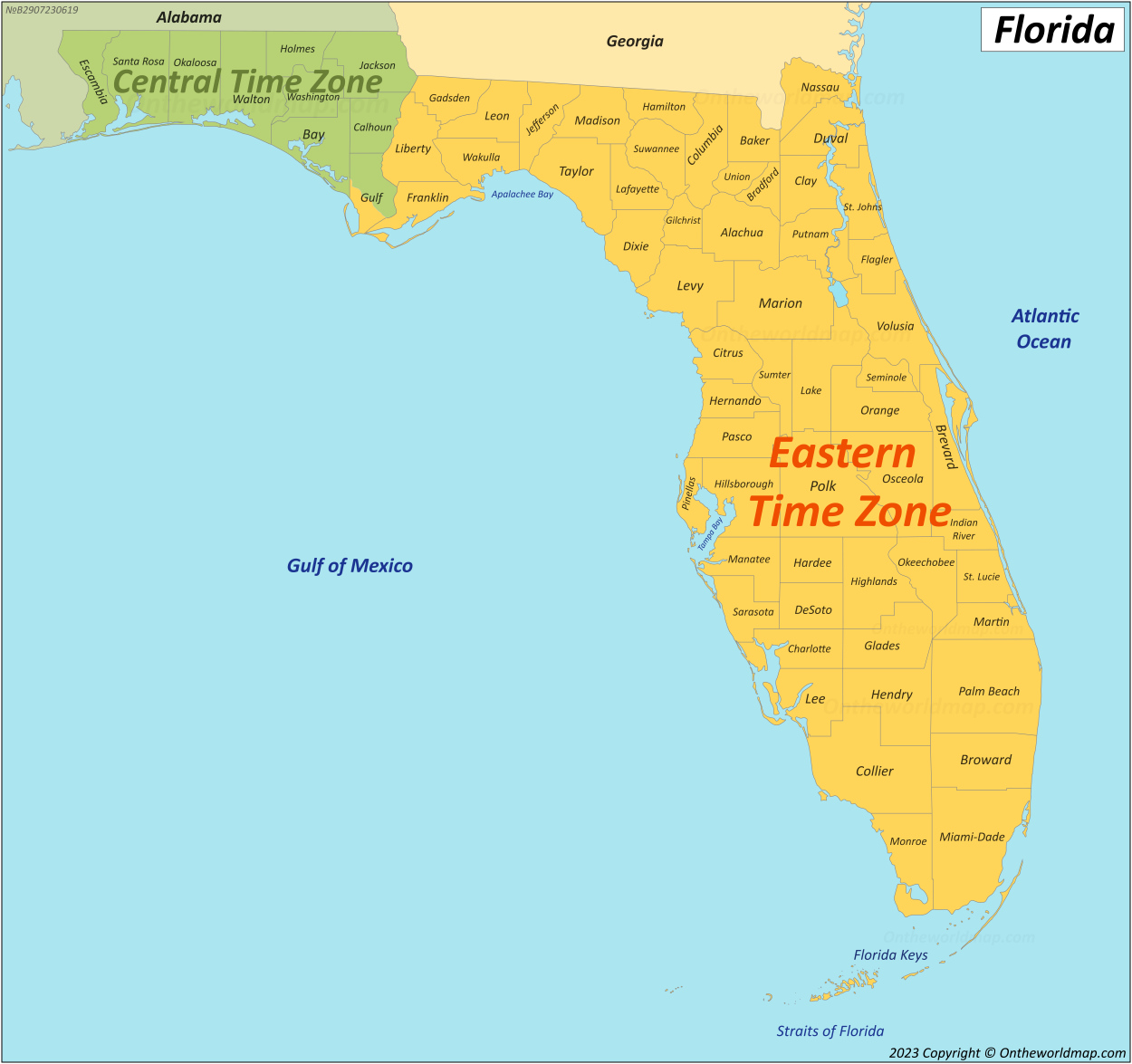
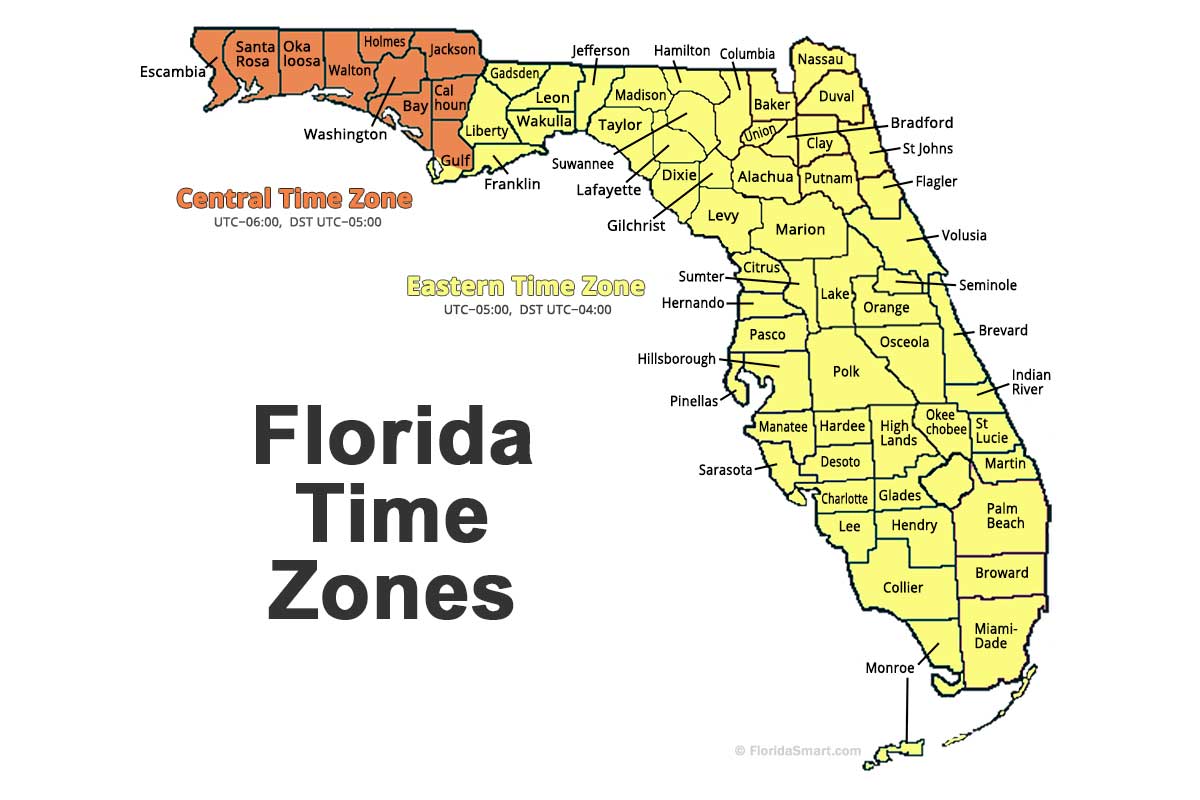
The vast majority of Florida, including popular destinations like Orlando, Miami, Tampa, Jacksonville, and Key West, observes the Eastern Time Zone (ET). This means that during standard time, it aligns with Eastern Standard Time (EST), which is UTC-5. When Daylight Saving Time is in effect, it switches to Eastern Daylight Time (EDT), which is UTC-4.
However, the western edge of the Florida Panhandle operates on the Central Time Zone (CT). This includes counties such as Escambia, Santa Rosa, Okaloosa, Walton, and a portion of Bay County (specifically, west of the Apalachicola River). Cities within this zone include Pensacola, Destin, Fort Walton Beach, and Panama City Beach. During standard time, it’s Central Standard Time (CST), UTC-6, and during Daylight Saving Time, it’s Central Daylight Time (CDT), UTC-5.
This means there’s a one-hour difference between most of Florida and its western Panhandle. If it’s 3:00 PM in Orlando (ET), it’s 2:00 PM in Pensacola (CT). This hour difference can easily cause confusion if not accounted for, especially when making cross-state travel arrangements or coordinating with people in different parts of the state. Always double-check the specific time zone for your destination within Florida to avoid missed flights, late arrivals, or simply showing up an hour too early for dinner reservations.
The Impact of Time on Your Florida Travel Experience
Understanding Florida’s time zones is more than just a trivial detail; it’s a cornerstone of effective travel planning. The clock dictates everything from the opening hours of world-renowned attractions to the serene rhythms of nature and the bustling nightlife.
Planning Your Itinerary: From Sunrise to Sunset
Florida’s diverse attractions offer something for everyone, but timing is paramount to truly maximize your visit.
For theme park enthusiasts heading to Walt Disney World Resort or Universal Orlando Resort, arriving at park opening (often referred to as “rope drop”) is a time-honored strategy to experience popular rides with shorter queues. This typically means setting an early alarm and accounting for travel time from your accommodation. Similarly, attractions like the Kennedy Space Center Visitor Complex often have specific launch times or presentation schedules that require careful planning.
Beyond the theme parks, many tours and guided experiences operate on strict schedules. A dolphin-watching cruise from Clearwater Beach, an airboat tour through the Everglades National Park, or a historical walking tour in St. Augustine all have designated start times. Missing these due to a time zone miscalculation or simply underestimating travel time can lead to disappointment and lost deposits. Even something as simple as catching one of Florida’s legendary sunsets requires knowing the local time; whether it’s the nightly celebration at Mallory Square in Key West or a tranquil evening on Siesta Key Beach, the magic is fleeting and precisely timed.
Accommodation and Check-in/Check-out Times
When it comes to hotels, resorts, and vacation rentals, adhering to check-in and check-out times is non-negotiable. Standard check-in is often around 3:00 PM or 4:00 PM, and check-out by 10:00 AM or 11:00 AM, all based on the local time of the property. For guests staying at magnificent resorts like the Walt Disney World Swan and Dolphin or Universal’s Hard Rock Hotel, early check-in or late check-out might be available for an additional fee or based on availability, but these requests are always contingent on the hotel’s local schedule.
If you’ve booked a vacation rental through platforms like Airbnb or VRBO, precise timing for arrival and departure is often even more critical, as hosts may need to coordinate cleaning services or personal key handovers. Failing to account for a time zone change if you’re driving from, say, Tallahassee (ET) to Destin (CT) for a rental can easily lead to arriving an hour early or late, causing inconvenience for both parties. Always confirm the local time for your accommodation and plan your journey accordingly, especially if you have connecting flights or airport transfers that rely on precise scheduling.
Dining and Nightlife: A Timely Delight
Florida’s culinary scene is as diverse as its landscape, offering everything from fresh seafood shacks to Michelin-starred restaurants. Timing, however, can define your dining experience. Many establishments, particularly in tourist-heavy areas like South Beach in Miami or the Restaurant Row in Orlando, require reservations, especially for prime dinner slots. Arriving an hour late due to time zone confusion could mean losing your table.
Similarly, happy hour specials, typically offered in the late afternoon, are a great way to enjoy drinks and appetizers at a reduced price. Missing these windows by even a few minutes can impact your budget. For those looking to experience Florida’s vibrant nightlife, clubs and bars often have specific opening and closing times, as well as peak hours for entertainment and crowd density. From live music venues in Ybor City to the sophisticated lounges of Palm Beach, being in sync with the local clock ensures you don’t miss out on the state’s after-dark offerings.
Maximizing Your Florida Adventure: Time-Saving Tips
A well-timed trip to Florida can elevate your experience from good to exceptional. Strategic planning, especially concerning the clock, can save you hours, reduce stress, and allow for deeper engagement with the state’s offerings.
Avoiding Crowds and Heat: Strategic Timing
Florida’s popularity means crowds, especially during peak seasons and holidays. Smart timing can help you navigate this. Visiting popular attractions like Busch Gardens Tampa Bay or SeaWorld Orlando right at opening, or during the last few hours before closing, often results in shorter lines and a more relaxed atmosphere. Mid-week visits, if your schedule allows, are also generally less crowded than weekends.
Beyond crowds, Florida’s sub-tropical climate means hot and humid summers. Planning outdoor activities, such as exploring the historic streets of St. Augustine, hiking in state parks, or simply lounging on Naples’ white sand beaches, for the early morning or late afternoon can help you avoid the intense midday sun and heat. Many tourists find that a mid-day break back at their air-conditioned hotel or enjoying an indoor attraction is the perfect strategy to recharge before resuming outdoor adventures.
Daylight Saving Time: Don’t Get Caught Off Guard
Florida observes Daylight Saving Time (DST), meaning clocks “spring forward” one hour in the spring and “fall back” one hour in the autumn. This transition, typically happening in March and November, can be a subtle but significant disruptor if you’re traveling during those periods.
When clocks move forward, you effectively “lose” an hour, which could impact early morning flights, tour departures, or even your internal body clock, leading to a bit of jet lag-like grogginess. Conversely, when clocks fall back, you “gain” an hour, which could lead to arriving an hour early for appointments if you forget to adjust. Always confirm the exact dates for Daylight Saving Time shifts if your travel dates fall near them, and double-check all your bookings and alarms to ensure you’re on the correct time. Many modern devices automatically update, but it’s always wise to manually confirm, especially for critical schedules.
Connecting with Local Culture: Timed Events
Immersing yourself in Florida’s rich local culture often involves participating in time-sensitive events. Farmers’ markets, like those found in Sarasota or Winter Park, typically operate only on specific mornings of the week. Local festivals, art walks, and live performances – from the Art Deco Historic District in Miami Beach to the historic reenactments at Castillo de San Marcos in St. Augustine – all adhere to precise schedules.
Many smaller, independent shops and local eateries also have more unique operating hours than larger chains. By knowing the local time and checking schedules in advance, you can ensure you don’t miss out on these authentic Florida experiences, whether it’s sampling fresh local produce, discovering unique artisanal crafts, or enjoying a performance that truly captures the spirit of the region.
Beyond the Clock: The Lifestyle of Florida
While knowing the exact time is a practical necessity, it also shapes the very essence of the Florida lifestyle. The concept of time in Florida extends beyond mere digits on a clock face; it influences the pace of life, the types of experiences available, and how different travelers choose to spend their precious moments.
Luxury and Leisure: Time for Indulgence
For those seeking luxury travel, time is often about indulgence and tailored experiences. This could mean precise tee times at world-class golf courses like the PGA National Resort & Spa in Palm Beach Gardens, timed spa treatments at opulent resorts, or meticulously planned yacht charters departing from Fort Lauderdale. Fine dining experiences often involve specific seating times and multi-course meals that unfold over several hours.
In the realm of luxury, managing time isn’t about rushing but about orchestrating a seamless flow of exclusive experiences. It’s about having the time to savor a gourmet breakfast with an ocean view, spending a leisurely afternoon by a private pool, and enjoying a captivating evening performance without feeling hurried. The clock, in this context, becomes a tool for curation, ensuring every moment is dedicated to relaxation, refinement, and personal enjoyment.
Budget and Family Travel: Making Every Minute Count
Budget-conscious and family travelers often view time as a resource to be optimized. “Early bird” specials for dining, taking advantage of free activities like park visits or beach days, and planning routes to minimize travel time between attractions are common strategies. For families, children’s schedules – naps, meal times, and bedtime routines – often dictate the rhythm of the day, making meticulous time management essential.
This approach means leveraging daylight hours for outdoor adventures, packing snacks to save time and money on impulse purchases, and identifying periods when attractions are less expensive or less crowded. From visiting the interactive exhibits at LEGOLAND Florida Resort to exploring the natural wonders of Lake Okeechobee, making every minute count is about maximizing value and creating memorable experiences within a set timeframe and budget.
Business Stays: Optimizing Productivity
For business travelers, time in Florida is synonymous with productivity and efficiency. This involves coordinating meeting schedules across different time zones (both within Florida and with colleagues elsewhere), ensuring timely arrival for conferences at venues like the Orange County Convention Center, and allocating time for networking events.
Business travel often demands strict adherence to itineraries, balancing work commitments with potential opportunities for local engagement. Efficient use of time can mean scheduling early morning meetings to free up afternoons for client visits, or utilizing evenings for networking dinners. For the business traveler, understanding local time is not just about avoiding tardiness; it’s about strategic planning to achieve professional objectives while perhaps still finding a brief moment to experience a glimpse of Florida’s unique charm.
In conclusion, “What time is it in Florida right now?” is a question with far-reaching implications for any traveler. From the initial planning stages to the daily rhythm of your vacation, a clear understanding of Florida’s time zones, the impact of Daylight Saving Time, and the strategic timing of your activities can profoundly shape your experience. Whether you’re chasing thrills, seeking relaxation, or conducting business, being in sync with the local clock is your key to unlocking the full potential of your Sunshine State adventure. So, set your watch, plan wisely, and prepare to immerse yourself in everything Florida has to offer.