
For anyone planning a trip, conducting business, or simply connecting with friends and family in the Golden State, knowing the precise time in California, United States, is paramount. California operates primarily within the Pacific Time Zone (PT), which observes two distinct phases throughout the year: Pacific Standard Time (PST) and Pacific Daylight Time (PDT). Understanding this dynamic is crucial for seamless travel, efficient business communication, and optimizing every aspect of your California experience.
Understanding California’s Time Zone: Pacific Standard and Daylight Saving Time
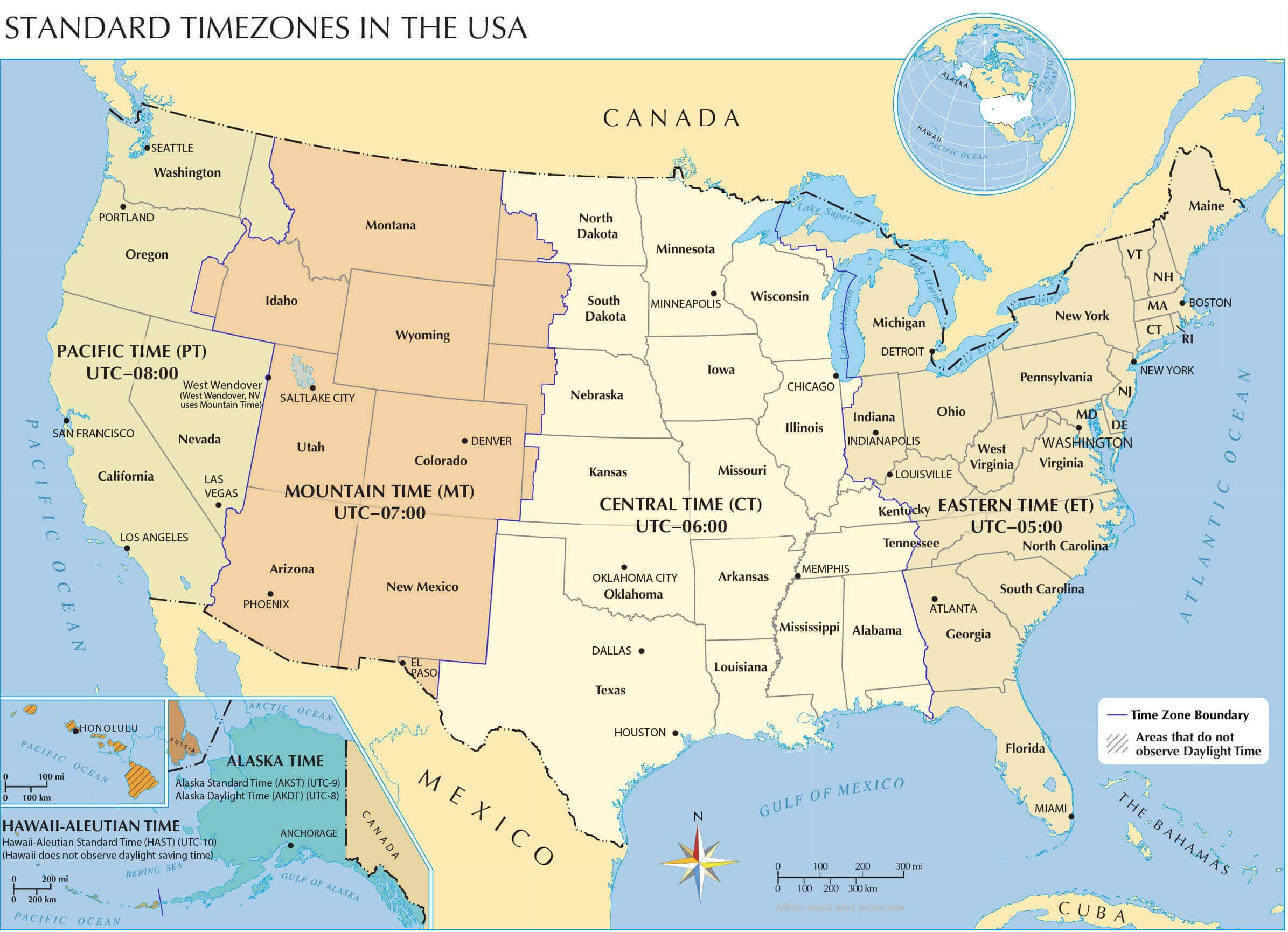
At its core, California adheres to the Pacific Time Zone, which is observed across the western third of the US. This time zone is significant for its offset from Coordinated Universal Time (UTC). During the winter months, from early November to mid-March, California is on Pacific Standard Time (PST), which is UTC-8 hours. This means if it’s noon UTC, it’s 4:00 AM in California.
However, like most of the United States, California observes Daylight Saving Time. On the second Sunday in March, clocks “spring forward” one hour, shifting to Pacific Daylight Time (PDT). This places California at UTC-7 hours. The change back to PST occurs on the first Sunday in November, when clocks “fall back” one hour. This seasonal adjustment aims to make better use of daylight, extending evenings and impacting everything from business hours to evening leisure activities.
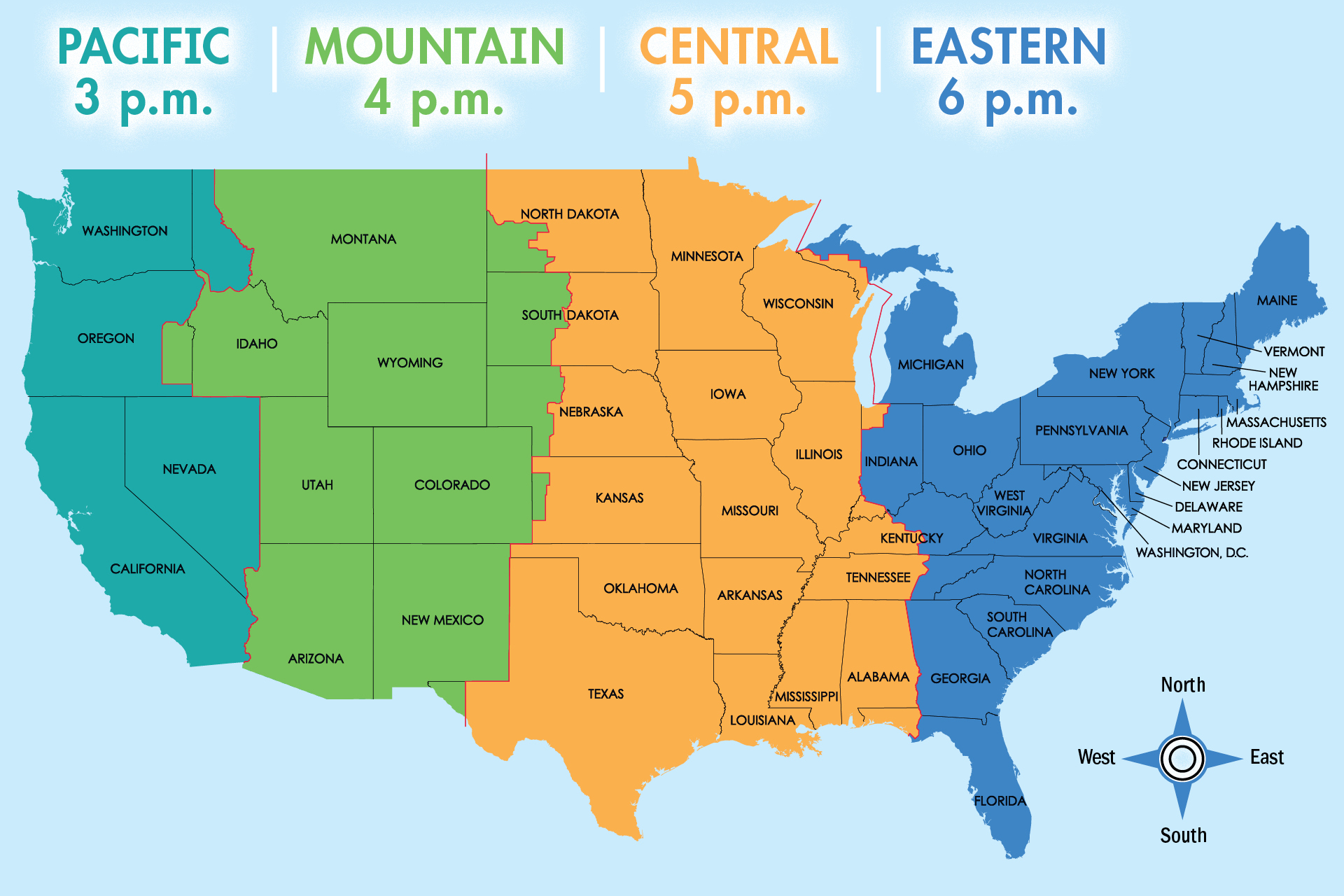
The implications of these time differences are particularly apparent when communicating or traveling across different time zones. For instance, when it’s noon in Los Angeles (PT), it’s 3:00 PM in New York (Eastern Time Zone) and 2:00 PM in Chicago (Central Time Zone). Internationally, the gap is even more pronounced: a noon call from California means coordinating with 8:00 PM in London (Greenwich Mean Time/GMT) or 4:00 AM the following day in Tokyo. A clear understanding of these offsets is not just a matter of curiosity; it’s a foundational element for seamless planning and enjoyable experiences in the Golden State.
Navigating Time Differences for Seamless California Travel
For any visitor, whether on a family vacation, a romantic getaway, or a crucial business trip, effectively managing time differences is paramount to a successful California adventure. From booking flights to scheduling your daily activities, every aspect of your travel experience can be influenced by the clock. This holds true whether you’re arriving from across the United States or from an international destination, making the impact of the Pacific Time Zone a central consideration for any thoughtful itinerary.
Planning Your Itinerary and Bookings
One of the most immediate impacts of time differences is on your travel logistics. When booking flights, especially those arriving in major California hubs like Los Angeles, San Francisco, or San Diego, always confirm arrival times in local Pacific Time. Miscalculating this can lead to missed connections, late arrivals at your chosen accommodation, or even arriving when your intended destination is closed.
Similarly, booking hotels, resorts, apartments, or villas requires careful attention to check-in and check-out times, which are always stated in local California time. If you’re arriving early morning from an overnight flight from the East Coast, for example, you might consider booking an extra night or arranging for an early check-in (if available) to avoid waiting hours for your room. The same applies to restaurant reservations in bustling culinary centers like Beverly Hills or the Napa Valley, where popular dining spots book up quickly. Showing up an hour late due to a time zone miscalculation could mean forfeiting your table.
For those on business stays, managing conference calls and virtual meetings across different time zones is a daily challenge. A 9:00 AM meeting in New York translates to a 6:00 AM start in California, demanding early mornings. Conversely, an afternoon meeting in San Francisco could mean colleagues on the East Coast are working late into the evening. Planning these interactions requires clear communication and a shared understanding of local times to ensure everyone is on the same page. When scheduling visits to attractions or tours, always double-check opening and closing hours, as these are strictly regulated by local time and can change seasonally with Daylight Saving Time.
Conquering Jet Lag for a Better Experience
Beyond the logistical challenges, the physiological impact of crossing multiple time zones – commonly known as jet lag – can significantly affect your travel experiences. Symptoms like fatigue, insomnia, headaches, and digestive issues can dampen even the most exciting California adventure. Effectively managing jet lag is key to enjoying your trip from the moment you land.
Before your trip, try to gradually adjust your sleep schedule to align closer with Pacific Time. Shift your bedtime by an hour or two each night in the days leading up to your departure. During your flight, stay hydrated, avoid excessive alcohol and caffeine, and try to sleep according to your destination’s time. Upon arrival in California, immediately adopt the local schedule. Even if you’re exhausted, try to stay awake until local bedtime. Exposure to natural light, especially in the morning, can help reset your internal clock. Take a walk along Venice Beach or explore a park like Golden Gate Park to soak in the morning sun.
Light exercise, such as a gentle swim at your hotel’s pool or a stroll along the Santa Monica Pier, can also aid in adjustment. While it’s tempting to nap, try to keep naps short and early in the day to avoid disrupting nighttime sleep. Understanding and actively combating jet lag ensures that you are energized and ready to immerse yourself in California’s vibrant local culture and myriad activities rather than spending your precious vacation time feeling out of sync.
Time-Sensitive Experiences and Must-See California Landmarks
California’s diverse landscape and rich culture offer an endless array of landmarks and experiences, many of which are best enjoyed at specific times of day. Timing is everything, whether you’re chasing the perfect photograph, seeking solitude, or diving into the heart of the local scene. Planning your visits with the clock in mind can transform a good trip into an unforgettable one, allowing you to appreciate the natural beauty, architectural marvels, and culinary delights that define the Golden State.
Dawn to Dusk: Making the Most of Iconic Sites
Some of California’s most iconic landmarks offer distinct experiences depending on the time of day. Imagine witnessing the sunrise paint the sky over the Golden Gate Bridge in San Francisco, a truly magical moment that requires an early start but rewards with fewer crowds and breathtaking light. Conversely, catching a sunset over the Pacific Ocean from a scenic spot in Malibu or Laguna Beach is a quintessential California experience that culminates at a specific hour.
Theme parks like Disneyland Resort in Anaheim or Universal Studios Hollywood in Los Angeles also demand strategic timing. Arriving right at opening (rope drop) allows you to experience popular attractions with minimal wait times. Late evenings, especially during fireworks displays or special events, offer a different kind of magic, but also require awareness of closing times and crowd patterns. Similarly, visiting popular museums like the Getty Center or the Griffith Observatory in Los Angeles might be best in the morning to avoid peak afternoon crowds, especially on weekends.
Even natural landmarks like Yosemite National Park or Joshua Tree National Park have optimal times. Early morning hikes offer cooler temperatures and better wildlife viewing, while late afternoon provides incredible golden hour photography opportunities. The scorching heat of summer in places like Death Valley makes early morning or late evening the only safe times for outdoor exploration. Checking the specific operating hours, seasonal variations, and even tide charts for coastal attractions like the Monterey Bay Aquarium or tide pools along Big Sur is always a smart move.
Culinary Adventures on California Time
California’s food scene is as diverse as its geography, offering everything from Michelin-starred restaurants to bustling farmer’s markets. However, truly enjoying these culinary experiences often hinges on timing. Popular brunch spots in San Francisco or Napa Valley can have notoriously long waits, making early arrival or a well-timed reservation crucial. Similarly, securing a prime dinner reservation in Beverly Hills or Sacramento’s farm-to-fork establishments often requires booking weeks, if not months, in advance.
Food tours, wine tastings in Sonoma or Paso Robles, and cooking classes usually run on fixed schedules. Punctuality ensures you don’t miss out on any part of the delicious journey. Exploring local culture through farmer’s markets, such as those found in almost every California city, often means visiting in the morning for the freshest produce and best selection. Evening street food festivals or night markets also operate within specific hours, offering a chance to sample diverse cuisines under the stars. Being aware of meal times and planning around them ensures that your culinary adventures are as smooth and satisfying as your sightseeing.
Optimizing Your California Accommodation and Activities
The choice and timing of your accommodation and daily activities are deeply intertwined with the clock, especially in a state as expansive and diverse as California. From the moment you check into your hotel to the last outdoor adventure, strategic time management can significantly enhance your comfort, convenience, and overall lifestyle experience. This planning is particularly vital for maximizing every moment of your journey, whether it’s a quick getaway or a long-term stay.
From Check-in to Check-out: Maximizing Your Stay
Understanding hotel policies regarding check-in and check-out times is fundamental, and these are always set according to Pacific Time. If your flight lands early in Los Angeles from the East Coast, it might be 6:00 AM local time, hours before your typical 3:00 PM check-in. In such cases, communicating with your hotel or resort in advance to request an early check-in, or planning to use their luggage storage facilities, can save you from unnecessary waiting. Some resorts and luxury hotels offer flexible check-in/out times, or suites with concierge services that can assist with early arrivals, enhancing your experience and mitigating jet lag.
Similarly, on your departure day, a late flight might mean you need to arrange for a late check-out or simply store your luggage at the hotel while you enjoy a final few hours exploring. For guests in apartments or villas, particularly for long-term stays, understanding the rhythm of daily life – from garbage collection schedules to neighborhood quiet hours – becomes part of the local culture you embrace. Utilizing your accommodation’s amenities – be it a gym, spa, or business center – also adheres to local operating hours, which can be affected by the time zone shift if you’re still adjusting. Being punctual for spa appointments or scheduled activities within your resort ensures you get the most out of your investment.
Activities and Experiences Across California’s Diverse Landscapes
California’s vast geographical diversity, stretching from the temperate coast to arid deserts and towering mountains, means that optimal times for activities vary greatly. For coastal adventures, morning is often ideal for surfing in Santa Cruz or sailing in San Diego due to calmer waters and less wind, while afternoon is perfect for soaking up the sun on Venice Beach.
Inland, hiking in Yosemite National Park or Redwood National Park is best enjoyed in the cooler morning hours, especially during warmer seasons, to avoid the midday sun and crowds. Visiting the iconic giant sequoias in Sequoia National Park also benefits from early starts. For desert regions like Palm Springs, Joshua Tree, or Death Valley, outdoor activities are almost exclusively confined to early mornings or late evenings from late spring through early autumn, as midday temperatures can be dangerously high.
Even road trips between iconic destinations, such as driving from Lake Tahoe to San Francisco or along Highway 1 through Big Sur, require careful timing. Factors like rush hour traffic in major metropolitan areas like Los Angeles or Silicon Valley, or seasonal road closures in mountain passes, can drastically alter travel times. Planning for optimal driving hours not only saves time but also enhances the journey itself. From hot air balloon rides over the Coachella Valley at dawn to stargazing at Mount Whitney late at night, every special experience in California is framed by the clock. Being mindful of the Pacific Time Zone and its seasonal shifts allows you to orchestrate your ideal California lifestyle from start to finish.
In conclusion, knowing “What Time Is It In California United States?” is far more than a simple inquiry about the hour. It’s the starting point for meticulous planning, smooth transitions, and maximizing every moment of your visit to this incredible state. From understanding Pacific Standard Time and Pacific Daylight Time to strategizing against jet lag, booking accommodation, and perfectly timing your visits to world-renowned landmarks and culinary hotspots, the clock is your indispensable companion. Embrace the rhythm of California time, and you’re sure to unlock a truly unforgettable travel experience.
LifeOutOfTheBox is a participant in the Amazon Services LLC Associates Program, an affiliate advertising program designed to provide a means for sites to earn advertising fees by advertising and linking to Amazon.com. Amazon, the Amazon logo, AmazonSupply, and the AmazonSupply logo are trademarks of Amazon.com, Inc. or its affiliates. As an Amazon Associate we earn affiliate commissions from qualifying purchases.