
Navigating the vibrant landscapes and diverse attractions of Florida, often referred to as the Sunshine State, is a dream for many travelers. From the thrilling theme parks of Orlando to the sun-drenched beaches of Miami and the historic charm of St. Augustine, there’s an endless array of experiences awaiting. However, before you pack your bags and plan your itinerary, there’s a crucial detail that often surprises first-time visitors and even some seasoned travelers: Florida isn’t entirely in a single time zone. While the vast majority of the state observes the Eastern Time Zone, a significant portion of its western Florida Panhandle operates on Central Time Zone.
Understanding these distinctions is paramount for anyone planning a trip, booking accommodations, coordinating business meetings, or simply trying to catch a flight. A miscalculation of even an hour can lead to missed reservations, delayed check-ins, or a chaotic start to your much-anticipated vacation. This comprehensive guide will delve into the time zone intricacies of Florida, exploring the geographical divisions, the impact of Daylight Saving Time, and offering practical tips for seamless travel and enjoyment of all the Sunshine State has to offer. Whether you’re planning a luxurious resort stay, a budget-friendly family adventure, or an important business trip, mastering Florida’s time zones is your first step towards a stress-free journey.
The Dual Time Zones of the Sunshine State
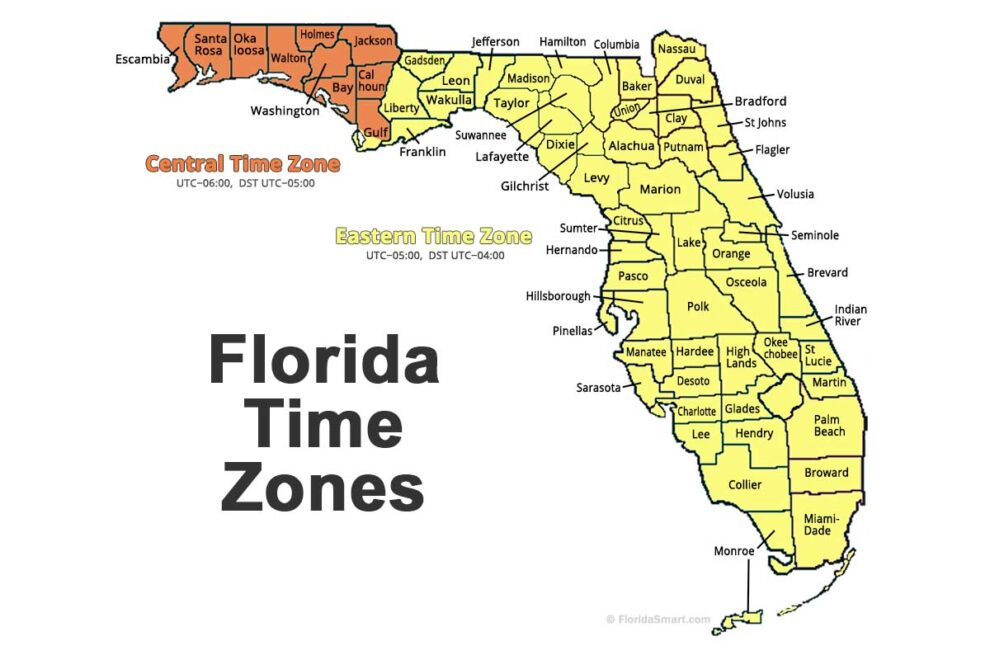
Florida’s unique geographical shape, stretching long and narrow with its prominent panhandle, is the primary reason it straddles two distinct time zones. Most of the state, including its most populous areas and popular tourist destinations, falls under the Eastern Time Zone. However, the westernmost counties of the Florida Panhandle observe the Central Time Zone, creating a fascinating, albeit sometimes confusing, temporal divide. This division roughly follows the Apalachicola River, making it a key landmark for understanding the time zone boundary.
Eastern Standard Time (EST) / Eastern Daylight Time (EDT)
The vast majority of Florida operates on Eastern Time. This means that during standard time, it is Eastern Standard Time (EST), which is five hours behind Coordinated Universal Time (UTC-5). When Daylight Saving Time is in effect, the clocks spring forward an hour, shifting to Eastern Daylight Time (EDT), making it UTC-4.
This encompasses virtually all of the iconic destinations that draw millions of visitors annually. If your travel plans include any of the following, you’ll be operating on Eastern Time:
- Major Cities: Miami (Miami Beach, South Beach), Orlando, Jacksonville, Tampa, St. Petersburg, Fort Lauderdale, West Palm Beach, Sarasota, Naples, Fort Myers, Daytona Beach, Tallahassee (the state capital), Key West, and the entire Florida Keys.
- Theme Park Hubs: The magic of Walt Disney World Resort, the adventures at Universal Orlando Resort, and the aquatic wonders of SeaWorld Orlando all adhere to Eastern Time.
- Space Coast: Kennedy Space Center Visitor Complex and the surrounding areas are also on Eastern Time.
- Natural Wonders: Iconic landmarks such as Everglades National Park and the beaches of Clearwater Beach are also in this time zone.
For anyone flying into major airports like Orlando International Airport (MCO), Miami International Airport (MIA), or Tampa International Airport (TPA), you can confidently set your watch to Eastern Time. This consistency simplifies planning for most visitors, allowing for smooth coordination of hotel check-ins, attraction timings, and dining reservations across the state’s most popular travel corridors.
Central Standard Time (CST) / Central Daylight Time (CDT)
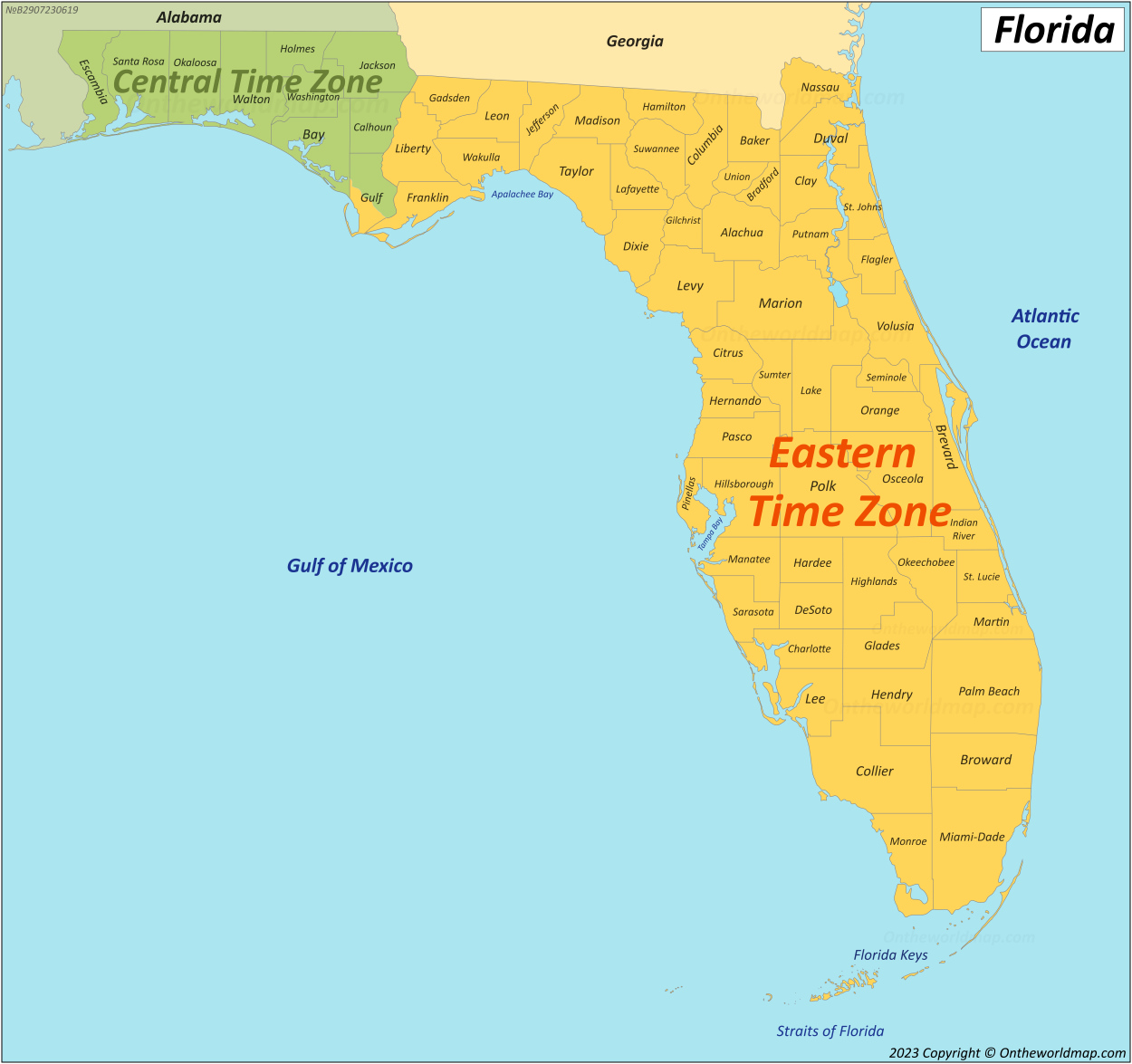
While most of Florida is in the Eastern Time Zone, a distinct section of the western Florida Panhandle observes Central Time. This region includes the counties of Escambia, Santa Rosa, Okaloosa, and Walton, along with most of Bay County. The boundary is generally understood to be the Apalachicola River, although some small variations exist historically and geographically along this line.
In the Central Time Zone, standard time is Central Standard Time (CST), which is six hours behind Coordinated Universal Time (UTC-6). During Daylight Saving Time, it shifts to Central Daylight Time (CDT), making it UTC-5. This means that the Central Time Zone in Florida is always one hour behind the Eastern Time Zone.
Key cities and destinations in the Florida Panhandle that adhere to Central Time include:
- Pensacola: Known for its historic downtown, beautiful beaches, and naval aviation history.
- Destin: Famous for its pristine white sand beaches and emerald green waters, often called the “world’s luckiest fishing village.”
- Panama City Beach: A popular destination for spring breakers and families, offering extensive beaches and entertainment options.
- Fort Walton Beach: Another stunning beach town in the heart of the Emerald Coast.
If your travel plans involve flying into Pensacola International Airport (PNS) or Northwest Florida Beaches International Airport (ECP), you’ll be operating on Central Time. The one-hour difference might seem minor, but it can be a significant factor when coordinating multi-leg journeys, arranging pick-ups, or simply ensuring you don’t miss an early morning tour. Travelers driving across the state, particularly along Interstate 10 in the panhandle, should be especially vigilant for the time zone change, which occurs around the Calhoun County / Gulf County line, roughly coinciding with the Apalachicola River.
Navigating Daylight Saving Time in Florida
Like most of the United States, Florida observes Daylight Saving Time (DST). This means that on the second Sunday in March, clocks “spring forward” one hour, and on the first Sunday in November, they “fall back” one hour. This practice shifts daylight to the evening hours, which is particularly appealing in a state that thrives on tourism and outdoor activities.
During the DST period, Eastern Standard Time becomes Eastern Daylight Time (UTC-4), and Central Standard Time becomes Central Daylight Time (UTC-5). The one-hour difference between the two zones within Florida remains consistent, regardless of whether it’s standard time or daylight saving time.
Interestingly, Florida has been at the forefront of discussions about making Daylight Saving Time permanent. In 2018, the state legislature passed the Sunshine Protection Act, which would keep Florida on Daylight Saving Time year-round. This act would effectively eliminate the bi-annual clock change, providing more evening daylight throughout the year. However, for this to take effect, it requires approval from the U.S. Congress, which has not yet been granted.
The implications of permanent Daylight Saving Time for a travel and tourism-centric state like Florida are significant. More evening daylight could translate to longer operating hours for attractions, more opportunities for outdoor activities, and a general boost to the local economy. For travelers, it would mean a more predictable schedule without the disruption of time changes. As of now, however, visitors must still account for the “spring forward” and “fall back” dates if their trip coincides with these transitions.
Practical Implications for Travelers and Tourists
Understanding Florida’s time zones isn’t just about knowing what time it is; it’s about optimizing your travel experience and avoiding potential headaches. For a state that thrives on its tourism, hotel, and lifestyle industries, time zone awareness is a cornerstone of smooth operations and enjoyable visits.
Planning Your Itinerary and Booking Accommodation
One of the most critical aspects affected by time zones is itinerary planning. When booking flights, especially those with connections or arriving from different time zones, always confirm the local time of arrival and departure. A flight scheduled to land at 10:00 AM in Pensacola (CT) might feel like an 11:00 AM arrival for someone traveling from Orlando (ET), potentially impacting connecting flights or pre-arranged transportation.
Accommodation bookings, whether for a luxury resort in Naples, an apartment in Miami Beach, or a villa near Walt Disney World Resort, also hinge on precise timing. Hotel check-in and check-out times are strictly adhered to local time. Arriving an hour late for check-in because you forgot about a time zone change could lead to delays, while a miscalculation on check-out could incur extra charges. When comparing hotel availability and prices across different regions of Florida, be mindful that an early start in Panama City Beach (CT) is effectively an even earlier start if you’re coordinating with someone in Tampa (ET).
Beyond flights and hotels, tour schedules, restaurant reservations, and attraction opening/closing times are all set to local time. Imagine booking a sunset dolphin cruise from Destin at 6:00 PM (CT), only to realize it’s 7:00 PM (ET) for your family member who flew into Jacksonville. These small discrepancies can quickly unravel a carefully planned vacation. Always double-check event times against the local time zone of the activity.

Communication and Business Stays
For those on business trips or combining work with leisure, time zone differences can significantly impact productivity and communication. Coordinating virtual meetings, conference calls, or client presentations across Florida’s two time zones, let alone with colleagues in other parts of the United States or internationally, requires careful planning. A 9:00 AM meeting for someone in Miami is an 8:00 AM start for a colleague in Pensacola. This is especially pertinent for business travelers utilizing co-working spaces or serviced apartments, where adherence to scheduled commitments is crucial.
Lifestyle considerations also come into play. If you’re a remote worker enjoying the Florida lifestyle, you need to align your work schedule with your company’s primary time zone. This might mean starting your workday earlier or ending it later than usual, depending on your location within the state. For luxury travel, where precise scheduling of private transfers, exclusive dining experiences, or bespoke tours is standard, any time zone confusion can disrupt the seamless flow expected from high-end services.
Local Culture and Experience
Time zones also subtly influence the local culture and daily rhythms. In the Eastern Time Zone, cities like Orlando and Miami experience earlier sunrises and sunsets compared to cities in the Central Time Zone. This can impact popular activities such as catching the sunrise over the Atlantic Ocean or a sunset over the Gulf of Mexico. An earlier sunset in the Eastern Time Zone might mean evening dining starts earlier, while a later sunset in the Central Time Zone could allow for extended beach time before dinner.
Local festivals, events, and sports games will always advertise their schedules in local time. For example, a Miami Heat basketball game will start at Eastern Time, while a minor league baseball game in Pensacola will be on Central Time. Being aware of this ensures you don’t miss out on local experiences and helps you immerse yourself fully in the Florida lifestyle.
Tips for a Seamless Florida Experience
To ensure your trip to the Sunshine State is as smooth and enjoyable as possible, keep these practical tips in mind regarding its time zones:
- Always Confirm Local Time: When booking flights, hotels, tours, or any activities, pay close attention to the specified time zone. Most reputable booking platforms will indicate this, but a quick confirmation call or check on their website can prevent misunderstandings.
- Use Reliable Time Zone Apps: Modern smartphones and smartwatches automatically adjust to local time based on your location. However, it’s wise to have a dedicated world clock or time zone converter app handy, especially if you’re moving between Florida’s two zones or coordinating with people in different parts of the country.
- Adjust Your Devices Manually (If Necessary): While automatic updates are common, sometimes devices might lag or require a manual refresh, especially in areas with spotty signal. Before a critical appointment, double-check that all your essential devices (phone, laptop, smartwatch) reflect the correct local time.
- Be Mindful When Crossing Zones: If you’re driving across Florida, particularly along the Florida Panhandle, be aware of the approximate point where the time zone changes (around the Apalachicola River). Road signs might occasionally indicate the change, but it’s best to anticipate it. A useful trick is to remember that the Central Time Zone is always one hour behind the Eastern Time Zone.
- Plan Buffer Time: When making critical connections or appointments, build in a buffer. An extra hour’s leeway can absorb any unexpected delays or time zone confusion, ensuring you arrive relaxed and on time. This is particularly valuable for family trips where schedules can often be unpredictable.
- Consider the Impact of Daylight Saving Time: If your visit coincides with the “spring forward” or “fall back” dates in March or November, be extra vigilant. Ensure all your bookings and plans account for this one-hour shift.
In conclusion, while the question “What time zone is Florida?” may seem straightforward, the answer reveals a unique geographical and temporal reality. The vast majority of the Sunshine State operates on Eastern Time, encompassing its bustling cities, world-famous theme parks, and vibrant coastal communities. However, the distinct portion of the western Florida Panhandle observes Central Time, creating a crucial one-hour difference.
For travelers, hoteliers, and those engaged in Florida’s thriving tourism and lifestyle sectors, understanding this dual time zone system is not merely a matter of trivia. It’s an essential piece of planning that impacts everything from flight schedules and hotel check-ins to business meeting coordination and the enjoyment of local cultural experiences. By keeping these distinctions in mind and utilizing the practical tips provided, you can navigate Florida’s time zones with confidence, ensuring a seamless, stress-free, and truly unforgettable journey across this diverse and beautiful state.
LifeOutOfTheBox is a participant in the Amazon Services LLC Associates Program, an affiliate advertising program designed to provide a means for sites to earn advertising fees by advertising and linking to Amazon.com. Amazon, the Amazon logo, AmazonSupply, and the AmazonSupply logo are trademarks of Amazon.com, Inc. or its affiliates. As an Amazon Associate we earn affiliate commissions from qualifying purchases.