
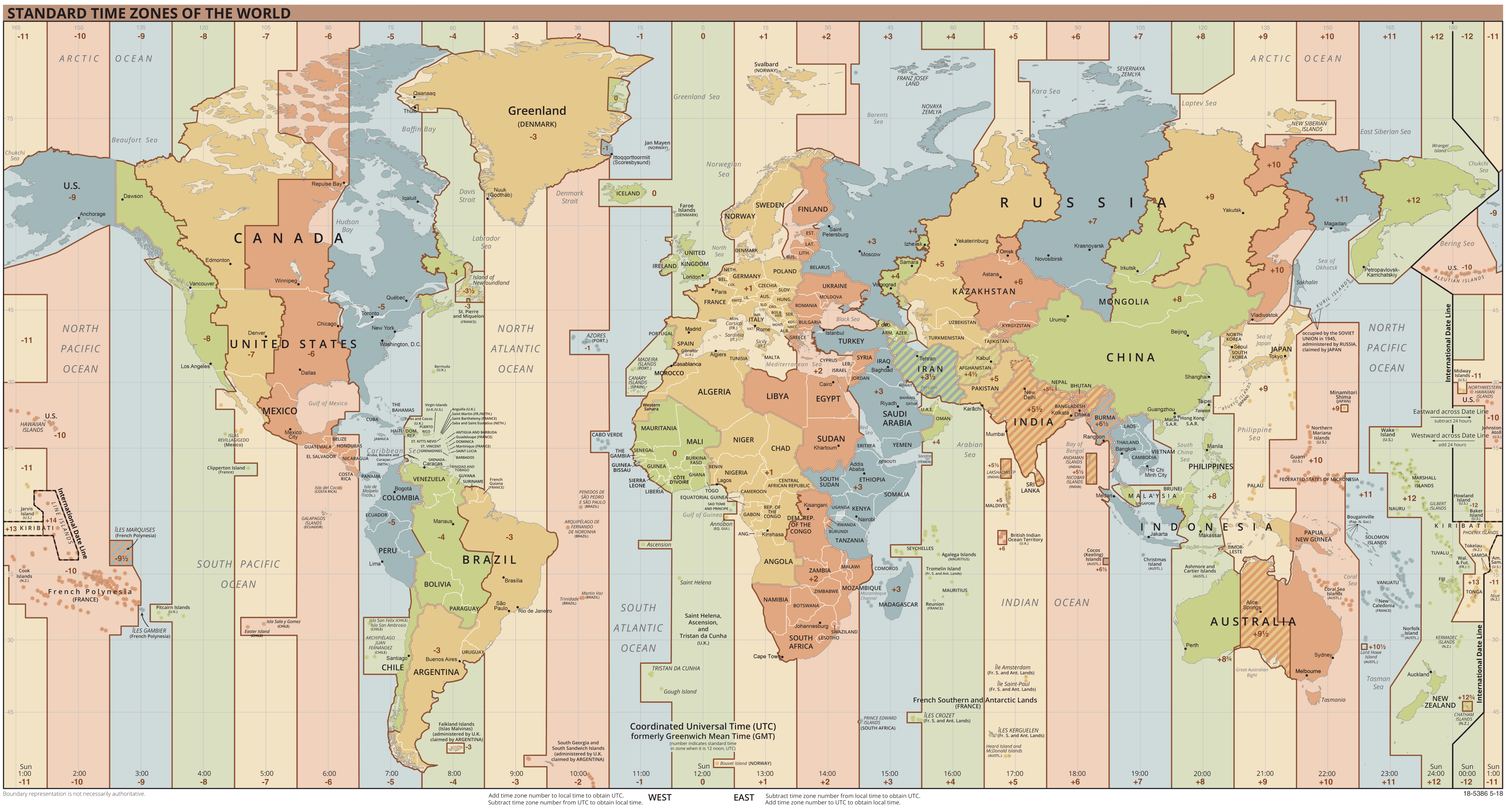
For travelers planning a journey to the western Pacific Ocean, understanding the local clock is more than just a matter of logistics; it is an entry point into the unique cultural and rhythmic pulse of the island. Guam is located in the Chamorro Standard Time (ChST) zone. This timezone is technically defined as UTC+10, meaning the island is ten hours ahead of Coordinated Universal Time. Because Guam is an unincorporated territory of the United States, it holds a prestigious and often-celebrated title: “Where America’s Day Begins.”
Understanding Chamorro Standard Time (ChST)
The Chamorro Standard Time zone serves as the temporal heartbeat for Guam and the Commonwealth of the Northern Mariana Islands. Unlike many regions in the United States mainland or Europe, Guam does not observe Daylight Saving Time. The clock remains consistent throughout the year, which is a significant advantage for tourism planning. Visitors do not need to worry about “springing forward” or “falling back,” ensuring that flight schedules and tour bookings remains stable regardless of the season.
The Geography of Time in Micronesia
Situated in the region of Micronesia, Guam sits on the opposite side of the International Date Line from the continental United States. This positioning creates a dramatic time difference for domestic travelers. For example, when it is 8:00 AM on a Monday morning in Hagatna, it is often still Sunday afternoon in California or New York.
This geographical reality places Guam in a similar time bracket as major Asia hubs. It shares the same timezone as Brisbane, Australia, and is only one hour ahead of Japan and South Korea. This proximity makes the island an incredibly popular destination for tourists from these neighboring countries, as they can experience a tropical United States environment without the grueling effects of a ten-hour time shift.
“Where America’s Day Begins”
The slogan “Where America’s Day Begins” is a point of immense local pride. As the sun rises over the cliffs of Ritidian Point, the residents of Guam are the first American citizens to greet the new calendar day. For tourists, this adds a symbolic layer to their visit. Many travelers make it a point to visit Two Lovers Point early in the morning to witness the very first sunrise on American soil. This early start to the day influences the local lifestyle, where morning markets and outdoor activities often peak before the midday tropical sun reaches its zenith.
Practical Tips for Navigating Time in Guam
Navigating a ten-hour difference from the United Kingdom or a fifteen-hour difference from the United States East Coast requires strategic planning. For the international tourist, the goal is to synchronize the body’s internal clock with the vibrant rhythm of island life as quickly as possible.
Managing Jet Lag for International Visitors
Travelers arriving from North America or Europe often face significant jet lag. The best tip for overcoming this is to immediately lean into the local food scene and sunshine. Upon landing at Antonio B. Won Pat International Airport, try to stay awake until at least 8:00 PM local time.
Engaging in light physical activity, such as a stroll through Ypao Beach Park, can help reset your circadian rhythm. The natural light from the Philippine Sea helps signal to your brain that it is daytime. Additionally, staying hydrated with local refreshments, like fresh coconut water found at roadside stands in Inarajan, can mitigate the fatigue associated with long-haul travel across multiple time zones.
Coordinating with the United States Mainland
For business travelers or those needing to call home to the United States, the time difference can be tricky. A helpful rule of thumb is that Guam is 14 hours ahead of Eastern Daylight Time and 15 hours ahead of Eastern Standard Time. When planning communications, the “early morning/late evening” rule works best. Most people in Guam find that their early morning (7:00 AM) is the best time to catch family members in the United States during their late afternoon or evening of the previous day.
How the Local Clock Shapes Tourism Activities
The timezone and the tropical climate work together to dictate the “best” times for various tourism experiences. In Guam, the clock doesn’t just tell you when to eat; it tells you when the island is most alive.
Sunrises at Two Lovers Point
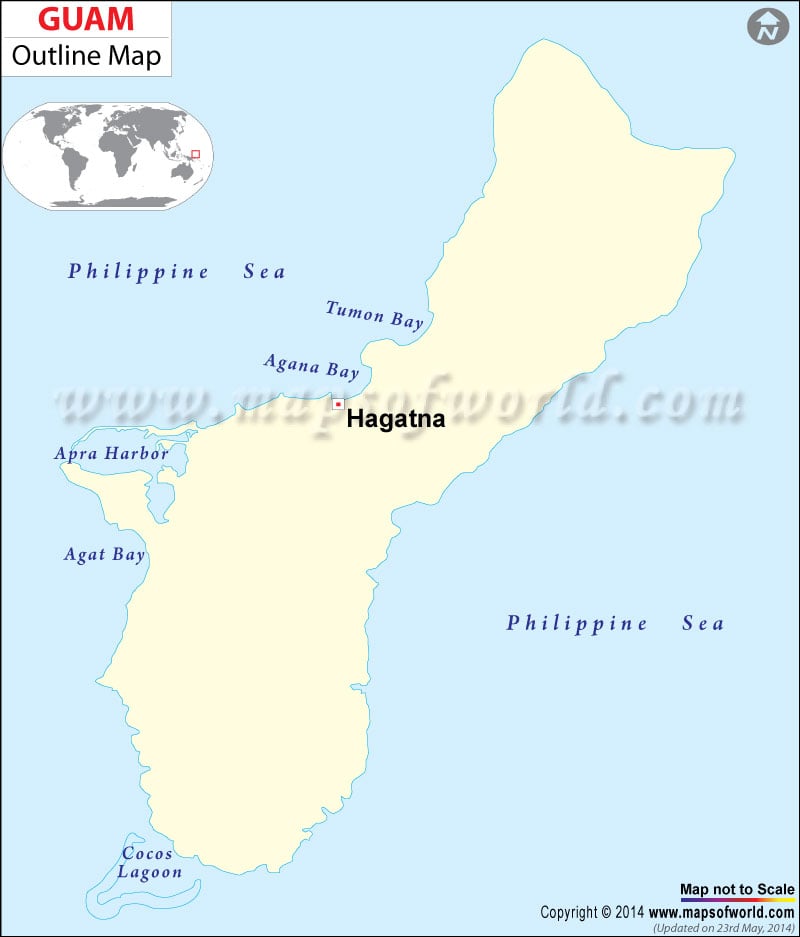
Because Guam is so far east, the sun rises earlier than many visitors expect. Two Lovers Point, or Puntan Dos Amantes, is the island’s most iconic landmark. While it is a popular spot for sunset, the sunrise experience is arguably more profound. Being there at 6:00 AM allows you to see the light hit the Philippine Sea while the air is still cool. This is a top tip for photographers looking for the “golden hour” without the heavy crowds that gather later in the day.
Evening Markets and Nightlife in Tumon
As the sun sets, the energy of the island shifts to Tumon, the tourism heart of Guam. The timezone allows for a seamless transition from beach activities to vibrant nightlife. One of the most essential tourism tips is to plan your visit around the Chamorro Village Wednesday Night Market in Hagatna.
The market typically begins around 5:30 PM, just as the tropical heat begins to dissipate. Here, the concept of time slows down. You can spend hours sampling local delicacies like red rice, chicken kelaguen, and barbecued skewers. The timing of the market is perfect for families and solo travelers alike, offering a safe and engaging way to experience Chamorro culture under the stars.
Cultural Nuances and Island Time
While the official timezone is Chamorro Standard Time, visitors will quickly encounter a local concept known as “Island Time.” This is not a formal timezone but rather a cultural approach to life that prioritizes presence and personal connection over strict adherence to the second hand of a watch.
The Pace of Life in Hagatna
In the capital city of Hagatna, the pace of life reflects a blend of modern United States administrative efficiency and traditional Pacific relaxation. When visiting historical sites like the Dulce Nombre de Maria Cathedral Basilica or the Latte Stone Park, it is best to adopt a slower pace.
Tourism in Guam is most rewarding when you allow for flexibility in your schedule. A planned thirty-minute visit to a historical landmark can easily turn into an hour-long conversation with a local artisan or a detour to a nearby food truck. Embracing this shift in tempo is a key part of the “local experience.”
Planning Around Public Holidays and Festivals
The local calendar is punctuated by “village fiestas,” which are essential for any tourist wanting to dive into the culture. Each of the 19 villages in Guam has its own patron saint and a corresponding feast day. These celebrations often take place on weekends.
Knowing the local calendar is just as important as knowing the timezone. For instance, Liberation Day, celebrated on July 21st, is the biggest holiday on the island. It commemorates the day the United States forces landed in 1944 to liberate the island from occupation. If your travel coincides with this date, expect a massive parade in Hagatna and various carnival activities that run on a very different “event clock” than your typical workday.
Strategic Travel Planning for the Pacific
When you consider that Guam is a gateway to the rest of Micronesia, its timezone becomes a strategic advantage. It serves as a perfect “rest stop” for travelers heading to Palau, the Federated States of Micronesia, or the Marshall Islands.
Adventure Timing: Mount Lamlam and Ritidian Point
For the more adventurous tourist, the clock dictates the safety and enjoyment of outdoor excursions. If you plan to hike Mount Lamlam, which is technically the tallest mountain in the world if measured from the bottom of the Mariana Trench, an early start is mandatory. Most seasoned hikers begin their ascent by 6:30 AM to ensure they are back down before the peak heat of 11:00 AM.
Similarly, Ritidian Point, which is part of the Guam National Wildlife Refuge, has specific operating hours. The gates typically open at 7:30 AM and close strictly at 4:00 PM. Because it is located at the northernmost tip of the island, travelers must account for the drive time from Tumon to ensure they get enough beach time before the refuge closes.
Water Activities and Tide Times
While the timezone is fixed, the “water time” is dictated by the tides of the Pacific Ocean. For those interested in snorkeling at Fish Eye Marine Park or diving the Blue Hole, checking the local tide charts is vital. High tide often provides the best visibility and safety for exploring the coral reefs. Many local tour operators align their schedules with these natural cycles rather than just the top of the hour.
In conclusion, while the answer to “What timezone is Guam in?” is a simple “Chamorro Standard Time (UTC+10),” the implications of that answer are vast for any tourist. It dictates the breathtaking sunrises at Two Lovers Point, the bustling evening energy of the Chamorro Village, and the necessary early starts for hiking Mount Lamlam. By understanding and respecting both the official clock and the cultural “island time,” visitors can fully immerse themselves in the rich, sun-drenched experience of Guam.
LifeOutOfTheBox is a participant in the Amazon Services LLC Associates Program, an affiliate advertising program designed to provide a means for sites to earn advertising fees by advertising and linking to Amazon.com. Amazon, the Amazon logo, AmazonSupply, and the AmazonSupply logo are trademarks of Amazon.com, Inc. or its affiliates. As an Amazon Associate we earn affiliate commissions from qualifying purchases.