
The allure of Hawaii is undeniable. From the emerald cliffs of the Na Pali Coast to the bustling streets of Honolulu, the islands represent the quintessential tropical paradise. However, for many travelers planning their dream vacation to this archipelago in the Pacific Ocean, a common question arises: “Do Hawaii have hurricanes?” While the islands are famously synonymous with sunshine and trade winds, they are not immune to the forces of nature. Understanding the dynamics of tropical cyclones in the United States only state located in Polynesia is essential for any savvy tourist looking to balance adventure with safety.
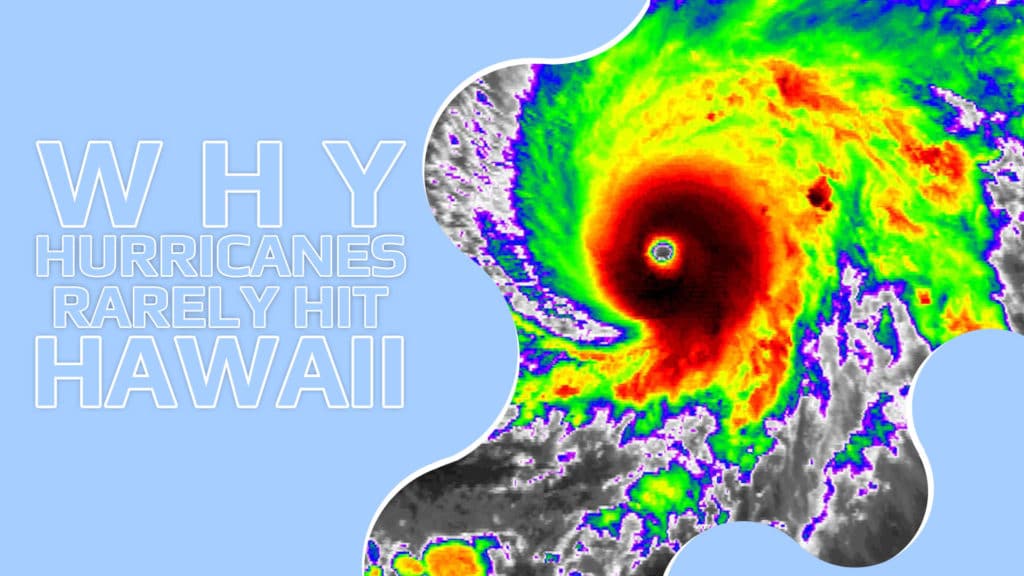
The Reality of Hurricane Season in the Central Pacific
The short answer is yes, Hawaii does experience hurricanes, although they are significantly less frequent than in the Caribbean or along the Gulf Coast of North America. The official hurricane season in the Central Pacific runs from June 1st through November 30th. During this window, the atmospheric conditions are most conducive to the formation of tropical depressions, storms, and full-scale hurricanes.
Why Direct Hits are Rare
Despite being located in a vast tropical ocean, the Hawaiian Islands are hit by major hurricanes only once every few decades. Several geographical and meteorological factors provide a natural “shield” for the islands. First, the massive high-pressure system known as the North Pacific High typically steers storms away from the islands, pushing them either to the south or the west.
Second, the waters immediately surrounding Hawaii are often cooler than the deep tropical waters where these storms intensify. Hurricanes require warm water—typically above 80 degrees Fahrenheit—to maintain their strength. As storms approach the islands from the east, they often encounter cooler water and increased wind shear, which tends to tear the organized structure of the storm apart, weakening it into a tropical storm or a remnant low before it makes landfall.
Historical Precedents
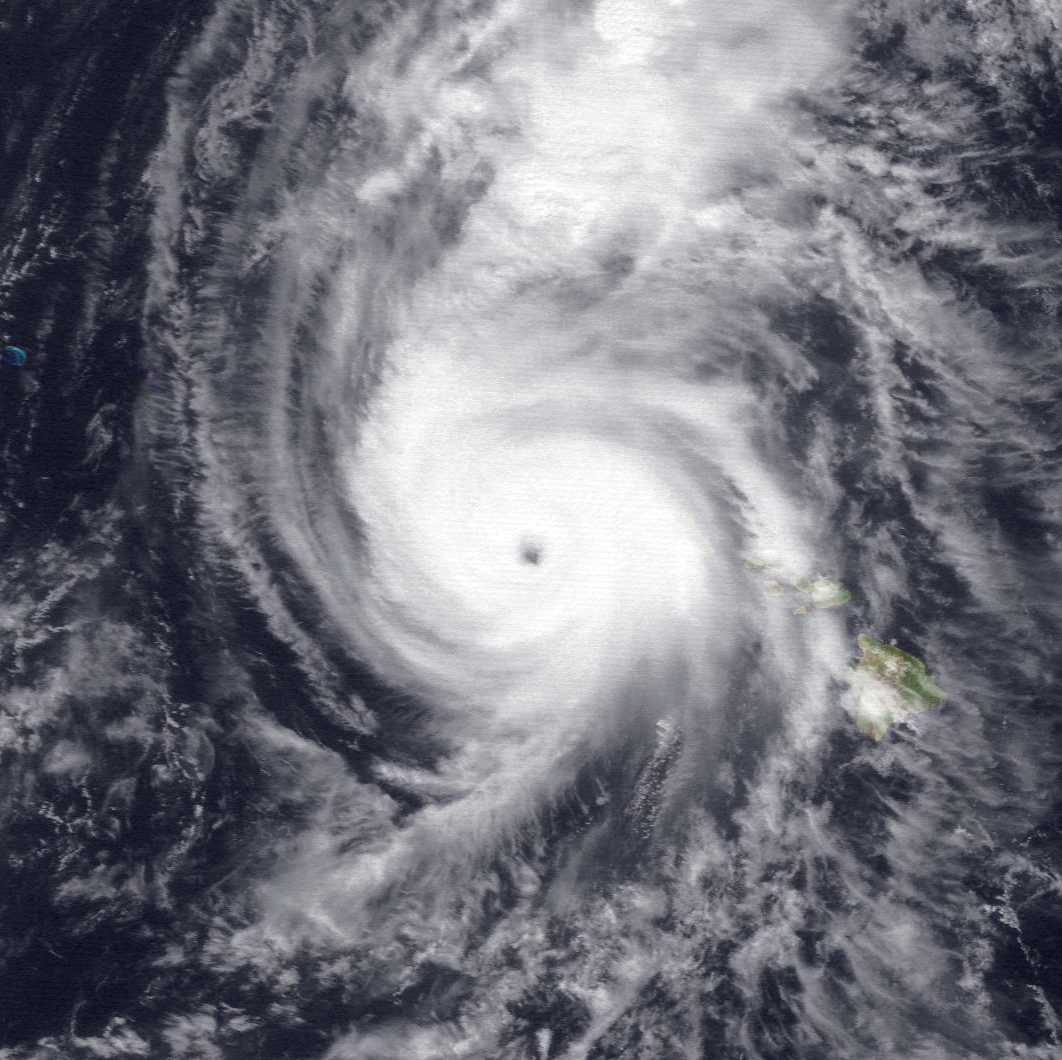
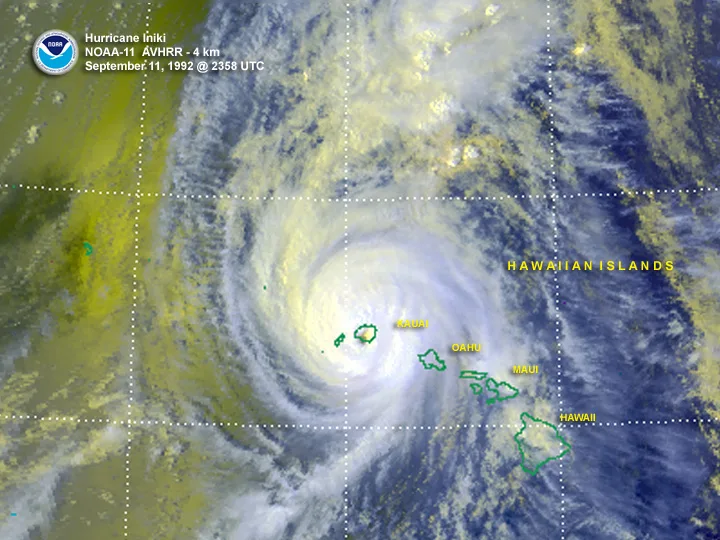
While rare, history shows that the islands are not invincible. The most devastating event in modern history was Hurricane Iniki, which struck the island of Kauai in September 1992. It was a Category 4 storm that caused billions of dollars in damage and forever changed the landscape of the “Garden Isle.” Before that, Hurricane Iwa caused significant damage in 1982, particularly on Kauai and Oahu. More recently, in 2018, Hurricane Lane brought record-breaking rainfall to the Big Island, even though the center of the storm did not make a direct hit. These events serve as reminders that tourism in the islands requires a degree of respect for the power of the Pacific Ocean.
Essential Safety Tips for Tourism and Travel
When planning a trip during the hurricane season, tourists should not be deterred, but they should be prepared. The Hawaii Tourism Authority works closely with weather experts to ensure that visitors are kept safe during any potential weather event.
Monitoring Weather Updates
The most important tip for any traveler is to stay informed. The Central Pacific Hurricane Center, located in Honolulu, provides real-time tracking and forecasts. Most major resorts in areas like Waikiki or Ka’anapali have sophisticated emergency protocols. If a storm is approaching, hotels will typically provide guests with detailed instructions regarding evacuation routes or “shelter-in-place” procedures. It is also wise to download the FEMA app or follow the National Weather Service on social media for instant alerts.
Travel Insurance and Flexibility
Given that hurricane season coincides with the popular summer and fall travel months, purchasing travel insurance is a highly recommended tip. Ensure that your policy covers “trip cancellation” or “trip interruption” due to weather events. If a hurricane warning is issued, airlines like Hawaiian Airlines or United Airlines often waive change fees, allowing travelers to reschedule their tropical getaway for a safer time. Flexibility is key when dealing with Mother Nature.
Packing for the Unpredictable
Even if a full-scale hurricane doesn’t hit, the proximity of a tropical system can lead to heavy rain and high humidity. Travelers should pack high-quality rain gear, waterproof bags for electronics, and sturdy footwear. If you are staying in a vacation rental in a more remote area, such as the Puna district or the North Shore of Oahu, it is a good idea to keep a small supply of bottled water and non-perishable snacks, just in case local power is temporarily affected.
Impact on Activities and Local Landmarks
Weather doesn’t just affect safety; it dictates the flow of tourism activities. When a tropical storm or hurricane lingers nearby, the impact on local attractions can be significant.
Ocean Safety and Water Activities
For many, the primary draw of Hawaii is the ocean. However, hurricanes thousands of miles away can generate massive swells. While this might sound like a dream for professional surfers at Banzai Pipeline, it creates extremely dangerous conditions for the average swimmer or snorkeler. During high-surf advisories, popular spots like Hanauma Bay or Poipu Beach may close to the public. Always heed the warnings of local lifeguards and pay attention to the color-coded flags on the beach.
Hiking and National Parks
The mountainous terrain of the islands makes them susceptible to flash flooding and landslides during heavy rain. If a storm is in the vicinity, the National Park Service may close certain areas for safety. For instance, the trails at Haleakala National Park on Maui or the crater rim at Hawaii Volcanoes National Park can become treacherous with high winds and low visibility. Similarly, landmarks like Diamond Head State Monument may close their gates if conditions pose a risk to hikers. Always check the official website of the Department of Land and Natural Resources before heading out on a trail.
Helicopter Tours and Boat Excursions
One of the best ways to see the Na Pali Coast or the hidden waterfalls of Hilo is by air or sea. However, these activities are the first to be cancelled when weather patterns shift. Wind gusts associated with tropical systems make helicopter flight unstable, and choppy seas make boat tours around Molokini Crater uncomfortable and unsafe. If your heart is set on these experiences, try to book them for the beginning of your trip so you have buffer days to reschedule if the weather turns.
Local Culture and Community Resilience
The way the local community responds to the threat of a hurricane is a testament to the spirit of “Aloha” and “Malama” (to care for). In Hawaii, preparing for a storm is a communal effort.
The Concept of Ohana in Times of Crisis
When a storm approaches, you will see residents boarding up windows and stocking up on supplies at local markets in Kona or Lihue. For the tourist, this is an opportunity to observe the local culture’s emphasis on family and community. It is common for neighbors to help one another, and this extends to visitors as well. Local “Aunty” and “Uncle” figures in the community often take it upon themselves to ensure that travelers understand the risks and are well-fed and safe.
Traditional Knowledge and Modern Science
The indigenous Native Hawaiians have lived in harmony with these islands for centuries. Their oral histories and “mo’olelo” (stories) often contain references to great winds and storms. Today, this traditional knowledge is often combined with modern meteorology. Understanding the “signs” of the land—such as the behavior of certain birds or the stillness of the air—is a local skill that adds a layer of depth to the tourist experience. Engaging with local cultural centers, such as the Polynesian Cultural Center, can provide visitors with a deeper appreciation for how the people of Hawaii have historically navigated the challenges of their environment.
Planning Your Trip: When to Visit
If the idea of a hurricane is a major concern, planning your trip outside of the peak months of August and September is a smart move. While the season officially begins in June, the vast majority of tropical activity occurs in late summer when the ocean temperatures are at their highest.
Visiting during the “shoulder” seasons—such as April, May, or October—often provides the best balance. During these months, the weather is typically spectacular, the crowds are thinner at Pearl Harbor, and the risk of a major tropical system is significantly lower. Winter in Hawaii brings its own set of weather patterns, including “Kona Storms” which can bring heavy rain, but these are not tropical in nature and rarely reach the intensity of a hurricane.
Ultimately, Hawaii remains one of the safest and most beautiful destinations in the world. While the question “Do Hawaii have hurricanes?” is met with a “Yes,” the statistical probability of your vacation being ruined by a major storm is quite low. By staying informed, remaining flexible, and respecting the local environment, you can enjoy all the wonders of the islands with peace of mind. Whether you are exploring the lush rainforests of Kauai or sunbathing on the sands of Lanai, the islands’ beauty far outweighs the rare occurrence of a storm.
LifeOutOfTheBox is a participant in the Amazon Services LLC Associates Program, an affiliate advertising program designed to provide a means for sites to earn advertising fees by advertising and linking to Amazon.com. Amazon, the Amazon logo, AmazonSupply, and the AmazonSupply logo are trademarks of Amazon.com, Inc. or its affiliates. As an Amazon Associate we earn affiliate commissions from qualifying purchases.