
The recent discourse surrounding the implementation of the Central Business District Tolling Program in New York City has been nothing short of a digital firestorm. Across various subreddits dedicated to urban planning, travel, and local politics, the proposal to charge motorists for entering the busiest sectors of Manhattan has sparked a fierce debate about the future of metropolitan tourism. For travelers planning their next excursion to the Big Apple, understanding this shift is essential, as it fundamentally alters the logistics of experiencing one of the world’s most iconic urban landscapes.
The Shift in Urban Mobility and Visitor Expectations
For decades, the narrative of a New York City vacation often included the rhythmic hum of yellow taxis and the freedom of driving through the grid-locked streets of Midtown. However, the new congestion pricing model represents a paradigm shift that Reddit communities have been dissecting with fervor. The core of the argument—and the primary point of contention among prospective visitors—is whether the cost of access will discourage the casual car-dependent traveler or encourage a more seamless, transit-oriented exploration of the city.

Rethinking the “Drive-In” Vacation
Many users on platforms like r/AskNYC have expressed concerns that the toll could inflate the cost of short-term car rentals for those visiting New Jersey or the outer boroughs. The financial friction of entering the Central Business District—defined as the area south of 60th Street—has prompted many travelers to pivot their strategies. Instead of renting vehicles, visitors are increasingly looking toward high-speed rail access via Penn Station or the Port Authority Bus Terminal.
The Impact on Transit-Oriented Tourism
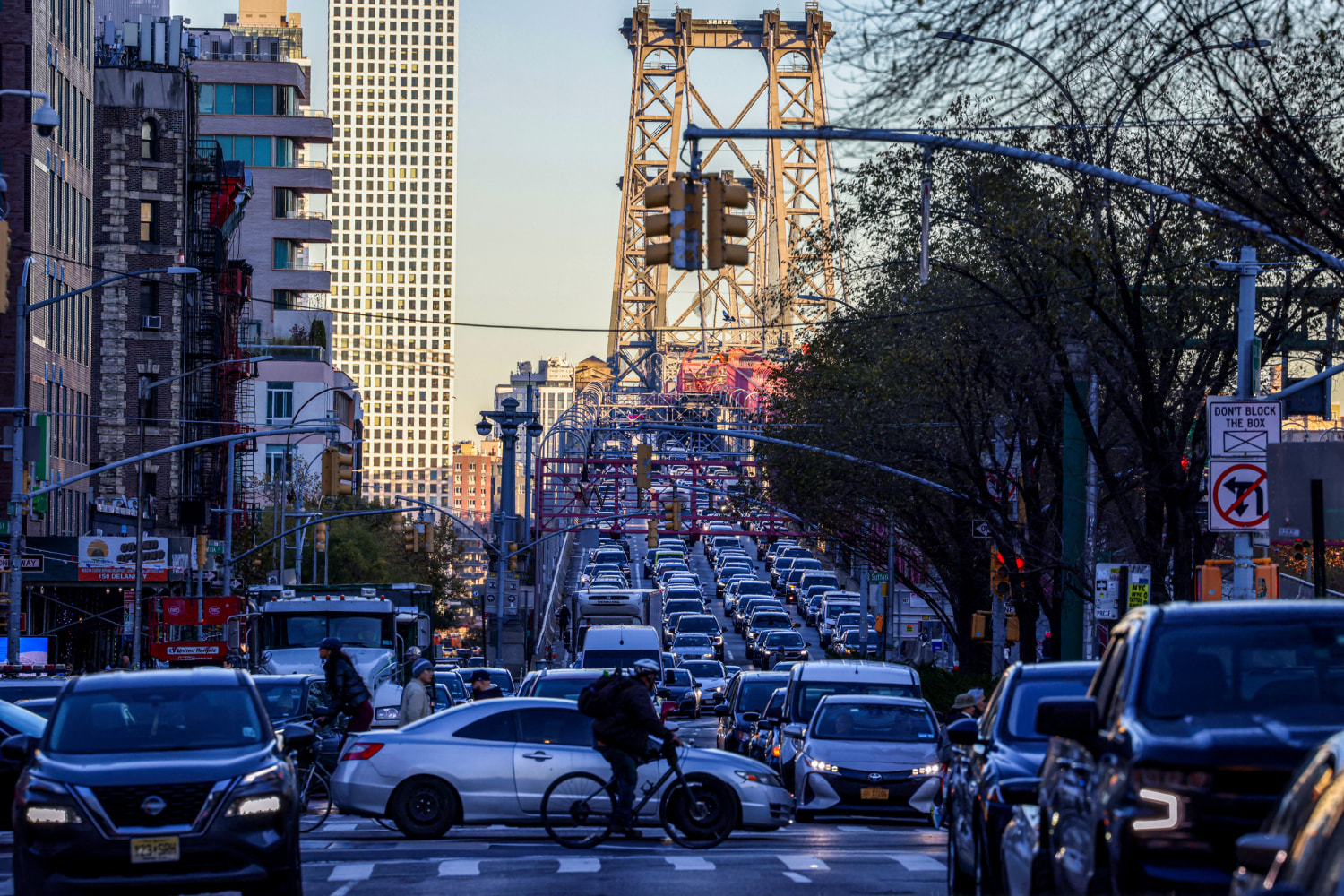
The digital consensus suggests that this policy might actually enhance the quality of the tourism experience. By reducing the sheer volume of idling vehicles near major landmarks like Times Square or Grand Central Terminal, the pedestrian experience is expected to improve. Reddit threads frequently highlight that a less congested city center allows for better utilization of the MTA subway system, which serves as the lifeblood of the United States most walkable metropolis.
Navigating the Costs: What It Means for Your Itinerary
When dissecting the financial implications of congestion pricing, travelers must consider the trade-offs. The toll, while a significant line item for commuters, is being framed by some urban advocates as a necessary tax to fund the revitalization of the New York City Subway. For a tourist, this means that the premium paid to enter the city is essentially an investment in the infrastructure they will use to reach Central Park or the Museum of Modern Art.
Calculating the Total Trip Budget
On Reddit, budget-conscious travelers are actively building calculators to determine if the toll, combined with expensive garage parking fees in Lower Manhattan, outweighs the convenience of driving. For those staying at boutique hotels in Tribeca or SoHo, the math is increasingly pointing toward utilizing ride-sharing services that account for the toll or relying exclusively on public transit. The conversation has moved from “how do I bring my car?” to “what is the most efficient way to access Broadway?”

The Evolution of the Tourist Experience
The goal of the pricing model is to de-clutter the streets, which, from a tourism perspective, offers a unique value proposition. Imagine strolling toward the Empire State Building with fewer delivery trucks blocking crosswalks and reduced air pollution. This is the vision that proponents on various forums champion: a city that is designed for the person on the sidewalk rather than the person behind the wheel.
Community Sentiment: The Digital Pulse of New York Tourism
The debate on Reddit serves as a real-time gauge of public sentiment, revealing a deep-seated frustration with the status quo of traffic density. Visitors from other global hubs, such as London or Singapore—both of which have long employed congestion charging—often join these threads to provide perspective. They emphasize that while the initial change is jarring, the long-term benefit is a city center that feels more accessible and less chaotic.
The “Anti-Car” Tourist Perspective
There is a growing sub-culture of travelers who define themselves as “car-free tourists.” For these individuals, the congestion charge is a welcome development. By discouraging private vehicles, the city effectively prioritizes the pedestrian experience, making it easier to enjoy al fresco dining in the West Village or participate in walking tours of Greenwich Village without the constant interruption of honking horns.
Addressing the Concerns of Regional Visitors
Not all discourse is positive. Residents of the broader Tri-State Area express concerns regarding the financial burden placed on families traveling into the city for weekend activities at the American Museum of Natural History or a show in the Theater District. These debates remind us that tourism is not just a global affair; it is a regional one, and the “charge” felt by the digital community is a reflection of these real-world economic anxieties.
Future Outlook: A New Era for the Big Apple
As New York City moves forward with these changes, the travel landscape will inevitably evolve. Future visitors will likely arrive with a better understanding of the transit options available, moving away from the assumption that a private vehicle is a necessity for city exploration.
Embracing the Transit-First Mindset
The trend toward “car-light” travel will continue to grow as apps and navigation tools begin to integrate the congestion toll directly into their routing software. For the savvy traveler, this means that New York City will feel larger, more expansive, and easier to traverse by foot and rail.
Final Thoughts on Urban Tourism
Ultimately, the conversation on Reddit illustrates that tourism is intrinsically linked to how a city manages its limited space. By charging for the privilege of road usage, the city is betting on a future where Brooklyn, Queens, and the rest of the city feel more connected. The “charge” experienced by the Reddit community isn’t just a monetary fee; it is a jolt of realization that the way we interact with our favorite global destinations is changing for the better. Whether you are a first-time visitor marveling at the Statue of Liberty or a frequent flyer to the Financial District, the future of travel to the city that never sleeps is one defined by smarter, more sustainable mobility.
LifeOutOfTheBox is a participant in the Amazon Services LLC Associates Program, an affiliate advertising program designed to provide a means for sites to earn advertising fees by advertising and linking to Amazon.com. Amazon, the Amazon logo, AmazonSupply, and the AmazonSupply logo are trademarks of Amazon.com, Inc. or its affiliates. As an Amazon Associate we earn affiliate commissions from qualifying purchases.