
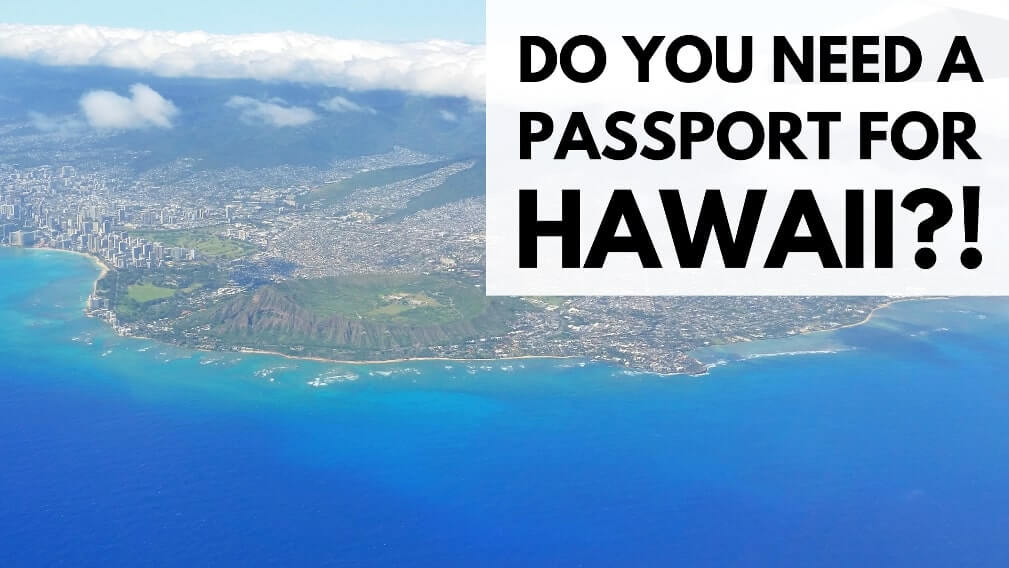
The dream of visiting Hawaii is one shared by millions of travelers around the world. With its emerald-green cliffs, volcanic landscapes, and crystal-clear turquoise waters, the archipelago represents the ultimate tropical getaway. However, because these islands are located in the middle of the Pacific Ocean, thousands of miles from the mainland United States, many travelers are often confused about the logistics of getting there. The most common question that arises during the planning phase is whether a passport is required to step foot on these legendary shores.
To understand the entry requirements, one must first recognize the political status of the islands. Hawaii became the 50th state of the United States in 1959. Because it is a full member of the union, travel to the islands is considered domestic travel for anyone already within the country. However, the rules shift significantly depending on your citizenship and where your journey begins.
Understanding Documentation and Entry Requirements
The necessity of a passport for a Hawaiian vacation depends entirely on your point of origin and your legal residency status. While the islands feel like a foreign paradise, they operate under the federal laws of the United States.
For Citizens of the United States
If you are a citizen of the United States, you do not need a passport to visit Hawaii. Traveling from Los Angeles, New York City, or Chicago to Honolulu is no different from flying between any other two U.S. cities. You are not required to pass through customs or immigration upon arrival, and you do not need to present a passport book or card at the airport.
However, you still need to provide a valid government-issued photo identification to board your flight. This typically includes a driver’s license or a state-issued ID card. For those who prefer to use their passport as their primary form of ID, it is certainly accepted by the TSA, but it is not a legal requirement for entry into the state.
For International Travelers
For those traveling from outside the United States, the requirements are the same as they would be for entering any other American city. Visitors from Canada, Japan, Australia, or the United Kingdom must possess a valid passport from their home country.
Furthermore, depending on the country of citizenship, international visitors may need to apply for a visa or an electronic travel authorization. For example, travelers from countries in the Visa Waiver Program must obtain an ESTA (Electronic System for Travel Authorization) before boarding their flight to Hawaii. Upon arrival at Daniel K. Inouye International Airport, international passengers will go through U.S. Customs and Border Protection processing.
The Impact of the REAL ID Act
One of the most important updates for U.S. domestic travelers is the REAL ID Act. Established by the Department of Homeland Security, this law sets higher security standards for state-issued driver’s licenses. Starting on the designated federal enforcement date, every air traveler 18 years of age and older will need a REAL ID-compliant license or another acceptable form of ID (such as a passport) to fly within the United States.
If your current driver’s license does not have the REAL ID star in the upper right corner, you should check with your local DMV. While you still won’t need a “passport” to visit Hawaii in the traditional sense, you will need this specific type of identification to clear security checkpoints at the airport.
Exploring the Major Islands: A Destination Guide
Once the paperwork is settled, the real adventure begins. Hawaii is composed of eight major islands, six of which are open to tourism. Each island offers a distinct personality, landscape, and set of experiences.
Oahu: The Gathering Place
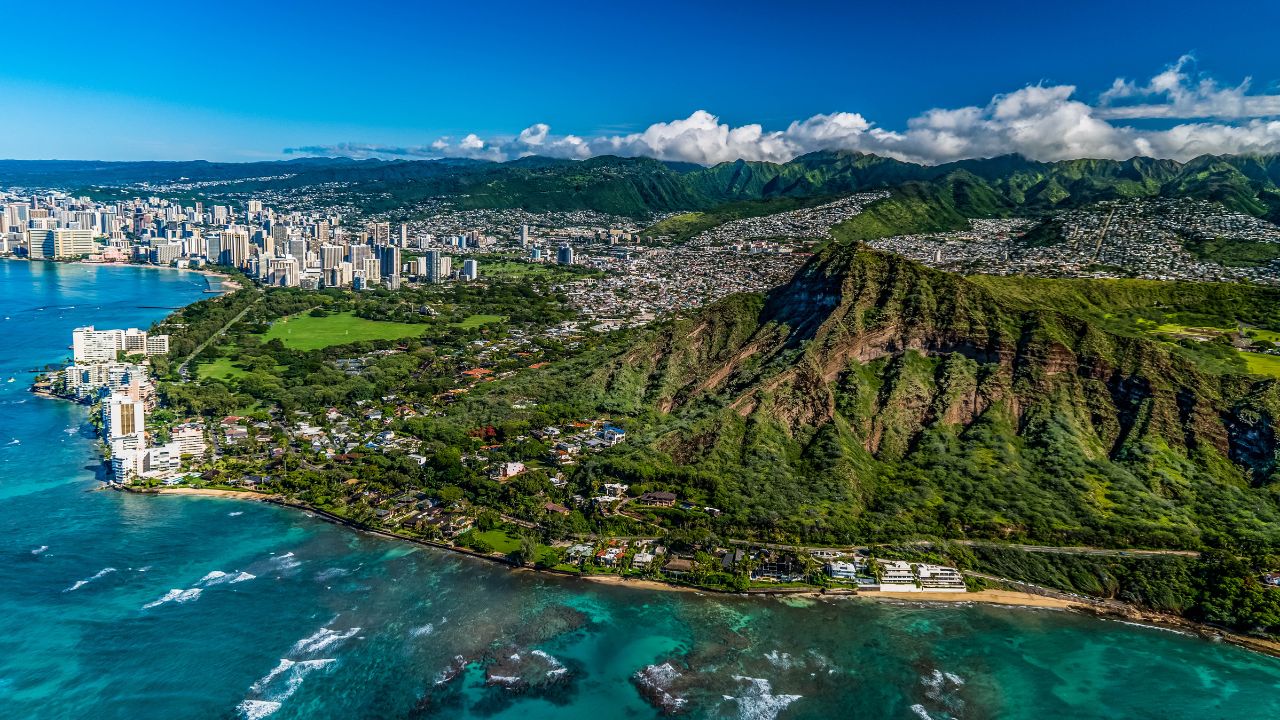
Oahu is the heart of the islands and the most visited destination in the chain. It is home to the capital city of Honolulu, where urban sophistication meets tropical beauty. The most famous stretch of sand here is Waikiki Beach, framed by the iconic silhouette of Diamond Head State Monument.
History buffs should not miss the Pearl Harbor National Memorial, a somber and educational site dedicated to the events of World War II. For those seeking a more rugged experience, the North Shore offers world-class surfing and a laid-back atmosphere that feels worlds away from the high-rises of the city. Visiting Oahu provides a perfect blend of culture, history, and adventure.
Maui: The Valley Isle
Maui is often cited as the most romantic island, famous for its luxury resorts and stunning sunsets. One of the most sought-after experiences here is driving the Road to Hana, a winding coastal highway that passes through lush rainforests, cascading waterfalls, and black sand beaches.
Another highlight is Haleakala National Park, where visitors can drive to the summit of a massive dormant volcano to watch the sunrise above the clouds. The historic town of Lahaina and the upscale resort area of Kaanapali provide excellent dining and shopping options. Whether you are whale watching in the winter or snorkeling at Molokini Crater, Maui captures the essence of island luxury.
Kauai: The Garden Isle
For travelers who prefer nature in its rawest form, Kauai is the ultimate destination. It is the oldest and northernmost island, characterized by sharp mountain spires and dense jungle. The Na Pali Coast State Park is perhaps the most breathtaking sight in the entire Pacific, featuring cliffs that drop thousands of feet into the ocean. Since there are no roads into the Na Pali Coast, it must be explored by boat, helicopter, or by hiking the challenging Kalalau Trail.
On the western side of the island lies Waimea Canyon State Park, often referred to as the “Grand Canyon of the Pacific.” The island’s south shore, near Poipu, offers sunny beaches and excellent opportunities to spot Hawaiian Monk Seals basking on the sand.
Hawaii Island: The Big Island
Hawaii Island, or the Big Island, is larger than all the other islands combined. It is a land of extremes, where you can find snow-capped peaks and molten lava in the same day. At Hawaii Volcanoes National Park, visitors can witness the awesome power of Kilauea, one of the world’s most active volcanoes.
The island is divided into two main sides: the sunny, resort-heavy Kona coast and the lush, rainy Hilo side. Between them stands Mauna Kea, a dormant volcano that serves as one of the premier astronomical observation sites in the world. From the green sand of Papakolea Beach to the manta ray night dives in Kona, the Big Island offers a scale of adventure that is unmatched.
Transportation and Logistics for the Ultimate Hawaiian Journey
Getting to Hawaii and moving between the islands requires a bit of strategic planning. Because of the vast distances involved, the logistics of your trip can significantly impact your overall experience.
Navigating Inter-Island Travel
While some visitors choose to stay on a single island for their entire trip, many prefer “island hopping” to see the diversity of the archipelago. There are no passenger ferries that run between the major islands (with the exception of a small ferry between Maui and Lanai). Consequently, flying is the only practical way to travel between islands.
Hawaiian Airlines is the primary carrier for inter-island routes, offering frequent daily flights between Honolulu, Kahului, Lihue, and Kona. In recent years, Southwest Airlines has expanded its presence in the region, providing more competition and lower fares for travelers. For smaller, more remote routes, Mokulele Airlines operates smaller Cessna aircraft that offer stunning low-altitude views of the coastline.
Car Rentals and Ground Transportation
Once you land on an island, you will likely need a vehicle. Public transportation is limited outside of Honolulu. On Maui, Kauai, and the Big Island, renting a car is almost essential to reach the best hiking trails, secluded beaches, and scenic overlooks.
Major rental companies like Hertz and Enterprise operate at all major airports. However, travelers should book their vehicles well in advance, as supply can be limited during peak seasons like Christmas or summer vacation. For those who prefer not to drive, ride-sharing services like Uber and Lyft are available in the more populated areas but can become expensive and scarce in rural regions.
Practical Tips for a Seamless Island Experience
Traveling to Hawaii is not just about having the right ID; it’s about respecting the local environment and preparing for a unique set of regional regulations.
Agricultural Inspections and Environmental Protection
Hawaii has one of the most fragile ecosystems in the world. To protect local flora and fauna from invasive species, the Hawaii Department of Agriculture enforces strict rules. All passengers arriving from the mainland must fill out an Agricultural Declaration Form.
When leaving the islands to return to the mainland United States, your luggage must pass through a pre-flight agricultural inspection. You generally cannot take fresh fruits, vegetables, or certain types of flowers back with you. This process is mandatory and is conducted by USDA officers at the airport.
Furthermore, Hawaii has taken significant steps to protect its coral reefs. The state has banned the sale of sunscreens containing chemicals like oxybenzone and octinoxate, which are known to harm marine life. Travelers are encouraged to purchase “reef-safe” sunscreen to help preserve the vibrant underwater world that makes the islands so special.

Packing for the Tropics
While the weather in Hawaii is generally warm and pleasant, the diverse topography means you should pack for various microclimates. If you plan to visit the summit of Mauna Kea or Haleakala, you will need a heavy jacket and pants, as temperatures at high altitudes often drop below freezing. Conversely, the coastal areas call for lightweight, breathable fabrics.
Don’t forget sturdy hiking boots if you plan to explore the trails of Kauai or the volcanic fields of the Big Island. Rain is common in the lush valleys, so a light, waterproof windbreaker is always a smart addition to your suitcase.
Visiting Hawaii is an experience that stays with you long after the tan lines fade. By understanding that U.S. citizens don’t need a passport—but everyone needs proper identification and a respect for the local ecosystem—you can ensure that your journey to the Aloha State is as smooth and magical as the islands themselves. From the historic landmarks of Oahu to the volcanic wonders of the Big Island, the islands are waiting to be explored.
LifeOutOfTheBox is a participant in the Amazon Services LLC Associates Program, an affiliate advertising program designed to provide a means for sites to earn advertising fees by advertising and linking to Amazon.com. Amazon, the Amazon logo, AmazonSupply, and the AmazonSupply logo are trademarks of Amazon.com, Inc. or its affiliates. As an Amazon Associate we earn affiliate commissions from qualifying purchases.