
When planning a getaway to iconic destinations like New York City or relaxing at a high-end property such as the Ritz-Carlton, the last thing any traveler wants to encounter is an uninvited guest. Bed bugs are a persistent issue across the hospitality industry, affecting everything from budget motels to five-star luxury suites. These resilient pests are expert hitchhikers, capable of surviving for months without a meal and slipping into the tiniest crevices of luggage and clothing. Knowing how to systematically inspect your temporary lodging can save you from a miserable experience, unexpected medical costs, and the nightmare of bringing an infestation back to your own home. By adopting a methodical approach to room checks, you can ensure your stay remains comfortable and pest-free.

The First Rule of Arrival: Keep Your Luggage Out
The most critical mistake travelers make when entering a hotel room is immediately tossing their suitcases onto the bed or opening them on the carpet. Bed bugs thrive in soft, textured surfaces located close to sleeping areas. Until you have completed a thorough inspection of the space, your bags should remain outside the room entirely, or at the very least, placed inside the bathtub or on a hard luggage rack positioned far away from the bed.
Why the Bathroom is Your Safe Zone
Bathrooms are generally the safest place to temporarily store your belongings during an inspection. These spaces typically feature tiled floors, bright lighting, and minimal soft furnishings, making it exceedingly difficult for bed bugs to hide or climb undetected.
- Leave suitcases zipped shut in the hallway or inside the bathroom.
- Avoid placing bags on upholstered chairs, sofas, or carpeted floors.
- Keep your travel gear elevated until you receive the all-clear.
By isolating your luggage, you drastically reduce the risk of a wandering pest slipping into the seams of your bags before you even realize they are present. This simple habit is your first line of defense against accidental transportation.
Step-by-Step Inspection of the Bedding and Mattress
Once your luggage is safely secured, direct your attention to the primary habitat of these pests: the bed. Do not be fooled by upscale environments or pristine white sheets. Bed bugs do not discriminate based on cleanliness or price point; they are simply looking for a host and a dark, secure harbor close by.
Stripping the Linens
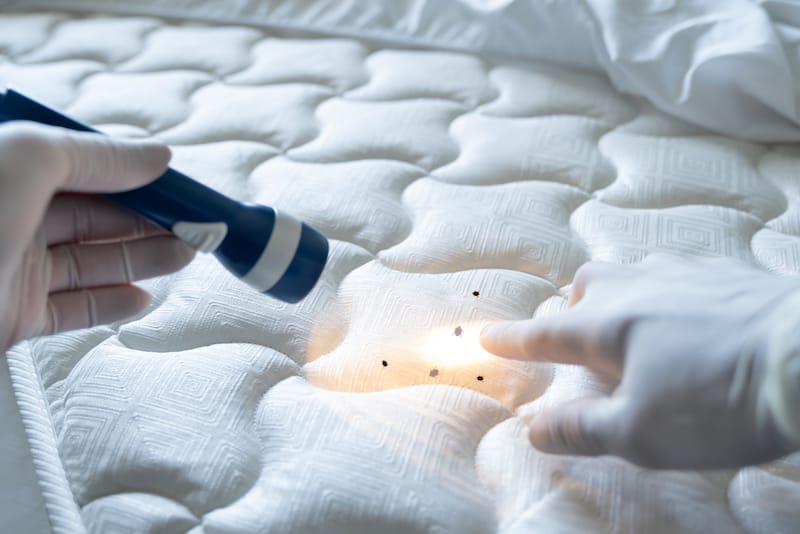
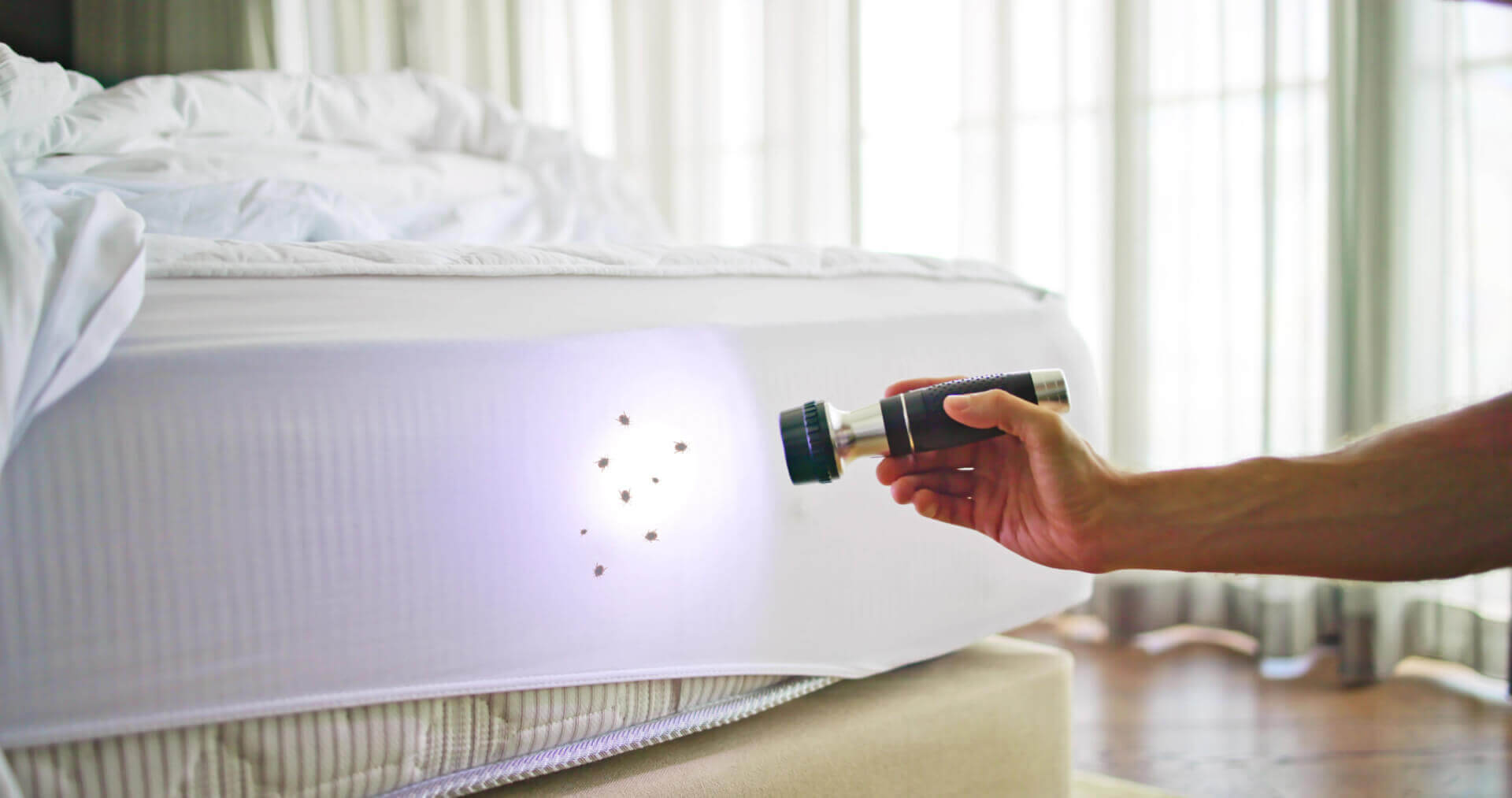
You will need to play detective, which requires pulling back the bedding. Turn off the overhead lights and use the flashlight on your smartphone to illuminate dark seams, folds, and crevices.
- Pull back the comforter and sheets: Inspect the top surface of the mattress, paying close attention to the piping, stitched edges, and decorative tufts.
- Lift the mattress corners: Carefully pull up each corner of the mattress to examine the box spring underneath. This is a favorite nesting ground because it offers abundant dark, undisturbed spaces.
- Check the headboard: If the headboard is mounted to the wall, shine your light behind it. Bed bugs frequently squeeze into the narrow gap between the wood or fabric and the wall itself.
What You Are Actually Looking For
Bed bugs leave distinct physical evidence of their presence. Adult bed bugs are reddish-brown, oval-shaped, and roughly the size of an apple seed. Nymphs are smaller and translucent, while eggs are tiny, pearly-white spheres. Beyond the bugs themselves, look for dark fecal spots that resemble ink stains from a marker, shed exoskeletons from molting, and tiny rust-colored blood smears on the linens or mattress fabric.
Expanding the Search: Furniture and Room Peripherals
If the bed passes inspection, your job is not entirely finished. Bed bugs are mobile creatures that can migrate away from the mattress if food sources are scarce or disturbed. They will inhabit any dark, tight space within a few feet of the bed, including nightstands, desks, and upholstered seating.
Checking Surrounding Areas
Take a systematic tour of the room, checking the following areas with your flashlight:
- Upholstered Chairs and Sofas: Check the cushions, the undersides, and the seams where fabric meets the wooden or metal frame.
- Nightstands and Drawers: Pull out the drawers completely and inspect the tracks, corners, and joints where wood pieces connect.
- Curtains and Drapes: Examine the folds of heavy drapes, especially near the bottom where they pool on the floor.
- Baseboards and Electrical Outlets: Bed bugs occasionally hide behind loose baseboards or inside wall outlets near the bed.
If you are staying at a historic property, such as a grand hotel in London or an old-world resort in Paris, be extra diligent with wooden furniture joints and ornate carvings, as older construction provides countless microscopic cracks for pests to squeeze into.
What to Do If You Find Evidence of Bed Bugs
Discovering signs of an infestation can instantly derail your excitement, but handling the situation correctly is vital. Do not panic, but do act immediately and decisively.
Immediate Action Plan
If you spot a live bug, suspicious stains, or shed skins, you must leave the room at once.
- Gather your belongings: Retrieve your luggage from the bathtub or hallway where you safely stored it.
- Do not sleep in the room: Under no circumstances should you attempt to stay the night or brush the issue off.
- Notify management immediately: Go to the front desk, remain calm yet firm, and request a room change. Ensure the new room is not adjacent to, directly above, or directly below the infested room, as bed bugs can travel through wall voids.
- Inspect the new room: Repeat the entire inspection process before bringing your luggage into the replacement accommodation.
If you encounter resistance from hotel staff or if the entire property appears compromised, it may be time to seek alternative accommodations. For travelers visiting bustling hubs like Tokyo or navigating the luxury suites of the Four Seasons, high standards of service usually mean management will address the issue promptly and offer a full refund or an upgraded room.
Preventive Measures Upon Returning Home
Even if your hotel room check was thorough and you spotted nothing amiss, it is always wise to take precautions when returning from any trip. Travel exposes you to countless environments where pests could inadvertently latch onto your belongings.
Post-Trip Protocol
Upon walking through your front door, resist the temptation to unpack your suitcase on your bed or living room carpet.
- Unpack outside the bedroom: Empty your luggage in a hard-surface area like a laundry room, garage, or bathroom.
- Wash everything on high heat: Immediately launder all clothing—whether worn or un-worn—in hot water and dry them on the highest heat setting for at least 30 minutes. High heat is lethal to bed bugs at all life stages.
- Inspect your luggage: Vacuum your suitcase thoroughly, paying special attention to zippers, pockets, and seams. Consider wiping down hard-shelled suitcases with an antiseptic or specialized treatment spray.
By incorporating these habits into your travel routine, you protect not only your peace of mind while exploring global destinations like Rome or relaxing in a coastal villa in Maui, but also the sanctuary of your own home. Vigilance takes only a few minutes upon arrival, yet it pays off exponentially in comfort and security.
LifeOutOfTheBox is a participant in the Amazon Services LLC Associates Program, an affiliate advertising program designed to provide a means for sites to earn advertising fees by advertising and linking to Amazon.com. Amazon, the Amazon logo, AmazonSupply, and the AmazonSupply logo are trademarks of Amazon.com, Inc. or its affiliates. As an Amazon Associate we earn affiliate commissions from qualifying purchases.