
When planning a getaway to the tropical paradise of Hawaii, many travelers find themselves researching the local wildlife. Whether you are preparing for a rugged hike through the lush rainforests of Kauai or a relaxing afternoon on the sands of Waikiki Beach, safety is a primary concern. One of the most frequently asked questions for those visiting the United States‘ only island state is: “Does Hawaii have venomous snakes?” The short answer is a relief for many: Hawaii does not have any native land snakes, and the state works tirelessly to keep it that way. However, for the curious tourist, the full answer involves a fascinating look at island ecology, rare marine sightings, and the strict local laws designed to protect this fragile ecosystem in the middle of the Pacific Ocean.
The Geological and Ecological Isolation of the Islands
To understand why Hawaii is largely snake-free, one must look at its geological history. Unlike many other tropical destinations, the Hawaiian Islands were formed by volcanic activity deep beneath the ocean floor. Because they were never connected to a continental landmass, every plant and animal species that arrived here did so by flying, floating, or swimming. This extreme isolation meant that terrestrial predators, including snakes, could not reach the islands naturally.
Why Snakes Are Considered a Major Threat
For the local Tourism industry and the Native Hawaiian culture, maintaining a snake-free environment is not just about human comfort; it is about biological survival. Hawaii is often called the “Endangered Species Capital of the World.” Without natural ground predators, many native bird species, such as the Nene (the state bird) and various Honeycreepers, evolved to nest on the ground or in low-lying shrubs. The introduction of even a single invasive snake species could lead to the total extinction of several of these rare birds.
The Evolution of a Predator-Free Landscape
Because there are no land snakes, the hiking culture in Hawaii is remarkably different from that in California or Australia. Travelers visiting Diamond Head or trekking through Waimea Canyon State Park can enjoy the trails without the constant vigilance required in regions with rattlesnakes or copperheads. This lack of dangerous reptiles is a significant draw for families and eco-tourists who wish to immerse themselves in nature without fear of a venomous encounter.
The Exceptions: Snakes You Might Actually See
While Hawaii is famous for its lack of land snakes, there are two exceptions that often surprise visitors. One is a tiny, harmless terrestrial inhabitant, and the other is a rare visitor to the coastal waters.
The Brahminy Blind Snake
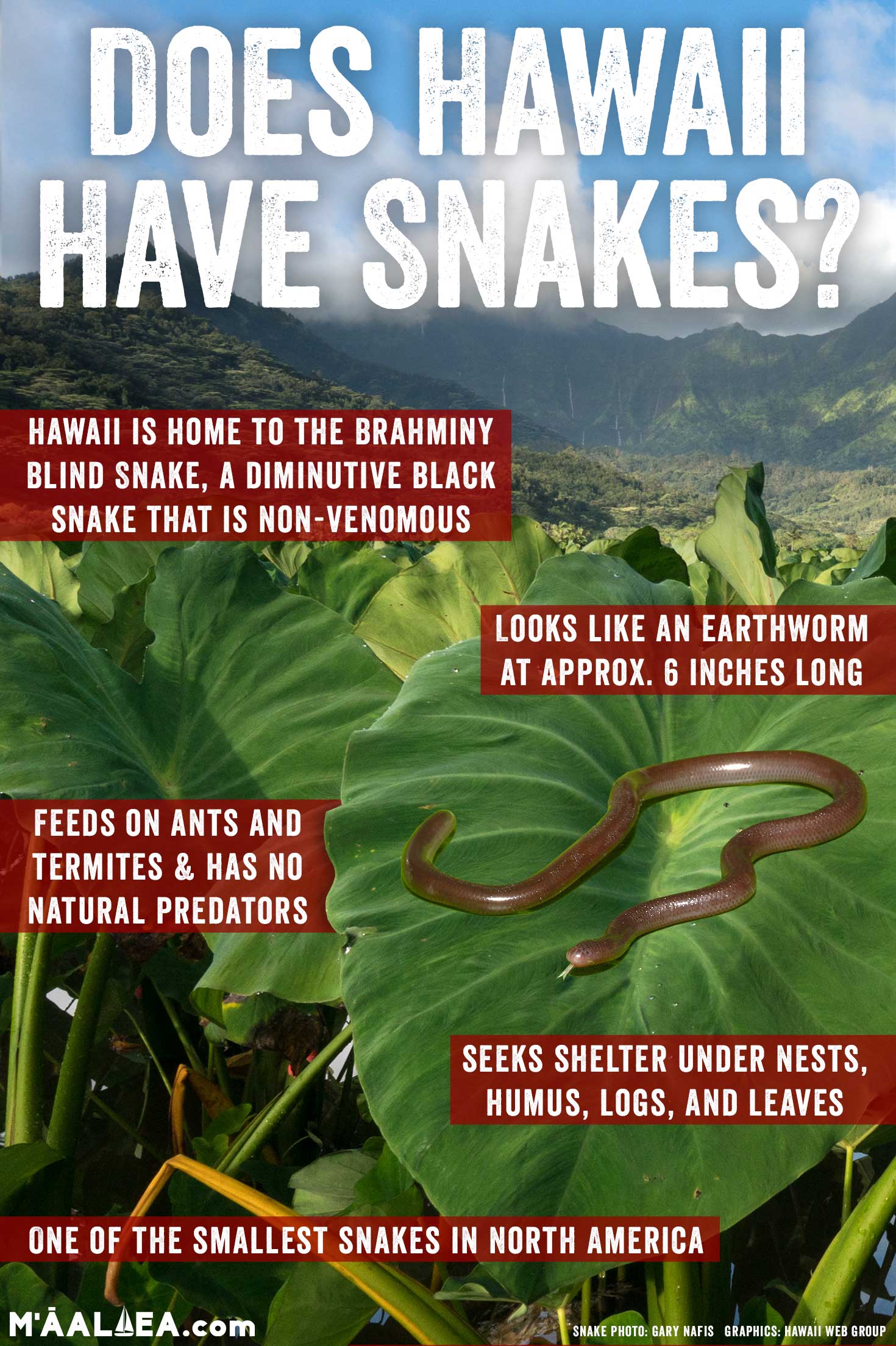
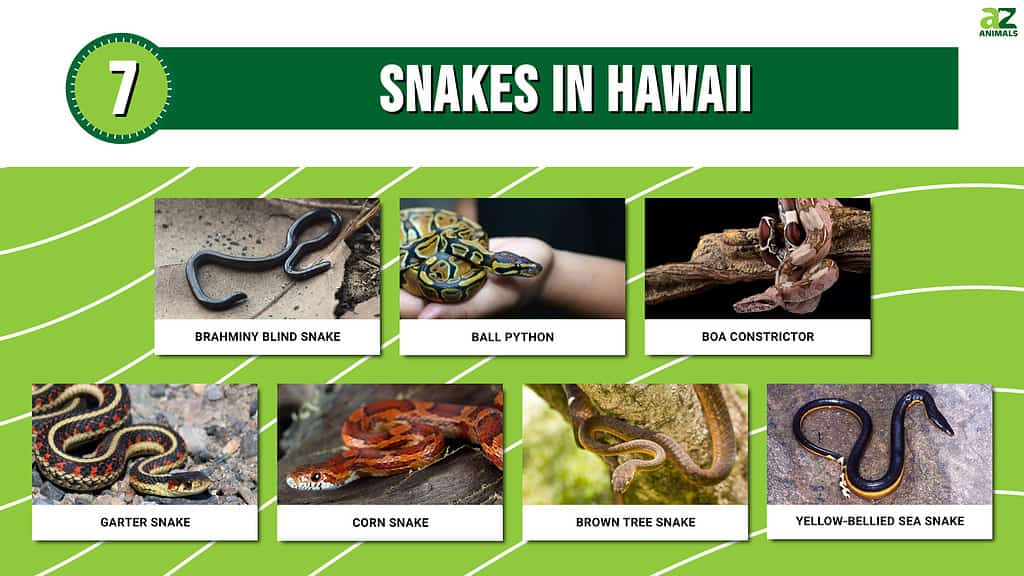
If you are gardening at a vacation rental in Honolulu or exploring the botanical gardens in Hilo, you might encounter the Brahminy Blind Snake. This is the only snake species currently established on the islands. However, most people mistake it for a large earthworm. It is tiny, usually only 2 to 6 inches long, and entirely non-venomous and harmless. Originally from Southeast Asia, it likely arrived in the soil of imported plants. It has no eyes and feeds exclusively on small invertebrates like ants and termites. For a tourist, spotting one is rare and poses absolutely no threat.
The Yellow-Bellied Sea Snake
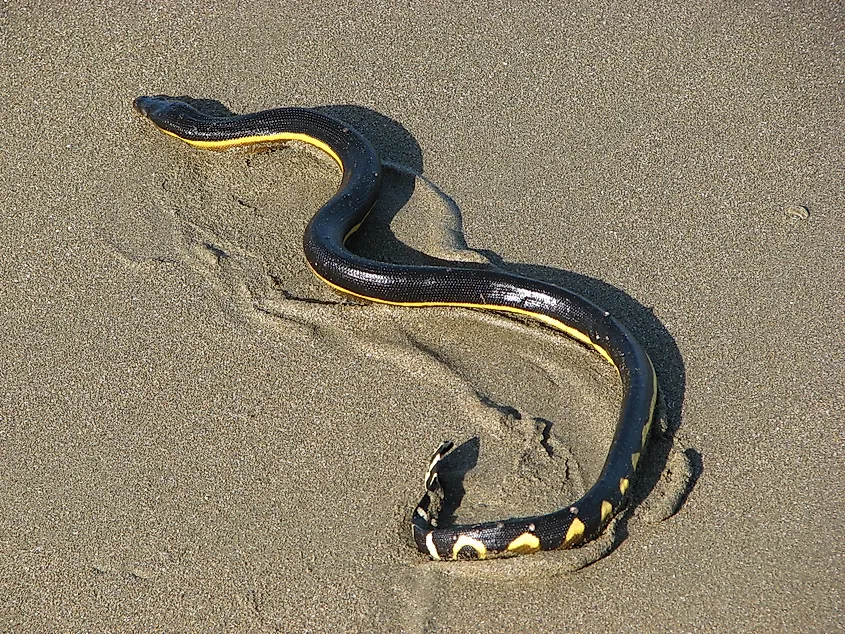
The only truly venomous snake associated with Hawaii is the Yellow-Bellied Sea Snake. As a marine reptile, it spends its entire life in the ocean. While it is technically found in the waters around the Pacific, sightings in Hawaii are incredibly rare. These snakes prefer the warmer, deeper currents and occasionally drift toward the islands.
For visitors enjoying snorkeling at Hanauma Bay or diving off the coast of Maui, the chances of seeing one are almost zero. In the rare event that one washes up on a beach—which usually only happens if the snake is sick or injured—it is vital to keep your distance and contact local authorities. While their venom is potent, they are generally non-aggressive and their small fangs make it difficult for them to bite humans through wetsuits or even thick skin.
Strict Vigilance: The Battle Against Invasive Species
The state of Hawaii takes the threat of snakes very seriously. The Hawaii Department of Agriculture manages one of the strictest quarantine and inspection programs in the world. This is a crucial piece of information for tourists to understand, as it affects everything from how you enter the state to what you can bring in your luggage.
The Threat from Guam
The most significant concern for local officials is the Brown Tree Snake. In the mid-20th century, this snake was accidentally introduced to Guam, where it decimated the local bird population and caused frequent power outages by climbing electrical wires. To prevent a similar catastrophe in Oahu or the neighboring islands, flights arriving from Guam are subjected to intense inspections, including the use of specialized snake-sniffing dogs at the Daniel K Inouye International Airport.
The Amnesty Program and Legal Consequences
It is illegal to possess or transport snakes in Hawaii. Penalties for doing so are severe, including heavy fines and potential jail time. However, the state offers an Amnesty Program, which allows individuals to turn in illegal pets—including snakes—without the fear of prosecution. This program is vital for preventing the accidental release of exotic pets into the wild, which could irrevocably damage the local tourism experience and the environment.
Tourism Tips: Navigating Hawaii’s Wilderness Safely
Because Hawaii lacks venomous land snakes, your safety concerns shift toward other elements of the natural world. Understanding the local “rules of the road” for the trail and the sea will ensure your vacation remains stress-free.
Hiking and Ground Safety
While you don’t need to worry about rattlesnakes on the Kalalau Trail, you should be aware of other small critters. The Centipede is perhaps the most “fearsome” crawling creature you might find. Large tropical centipedes can deliver a painful sting, though it is not life-threatening. When hiking in wet areas like Manoa Valley, it is also wise to stay on marked trails to avoid leptospirosis, a bacterial infection found in some freshwater streams.
Coastal Awareness and Respect
For those visiting the North Shore of any island, the focus should be on ocean safety rather than reptiles. The currents in Hawaii can be powerful. When it comes to wildlife, the most important tip for tourists is to provide plenty of space for the Hawaiian Monk Seal and the Green Sea Turtle. These animals are protected by federal and state law, and interfering with them can result in significant fines.
Reporting Sightings
If you are a tourist and believe you have spotted a snake on land, do not attempt to capture it yourself. Instead, immediately call the local authorities or the pest hotline. Every reported sighting is treated with the highest priority to ensure the creature is captured before it can find a mate or establish a presence in the lush volcanic terrain of Hawaii Island.
Why the Absence of Snakes Enhances the Travel Experience
The fact that Hawaii remains snake-free is a testament to the dedication of local conservationists and the Tourism board’s commitment to preserving the islands’ unique character. This absence creates a “sanctuary” feel that is rare in tropical destinations.
A Paradise for Bird Watchers
Without the threat of climbing snakes, Hawaii remains a premiere destination for bird watching. In Haleakala National Park on Maui, visitors can see birds that exist nowhere else on Earth. The preservation of these species is directly linked to the successful exclusion of invasive snakes.
Peace of Mind for Outdoor Activities
From camping in Koke’e State Park to exploring the lava tubes near Volcanoes National Park, the lack of venomous snakes allows for a level of relaxation that is hard to find elsewhere. You can set up a tent or walk through tall grass without the anxiety of a hidden strike. For many visitors from the mainland United States or Europe, this is a luxury that makes Hawaii stand out as a top-tier destination.
In summary, while the question of whether Hawaii has venomous snakes is a valid safety concern, the reality is one of the state’s greatest selling points. The islands’ natural defenses, combined with rigorous modern biosecurity, ensure that the only things you need to worry about during your stay are wearing enough sunscreen and catching the perfect sunset over Kailua-Kona. By respecting the local laws and being mindful of the unique environment, tourists play a vital role in keeping Hawaii a snake-free paradise for generations to come.
LifeOutOfTheBox is a participant in the Amazon Services LLC Associates Program, an affiliate advertising program designed to provide a means for sites to earn advertising fees by advertising and linking to Amazon.com. Amazon, the Amazon logo, AmazonSupply, and the AmazonSupply logo are trademarks of Amazon.com, Inc. or its affiliates. As an Amazon Associate we earn affiliate commissions from qualifying purchases.