
Planning a trip to the tropical archipelago of Hawaii often begins with a single, daunting question: how much should I budget for lodging? Because the state encompasses several distinct islands, each with its own tourism infrastructure and market dynamics, there is no single answer. From the high-end luxury resorts of Maui to the more accessible boutique hotels of Oahu, the cost of accommodation varies significantly based on location, seasonality, and the level of service required.
Factors Influencing Accommodation Pricing
Understanding why prices fluctuate is essential for any traveler looking to maximize their budget without sacrificing the quality of their experience. Several key variables dictate the nightly rate of rooms across the islands.

Seasonality and Peak Travel Periods
Hawaii experiences distinct pricing tiers based on the time of year. The most expensive windows coincide with major holidays and school breaks. During the “festive season”—typically late December through early January—room rates can easily double or triple compared to the off-season. Similarly, Spring Break and mid-summer months command premiums due to family travel demand. Conversely, the shoulder seasons, specifically mid-April to early June and mid-September to mid-November, offer the most competitive rates for travelers seeking luxury for less.
Island-Specific Market Dynamics
Not all islands are priced equally. Waikiki on Oahu benefits from high competition, which often keeps prices relatively stable despite high demand. In contrast, islands like Kauai or the Big Island often feature fewer, larger resorts, which can lead to higher average daily rates (ADR). Luxury-focused enclaves like Wailea on Maui represent the pinnacle of pricing, where world-class amenities and pristine beachfront access drive costs to the highest levels in the state.
The Hidden Cost of Resort Fees and Taxes
It is critical to note that the advertised rate is rarely the final cost. Most major properties, such as the Grand Hyatt Kauai Resort and Spa or the Four Seasons Resort Maui at Wailea, charge mandatory daily resort fees. These fees, which can range from $30 to over $70 per night, cover amenities like high-speed internet, beach gear, and fitness center access. Additionally, Hawaii levies a transient accommodations tax (TAT) and a general excise tax (GET), which together can add roughly 15% to 18% to your total bill.
Average Price Ranges by Category
To navigate the market effectively, travelers should categorize their expectations against current industry averages. While individual experiences vary, these benchmarks provide a realistic framework for financial planning.
Budget-Friendly and Mid-Range Stays
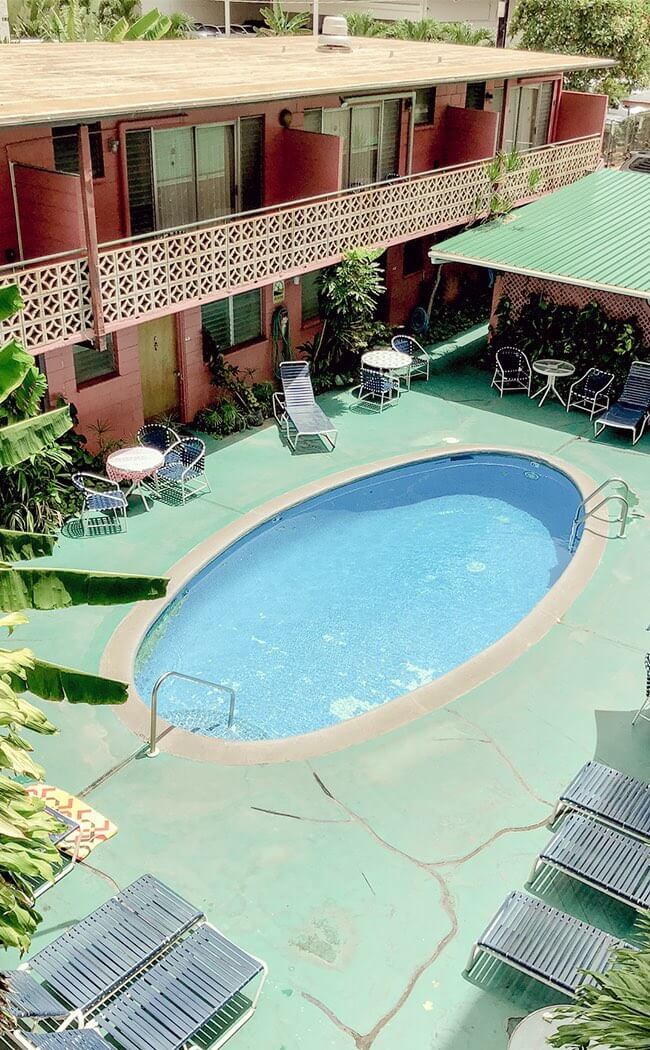
For those focusing on value, the budget tier typically ranges from $200 to $350 per night. This bracket often includes older hotels or inland properties that are not directly on the beach. In Honolulu, properties like the Aqua Oasis or various Outrigger Hotels often provide a solid balance of location and affordability. These rooms are usually standard, focusing on utility rather than expansive amenities.
Upscale Resorts and Full-Service Hotels
The mid-to-high tier, ranging from $400 to $800 per night, is where the quintessential Hawaiian experience resides. This category includes properties like the Hilton Hawaiian Village or the Sheraton Waikiki. At this price point, you are paying for expansive pool complexes, on-site cultural activities, direct beach access, and superior concierge services. These hotels are designed to keep guests on the property, providing a comprehensive vacation experience.

Ultra-Luxury and Five-Star Destinations
At the top of the spectrum, prices often start at $1,000 per night and can soar well beyond $3,000 for suites or private villas. Properties like the 1 Hotel Hanalei Bay or the Mauna Lani Auberge Resorts Collection cater to travelers who prioritize privacy, bespoke service, and architectural excellence. These rates include highly personalized attention, award-winning dining, and access to exclusive spa facilities that are unmatched anywhere else in the Pacific.
Strategic Tips for Securing Better Rates
Beyond timing your visit during the shoulder season, there are several tactical approaches to managing lodging expenses in Hawaii.
Leveraging Loyalty Programs and Memberships
Hotel loyalty programs are perhaps the most effective tool for lowering costs. If you are a member of programs associated with Marriott International or Hilton Worldwide, you can often redeem points to cover significant portions of your stay. Even for non-frequent travelers, signing up for newsletters or hotel-specific reward clubs can grant access to “members-only” rates that are often 10% to 15% lower than public listings.
Bundling Travel Packages
Booking your flight and hotel together through reputable travel aggregators can occasionally yield savings. Airlines that operate heavily in the region, such as Hawaiian Airlines, often partner with local properties to offer “vacation packages” that discount the room rate when paired with airfare. This is particularly useful for families or large groups who are likely to spend most of their budget in one location.
Considering Boutique and Independent Properties
While the large, sprawling resorts receive the most marketing attention, independent hotels and smaller inns—such as those found in Kailua-Kona or Hilo—often offer more authentic and cost-effective experiences. These properties may lack a massive pool or six different restaurants, but they often provide a quieter atmosphere and a deeper connection to the local community, all while maintaining a lower price point than the mega-resorts.
Evaluating Alternative Locations
If you are determined to visit a popular island like Maui, look for hotels located just outside the main tourist hubs of Lahaina or Wailea. Staying in towns that cater more to local residents or long-term visitors can significantly reduce your nightly average. Transportation costs, such as renting a car, should be factored into this equation; if the savings on the room are offset by expensive parking fees or long commutes, the strategy may be self-defeating.
Final Considerations for Your Budget
When finalizing your Hawaii travel plans, always treat the nightly rate as the base figure rather than the final amount. Account for local taxes, mandatory resort fees, and the daily cost of parking, which can be surprisingly high at popular beachfront properties.
Furthermore, prioritize what matters most to your travel group. If you plan to spend every waking hour exploring Haleakala National Park or snorkeling in Hanauma Bay, the luxury amenities of a high-end resort may offer little return on investment. Conversely, if your goal is to decompress by the pool and enjoy fine dining without leaving the resort, the higher cost of a premier property is justified by the convenience and comfort provided.
Ultimately, Hawaii offers a diverse enough range of accommodations that almost any traveler can find a suitable option, provided they research early, stay flexible with their dates, and remain mindful of the total costs beyond the room rate. Whether you seek the affordable comfort of a city hotel or the unrivaled indulgence of a remote beachfront sanctuary, the islands have a place for you.
LifeOutOfTheBox is a participant in the Amazon Services LLC Associates Program, an affiliate advertising program designed to provide a means for sites to earn advertising fees by advertising and linking to Amazon.com. Amazon, the Amazon logo, AmazonSupply, and the AmazonSupply logo are trademarks of Amazon.com, Inc. or its affiliates. As an Amazon Associate we earn affiliate commissions from qualifying purchases.