
For many, the dream of retiring in Hawaii is a lifelong ambition. The imagery of swaying palms, pristine beaches, and the gentle rhythm of the Pacific Ocean creates a compelling vision of paradise. However, transitioning from a dream to a functional lifestyle requires a deep dive into the financial logistics of the Aloha State. One of the most critical questions for those considering a long-term stay or permanent relocation is: Does Hawaii tax Social Security?
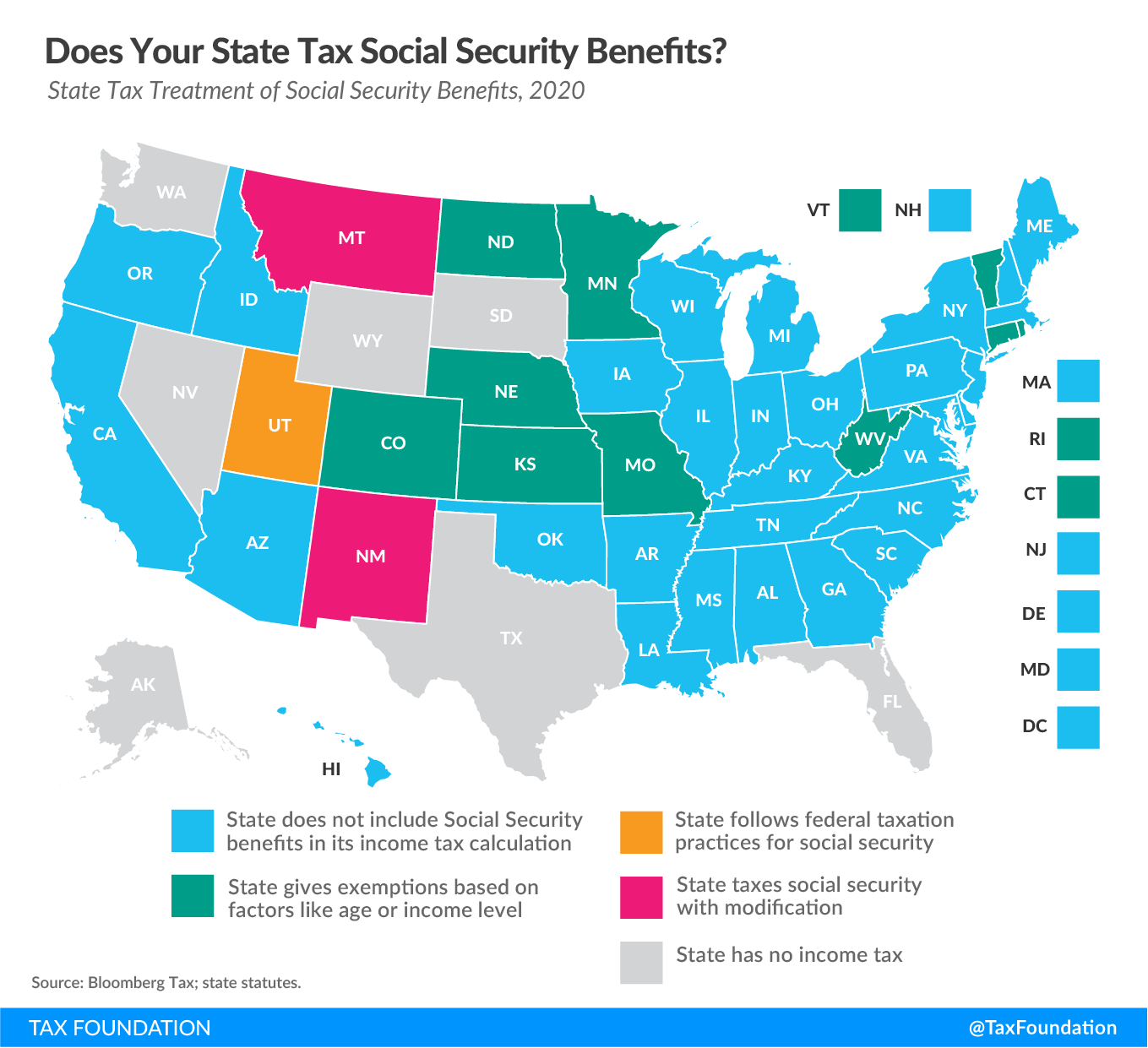
The short answer is a resounding no. Hawaii is among the majority of states in the United States that do not tax Social Security benefits. This exemption is a significant cornerstone of the lifestyle planning process for seniors and retirees, as it provides a predictable layer of financial security in a state otherwise known for its high cost of living. Understanding how this tax benefit fits into the broader economic landscape of the islands is essential for anyone looking to optimize their lifestyle in this tropical haven.
Navigating the Financial Realities of a Hawaiian Islands Lifestyle
When planning a lifestyle centered around the Hawaiian Islands, the tax-free status of Social Security benefits acts as a vital incentive. This policy ensures that the money you receive from the Social Security Administration remains entirely in your pocket at the state level, allowing for more flexibility in your monthly budget. Whether you are living in the bustling urban center of Honolulu or the quiet, lush landscapes of Kauai, this exemption remains constant.
The Social Security Exemption Explained
In Hawaii, the state government follows the policy of excluding Social Security benefits from the calculation of state taxable income. This applies regardless of your total income level. While the Internal Revenue Service may tax a portion of your benefits at the federal level depending on your provisional income, the state does not add an additional burden. This distinction is crucial for lifestyle budgeting, especially for those who rely on a fixed income to fund their daily activities, from morning walks on Waikiki Beach to evening sunsets at Sunset Beach.
Comparing Hawaii to Other Retiree Destinations
When compared to other states, Hawaii stands out as a relatively tax-friendly destination for certain types of retirement income. While states like Florida or Nevada have no state income tax at all, Hawaii offers a targeted benefit that specifically protects those on Social Security and certain pension plans. This makes it a competitive choice for individuals whose retirement portfolio is heavily weighted toward these types of income. By understanding these nuances, lifestyle planners can better weigh the pros and cons of an island existence versus a mainland one.
Understanding State Income Tax and Pension Laws
While the Social Security exemption is a major win, the broader tax landscape in Hawaii is nuanced. To maintain a comfortable lifestyle, one must understand how other forms of retirement income are treated. The state’s progressive income tax rates are some of the highest in the country, but the specific treatment of pensions can provide significant relief for many residents.
Public vs. Private Pension Treatment
Beyond Social Security, Hawaii offers generous exemptions for public pensions. If you are a former employee of the federal government, the state of Hawaii, or a local municipality within the islands, your pension income is typically exempt from state taxes. This is a massive boon for those who have spent their careers in public service and are looking to enjoy their golden years near landmarks like Pearl Harbor or the historic streets of Lahaina.
However, private pensions and distributions from 401(k) plans or IRAs are treated differently. Generally, if the employer made the contributions to the plan, those distributions might be exempt, but any portion derived from employee contributions or earnings may be subject to tax. This requires careful lifestyle and financial planning to ensure that your “fun money” for exploring the Na Pali Coast or dining at Mama’s Fish House isn’t unexpectedly diminished by the state tax collector.
The Impact of Internal Revenue Service Guidelines
It is important to remember that state tax laws operate in tandem with federal laws. Even if Hawaii does not tax your Social Security, the Internal Revenue Service might. If your “combined income” (adjusted gross income + tax-exempt interest + half of your Social Security benefits) exceeds certain thresholds, up to 85% of your benefits could be subject to federal income tax. For those pursuing a luxury lifestyle in areas like Wailea or Princeville, these federal taxes must be accounted for in the annual financial strategy.
Balancing Tax Benefits with the High Cost of Island Living

The tax benefits of living in Hawaii are often viewed as a counterbalance to the state’s notorious cost of living. To live a fulfilled life on the islands, one must be realistic about expenses that go far beyond taxes. Everything from real estate to a gallon of milk is influenced by the “paradise tax”—the premium paid for living in one of the most beautiful and remote locations on Earth.
Housing Markets in Honolulu and Maui
Housing is the largest expense for any Hawaii resident. In Honolulu, the market is dominated by high-rise condominiums and historic bungalows, with prices significantly higher than the national average. On Maui, areas like Kapalua offer world-class luxury but come with a hefty price tag. For those on a fixed Social Security income, the lack of state tax on that benefit helps, but it may not fully offset the cost of a mortgage or rent in prime locations near Diamond Head State Monument.
Daily Expenses: From Groceries to Transportation
The lifestyle in Hawaii involves a reliance on imported goods. Most food and fuel are shipped across the Pacific Ocean, leading to prices that can shock newcomers. A trip to the Ala Moana Center for shopping or a local market in Hilo for produce will reveal the reality of these costs. However, many residents find that they spend less on other things, such as heating or expensive winter wardrobes, which helps balance the budget. The ability to keep every cent of your Social Security benefit at the state level becomes a vital tool for managing these daily operational costs of island life.
Strategic Lifestyle Planning for Long-Term Stays
Whether you are planning a three-month escape from the mainland winter or a permanent move, your choice of island will dictate your lifestyle and your budget. Each island offers a different economic and social environment, and the way you utilize your tax-exempt Social Security can vary.
Choosing Between Oahu and the Neighbor Islands
Oahu, known as “The Gathering Place,” offers the most infrastructure, the best public transportation with TheBus, and the widest array of healthcare options. For a retiree, the tax savings might be funneled into a membership at a social club or frequent visits to the Honolulu Museum of Art.
In contrast, the Big Island offers more affordable land and a slower pace of life in towns like Kona. Here, your Social Security check might go further in terms of property size, but you may spend more on transportation to reach services. The Garden Isle, Kauai, offers a lifestyle centered on nature and serenity, perfect for those who want to spend their time exploring Waimea Canyon State Park without the distractions of a major city.
Health Care and Community Amenities for Seniors
A critical aspect of lifestyle planning for those receiving Social Security is access to quality healthcare. Honolulu is home to top-tier facilities like Queen’s Medical Center. For many seniors, the tax-free nature of their Social Security helps cover the “out-of-pocket” costs associated with supplemental insurance or specialized treatments. Furthermore, the community amenities available to seniors—such as discounted entry to Volcanoes National Park or local community centers—enhance the quality of life without breaking the bank.
Embracing the Spirit of Aloha on a Budget
Living a high-quality lifestyle in Hawaii does not always require a massive bankroll. The state’s tax policies, including the Social Security exemption, are designed to support a stable community of residents. By leaning into the local culture and the natural beauty of the islands, one can experience a luxury lifestyle through experiences rather than just possessions.
Free and Low-Cost Activities in Nature
The greatest luxury in Hawaii is the environment, which is largely free to enjoy. Your Social Security income, untouched by state taxes, can be used for the small things—a good pair of hiking shoes for Haleakala National Park or a sturdy snorkel set for Hanauma Bay. The lifestyle here encourages outdoor activity, which is not only budget-friendly but also contributes to a healthier and longer life. Engaging with the land, or “aina,” is a fundamental part of the Hawaiian experience that transcends monetary value.
Making the Most of Local Resources
To truly thrive, one should adopt local habits. This means shopping at farmers’ markets in Kapaa, attending free cultural performances at the Royal Hawaiian Center, and understanding the seasonal rhythms of the islands. The financial “breathing room” provided by the state’s decision not to tax Social Security allows residents to engage more deeply with their community. It might mean being able to afford a local “plate lunch” at a favorite roadside stand or contributing to local conservation efforts to protect the Green Sea Turtle population.
In conclusion, while Hawaii is often perceived as an expensive destination, its tax treatment of Social Security is a significant advantage for those looking to call the islands home. By strategically managing other expenses and embracing the natural and cultural wealth of the Hawaiian Islands, a vibrant and fulfilling lifestyle is well within reach. The absence of a state tax on your hard-earned benefits is just one more reason to say “aloha” to a future in this spectacular corner of the United States.
LifeOutOfTheBox is a participant in the Amazon Services LLC Associates Program, an affiliate advertising program designed to provide a means for sites to earn advertising fees by advertising and linking to Amazon.com. Amazon, the Amazon logo, AmazonSupply, and the AmazonSupply logo are trademarks of Amazon.com, Inc. or its affiliates. As an Amazon Associate we earn affiliate commissions from qualifying purchases.