
The journey between New Orleans and Memphis is more than just a commute between two iconic Southern cities; it is a passage through the beating heart of American musical history and culinary heritage. Whether you are traveling for a weekend getaway or planning an extended road trip across Louisiana, Mississippi, and Tennessee, understanding the logistics of this route is essential for maximizing your travel experience.
Understanding the Distance and Drive Time
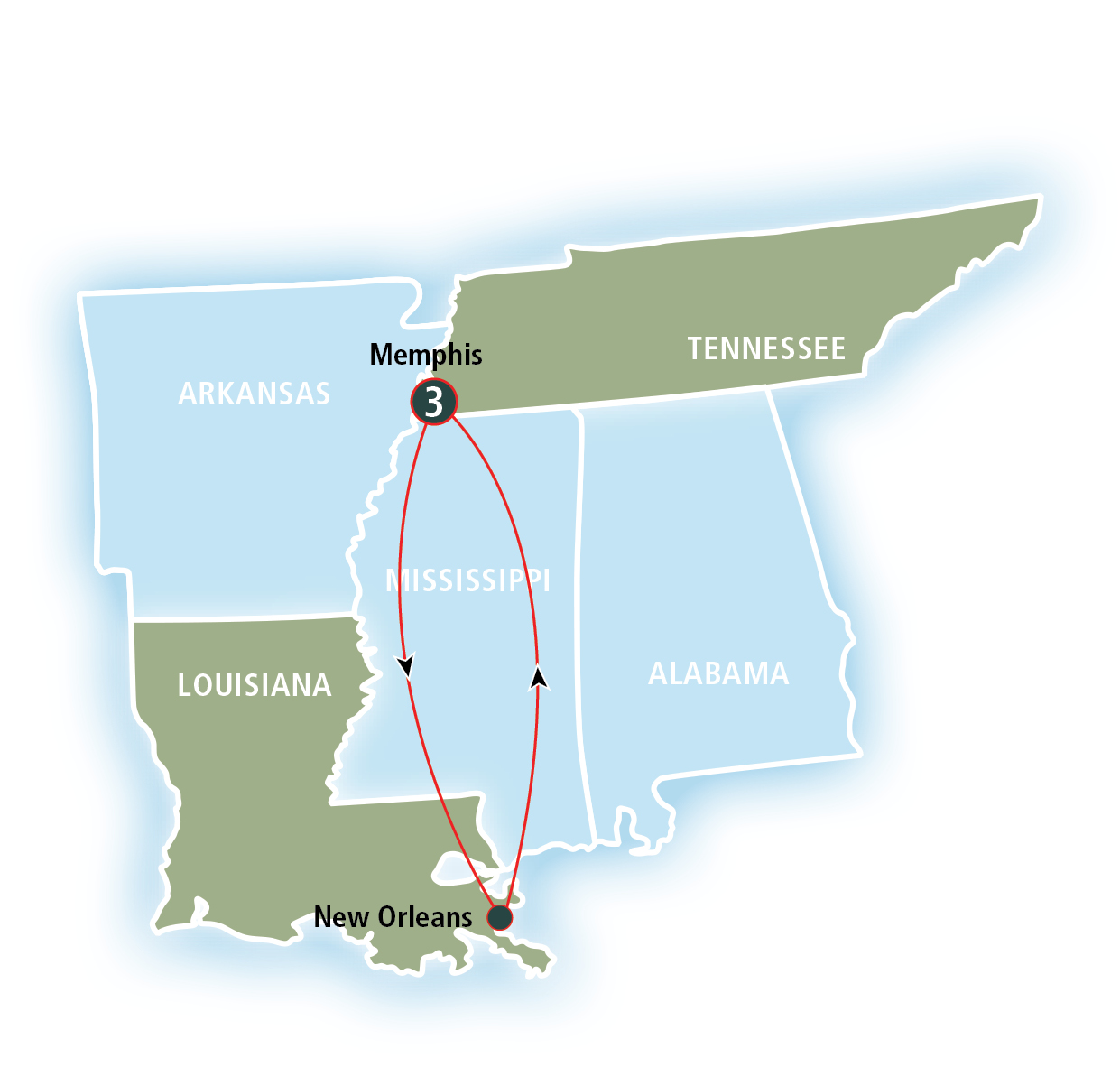
When planning travel between these two cultural powerhouses, the primary route most travelers rely on is Interstate 55. Spanning approximately 395 to 400 miles, the drive is a relatively straightforward journey that typically takes between six and seven hours, depending on traffic conditions, construction, and your chosen pace.
The Direct Route via I-55
The most efficient path takes you directly north from New Orleans through the flat, lush landscapes of the Mississippi Delta. This stretch of highway offers a glimpse into the rural Southern experience, passing through smaller towns and agricultural regions that define much of the landscape between these two major hubs. While the highway is largely uniform, the transition from the humid, subtropical climate of the Gulf Coast to the rolling terrain near Tennessee provides a subtle but noticeable change in scenery.
Managing Travel Expectations
While six hours is a reasonable estimate for a nonstop drive, it is rarely the reality for those who wish to enjoy the journey. Stops in regional hubs such as Jackson, Mississippi, or smaller historic towns along the way can easily turn a single day of driving into an immersive cultural exploration. It is advisable to check local traffic reports, particularly when passing through Jackson or approaching the metropolitan areas of both origin and destination during peak commuting hours.
Transportation Alternatives: Beyond the Road
While driving remains the most popular way to traverse the distance, there are several other modes of transport for those who prefer to leave the navigation to someone else.
Air Travel and Connections
Direct flights between Louis Armstrong New Orleans International Airport and Memphis International Airport are occasionally available depending on the season and airline scheduling. When direct options are not available, flights typically connect through major hubs like Atlanta or Dallas. Though the flight time is short—usually around 90 minutes to two hours in the air—the total time spent navigating security and airport transfers often makes the driving experience more appealing for those looking to carry luggage or enjoy the freedom of the open road.

Rail and Bus Options
For those interested in a more scenic or budget-conscious approach, the Amtrak network serves both regions, though direct rail connections between New Orleans and Memphis are not as robust as the highway system. Travelers often look to Greyhound or similar long-haul bus services for a reliable, low-stress alternative. While these methods take longer than driving—sometimes extending the journey to eight or ten hours—they offer the opportunity to sit back and observe the changing topography of the American South without the burden of behind-the-wheel fatigue.
Strategic Stops Along the Way
The beauty of the trek from Louisiana to Tennessee lies in the hidden gems waiting to be discovered off the interstate. By breaking up the six-hour drive, you can turn a transition point into a vacation highlight.
The Mississippi Delta Experience
As you traverse Mississippi, you are traveling through the birthplace of the blues. Small towns such as Clarksdale, though slightly off the primary I-55 corridor, offer a deep dive into the history of American music. Visiting historical markers, local record shops, and diners that have served travelers for decades provides a level of depth that a nonstop flight simply cannot provide.
Cultural Transitions
The arrival in Memphis signals a transition into the soul of rock-and-roll. As you head north, the culinary landscape shifts from the crawfish boils and gumbo of the Crescent City to the world-renowned dry-rub barbecue that defines the food scene in Tennessee. Whether you are craving a po’boy in New Orleans or a rack of ribs at Central BBQ, the distance covered is essentially a pilgrimage through the most significant culinary corridors in the country.
Logistics and Travel Tips for the Modern Tourist
To ensure a smooth transition between New Orleans and Memphis, preparation is key. Regardless of your chosen mode of transport, keep these factors in mind.
- Seasonality: The climate in both Louisiana and Tennessee can be volatile. Hurricane season in the south can impact travel plans during the late summer and fall, while winter weather in Memphis can occasionally affect road conditions. Always check the forecast a few days before your departure.
- Accommodations: If you plan on stopping overnight, towns like Natchez or Vicksburg provide a perfect halfway point with rich historical context, particularly regarding the American Civil War. Booking your stay in advance, especially during festival season in New Orleans or Beale Street music events, is highly recommended.
- Packing Essentials: Given the distance, it is wise to keep a “road trip kit” accessible. This should include chargers, comfortable footwear for walking tours in both cities, and printed copies of directions in case cellular service drops in rural stretches of the Deep South.
Ultimately, the distance between these two cities is a bridge between two of the most culturally significant urban environments in the United States. Whether your goal is to visit Graceland in Memphis or stroll through the French Quarter in New Orleans, the travel itself becomes an integral part of the narrative. By embracing the transit as a journey through the heart of Southern culture, you transform a standard point-to-point trip into an unforgettable exploration of regional identity.
LifeOutOfTheBox is a participant in the Amazon Services LLC Associates Program, an affiliate advertising program designed to provide a means for sites to earn advertising fees by advertising and linking to Amazon.com. Amazon, the Amazon logo, AmazonSupply, and the AmazonSupply logo are trademarks of Amazon.com, Inc. or its affiliates. As an Amazon Associate we earn affiliate commissions from qualifying purchases.