
Traveling to Hawaii is a dream for many, but choosing the right time to visit this archipelago in the central Pacific Ocean can be a challenge. November is often considered a “shoulder month” in the United States’ tropical paradise. It marks a transition between the dry, hot summer and the cooler, wetter winter. For travelers who prefer avoiding the massive crowds of the winter holidays while still enjoying warm temperatures, November offers a compelling window. However, understanding the nuances of the climate during this time is essential for planning a successful itinerary. From the vibrant streets of Honolulu to the secluded cliffs of the Na Pali Coast State Park, the weather dictates the rhythm of life across the islands.
Understanding the Transition to the Wet Season
November is officially the start of the “ho‘oilo,” or the wet season, in the Hawaiian calendar. While “wet season” might sound intimidating to those seeking a sun-drenched vacation, it is rarely characterized by constant rain. Instead, the weather becomes more dynamic. You can expect passing showers, often occurring overnight or in short bursts during the day, followed by brilliant rainbows and clear skies.
Temperature and Humidity Levels
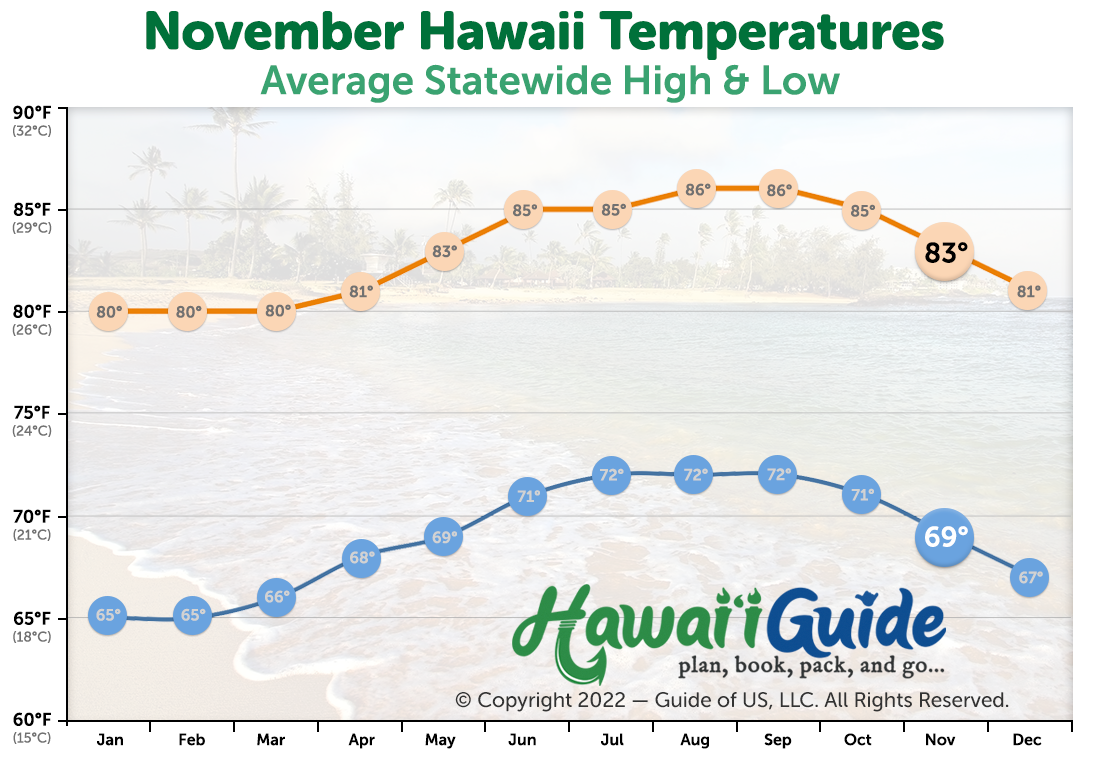
Throughout November, the air remains pleasantly warm. Average daytime highs typically hover around 80°F to 82°F (27°C to 28°C), while evening lows dip to a comfortable 70°F (21°C). Compared to the sweltering heat of August or September, November feels much more temperate. The humidity is present but generally balanced by the consistent trade winds that sweep across the islands from the northeast. These winds act as nature’s air conditioner, making outdoor explorations like hiking Diamond Head or walking through Waikiki much more enjoyable than during the peak of summer.
Rainfall Patterns and the “Green” Shift
One of the greatest benefits of the increased rainfall in November is the rejuvenation of the landscape. After the dry summer months, the foliage across the islands begins to regain its deep, emerald-green luster. Rainfall in Hawaii is highly localized. Because of the mountainous terrain, clouds are often trapped on the “windward” (northeastern) sides of the islands, leaving the “leeward” (southwestern) sides relatively dry. If it is raining in Hilo, it is very likely sunny in Kailua-Kona. This microclimate phenomenon allows travelers to “chase the sun” simply by driving a short distance to the other side of an island.
Regional Variations Across the Hawaiian Islands
Each island has a distinct personality, and the November weather impacts them in different ways. Whether you are looking for the urban energy of Oahu or the rugged wilderness of the Big Island, knowing the regional specifics will help you pack and plan.
Oahu: The Gathering Place
On Oahu, November is a month of anticipation. In Honolulu, the weather remains mostly sunny with occasional light showers that rarely disrupt sightseeing at Pearl Harbor. However, the North Shore of Oahu begins to see a significant change. As the winter swells begin to roll in, the water becomes much more turbulent, transforming from a swimming destination into a world-class surfing arena. For travelers, this means watching professional surfers tackle massive waves rather than snorkeling in calm bays.
Maui: The Valley Isle
Maui experiences a similar split. The resort areas of Wailea and Kaanapali remain largely dry and warm, perfect for those looking to lounge on the beach. If you plan to drive the famous Road to Hana, November provides spectacular views of waterfalls fueled by the early season rains. A visit to Haleakala National Park requires extra preparation; the summit of Mount Haleakala sits at over 10,000 feet, where temperatures in November can drop toward freezing, especially at sunrise. The contrast between the tropical beach and the alpine summit is one of Maui’s most unique experiences.
Kauai: The Garden Isle
As the oldest and northernmost of the main islands, Kauai receives more rain than its neighbors. In November, Lihue and the northern regions like Hanalei Bay and Princeville see frequent showers. This rain is what creates the lush, prehistoric beauty of the island. For hikers wanting to explore the Waimea Canyon, November offers cooler temperatures that make the strenuous trails more manageable. If the north is too wet, the southern shore near Poipu Beach usually offers a sunnier alternative for beach days.

Hawaii Island: The Big Island
The Big Island is a land of extremes. Because of its massive shield volcanoes, it contains almost every climate zone on Earth. In November, Hilo is often rainy, which keeps the local botanical gardens and the surrounding rainforests vibrant. Conversely, the Kona coast remains arid and hot. A major highlight in November is Hawaii Volcanoes National Park. The cooler air at higher elevations makes hiking across the volcanic craters very comfortable. Additionally, the clear November nights are ideal for stargazing near Mauna Kea, though you should expect snow at the very top of the peak even when it is 80 degrees at the beach.
Marine Conditions and Water Activities
For many travelers, the primary reason to visit Hawaii is the ocean. In November, the marine environment undergoes a significant shift that affects everything from snorkeling to whale watching.
Ocean Temperatures in Late Autumn
One of the best things about Hawaii in November is that the ocean remains incredibly warm. Water temperatures average around 77°F to 79°F (25°C to 26°C). This is much warmer than the ocean temperatures found along the coast of California or even parts of the Florida coast in late autumn. You can comfortably swim, snorkel, or paddleboard for hours without needing a wetsuit.
The Arrival of North Shore Swells
November is the start of the big wave season. The storms in the North Pacific begin to push large swells toward the islands. While this is a spectacle to behold on the North Shore of Oahu or the northern coast of Maui, it can make certain popular snorkeling spots dangerous. If you are a casual swimmer or traveling with children, it is best to stick to the protected lagoons and southern beaches during this time. On the other hand, for those interested in the culture of surfing, November marks the beginning of major competitions and a high-energy atmosphere in surf towns like Hanapepe or Lahaina.
Planning Your November Itinerary Around the Weather
Navigating the weather in November is all about flexibility. By planning a diverse range of activities, you can ensure that a sudden rain shower doesn’t dampen your spirits.
Festivals and Cultural Events
November is a fantastic time for travelers to immerse themselves in local culture without the heavy crowds of December. Since the weather is cooler, many outdoor festivals take place. The Oahu Restaurant Week usually happens in November, offering a chance to taste world-class cuisine at a fraction of the usual price. On the Big Island, the Kona Coffee Cultural Festival celebrates the harvest season with tastings, parades, and competitions. These events provide a great backup plan if the weather isn’t perfect for the beach.

Packing Essentials for a Variable Climate
Packing for Hawaii in November requires a bit more thought than a summer trip. While swimwear and shorts are still the primary wardrobe, you should also include:
- A lightweight, breathable rain jacket for those sudden tropical downpours.
- A warm sweater or fleece if you plan to visit high-altitude locations like Haleakala or Mauna Kea.
- Sturdy hiking shoes with good grip, as trails can become muddy and slippery after a rain.
- Reef-safe sunscreen, as the tropical sun is still very strong even on cloudy days.
Visiting the smaller islands like Molokai or Lanai in November can also be a rewarding experience for the adventurous traveler. These islands offer a slower pace of life and are less impacted by the tourism surges seen on the larger islands. The weather there follows the same general patterns—warm days, cooler nights, and the occasional refreshing rain.
In summary, the weather in Hawaii in November is a blend of tropical warmth and the refreshing change of the incoming wet season. While you might encounter more clouds than you would in July, the benefits—lower prices, fewer tourists, lush green landscapes, and the beginning of the spectacular big wave season—far outweigh the occasional rain shower. By understanding the regional microclimates and remaining flexible with your plans, you can experience the very best of what the islands have to offer during this beautiful transition period.
LifeOutOfTheBox is a participant in the Amazon Services LLC Associates Program, an affiliate advertising program designed to provide a means for sites to earn advertising fees by advertising and linking to Amazon.com. Amazon, the Amazon logo, AmazonSupply, and the AmazonSupply logo are trademarks of Amazon.com, Inc. or its affiliates. As an Amazon Associate we earn affiliate commissions from qualifying purchases.