
The question of when Hawaii was “purchased” is a common point of confusion for many visitors and history enthusiasts alike. Unlike the Louisiana Territory or Alaska, Hawaii was never actually bought by the United States in a traditional real estate transaction. Instead, its incorporation into the American fold is a complex narrative of political upheaval, strategic military necessity, and an eventual annexation process that forever altered the sovereignty of the Pacific Ocean archipelago.
The Kingdom of Hawaii and Early International Relations
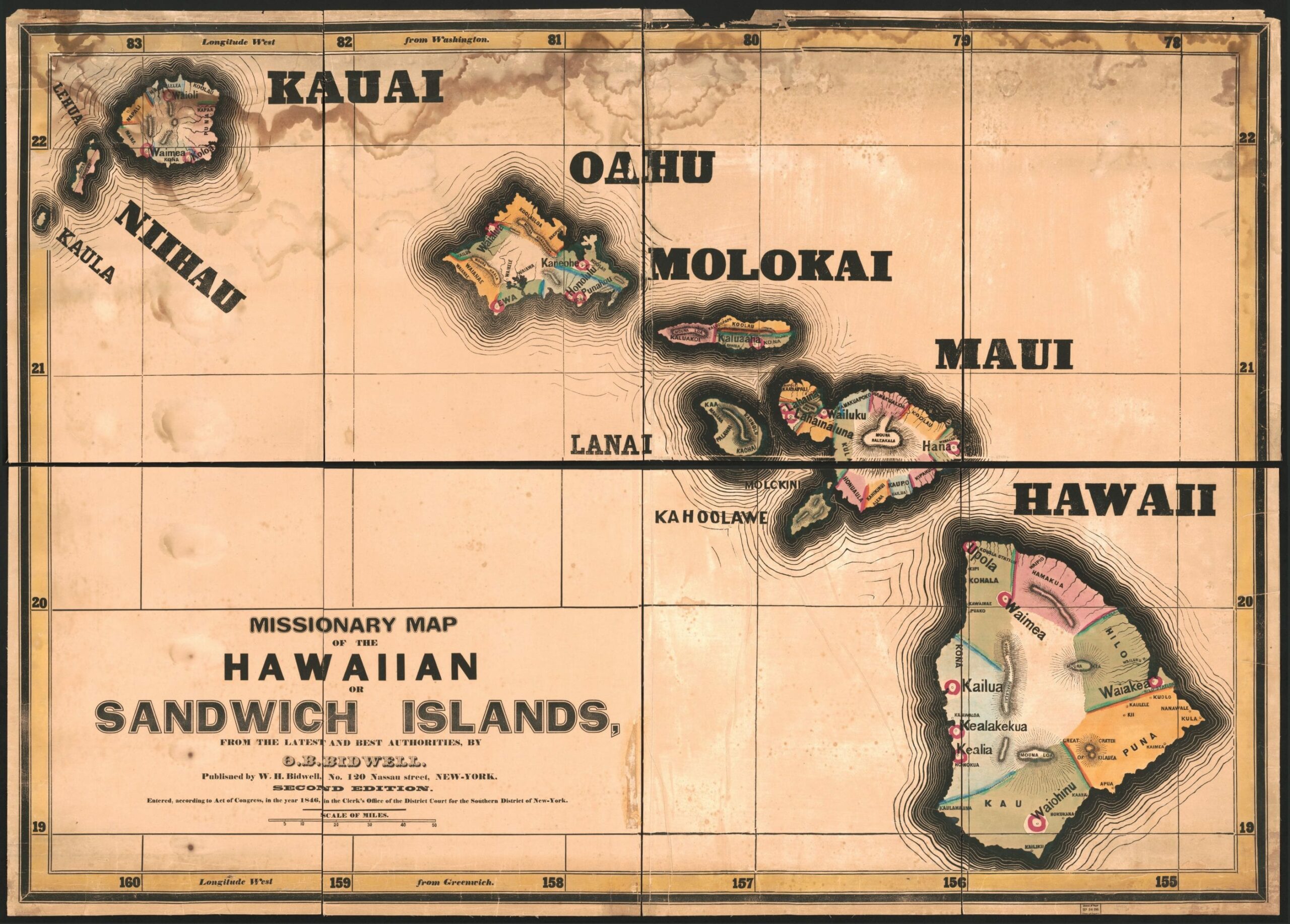
Before it became the 50th state of the United States, Hawaii was a recognized, independent nation governed by a long lineage of monarchs. Under the leadership of King Kamehameha I, the islands were unified in 1810. Throughout the 19th century, the Kingdom of Hawaii engaged in diplomacy with major world powers, including Great Britain, France, and the United States.
Sovereignty and Recognition
By the mid-1800s, the Kingdom of Hawaii had secured formal recognition of its independence from both London and Paris, and later from Washington. It possessed its own constitution, a functioning judiciary, and a diplomatic corps. The notion of a “purchase” contradicts the historical reality that Hawaii was a sovereign state, not a colonial holding waiting to be sold by a foreign power.
The Role of Sugar and Trade
The economic landscape of the islands changed rapidly with the growth of the sugar industry. As American investors established large plantations, their influence in the local government grew. This economic entanglement, paired with the strategic importance of Pearl Harbor as a coaling station for the United States Navy, set the stage for a dramatic political shift.
The Overthrow of the Monarchy
The internal political strife within the Kingdom of Hawaii reached a boiling point in 1893. A group of American-aligned businessmen, supported by a contingent of U.S. Marines, orchestrated a coup against Queen Liliuokalani. This event was the catalyst that dismantled the monarchy and moved Hawaii away from independence.
The Provisional Government
Following the deposition of the Queen, a provisional government was established with the ultimate goal of annexation by the United States. While President Grover Cleveland initially opposed the coup—denouncing it as an act of injustice—the political tides turned rapidly as the Spanish-American War heightened the United States need for a permanent military presence in the Pacific.
Annexation and the Newlands Resolution
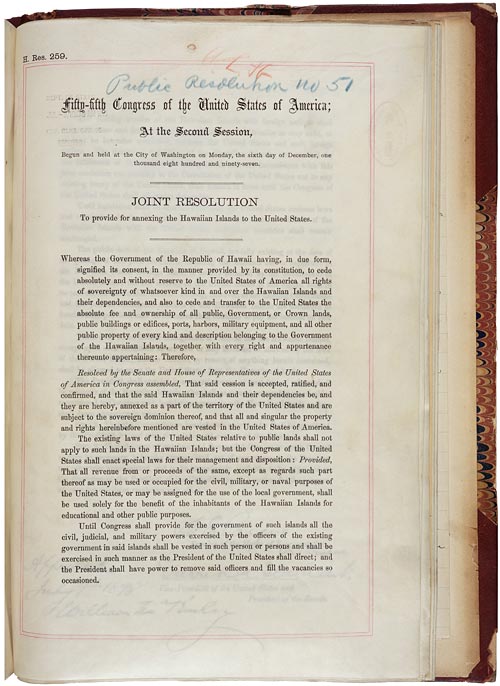
Instead of a purchase, the annexation of Hawaii occurred in 1898 through the Newlands Resolution. This was a joint resolution of Congress, effectively a legislative act that absorbed the Republic of Hawaii as a U.S. territory. By bypassing the treaty process, which would have required a two-thirds majority in the United States Senate, the resolution provided a constitutional shortcut to territorial acquisition.
Hawaii’s Path to Statehood
The journey from a monarchy to an American state was lengthy and contentious. After nearly 60 years as a territory, Hawaii finally achieved statehood on August 21, 1959.
The Territorial Period
During the decades between annexation and statehood, Hawaii served as a critical hub for American maritime and aviation interests. The rapid development of Honolulu and the transformation of Waikiki into a tourist destination mirrored the growing integration of the islands into the American mainland’s culture and economy.
Cultural and Historical Legacy
Today, the history of how Hawaii became part of the United States is taught with deep respect for the indigenous culture and the legacy of the Hawaiian Kingdom. Travelers visiting sites such as Iolani Palace can learn about the final days of the monarchy and the nuances of the events that led to the end of Hawaii as a sovereign nation.
Understanding the Modern Context
Modern Hawaii is a unique blend of its Polynesian heritage and its American status. Visitors often arrive looking for a vacation, but many leave with a greater appreciation for the complex history of the Pacific islands.
Preserving History for Future Generations
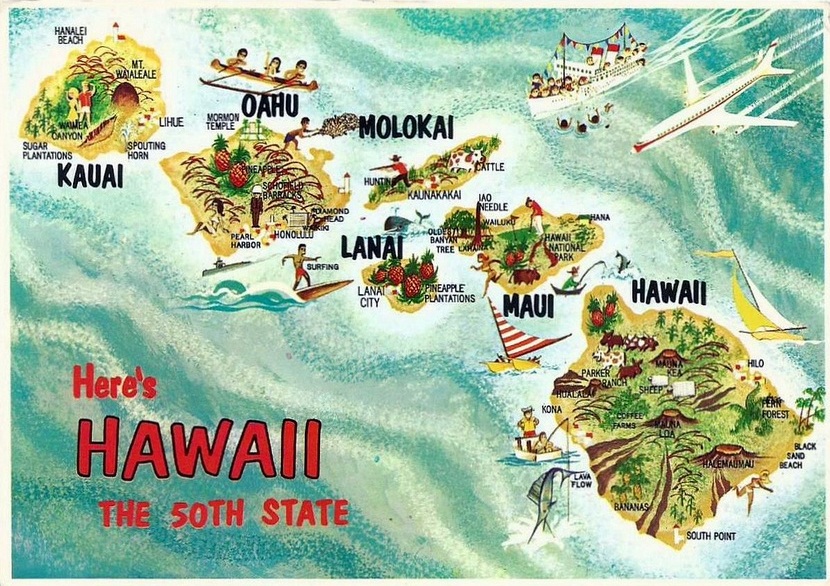
Preservation efforts across the islands, from the Bishop Museum to various historical sites on Oahu, Maui, Kauai, and the Big Island, allow visitors to engage with the past. Education plays a significant role in Hawaii tourism, helping people understand that the state was not a product of commerce, but a consequence of geopolitical shifts.
Reflection on the Question
The misconception of a “purchase” speaks to how we often interpret global history through the lens of transaction rather than transition. Hawaii was not sold; it was annexed, integrated, and eventually elevated to equal status within the federal union. Recognizing this distinction is essential for any visitor wanting to respect the history and the people of this beautiful, storied landscape. Whether you are walking the sands of Kailua Beach or standing before the historic architecture of downtown Honolulu, the history of the islands remains a vital, living part of the local experience.
LifeOutOfTheBox is a participant in the Amazon Services LLC Associates Program, an affiliate advertising program designed to provide a means for sites to earn advertising fees by advertising and linking to Amazon.com. Amazon, the Amazon logo, AmazonSupply, and the AmazonSupply logo are trademarks of Amazon.com, Inc. or its affiliates. As an Amazon Associate we earn affiliate commissions from qualifying purchases.