
Traveling from the heart of the Midwest to the volcanic archipelagos of the Pacific Ocean is a journey that spans nearly the entire breadth of the United States. For residents of Ohio, the dream of swapping rolling hills and seasonal lake breezes for the tropical warmth of Hawaii requires a significant investment in air travel time. Understanding the logistics of this transpacific trek is essential for anyone planning a getaway to the Aloha State. Because there are currently no non-stop flights from any airport in Ohio to the islands, travelers must navigate connections, time zone shifts, and the endurance of long-haul flying.
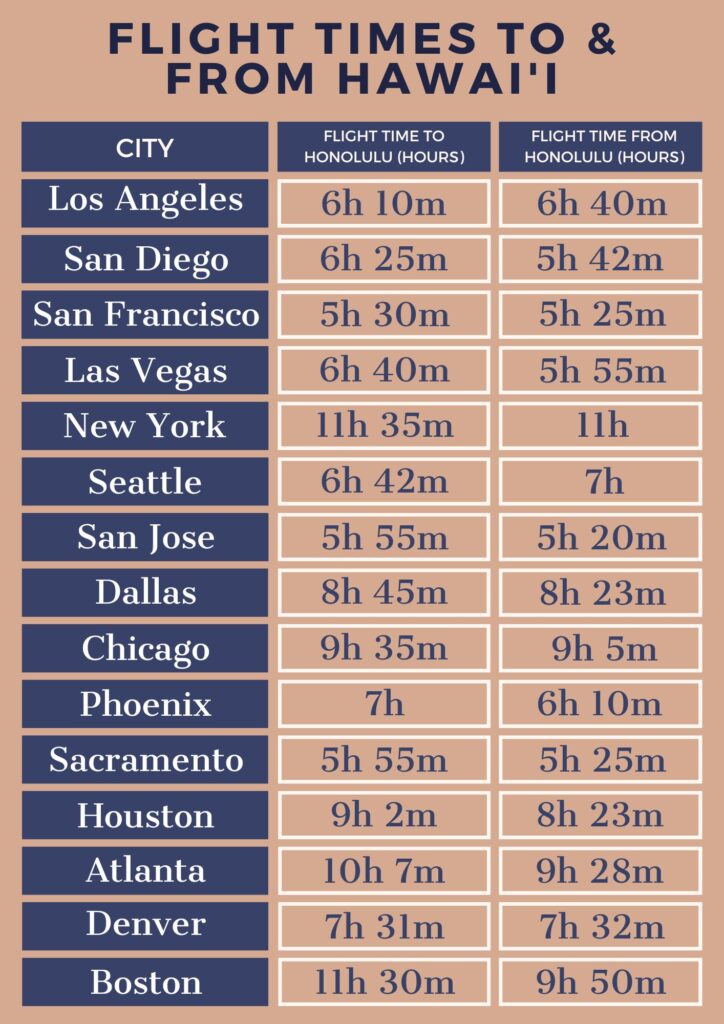
On average, a flight from Ohio to Hawaii takes between 10 and 14 hours. This duration is heavily influenced by the length of layovers, the specific island destination, and the direction of the jet stream. While the journey is long, the transition from the bustling streets of Columbus or Cleveland to the serene shores of Waikiki Beach makes every hour spent in the air worthwhile.
Understanding the Journey: Routes and Major Hubs
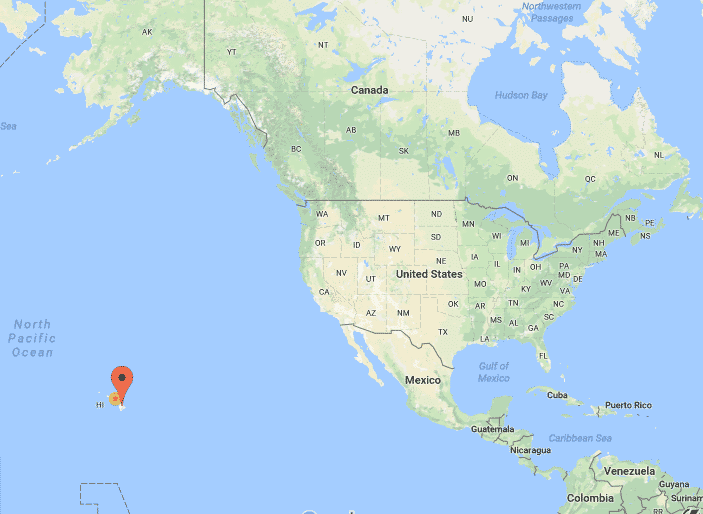
The logistics of flying from Ohio involve selecting a departure city and a strategic layover hub. Since the distance between Columbus and Honolulu is approximately 4,500 miles, the flight is divided into two distinct segments: the domestic leg across the mainland and the overwater leg across the Pacific Ocean.
Departure Points in Ohio
Most travelers will begin their journey at one of three major international airports. The John Glenn Columbus International Airport serves as a primary gateway for central Ohio, offering numerous connections through major airline hubs. To the north, Cleveland Hopkins International Airport provides a wide array of options for those in the Lake Erie region. Meanwhile, travelers in the southern part of the state often utilize Cincinnati Northern Kentucky International Airport. Each of these airports connects to major “gateway” cities that specialize in flights to the islands.
Common Layover Cities
Because there are no direct routes, the efficiency of your trip depends on where you stop. Common layover cities include Chicago, Dallas, and Denver. These central hubs are excellent for minimizing total travel time. Alternatively, many travelers choose to fly to the West Coast first, stopping in Los Angeles, San Francisco, Seattle, or Phoenix.
A West Coast layover often splits the journey into a five-hour flight to the coast followed by another five-to-six-hour flight to Hawaii. This can be a strategic choice for those who wish to break up the flight and perhaps spend a night in California before completing the final leg of the trip.
Factors That Affect Your Travel Time
The “how long” of a flight is rarely a static number. Several variables can add or subtract hours from your itinerary, making it vital to look beyond the departure and arrival times on your ticket.
The Impact of Layovers and Connections
The single most significant factor in total travel time is the duration of the connection. A tight one-hour layover in Chicago can get you to Honolulu in roughly 11 hours. However, should you encounter a four-hour delay or choose a longer connection to avoid the stress of sprinting through an airport, your total travel time can easily exceed 15 hours. When booking, travelers must balance the desire for a quick trip with the reality of potential delays at busy hubs like Dallas.
Wind and the Jet Stream
The atmospheric conditions over the United States play a major role in flight duration. When flying west toward Hawaii, planes often fly against prevailing headwinds, which can slow the aircraft down and add 30 to 45 minutes to the flight. Conversely, the return trip from Honolulu to Ohio is usually faster, as the jet stream pushes the plane eastward, often shaving an hour or more off the total travel time.
Destination Island
While most flights from the mainland land at Daniel K Inouye International Airport on Oahu, you may be heading to a different island. Flying into Kahului Airport on Maui or Lihue Airport on Kauai might require an additional inter-island flight if a direct connection from a mainland hub isn’t available. These short “puddle jumper” flights take about 30 to 50 minutes but require additional time for deplaning and boarding.
Surviving the Long-Haul Experience

A 12-hour journey is a test of endurance. To ensure that you arrive in Hawaii ready to explore rather than needing a day to recover, preparation is key.
Managing the Time Zone Shift
Ohio operates on Eastern Time, while Hawaii follows Hawaii-Aleutian Standard Time. Depending on the time of year (due to Daylight Saving Time, which Hawaii does not observe), there is a five or six-hour time difference. When you land in Honolulu at 4:00 PM, your body may feel like it is 9:00 PM or 10:00 PM. Experts recommend staying hydrated and immediately adapting to the local time by staying awake until a normal bedtime in Hawaii.
In-Flight Comfort
Modern aircraft servicing the Hawaii routes from major hubs like Dallas or Chicago often feature enhanced entertainment systems and meal services. However, it is wise to pack essentials. Noise-canceling headphones, a neck pillow, and layers of clothing are indispensable. The temperature in the cabin can fluctuate, and having a sweater can make the difference between a restless flight and a comfortable nap.
Exploring Hawaii: What Awaits After the Flight
Once the wheels touch down and the warm, floral-scented air of the islands hits you, the long flight from Ohio becomes a distant memory. Each island offers a unique experience that caters to different travel styles.
Oahu: The Gathering Place
Oahu is the most common entry point for Ohio travelers. Here, you can visit the historic Pearl Harbor memorials or hike the iconic Diamond Head for a panoramic view of the coastline. The famous Waikiki neighborhood offers world-class dining and shopping, while the North Shore provides a more laid-back atmosphere with massive winter waves that attract surfers from across the globe. For a cultural immersion, many travelers head to the Polynesian Cultural Center to learn about the diverse heritage of the Pacific Ocean islands.
Maui: The Valley Isle
If your flight takes you to Maui, you are in for a mix of luxury and adventure. A drive along the legendary Road to Hana reveals dozens of waterfalls and lush rainforests. To see one of the most spectacular sunrises on Earth, travelers wake up early to visit Haleakala National Park, where the dormant volcano’s summit rises above the clouds.
Kauai: The Garden Isle
For those seeking a more rugged, natural experience, Kauai is the ultimate destination. The dramatic cliffs of the Na Pali Coast are best viewed by boat or helicopter, as they are largely inaccessible by car. Inland, the Waimea Canyon, often called the “Grand Canyon of the Pacific,” offers breathtaking red-dirt vistas and miles of hiking trails.
The Big Island: Hawaii
The island of Hawaii, commonly known as the Big Island, is a land of extremes. From the snow-capped peak of Mauna Kea to the active lava flows at Hawaii Volcanoes National Park, the island’s geography is constantly changing. Visitors can explore the black sand beaches near Hilo or enjoy the sunny, resort-filled coast of Kona.
Planning Your Ohio to Hawaii Itinerary
The best way to maximize your trip is to plan according to the seasons. While Hawaii is a year-round destination, Ohio travelers often find the winter months to be the most rewarding time to visit, providing a much-needed escape from the Midwest cold.
Best Times to Book
To find the most efficient flight durations and the best prices, it is often recommended to book at least three to four months in advance. Mid-week departures—specifically Tuesdays and Wednesdays—often yield shorter layovers and lower fares than weekend travel.
Final Logistics and Packing
When packing for Hawaii, remember that the islands are casual. Breathable fabrics like linen and cotton are ideal. However, if your itinerary includes a trip to Haleakala National Park or the summit of Mauna Kea, you will actually need those winter clothes you wore to the airport in Cleveland, as temperatures at high altitudes can drop below freezing.
The journey from Ohio to Hawaii is more than just a flight; it is a transition between two completely different worlds. By understanding the time it takes, the routes available, and the wonders that await, you can turn a long day of travel into the start of a lifetime’s worth of memories. Whether you are snorkeling at Hanauma Bay or watching the sunset over Poipu Beach, the ten-plus hours in the air will feel like a small price to pay for paradise.
LifeOutOfTheBox is a participant in the Amazon Services LLC Associates Program, an affiliate advertising program designed to provide a means for sites to earn advertising fees by advertising and linking to Amazon.com. Amazon, the Amazon logo, AmazonSupply, and the AmazonSupply logo are trademarks of Amazon.com, Inc. or its affiliates. As an Amazon Associate we earn affiliate commissions from qualifying purchases.