
For many travelers residing in or visiting California, the allure of the Pacific Ocean and the tropical paradise of the Hawaiian Islands is irresistible. As one of the primary gateways from North America to the tropics, San Francisco offers a strategic jumping-off point for those seeking sun, surf, and the spirit of Aloha. However, before you pack your bags and head to the airport, one of the most common logistical questions remains: how long is the flight from San Francisco to Hawaii?
While the distance might seem vast on a map, the flight is remarkably manageable, serving as a standard mid-haul route for major carriers. Understanding the duration, the factors that influence travel time, and what to expect during the journey is essential for planning a seamless vacation.
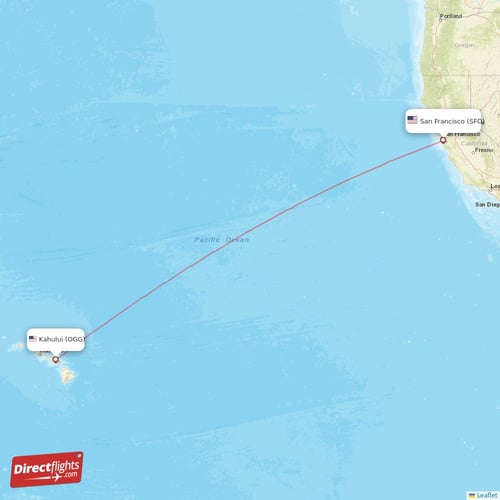
Understanding the Flight Duration from San Francisco to Hawaii
The flight time from San Francisco International Airport to the various islands of Hawaii typically ranges between five and six hours. Because the Hawaiian Islands are a chain stretching across the central Pacific Ocean, your specific destination will slightly alter the total time spent in the air.
The Distance Factor
The geographic distance between San Francisco and Honolulu, the state capital located on the island of Oahu, is approximately 2,397 miles. This distance is relatively consistent whether you are flying into Maui, Kauai, or the Big Island, with variations of only a few hundred miles. For most travelers, this equates to a flight that is long enough to enjoy a full-length movie and a meal, but short enough to avoid the extreme fatigue associated with transcontinental or international long-haul travel.
Direct vs. Connecting Flights
When booking your travel, the choice between a direct flight and a connecting flight will be the most significant factor in your total travel time. Direct flights from San Francisco International Airport are plentiful. These non-stop routes provide the most efficient path to the islands, usually clocking in at around 5 hours and 15 minutes to 5 hours and 45 minutes.
Conversely, connecting flights can significantly extend your journey. Some travelers may find lower fares by connecting through Los Angeles International Airport or Seattle-Tacoma International Airport. While these routes can save money, they often add three to five hours to the total trip duration, depending on the length of the layover. For those prioritizing time and convenience, the direct route from San Francisco is almost always the preferred option.
Factors Affecting Your Travel Time
While the scheduled flight time provides a good baseline, several environmental and logistical factors can cause the actual duration to fluctuate. Experienced travelers know that the time listed on a ticket is an estimate that accounts for various conditions.
The Impact of Jet Streams and Trade Winds
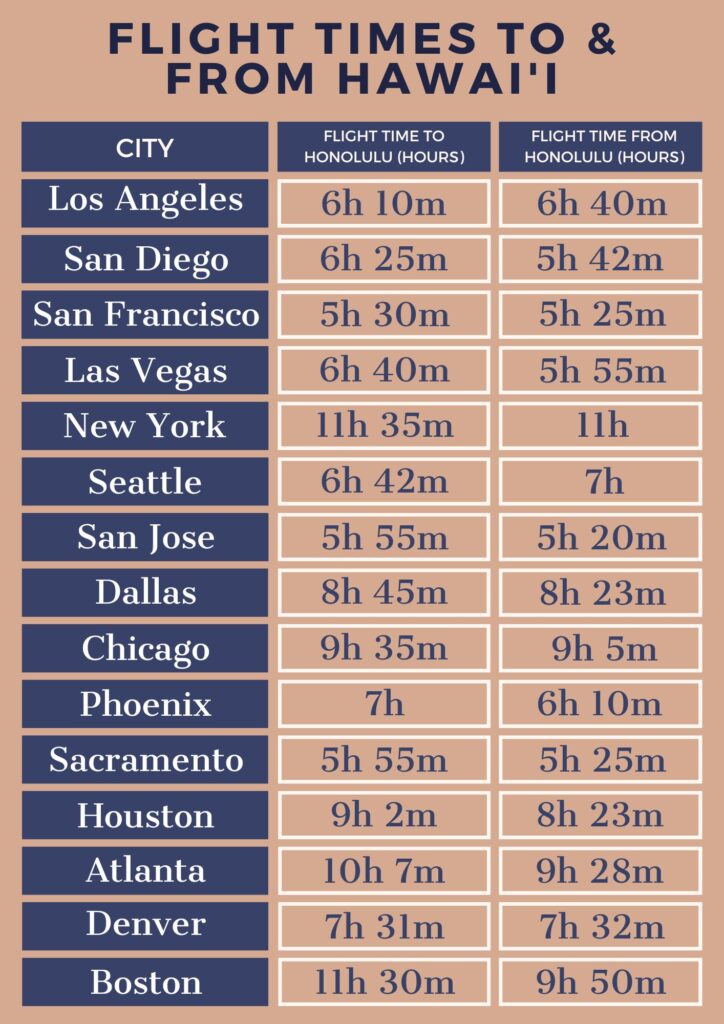
One of the most fascinating aspects of trans-Pacific flight is the influence of the jet stream. When flying from San Francisco to Hawaii, aircraft are generally flying against the prevailing winds. These headwinds can slow the plane down, often making the westbound leg of the journey slightly longer than the return trip.
On the way back from Honolulu to San Francisco, the aircraft “rides” the jet stream. These powerful tailwinds can shave 30 to 45 minutes off the flight time, frequently resulting in arrival times that are ahead of schedule. It is not uncommon for a flight from Hawaii to California to take under five hours under optimal wind conditions.
Seasonal Variations in Flight Schedules
The seasons also play a role in how airlines schedule their flights. During the winter months, the jet stream tends to be stronger and sits further south, which can lead to slightly longer flight times toward the islands and even faster return trips. Additionally, winter weather at San Francisco International Airport, such as the famous fog or heavy rain, can occasionally lead to ground delays. While these don’t change the time spent in the air, they do affect your total “gate-to-gate” travel time.
Airline Options and Departure Hubs
San Francisco is one of the most well-connected cities for travel to Hawaii. Because it serves as a major hub for several large carriers, travelers have a wealth of options when it comes to choosing an airline and a specific island destination.
Carriers Operating from San Francisco International Airport
United Airlines maintains a massive presence at San Francisco International Airport, offering multiple daily non-stop flights to all four major Hawaiian islands. Their frequent schedule provides flexibility for travelers who want to depart at specific times of the day.
Alaska Airlines is another prominent carrier on this route, known for its consistent service and competitive pricing. Additionally, Hawaiian Airlines offers a unique experience, as their service often begins the “island vibe” the moment you step on board, with island-inspired meals and hospitality. For those looking for budget-friendly options, Southwest Airlines has also expanded its service to Hawaii from the Bay Area, often operating out of nearby Oakland International Airport or San Jose Mineta International Airport in addition to San Francisco.
Destination Airports in the Hawaiian Islands
Where you land in Hawaii depends on which island you’ve chosen for your adventure. Each major island has its own primary airport capable of receiving flights from the mainland:
- Oahu: Most travelers arrive at Daniel K Inouye International Airport in Honolulu. This is the busiest hub in the state and serves as the primary entry point for international and domestic visitors alike.
- Maui: Kahului Airport is the gateway to the Valley Isle. The flight time from San Francisco to Kahului is very similar to the flight to Honolulu.
- Kauai: To reach the Garden Isle, you will fly into Lihue Airport. This flight is often slightly longer as Kauai is the westernmost of the primary islands.
- Big Island: Travelers headed to the volcanic landscapes of the largest island usually land at Ellison Onizuka Kona International Airport at Keahole. There are also flights into Hilo International Airport, though non-stop options from San Francisco to Hilo are less frequent than those to Kona.
Maximizing Comfort on Your Journey to the Pacific
A five-to-six-hour flight is the perfect duration to practice some “slow travel” mindset. While it isn’t a grueling ultra-long-haul flight, it is long enough that comfort becomes a priority. Making the most of your time in the air ensures that you arrive in Hawaii feeling refreshed and ready to explore.
In-Flight Amenities and Services
Most major airlines operating the route from San Francisco to Hawaii utilize large, modern aircraft like the Boeing 737 Max, Airbus A321neo, or even wide-body planes like the Boeing 777 on high-demand days. These planes are typically equipped with high-speed Wi-Fi, seatback entertainment systems, and USB charging ports.
When flying with Hawaiian Airlines, passengers often enjoy complimentary meals even in economy class, a rarity on domestic US routes. For other carriers like United Airlines or Alaska Airlines, you may want to pre-order a meal or bring your own snacks from the many high-quality food vendors at San Francisco International Airport.
Navigating Time Zones
One of the best things about traveling from San Francisco to Hawaii is that the time difference is manageable. Hawaii follows Hawaii-Aleutian Standard Time, which does not observe Daylight Saving Time. This means that for part of the year, Hawaii is two hours behind Pacific Daylight Time, and for the other part, it is three hours behind Pacific Standard Time.
Because you are flying west, you “gain” time on your way to the islands. A flight departing San Francisco at 9:00 AM will often land in Honolulu around 11:30 AM or 12:00 PM local time. This gives you a full afternoon to check into your resort, hit the beach at Waikiki, or enjoy a sunset dinner at Lahaina.
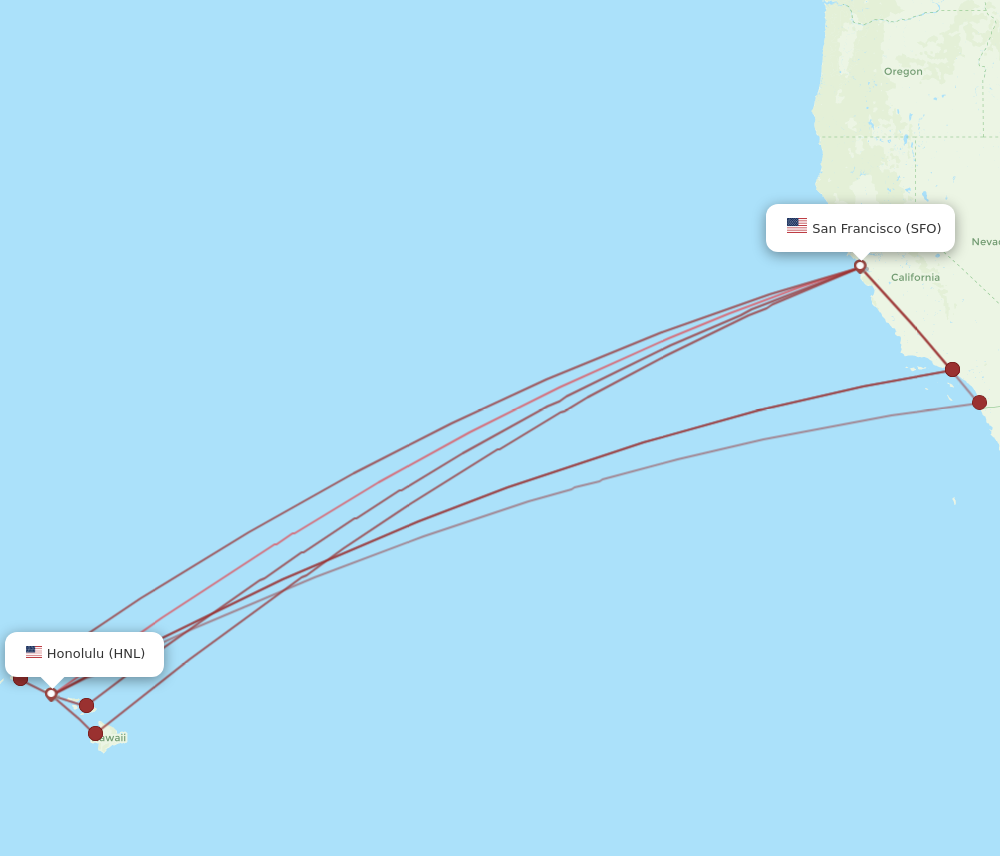
Planning Your Arrival in the Aloha State
As your flight begins its descent over the sparkling turquoise waters surrounding the islands, the excitement of the destination truly takes hold. Whether you are landing amidst the lush greenery of Kauai or the volcanic coastlines of Kona, the arrival process in Hawaii is generally efficient.
Once you disembark, you will notice the immediate change in humidity and the sweet scent of tropical flowers—a stark contrast to the brisk air of the San Francisco Bay Area. Most airports in Hawaii are designed with an open-air concept, allowing the trade winds to flow through the terminals, offering an instant welcome to the islands.
In summary, the flight from San Francisco to Hawaii is a straightforward and enjoyable journey. At approximately five and a half hours, it represents one of the easiest ways to reach a world-class tropical destination from the mainland United States. By choosing the right airline, understanding the impact of the winds, and preparing for a few hours of relaxation in the sky, you can turn the travel day into an integral and pleasant part of your Hawaiian vacation. Whether you are seeking the adventure of Haleakala National Park or the historic sites of Pearl Harbor, your journey begins with a relatively short hop across the Pacific.
LifeOutOfTheBox is a participant in the Amazon Services LLC Associates Program, an affiliate advertising program designed to provide a means for sites to earn advertising fees by advertising and linking to Amazon.com. Amazon, the Amazon logo, AmazonSupply, and the AmazonSupply logo are trademarks of Amazon.com, Inc. or its affiliates. As an Amazon Associate we earn affiliate commissions from qualifying purchases.