
The dream of visiting Hawaii is shared by millions of travelers across the globe. Known for its volcanic landscapes, crystal-clear waters, and the unique spirit of Aloha, this archipelago remains one of the most isolated yet accessible tropical paradises on Earth. However, because the Hawaiian Islands are located in the middle of the Pacific Ocean, thousands of miles from any major landmass, the primary question for any prospective traveler is: how long is the plane ride to Hawaii?
The answer varies significantly depending on your departure point, the aircraft type, and even the prevailing weather patterns. Whether you are flying from the United States mainland, Asia, or Oceania, understanding the logistics of your journey is the first step in planning a seamless vacation.
Flight Durations from the United States Mainland
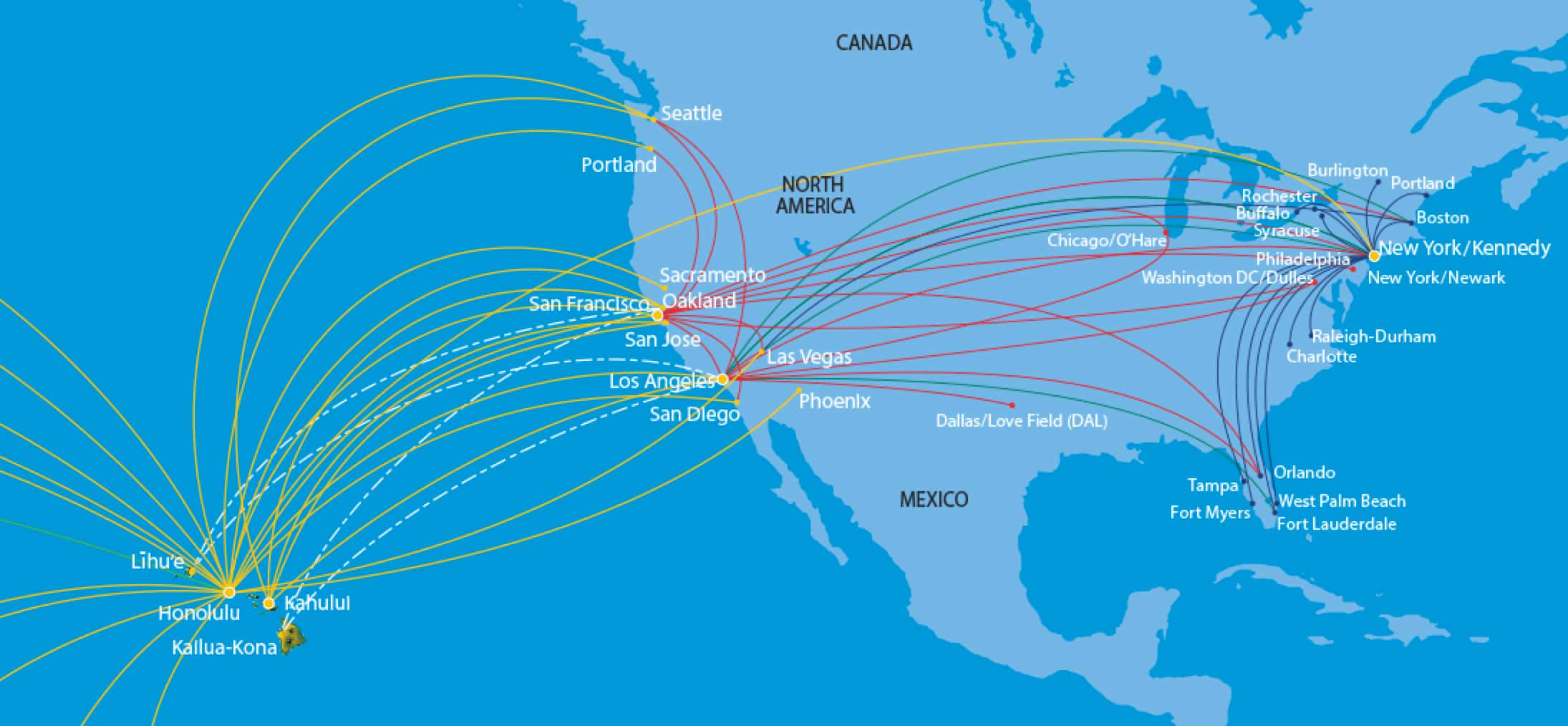
For many travelers, the journey begins in North America. The United States serves as the primary hub for flights to the islands, with major carriers offering daily non-stop service from dozens of cities. The duration of these flights is largely determined by which coast you are departing from.
From the West Coast Gateway
The West Coast of the United States is the most common jumping-off point for Hawaii. Cities like Los Angeles, San Francisco, Seattle, and San Diego offer the shortest flight times.
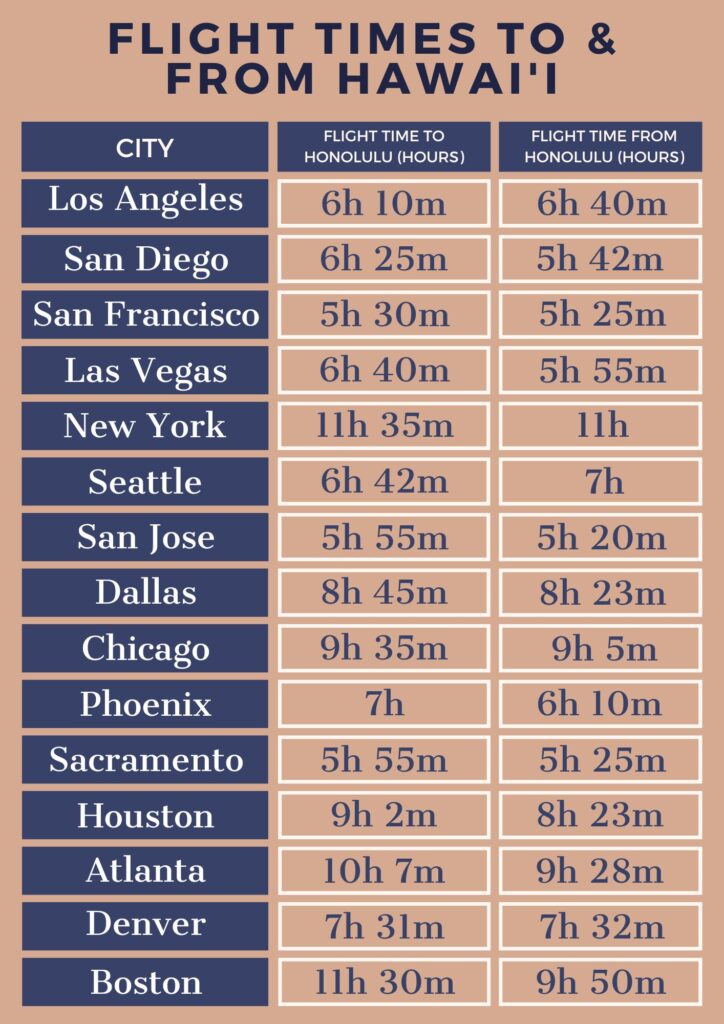
On average, a direct flight from California to Honolulu or Kahului takes between 5 and 6 hours. From Los Angeles, you can expect to be in the air for approximately 5 hours and 45 minutes. From San Francisco, the time is slightly shorter, often hovering around 5 hours and 30 minutes. If you are flying from further north, such as Seattle or Portland, the flight duration increases slightly to about 6 hours.
These routes are frequently served by major carriers including Hawaiian Airlines, Alaska Airlines, United Airlines, and Southwest Airlines. Due to the high volume of traffic, these flights are often competitively priced and offer various departure times throughout the day.
Across the Continent: Midwest and East Coast
Traveling from the central or eastern United States to Hawaii is a significantly more grueling endeavor. These flights are among the longest domestic routes in the world.
From the Midwest, cities like Chicago or Dallas serve as major transit points. A non-stop flight from Chicago to Honolulu typically takes about 9 hours and 30 minutes. From Dallas, the flight is roughly 8 hours and 45 minutes.
The true endurance test, however, is the journey from the East Coast. Direct flights from New York City, Newark, or Boston are marathon sessions. A non-stop flight from John F. Kennedy International Airport to Daniel K. Inouye International Airport in Honolulu spans approximately 11 hours. These flights cross multiple time zones, often resulting in significant jet lag upon arrival. Despite the length, the convenience of a direct flight often outweighs the alternative of a layover in Los Angeles or San Francisco, which can easily extend the total travel time to 15 hours or more.
International Perspectives: Flights from Asia and Oceania
Hawaii is a global destination, drawing visitors from across the Pacific Rim. Its location makes it a strategic bridge between North America and Asia.
Travel from Asia
Japan has a long-standing cultural and economic connection with Hawaii, making it one of the most frequent sources of international visitors. Flights from Tokyo (either Narita International Airport or Haneda Airport) to Honolulu take about 7 to 8 hours depending on the direction. Interestingly, the flight back to Japan is usually longer—often exceeding 9 hours—due to strong headwinds.
From South Korea, flights departing from Seoul typically last around 9 to 10 hours. Similarly, travelers from China departing from Shanghai can expect a journey of roughly 11 hours.
Travel from Oceania
From the southern hemisphere, Australia and New Zealand provide steady streams of tourists. A direct flight from Sydney to Honolulu is approximately 10 hours long. If you are flying from Auckland, the flight duration is slightly shorter, coming in at about 8 hours and 30 minutes.
For travelers from Canada, specifically Vancouver, the flight duration mirrors that of Seattle, taking about 6 hours. Toronto and Montreal travelers face a journey similar to those on the United States East Coast, often requiring 11 or more hours of flight time.
Factors Affecting Flight Times and Routes
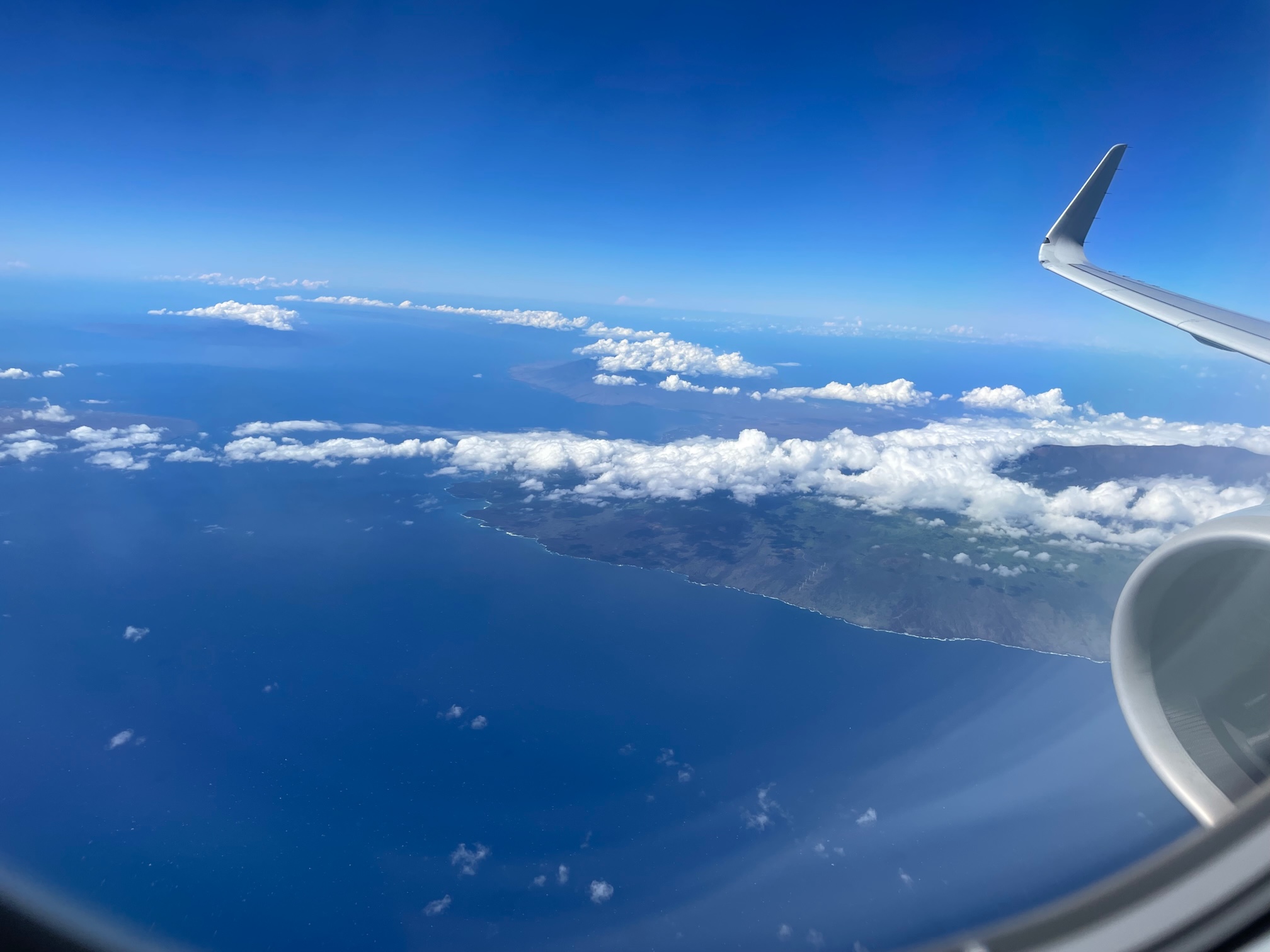
When calculating “how long is a plane ride to Hawaii,” one must account for variables that exist outside the standard timetable. Aviation is a complex field where physics and geography dictate the clock.
The Role of Jet Streams
One of the most significant factors in flight duration is the jet stream—a high-altitude wind current that flows from west to east. When flying from Asia or the West Coast of the United States toward Hawaii, these winds can either act as a tailwind or a headwind.
Typically, flights heading east (away from Hawaii toward the United States mainland) are shorter because they are pushed by the jet stream. Conversely, flights heading west (toward Hawaii from California) must fight against these winds, often adding 30 to 45 minutes to the total travel time. In extreme winter months, these winds are stronger, which can further fluctuate arrival times.
Direct vs. Connecting Flights
While many major cities offer non-stop service, a large portion of travelers will have to navigate connections. If you are flying from a smaller city like Denver, Phoenix, or Las Vegas, you might find a direct flight, but if you are coming from Charlotte or Miami, a layover is almost certain.
A connection typically adds a minimum of 2 to 4 hours to your total travel time. Travelers often choose to stop at Los Angeles International Airport or San Francisco International Airport to break up the journey. While this increases the “door-to-door” travel time, it can make the experience more manageable for families with young children or elderly travelers.
Choosing Your Arrival Point: The Major Airports
Hawaii is not just one destination; it is an archipelago of several islands, each with its own primary airport. Depending on where your Hawaii adventure begins, your flight time and experience may differ.
Daniel K. Inouye International Airport (HNL)
Located in Honolulu on the island of Oahu, this is the busiest airport in the state. It serves as the primary international gateway. Most flights from the United States East Coast and international locations like Japan and Australia land here. Once you arrive at Daniel K. Inouye International Airport, you are just a short drive from Waikiki and famous landmarks like Diamond Head and Pearl Harbor.
Kahului Airport (OGG)
For those heading to the “Valley Isle,” Kahului Airport on Maui is the destination. It is the second busiest airport in Hawaii. Direct flights from many West Coast cities land here, allowing travelers to skip the connection in Honolulu. The flight duration is generally the same as flying to Honolulu.
Ellison Onizuka Kona International Airport (KOA)
If you are visiting the Big Island, you will likely fly into Kona. This airport is unique for its open-air terminals, offering an immediate tropical atmosphere. Direct flights to Kona are available from hubs like Los Angeles, Seattle, and even Tokyo.
Lihue Airport (LIH)
Travelers seeking the lush landscapes of Kauai will land at Lihue Airport. While smaller, it still receives direct flights from major West Coast cities. Flying directly to Kauai saves the time of a 30-minute inter-island flight, which is the standard way to reach the smaller islands from Honolulu.
Travel Tips for the Long-Haul Journey
Given that a flight to Hawaii can range from 5 to 11 hours, preparation is key to ensuring your vacation starts on a high note.
- Stay Hydrated: The cabin air on long-haul flights over the Pacific Ocean is incredibly dry. Drinking plenty of water is essential to combat fatigue and the effects of altitude.
- Manage Jet Lag: Hawaii operates on Hawaii-Aleutian Standard Time. This is 2 to 3 hours behind the West Coast and 5 to 6 hours behind the East Coast. Try to adjust your sleep schedule a few days before departure.
- Entertainment and Comfort: While many modern aircraft like the Boeing 787 Dreamliner or the Airbus A330 provide excellent in-flight entertainment, it is always wise to bring your own noise-canceling headphones and a neck pillow.
- Agriculture Declaration: Remember that Hawaii has strict rules about bringing plants and animals into the state to protect its unique ecosystem. You will be required to fill out a declaration form during your flight.
In summary, the length of a plane ride to Hawaii is a small price to pay for the incredible experiences that await. Whether it is a relatively quick 5-hour hop from the West Coast or a daunting 11-hour trek from the Atlantic seaboard, the moment you step off the plane and breathe in the scent of plumeria, you will realize the journey was worth every minute. From the bustling streets of Honolulu to the quiet shores of Molokai and Lanai, the islands are a testament to the beauty of the natural world, perfectly positioned for those willing to make the trip.
LifeOutOfTheBox is a participant in the Amazon Services LLC Associates Program, an affiliate advertising program designed to provide a means for sites to earn advertising fees by advertising and linking to Amazon.com. Amazon, the Amazon logo, AmazonSupply, and the AmazonSupply logo are trademarks of Amazon.com, Inc. or its affiliates. As an Amazon Associate we earn affiliate commissions from qualifying purchases.