
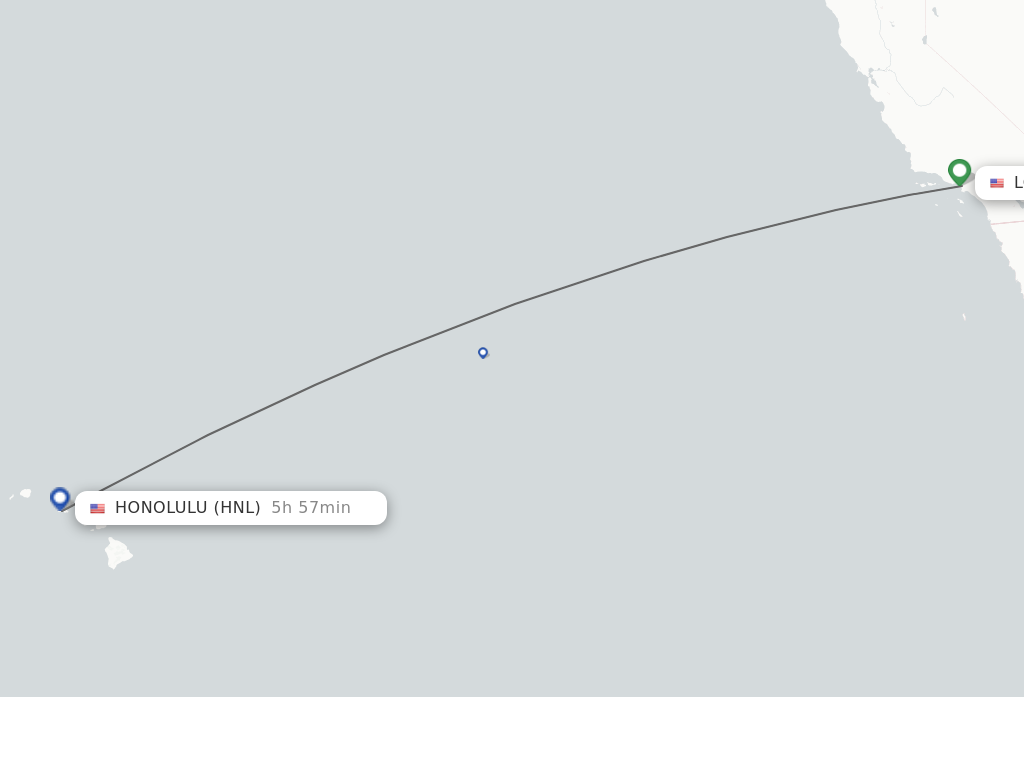
Embarking on a journey from the bustling urban sprawl of Los Angeles to the serene, tropical landscapes of Hawaii is a quintessential American travel experience. For many travelers starting their journey in California, the question of duration is the first step in planning an island getaway. While the distance across the Pacific Ocean may seem vast, modern aviation has made this trek a relatively manageable flight. On average, a direct flight from Los Angeles International Airport to the major islands takes between five and a half to six hours. However, the exact time spent in the air can fluctuate based on your specific destination, the prevailing winds, and the type of aircraft operating the route.
Understanding Flight Durations from the West Coast to the Islands
When planning a trip to the United States’ most remote state, it is important to recognize that “Hawaii” is an archipelago, and your flight time will vary slightly depending on which island you choose to visit first. Most travelers find themselves landing at Daniel K. Inouye International Airport in Honolulu, located on the island of Oahu. This is the primary gateway to the islands and typically offers the shortest flight time from North America.
Direct Flight Times to Major Airports
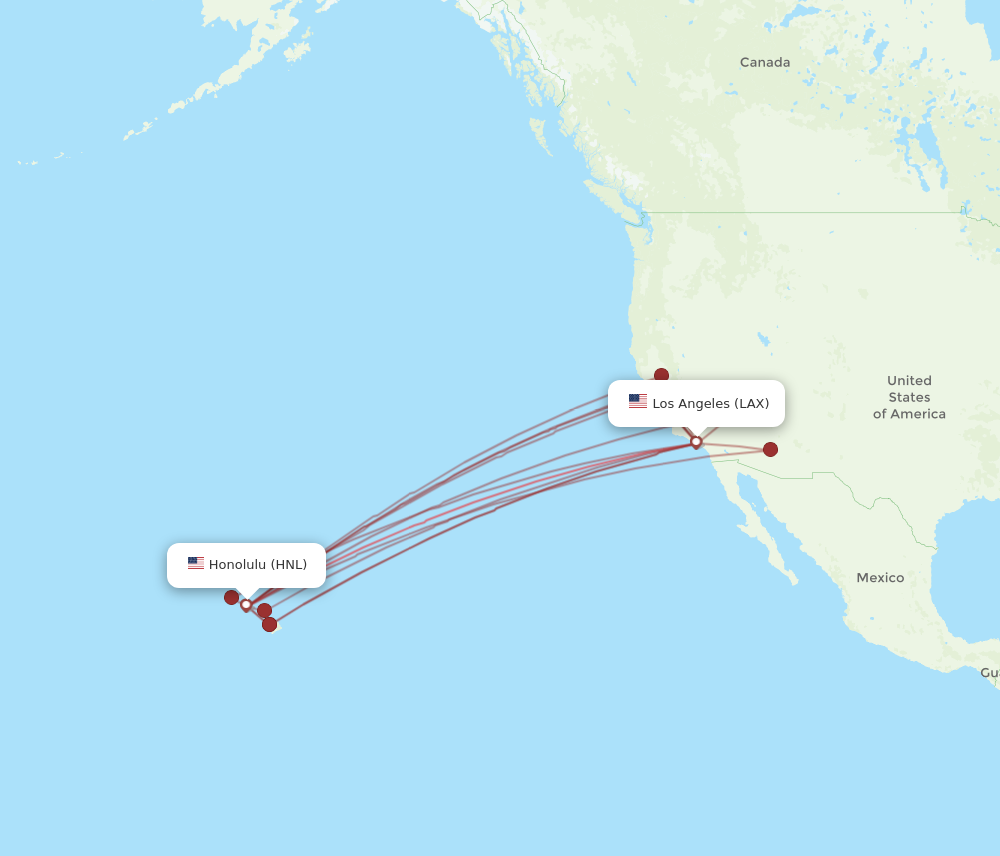
The flight from Los Angeles to Honolulu usually clocks in at approximately 5 hours and 45 minutes. If you are heading to the “Valley Isle” and landing at Kahului Airport on Maui, the flight is roughly the same, though it can occasionally feel slightly shorter or longer depending on the air traffic patterns around the island.
For those venturing to the “Garden Isle,” a flight to Lihue Airport on Kauai often takes about 6 hours. Because Kauai is the westernmost of the primary tourist islands, it requires a bit more time in the air. Conversely, flying to the Big Island via Ellison Onizuka Kona International Airport also takes about 5 hours and 50 minutes. While these differences are measured in minutes, they are worth noting when scheduling ground transportation or dinner reservations upon arrival.
Factors Influencing Your Travel Time
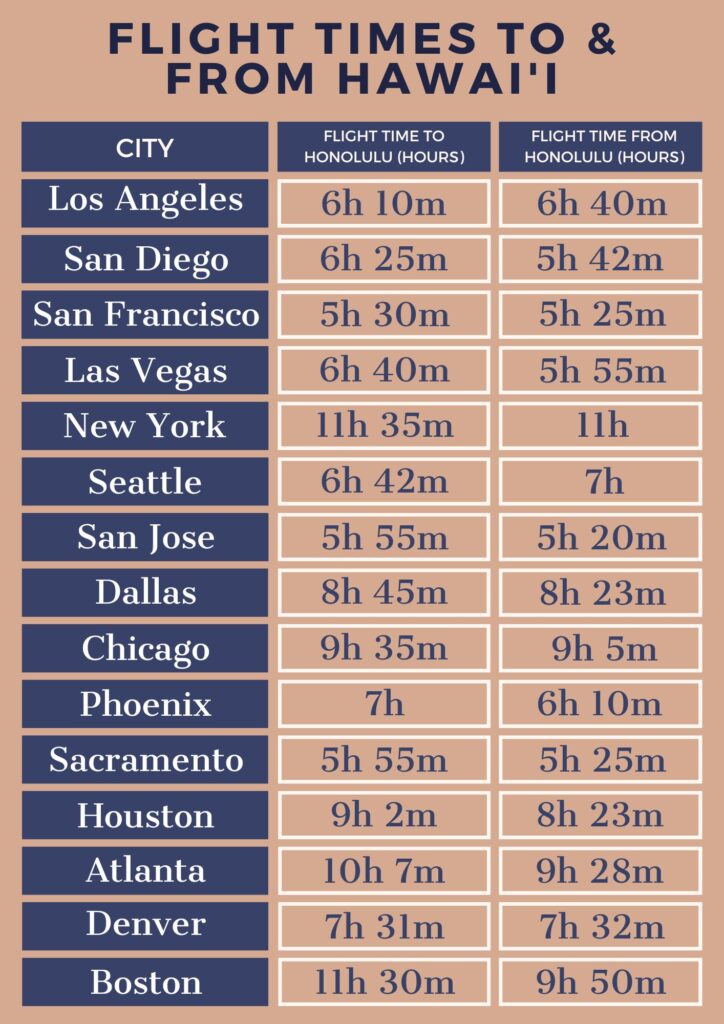
The most significant variable in flight duration is the direction of travel. When flying from California to the islands, planes are often flying against the jet stream—powerful high-altitude winds that blow from west to east. These headwinds can add 30 to 45 minutes to the outbound journey. On the return flight, these same winds become tailwinds, pushing the aircraft back toward the mainland much faster. It is not uncommon for a return flight from Hawaii to Los Angeles to take only 4 hours and 45 minutes to 5 hours.
Seasonal weather also plays a role. During the winter months, the jet stream tends to be stronger and more southerly, which can lead to slightly longer flight times when heading west. Additionally, pilots may choose slightly different flight paths to avoid turbulence or heavy weather systems over the Pacific Ocean, which can add a few miles and minutes to the journey.
Navigating the Journey from Los Angeles International Airport
Choosing the right flight is about more than just the duration; it is about the start of your vacation experience. Los Angeles International Airport serves as a massive hub for travel to the Polynesian Triangle, offering dozens of daily departures.
Airline Options and Terminal Logistics
Several major carriers dominate the route between Los Angeles and the islands. Hawaiian Airlines is a popular choice for those looking to start their cultural immersion the moment they board, often featuring island-inspired meals and hospitality. Major domestic carriers like United Airlines, American Airlines, and Delta Air Lines provide frequent service, often utilizing large wide-body aircraft that offer a smoother ride over the ocean.
In recent years, Alaska Airlines and Southwest Airlines have expanded their presence on these routes, providing competitive pricing and more options for travelers. Depending on your airline, you may depart from different terminals at the airport, so it is essential to check your gate information well in advance. Navigating the horseshoe-shaped terminal layout of the airport can take time, especially during peak travel periods.
The In-Flight Experience Over the Pacific
Once you leave the coastline of California, there is nothing but water for over 2,000 miles. This segment of the flight is unique because there are no emergency diversion airports until you reach the islands. Airlines operate under strict Extended-range Twin-engine Operational Performance Standards (ETOPS) to ensure safety.
During the six-hour flight, passengers can enjoy a variety of amenities. Most wide-body jets on this route offer seatback entertainment systems filled with movies and shows. As you cross the ocean, the transition in atmosphere is palpable. The dry air of Los Angeles gradually gives way to the anticipation of the humid, floral-scented air of the islands. Many travelers use this time to read up on local customs or plan their visits to iconic spots like Waikiki Beach.
Planning Your Arrival in the Aloha State
Arriving in Hawaii is a sensory experience. As the aircraft begins its descent, the deep blue of the Pacific Ocean transitions into vibrant shades of turquoise and emerald.
Honolulu and Oahu: The Heart of Hawaii
For those landing in Honolulu, the descent often provides a stunning view of Diamond Head, the iconic volcanic tuff cone that overlooks the city. Oahu is the most populous island and offers a blend of urban sophistication and natural beauty. After a nearly six-hour flight, many visitors head straight to their accommodations to freshen up before visiting historic sites like Pearl Harbor. The proximity of the airport to the city center makes for a relatively quick transition from the cabin to the beach.
Maui, Kauai, and the Big Island: Extending the Journey
If your final destination is one of the neighbor islands, your flight time remains similar, but the atmosphere upon landing is distinctly different. Landing at Kahului Airport on Maui places you near the start of the famous Road to Hana, a journey known for its lush rainforests and waterfalls. You might also find yourself planning a sunrise excursion to Haleakala National Park to see the massive volcanic crater.
Travelers heading to Kauai arrive at Lihue Airport, ready to explore the dramatic cliffs of the Na Pali Coast or the deep red hues of Waimea Canyon. On the Big Island, arriving at Ellison Onizuka Kona International Airport provides immediate access to the sun-drenched lava fields of the Kona coast, while those landing on the Hilo side are closer to the volcanic wonders of Volcanoes National Park.
Best Times to Fly and Travel Tips
The duration of your trip is fixed by geography, but the quality of your travel experience can be optimized by choosing the right time to fly.
Seasonal Weather Patterns
Hawaii is a year-round destination, but flight conditions and island weather do vary. The summer months (June through August) typically offer the calmest seas and the most consistent flight times. Winter (December through February) can bring larger swells to the northern shores and slightly more turbulence during the flight due to more active weather systems in the northern Pacific Ocean. However, flying during the “shoulder seasons” of spring and fall often results in less crowded flights and more competitive airfare.
Maximizing Your Vacation Time
To make the most of the five-to-six-hour flight from Los Angeles, many travelers prefer morning departures. Leaving California at 8:00 AM PST usually means arriving in Honolulu by 11:00 AM HST, thanks to the time zone difference (Hawaii does not observe Daylight Saving Time). This allows for a full afternoon of exploration or relaxation on the day of arrival.
Alternatively, some travelers opt for “red-eye” flights on the return leg. Leaving Hawaii late at night and arriving back at Los Angeles International Airport early the next morning can save on the cost of a night’s accommodation and maximize time spent on the islands. However, the shorter flight time on the return journey (often under five hours) can make it difficult to get a full night’s sleep in the air.
Whether you are seeking the luxury of a resort on Maui or the rugged hiking trails of Kauai, the flight from Los Angeles to Hawaii is a manageable journey that serves as a bridge between two very different worlds. By understanding the factors that influence flight duration and choosing the right itinerary, you can ensure that your journey across the Pacific Ocean is as smooth and enjoyable as the vacation that awaits you.
LifeOutOfTheBox is a participant in the Amazon Services LLC Associates Program, an affiliate advertising program designed to provide a means for sites to earn advertising fees by advertising and linking to Amazon.com. Amazon, the Amazon logo, AmazonSupply, and the AmazonSupply logo are trademarks of Amazon.com, Inc. or its affiliates. As an Amazon Associate we earn affiliate commissions from qualifying purchases.