
The world of hospitality is often defined by tangible brick-and-mortar establishments, but occasionally, the concept of a “hotel” transcends reality and enters the realm of animation. For fans of the viral sensation Hazbin Hotel, the inquiry regarding a second season is as fervent as a guest checking into a luxury suite in Dubai. While the show itself is a work of fiction, its premise—a rehabilitation facility for souls—invites us to explore the high standards of service, architecture, and guest management that define the industry’s most prestigious properties.
The Architecture of Hospitality: Lessons from Fictional Landmarks
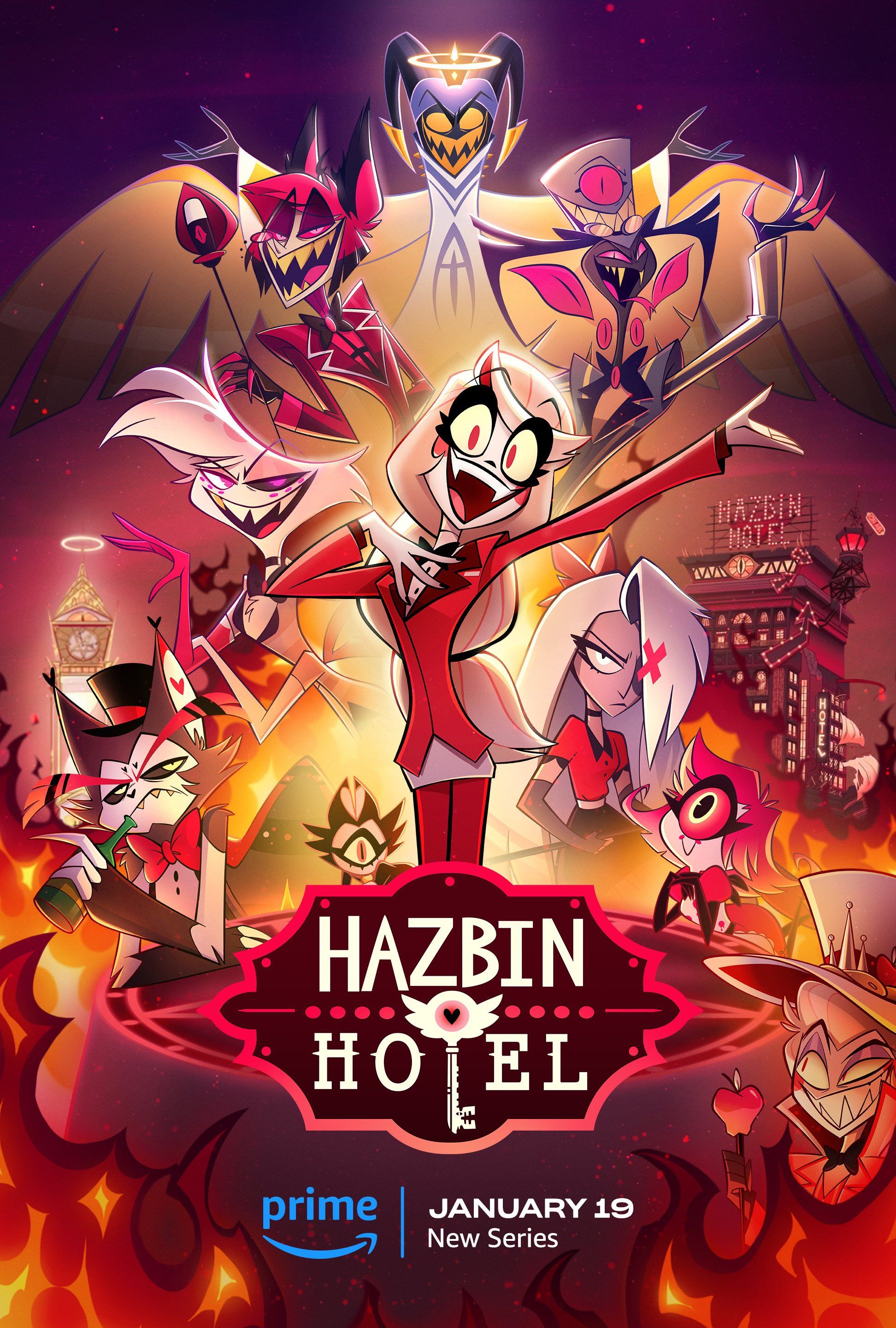
When we analyze the aesthetic of the infamous Hazbin Hotel, we see a structure designed with a specific guest experience in mind. Much like the Burj Al Arab or the historic Raffles Hotel, a hotel’s architecture serves as the first point of contact for the patron. In the hospitality industry, the physical structure dictates the flow of movement, the atmosphere of the lobby, and the ultimate comfort of the guest.
Defining Guest Experience
The success of any establishment, whether it is the Four Seasons Hotel or a stylized animated property, relies on the “front desk” experience. The concept of rehabilitation within the series mirrors the transformative nature of high-end wellness retreats found in places like Switzerland or Bali. Guests arrive with expectations, and the facility must provide a sanctuary that meets those needs.
Interior Design and Ambience
The bold, often chaotic aesthetic of the show’s central location contrasts sharply with the minimalist luxury of the Aman Resorts. However, both aim to create an immersive environment. For travelers visiting Paris or Tokyo, the hotel is not just a place to sleep; it is a destination within a destination. The storytelling element in design is what separates a standard motel from a legendary landmark like the Hotel Ritz.
Operational Standards in the Hospitality Industry
Behind the scenes of any world-class property—be it the The Plaza Hotel in New York City or a boutique villa in Tuscany—is a complex machine of operations. If we consider the management team of the Hazbin Hotel, we see a microcosm of hotel management principles: staffing, conflict resolution, and brand identity.
The Role of Staffing
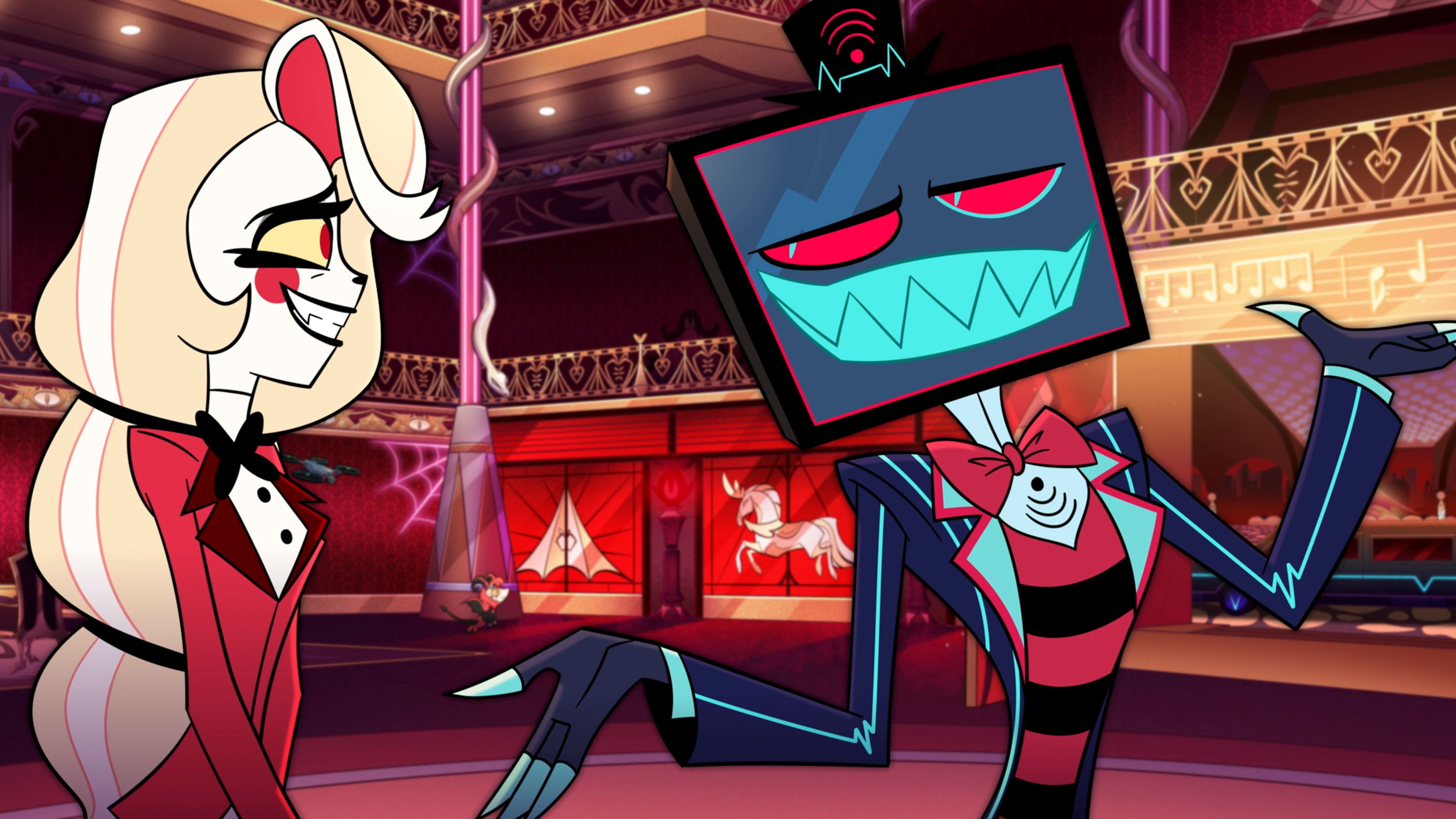
A hotel is only as good as its staff. From the concierge at the Waldorf Astoria to the housekeeping team at a Marriott International property, the human element is the primary driver of guest satisfaction. The characters in the show, while eccentric, represent the various departments—front-of-house, maintenance, and administrative support—necessary to keep a facility running against all odds.
Managing High-Volume Demand
The anticipation for the second season of this show highlights a “high-occupancy” problem. In the real world, this is a challenge faced by popular resorts like the Atlantis The Palm. When demand exceeds supply, hotels must innovate. This often means expanding properties, renovating existing suites, or improving the digital booking experience, much like the show’s producers must scale up their production to meet the demands of their global fanbase.
The Evolution of Iconic Destinations
Just as a series evolves through seasons, hotels evolve through renovations and rebranding. Properties like the Mandarin Oriental constantly update their offerings to stay relevant in an ever-changing travel market.
Why Renovation Matters
A second season, much like a hotel renovation, is an opportunity to refine the brand and introduce new features. Whether it is adding a state-of-the-art spa at the Beverly Hills Hotel or developing a new narrative arc for a fictional show, the goal is to surprise and delight the audience. Guests return to the Savoy Hotel because they trust the brand, but they stay because of the new experiences they find during each visit.
Keeping the Brand Alive
The longevity of a destination depends on its ability to stay current without losing its original identity. Whether discussing London as a travel hub or the future of a popular animated series, consistency in quality is paramount. When a project is well-executed—much like a stay at the St Regis Hotel—it creates a lasting impression that drives repeat business and cultural relevance.
The Future of Global Hospitality Trends
As we look toward the future of both fictional narratives and the actual hospitality industry, several trends are clear. The demand for highly curated, themed experiences is higher than ever. Travelers are seeking out unique properties in Greece or Thailand that offer more than just a bed; they want a story.
Digital Integration in Service
Just as the audience connects with their favorite shows via digital platforms, modern hotels are leaning into tech. From checking into the W Hotel via a smartphone app to using artificial intelligence to customize room settings, technology is closing the gap between the hotel and the guest. This digital bridge is essential for modern establishments looking to capture the attention of a younger, tech-savvy demographic.
Sustainable Luxury
Sustainability is now a core pillar for properties like the Six Senses. The show’s narrative of redemption and growth can be seen as a metaphor for the industry’s shift toward more ethical and sustainable tourism. Whether it is in the Maldives or the mountains of Canada, the hotels of the future will be measured by their ability to provide luxury without compromising the environment.

Final Reflections
The anticipation surrounding the continuation of the Hazbin Hotel mirrors the excitement travelers feel when planning a return trip to a favorite iconic landmark, such as the Taj Mahal Palace in India. Both require patience, an appreciation for the creative process, and an understanding that the best results take time to cultivate. As the industry continues to evolve, we can expect that both the world of animation and the world of high-end travel will continue to provide us with the immersive experiences we crave. Whether through a new season of a beloved show or a stay at a world-class resort in Italy, the pursuit of excellence remains the ultimate goal for those who curate experiences for others. Just as the Hazbin Hotel seeks to transform its guests, the finest hotels in the world seek to transform the lives of their travelers, one stay at a time.
LifeOutOfTheBox is a participant in the Amazon Services LLC Associates Program, an affiliate advertising program designed to provide a means for sites to earn advertising fees by advertising and linking to Amazon.com. Amazon, the Amazon logo, AmazonSupply, and the AmazonSupply logo are trademarks of Amazon.com, Inc. or its affiliates. As an Amazon Associate we earn affiliate commissions from qualifying purchases.