
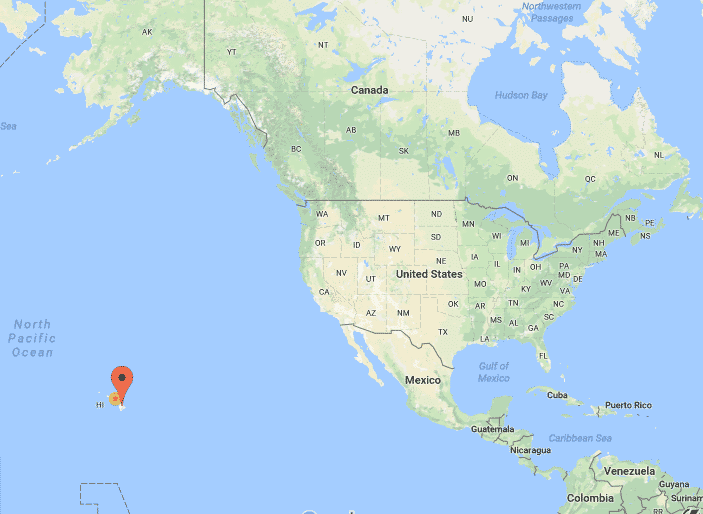
Embarking on a journey to the enchanting archipelago of Hawaii is a dream for many travelers seeking pristine beaches, lush rainforests, and a unique cultural experience. However, before you can sink your toes into the volcanic sands of Waikiki Beach or witness the sunrise from the summit of Haleakala National Park, you must navigate the reality of long-haul travel. Understanding the flight duration is the first step in planning your Pacific getaway, as the vast expanse of the Pacific Ocean requires a significant investment of time for most travelers coming from the United States mainland or international hubs.
The Variables Influencing Your Flight Time
Flight duration is rarely a static figure. When researching how many hours it takes to reach paradise, you must consider that several variables come into play. Your specific origin point, the type of aircraft, wind patterns, and whether you have a layover all contribute to the total time spent in transit.
The Impact of Geography and Departure Hubs
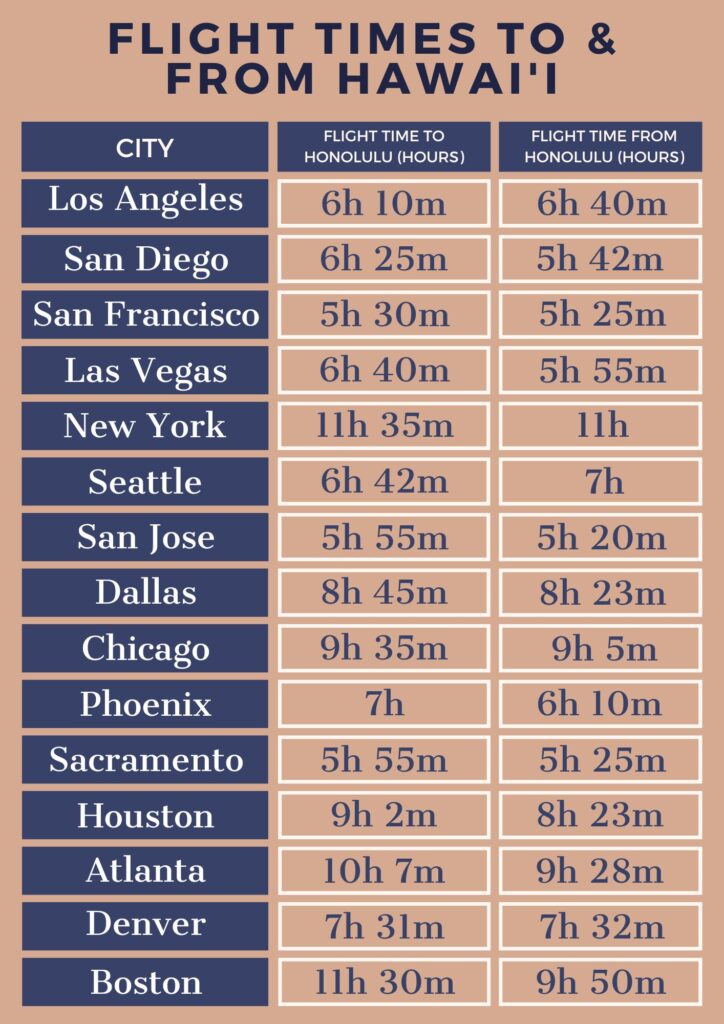
The distance between the mainland and the islands is considerable. For those departing from the West Coast, such as Los Angeles or San Francisco, the flight is relatively direct and manageable, usually clocking in between five and six hours. These cities serve as the primary gateways to the islands, offering the most frequent non-stop service.
In contrast, travelers originating from the East Coast, such as New York City or Boston, face a more strenuous journey. A flight from the East Coast can take anywhere from ten to twelve hours. Because of the vast distance, many of these flights are long-haul segments that require careful planning to manage jet lag and physical fatigue.
Wind Patterns and Jet Streams
You may notice that your flight to Honolulu takes longer than your return flight home. This is primarily due to the jet stream—a high-altitude wind current that flows from west to east. When flying toward the islands, you are often flying against these headwinds, which can add significant time to the flight. Conversely, the return journey often benefits from a tailwind, which can shave off 30 to 60 minutes from your arrival time.
Average Flight Durations from Key Regions
To give you a clearer picture of what to expect, we can categorize flight times based on your departure geography. These estimates assume non-stop travel, which is the most efficient way to reach the islands.
West Coast Departures
- From Seattle: Approximately 6 hours.
- From San Diego: Approximately 5 hours and 45 minutes.
- From Las Vegas: Approximately 6 hours and 15 minutes.
Travelers from the West Coast often find that the transit time is short enough to allow for a full afternoon of activities upon landing, provided they choose an early morning departure.
Central and East Coast Departures
- From Chicago: Approximately 8 to 9 hours.
- From Dallas: Approximately 8 hours.
- From Atlanta: Approximately 9 to 10 hours.
- From Washington D.C.: Approximately 10 to 11 hours.
For those traveling from these regions, the flight represents a full day of travel. It is common for passengers to arrive in the evening, making the first night on the islands a time for relaxation rather than heavy exploration.
Navigating Layovers and Connection Strategies
If you are not flying from a major hub that offers direct service, you will likely encounter a layover. While layovers add to your total transit time, they can also provide a strategic break during a long journey.
Choosing the Right Layover Duration
When booking your flight, aim for a layover of at least two to three hours. This provides a buffer for potential flight delays, which are common in the aviation industry. If you have a connection in Denver or Phoenix, you will find that these airports are well-equipped to handle high-volume traffic, making the transition between flights relatively seamless.
The Benefits of a Mid-Point Stop
Some travelers prefer to break up the journey by staying overnight in a West Coast city. For instance, stopping in San Francisco allows you to enjoy a meal and a night of rest before tackling the final five-hour stretch over the ocean. While this extends your total “travel time” to 24 hours or more, it significantly reduces the physical toll of a single, marathon flight.
Preparing for the Long Haul
Regardless of the exact number of hours, a trip to Hawaii is a long-distance endeavor. Proper preparation is essential to ensure that your vacation begins the moment you board the plane rather than when you check into your hotel.
Cabin Comfort and Hydration
The humidity levels in aircraft cabins are notoriously low, which can lead to dehydration and fatigue. Make a conscious effort to increase your water intake well before boarding and continue throughout the flight. Additionally, consider the ergonomics of your seating. For flights exceeding eight hours, investing in a neck pillow and noise-canceling headphones can transform a stressful flight into a period of rest.
Managing Time Zones and Jet Lag
One of the most challenging aspects of traveling to the islands is the significant time zone shift. You will be traveling through multiple time zones, which can disrupt your circadian rhythm. To mitigate jet lag:
- Adjust your watch early: Start shifting your sleep schedule a few days before your departure.
- Stay awake until local bedtime: Upon landing, try to remain active until the local evening hours. Exposure to the natural sunlight of Kailua-Kona or Maui can help reset your internal clock more quickly than staying indoors.

Entertainment and Productivity
With the flight time ranging from five to twelve hours, utilize the time wisely. Modern airlines offer extensive in-flight entertainment, but you should also come prepared with your own materials. Whether it is reading a book about the history of Pearl Harbor or planning your itinerary for a visit to Kauai, having a plan for your time in the air will make the hours pass more quickly.
Ultimately, while the number of hours to Hawaii can seem daunting on paper, the reward is an unparalleled destination that offers a profound escape from the daily grind. By understanding your specific flight duration, choosing the right connections, and preparing your body for the transit, you can arrive at the islands refreshed and ready to immerse yourself in the beauty of the Pacific. Whether you land in Hilo or head straight to the resorts of Oahu, every hour in the air is a small price to pay for the adventure that awaits you.
LifeOutOfTheBox is a participant in the Amazon Services LLC Associates Program, an affiliate advertising program designed to provide a means for sites to earn advertising fees by advertising and linking to Amazon.com. Amazon, the Amazon logo, AmazonSupply, and the AmazonSupply logo are trademarks of Amazon.com, Inc. or its affiliates. As an Amazon Associate we earn affiliate commissions from qualifying purchases.