
When travelers dream of the Pacific Ocean, their minds often drift to the sun-drenched shores and lush emerald peaks of the Hawaiian Islands. While many visitors envision a singular paradise, this archipelago is a complex chain of volcanic landmasses, each offering a distinct personality and unique landscape. To truly understand the scope of this United States state, it is essential to distinguish between the countless islets that make up the chain and the eight major islands that serve as the focal points for tourism, culture, and life.
The Eight Primary Landmasses
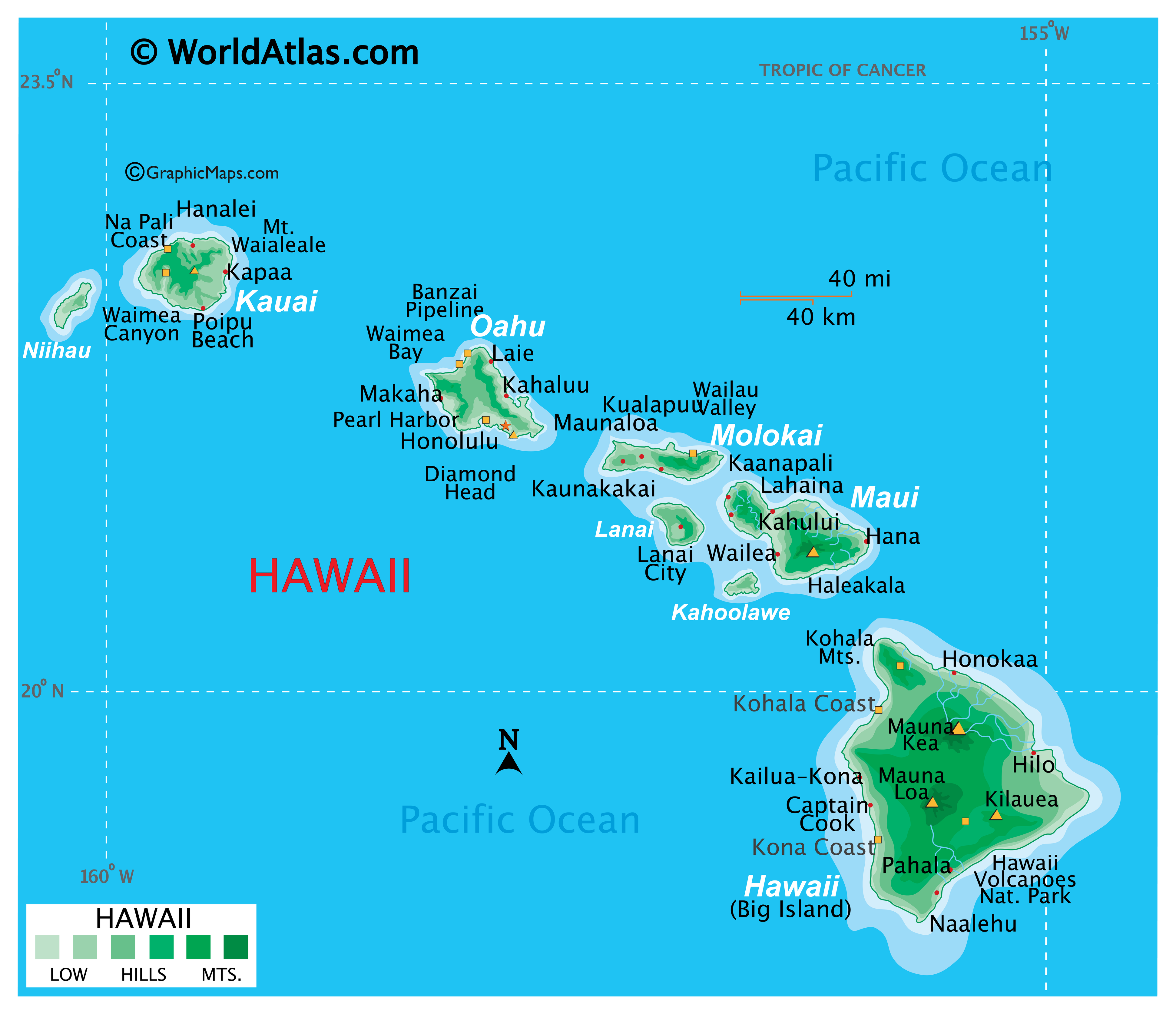
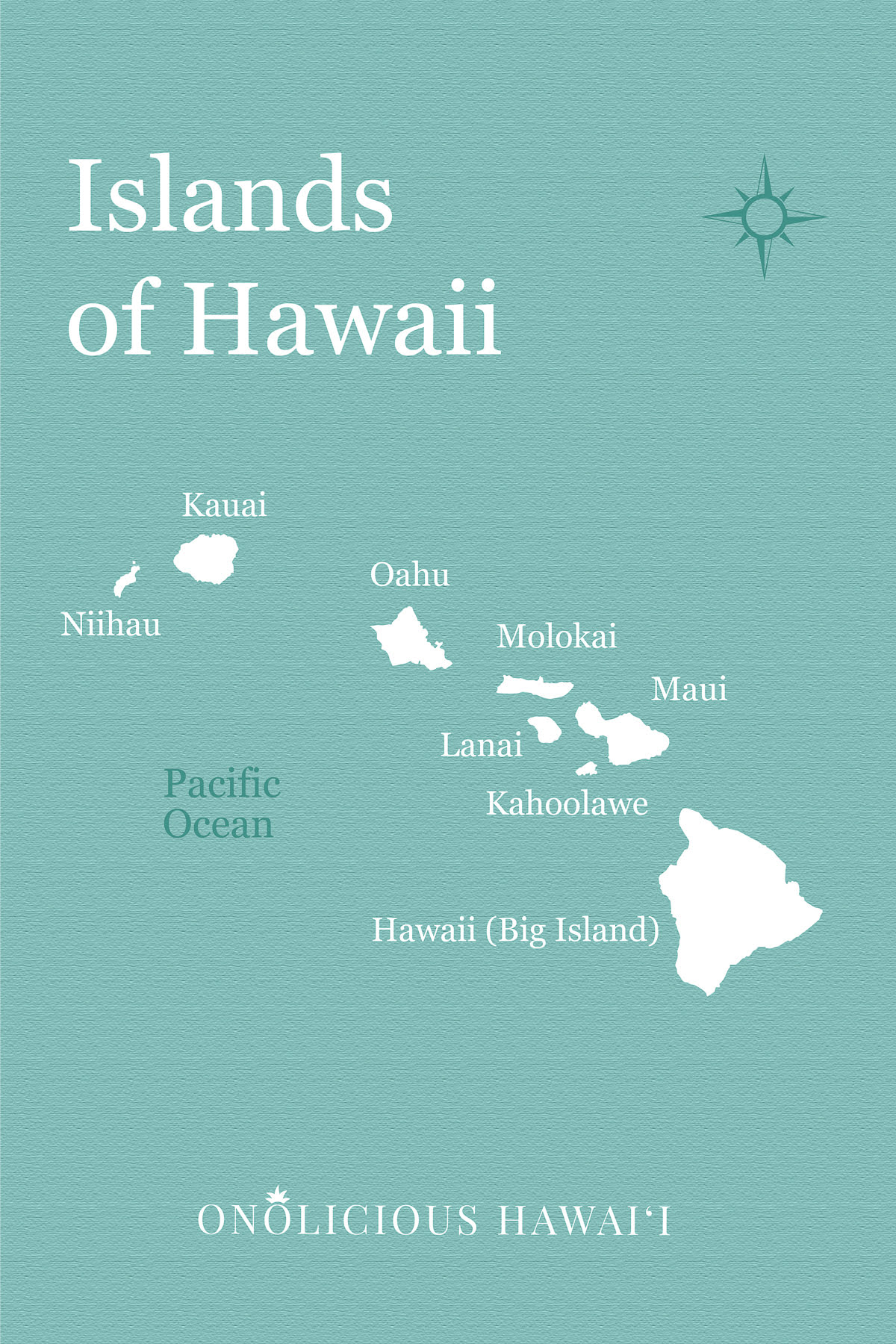
While the entire chain consists of over 130 islands, atolls, and shoals, the “main” islands are those that support permanent populations and offer tourism infrastructure. These eight islands define the geography and spirit of the region.
The Big Island and Maui
The Island of Hawaii, commonly referred to as the Big Island, is the youngest and largest landmass in the chain. It is a land of dramatic contrasts, ranging from the active volcanic slopes of Hawaii Volcanoes National Park to the lush, waterfall-laden cliffs of the Hamakua Coast.
To the northwest lies Maui, often called “The Valley Isle.” Known for the winding, scenic Road to Hana and the towering summit of Haleakala National Park, this island strikes a perfect balance between high-end resort luxury and untamed natural beauty.
Oahu and Kauai
Oahu serves as the vibrant heart of the state. As home to the state capital, Honolulu, and the world-famous Waikiki Beach, it is the most populous and accessible island. It offers a unique blend of urban sophistication, historical sites like Pearl Harbor, and the legendary big-wave surfing culture of the North Shore.
In contrast, Kauai—known as the “Garden Isle”—is the oldest of the main islands. Its ancient volcanic origins have been sculpted by millennia of rain, resulting in the breathtaking, cathedral-like spires of the Na Pali Coast and the deep, red canyons of Waimea Canyon.
The Smaller Gems: Molokai, Lanai, Niihau, and Kahoolawe
Beyond the “big four” that dominate travel itineraries, the remaining four major islands offer a glimpse into the more secluded side of the archipelago.
Molokai and Lanai
Molokai is deeply rooted in traditional values and native culture. With virtually no traffic lights or high-rise resorts, it remains a bastion of authentic local life, featuring some of the highest sea cliffs in the world along the Kalaupapa National Historical Park.
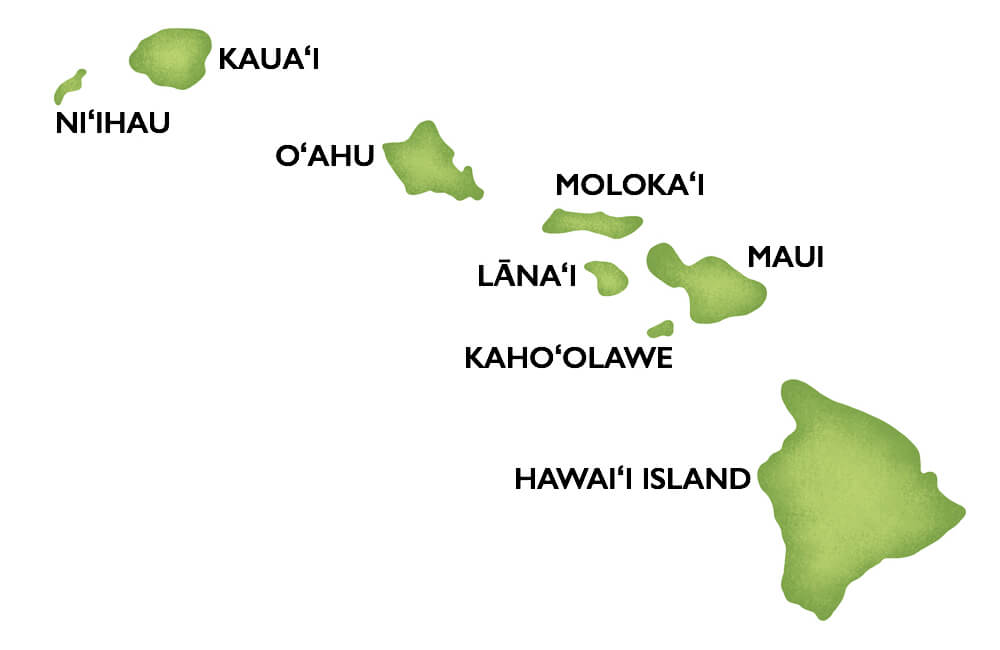
Lanai, once known as the “Pineapple Isle,” has transitioned into a sanctuary for luxury travelers seeking seclusion. While it remains sparsely populated, it provides a tranquil escape with unique geological formations like Keahiakawelo.
Niihau and Kahoolawe
The final two islands are significantly more exclusive. Niihau is famously known as the “Forbidden Island.” It is privately owned and closed to the general public, preserved as a site for traditional Native Hawaiian language and lifestyle. Access is extremely limited, often restricted to helicopter tours or guided boat landings that do not touch the interior.
Kahoolawe, the smallest of the eight main islands, is currently uninhabited. Once used as a training ground for the United States Navy, it is now a protected reserve managed by the state, focused on environmental restoration and the preservation of archaeological sites.
Planning Your Island-Hopping Adventure
Understanding the geography of these eight islands is the first step toward crafting an unforgettable itinerary. Each island requires a different pace and offers distinct experiences, making it important for travelers to choose their destination based on their personal interests.
Which Island is Right for You?
- For the Adventurer: If you are drawn to hiking, cliff-side views, and lush tropical jungles, Kauai is unparalleled. Its rugged terrain and protected natural reserves make it a paradise for outdoor enthusiasts.
- For the Cultural Enthusiast: Those interested in history and local traditions should consider spending time on Molokai or exploring the historic districts of Oahu.
- For the Luxury Seeker: Maui and Lanai offer some of the most prestigious resorts and spas in the Pacific.
- For the Nature Lover: The Big Island offers an education in geology, from flowing lava fields to snow-capped mountain peaks, making it a must-visit for those who appreciate the raw power of the earth.
Transportation Between Islands
Travelers often ask how to navigate between these landmasses. While there is no public ferry service that connects all the islands, regional airlines provide frequent inter-island flights. These short hops are an efficient way to experience the diversity of the archipelago during a single trip. Whether you are flying from the bustling hubs of Oahu to the quiet shores of Molokai, the transition between islands often feels like traveling between entirely different worlds.
A Legacy of Geography and Culture
The eight main islands of the Hawaiian Islands are more than just tourist destinations; they are a living, breathing testament to the power of nature and the resilience of a culture that has thrived for centuries in the middle of the world’s largest ocean.
From the volcanic eruptions on the Big Island that continue to expand the landmass to the serene, protected waters of Niihau, the archipelago serves as a reminder of the delicate balance between humanity and the environment. By respecting the land, the local traditions, and the sacred nature of these places, visitors contribute to the preservation of this unique ecosystem.
When you pack your bags for your next journey to this tropical paradise, remember that you are visiting a chain of islands, each with a story to tell. Whether you choose the surf-heavy beaches of Oahu, the dramatic highlands of Maui, or the hidden trails of Kauai, you are participating in a travel experience that is as educational as it is breathtaking. The “main” islands are just the beginning; the true magic of the Hawaiian Islands lies in the spirit of Aloha, which connects every shore, every mountain, and every visitor who sets foot on these sacred volcanic grounds. As you explore, remember to leave no trace and tread lightly, ensuring that these beautiful islands remain a destination of wonder for generations to come.
LifeOutOfTheBox is a participant in the Amazon Services LLC Associates Program, an affiliate advertising program designed to provide a means for sites to earn advertising fees by advertising and linking to Amazon.com. Amazon, the Amazon logo, AmazonSupply, and the AmazonSupply logo are trademarks of Amazon.com, Inc. or its affiliates. As an Amazon Associate we earn affiliate commissions from qualifying purchases.