
When reviewing the final billing statement upon checking out of a property like the Ritz-Carlton, guests often encounter a variety of shorthand notations and acronyms. Among the most common yet frequently misunderstood entries on these folios is “Rm Svc.” Understanding hotel billing codes is essential for ensuring that your stay at destinations ranging from the Bellagio in Las Vegas to a boutique property in Paris is accurately charged. Deciphering these abbreviations prevents unexpected financial surprises and helps travelers maintain a clear grasp of their travel expenditures.
Decoding the Acronym: What “Rm Svc” Actually Means
The abbreviation “Rm Svc” stands unequivocally for Room Service. This line item encompasses any food, beverages, or amenities delivered directly to a guest’s guestroom by the property’s culinary or hospitality staff. Whether you ordered a late-night club sandwich at the Marriott Marquis in New York City or morning pastries at the Fairmont Le Chateau Frontenac in Quebec City, the charges will typically be grouped under this specific ledger code.
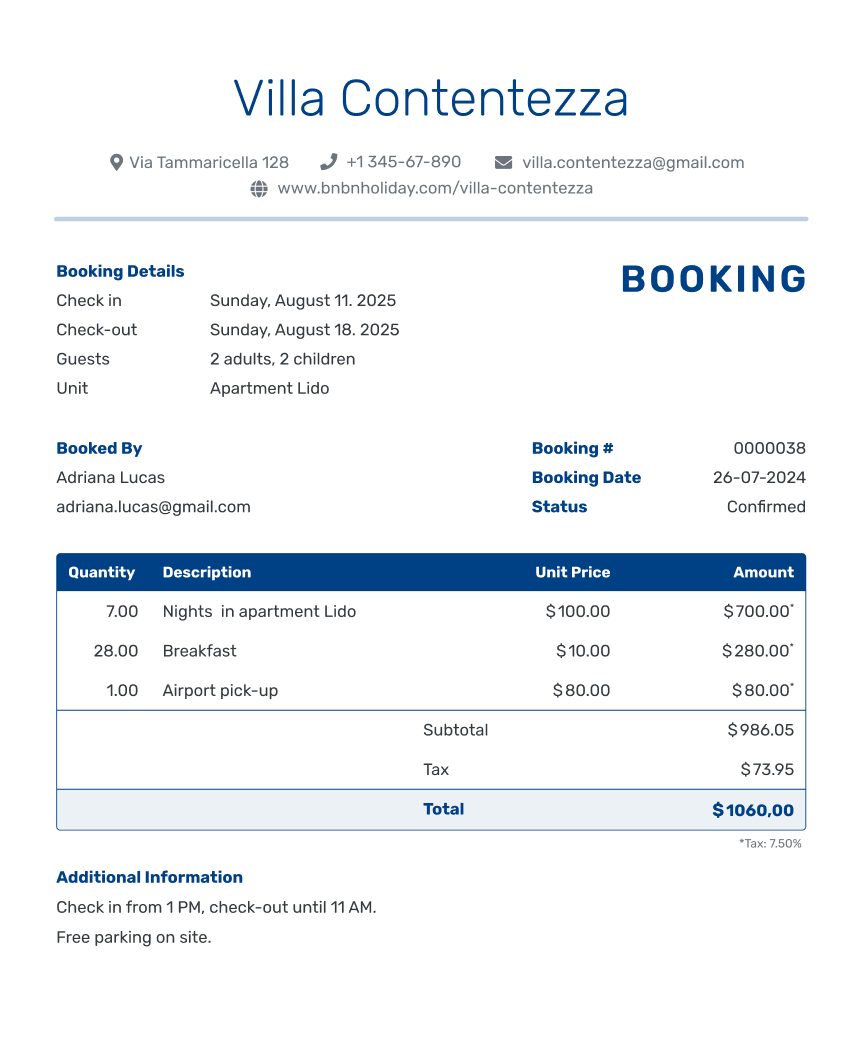
The Anatomy of a Room Service Charge
When you see “Rm Svc” on your invoice, the numerical figure next to it represents more than just the menu price of the food items consumed. Hotels generally structure these charges to account for the labor-intensive nature of delivering meals across a multi-story building.
- Item Subtotal: The base cost of the food and beverage items ordered from the menu.
- Delivery Fees: Many hotels add a flat-rate delivery fee for bringing items up to the guest accommodations.
- Service Gratuities: It is standard industry practice to automatically include an automatic gratuity or service charge (often ranging from 15% to 20%) for the staff member who prepares, transports, and sets up the meal.
- Taxes and Local Surcharges: Standard local and state sales taxes apply, and some jurisdictions levy specific tourism or hospitality taxes on prepared food items.
Variations in Billing Terminology
While “Rm Svc” is widely utilized across major global hospitality brands such as Hilton and Hyatt, different management systems may employ alternative acronyms. You might occasionally encounter entries such as “In-Room Din,” “In-Rm Dining,” or simply “Food & Bev – In-Room.” Regardless of the exact variation used by properties like the Four Seasons or independent boutique stays, the underlying financial category remains consistent: sustenance delivered directly to your private quarters.
Common Confusion: Room Service vs. Other Hotel Fees
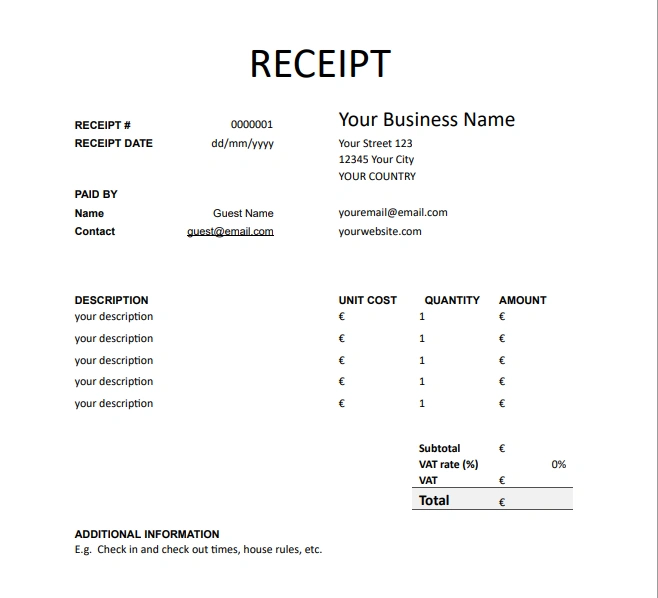
Billing statements can often look like a complex puzzle, especially when multiple charges hit the account simultaneously. Mistaking room service for other standard hospitality fees is a frequent occurrence among travelers staying at resorts in places like Maui or business hotels in London. Distinguishing “Rm Svc” from other charges ensures you can properly audit your final bill.
Differentiating Mini-Bar Charges from Room Service
While both involve consuming food and beverages within the comfort of your room, mini-bars and room service are distinct operational departments.
- Mini-Bar Billing: Items consumed from the in-room refrigerated cabinet or snack basket are usually logged under codes like “Minibar,” “MB,” or “Refreshment Center.” These items are pre-stocked and checked daily by housekeeping staff rather than delivered fresh upon demand by a dedicated culinary server.
- Room Service Billing: This exclusively covers freshly prepared orders requested through the telephone, television portal, or digital guest application, delivered hot or cold directly to your door.
Resort Fees and Amenity Surcharges
Another common point of confusion involves resort fees or destination amenity charges. Properties in high-end leisure markets like Bora Bora or Miami often add a daily mandatory fee that covers Wi-Fi, pool access, fitness center usage, and local calls. This fee is distinct and separate from any “Rm Svc” line items, which are strictly transactional based on individual consumption.
Best Practices for Managing and Auditing Your Hotel Bill
Navigating hotel receipts requires a proactive approach. Ensuring that every entry on your folio is accurate guarantees that you are only paying for the amenities and services you actually utilized during your stay.
Reviewing the Folio Daily
Rather than waiting until the morning of your departure—often a rushed time when checking out of bustling urban hubs like Tokyo or Sydney—it is wise to check your running folio every 24 to 48 hours. Most modern hotel management systems allow guests to view their current balance directly on the in-room television screen or via the property’s mobile app. Catching an erroneous “Rm Svc” charge early makes it significantly easier for the front desk team to investigate and rectify the discrepancy with the food and beverage department.
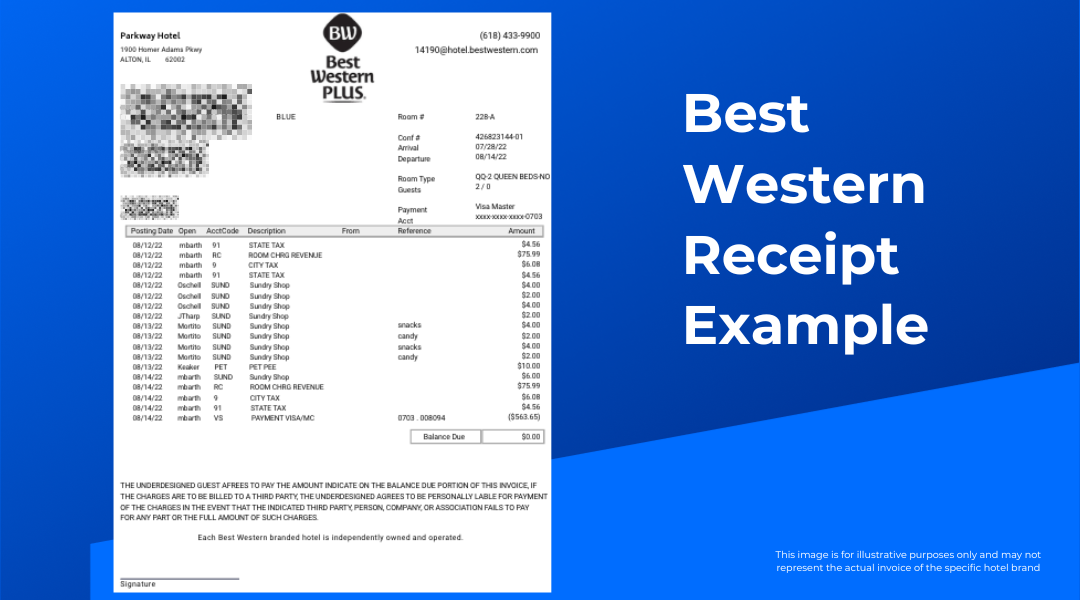
Resolving Discrepancies Professionally
If you spot a room service charge that you do not recognize—perhaps a snack delivered to the wrong room number or an incorrect delivery time—approach the front desk or billing manager with clarity and calmness. Provide your room number, the date in question, and a polite explanation of the error. Hospitality staff are typically well-trained to handle billing adjustments swiftly, ensuring that guest satisfaction remains high before you head to the airport or continue your journey to your next destination.
LifeOutOfTheBox is a participant in the Amazon Services LLC Associates Program, an affiliate advertising program designed to provide a means for sites to earn advertising fees by advertising and linking to Amazon.com. Amazon, the Amazon logo, AmazonSupply, and the AmazonSupply logo are trademarks of Amazon.com, Inc. or its affiliates. As an Amazon Associate we earn affiliate commissions from qualifying purchases.