
When travelers look toward the middle of the Pacific Ocean, they often envision pristine beaches and lush rainforests. Yet, the very foundation of Hawaii is forged in fire. As a volcanic archipelago, the islands are the visible tips of massive mountains rising from the deep sea. Understanding the volcanic nature of this state is essential for any visitor looking to connect with the raw, geological history of the United States.
The Geological Anatomy of the Hawaiian Archipelago
The formation of the Hawaiian Islands is a testament to the power of the earth’s mantle. Unlike volcanoes that form at tectonic plate boundaries, the Hawaiian volcanoes were birthed by a “hotspot”—a stationary plume of magma deep beneath the Pacific Plate. As the plate moves slowly to the northwest, the hotspot remains fixed, punching through the crust to create a chain of islands.
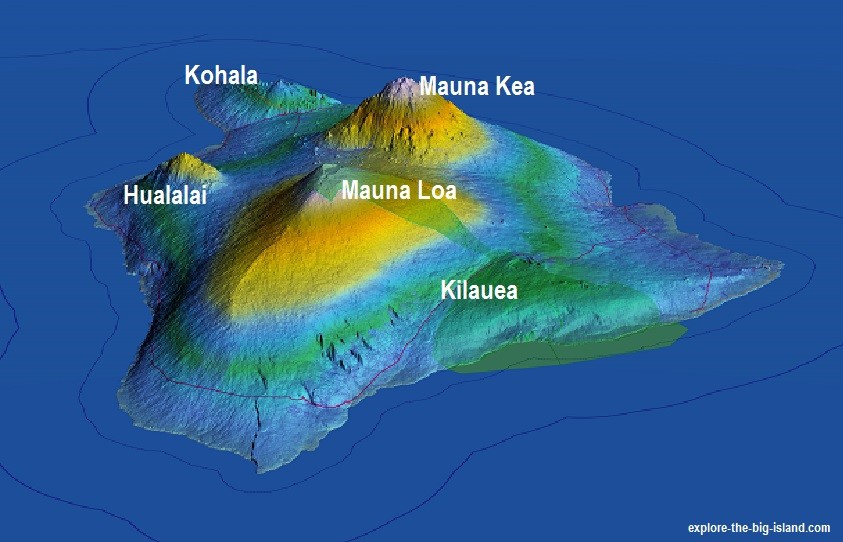
Major Subaerial Volcanoes
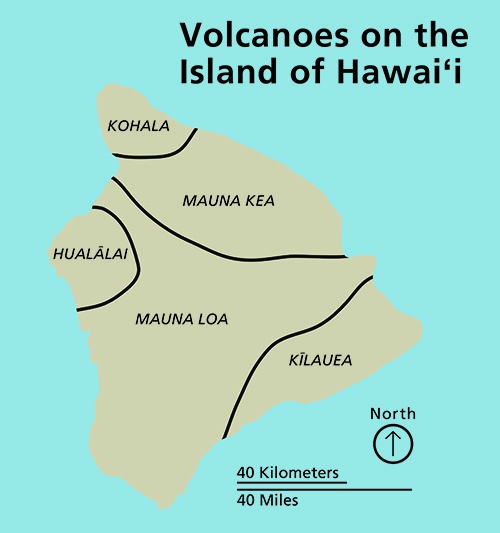
While there are dozens of seamounts and submerged peaks, the state of Hawaii is defined by five primary volcanoes that formed the Big Island:
- Kohala: The oldest volcano on the island, currently extinct.
- Mauna Kea: A dormant giant that stands as the tallest mountain in the world when measured from its base on the ocean floor.
- Hualalai: An active volcano that last erupted in 1801.
- Mauna Loa: The largest active subaerial volcano on Earth by mass and volume.
- Kilauea: One of the most active volcanoes in the world, central to the Hawaiʻi Volcanoes National Park.
Beyond the Big Island, other islands are composed of volcanic remains, such as Haleakala on Maui and the dramatic cliffs of Kauaʻi, which were carved from the ancient Waialeale volcano.
The Active Giants and Dormant Peaks
Distinguishing between active, dormant, and extinct volcanoes is crucial for understanding the current landscape of the islands. The United States Geological Survey monitors these peaks with precision, given that the islands are living, breathing entities.
Mauna Loa: A Titan of Earth
Mauna Loa commands attention due to its sheer scale. Covering roughly half of the Big Island, its slopes are so gentle that it is often mistaken for a high plateau rather than a mountain. Its recent eruptions have reminded geologists and residents alike of its potential for massive lava flows that can reach the coastline in a matter of days.
Kilauea: The Ever-Changing Landscape
For many, Kilauea is the face of Hawaiian volcanism. Because it is highly accessible, it offers visitors the unique opportunity to witness the cycle of creation and destruction. The landscape at Hawaiʻi Volcanoes National Park is constantly shifting, as new land is created when molten lava hits the Pacific Ocean and cools into solid rock.
Mauna Kea: The Celestial Gateway
Though often associated with its astronomical observatories, Mauna Kea is a dormant giant. Its summit, rising above the clouds, is held in high spiritual regard by Native Hawaiians and serves as a stark contrast to the tropical warmth found at sea level. Unlike its active neighbors, it hasn’t erupted in approximately 4,500 years.
Volcanoes Beyond the Big Island
It is a common misconception that volcanic activity is confined solely to the Big Island. Every island in the chain is a product of volcanic cycles, though they vary greatly in age and erosion.
Maui: The House of the Sun
On Maui, the massive shield volcano Haleakala dominates the eastern part of the island. The crater, often filled with cinder cones and unique geologic formations, is a sacred site. While it is classified as dormant, geologists note that it has erupted within the last few hundred years, meaning it still holds potential for future activity.
Oʻahu and the Legacy of Erosion
Oʻahu, home to Honolulu, was formed by two massive shield volcanoes: Waiʻanae and Koʻolau. These volcanoes have been extinct for millions of years. Erosion has sculpted the dramatic, razor-sharp ridges that define the landscape today, such as the famous Nuʻuanu Pali. What remains are the eroded cores, offering a glimpse into what the Big Island might look like in a few million years.
Kauaʻi: The Garden Isle
Kauaʻi represents the “old” Hawaii. As the oldest of the major islands, the volcanic peaks here have been subjected to the longest duration of rainfall and wind, resulting in the lush, jagged valleys of the Na Pali Coast. The volcanic activity that created this island ceased long ago, allowing the tropical ecosystem to flourish.
Visiting Volcanic Landscapes Responsibly
When exploring these geological wonders, it is important to remember that these lands are both scientifically significant and culturally sacred. Travelers visiting the Hawaiʻi Volcanoes National Park should adhere to marked trails and respect the “no-go” zones established for public safety.
Safety and Stewardship
- Stay Informed: Always check the status of air quality, especially regarding “vog” (volcanic smog), which can affect those with respiratory issues.
- Leave No Trace: The volcanic rock is fragile and part of a living ecosystem. Never take lava rocks home as souvenirs; tradition suggests that those who remove volcanic material from Hawaii will face bad luck, a sentiment rooted in deep respect for the goddess Pele, who is believed to reside within the volcanoes.
- Cultural Awareness: Many sites in Hawaii hold deep historical meaning. Engaging with local guides or visitor centers can provide a richer understanding of why these mountains are revered.

The Future of the Archipelago
The volcanic story of Hawaii is far from over. Beyond the current shoreline, a new volcano named Kamaʻehuakanaloa—formerly known as Lōʻihi—is currently growing on the seafloor off the southern coast of the Big Island. In a few hundred thousand years, this seamount will break the surface, becoming the next island in this legendary chain. This ongoing process highlights that the Pacific Ocean is not just a destination for leisure, but a place where the planet itself is constantly reinventing its topography. From the towering peaks of Mauna Kea to the steaming vents of Kilauea, the islands remain a premier destination for those wishing to witness the sheer, creative power of nature.
LifeOutOfTheBox is a participant in the Amazon Services LLC Associates Program, an affiliate advertising program designed to provide a means for sites to earn advertising fees by advertising and linking to Amazon.com. Amazon, the Amazon logo, AmazonSupply, and the AmazonSupply logo are trademarks of Amazon.com, Inc. or its affiliates. As an Amazon Associate we earn affiliate commissions from qualifying purchases.