
When travelers dream of the Pacific Ocean, their thoughts almost inevitably drift toward the Hawaiian Islands. This volcanic archipelago, situated over 2,000 miles from the United States mainland, serves as a premier destination for those seeking a blend of dramatic landscapes, profound cultural history, and unparalleled natural beauty. While many visitors categorize the state as a single vacation spot, the reality is that the archipelago consists of eight primary islands, each offering a distinct personality, terrain, and array of attractions. Understanding the unique character of these islands is the first step in planning a meaningful journey through this Polynesian paradise.
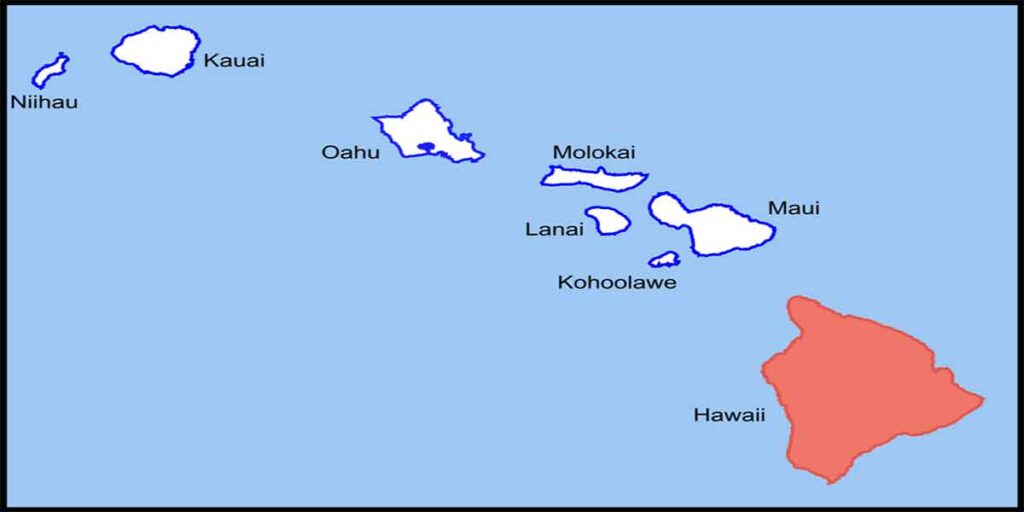
The Major Islands of the Hawaiian Archipelago
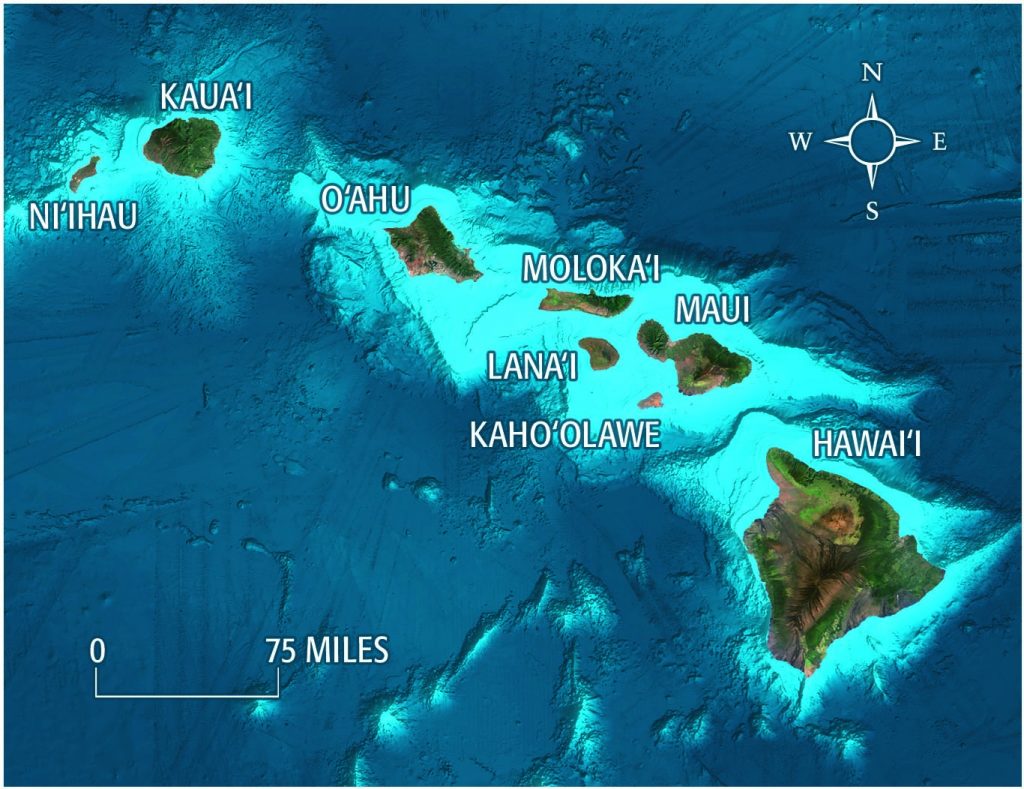
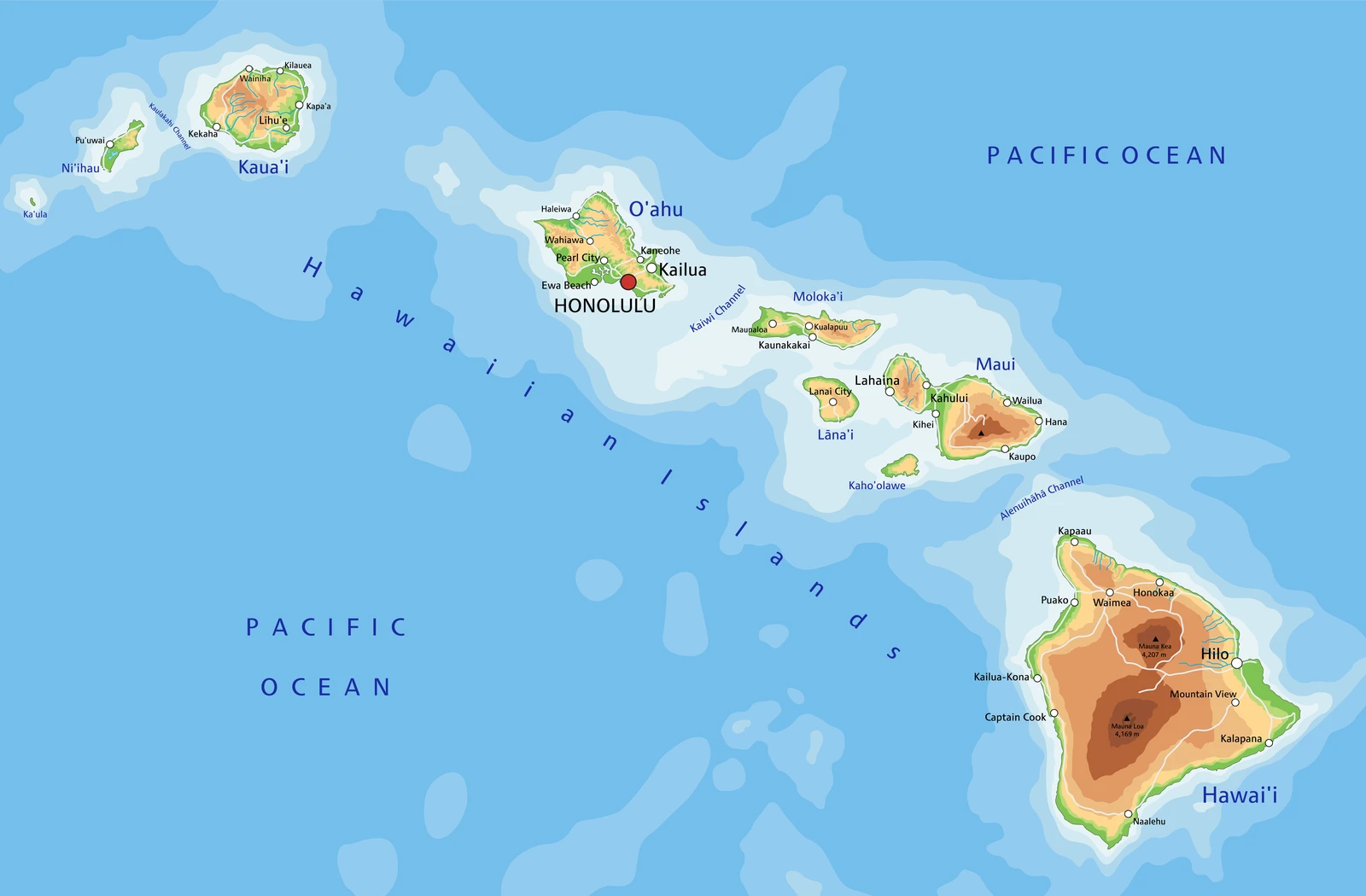
The eight main islands of the Hawaii state represent a diverse tapestry of ecosystems, ranging from lush tropical rainforests and jagged mountain peaks to arid lava deserts and pristine golden beaches. Exploring them requires a realization that no two islands are the same.
The Big Island (Hawaii)
The largest landmass in the chain, Hawaii Island, often called the Big Island, is a geological wonder. It is home to Hawaii Volcanoes National Park, where visitors can witness the raw power of active volcanism. The island features incredibly varied climate zones, allowing travelers to experience everything from the snowy summits of Mauna Kea to the stark, lunar-like landscapes of the Ka’u Desert. Because it is so vast, it offers a sense of space and exploration that is harder to find on the more populated islands.
Maui
Widely known as the “Valley Isle,” Maui strikes a balance between luxury, adventure, and relaxation. The island is world-famous for the Road to Hana, a winding coastal drive that passes through dense jungles and reveals hidden waterfalls at every turn. Furthermore, Haleakala National Park offers a breathtaking vantage point for watching the sunrise above the clouds. Whether one is exploring the historic whaling town of Lahaina or surfing the waves at Ho’okipa Beach, the island remains a top-tier destination for active travelers.
Oahu
As the home of the state capital, Honolulu, Oahu serves as the vibrant heart of the island chain. It is a fusion of metropolitan energy and surf culture. Visitors flock to Waikiki Beach for its iconic shoreline, while history enthusiasts prioritize a visit to Pearl Harbor and the USS Arizona Memorial. Beyond the city limits, the North Shore offers a glimpse into the legendary surf breaks of Banzai Pipeline, making it an essential stop for those interested in the lifestyle and history of the archipelago.
Exploring the Lesser-Visited Islands
Beyond the three most frequented destinations lie islands that provide a quieter, more intimate perspective on the region. These islands are prized for their conservation efforts and commitment to preserving the traditional way of life.
Kauai
Known as the “Garden Isle,” Kauai is arguably the most dramatic island in terms of natural topography. It is home to the Na Pali Coast, a series of sheer, verdant cliffs that plunge directly into the ocean. The Waimea Canyon, often referred to as the “Grand Canyon of the Pacific,” showcases the island’s vibrant red soil and deep emerald valleys. Kauai is the ideal destination for hikers, nature photographers, and those looking to immerse themselves in the raw, untamed beauty of the tropics.
Molokai
Molokai remains the most culturally traditional of the main islands. It is a place largely untouched by large-scale tourism, offering a slow-paced environment where the spirit of old Hawaii is still tangible. The island features the tallest sea cliffs in the world along the Kalaupapa Peninsula. Travelers who choose to visit Molokai are usually seeking solitude, historical education, and an authentic connection to the land rather than modern resort amenities.
Lanai
Once known exclusively as the “Pineapple Island” due to its agricultural history, Lanai has transformed into a destination for exclusive getaways. It offers a unique mix of rugged terrain and high-end privacy. Landmarks like the Garden of the Gods—a rock garden featuring otherworldly geological formations—highlight the island’s unique atmosphere. It is the perfect escape for travelers who desire seclusion and natural intrigue.
The Forbidden and Uninhabited Islands
In addition to the primary inhabited islands, two other landmasses complete the count of the eight major Hawaiian islands, though they are not typical tourist destinations.
Niihau
Known as the “Forbidden Island,” Niihau is privately owned and closed to the general public. It remains a bastion of the Hawaiian language and culture, having been purchased in the 19th century by the Sinclair family. While one cannot simply walk the shores of Niihau as they would on Oahu or Maui, the island is visible from the western coast of Kauai, serving as a reminder of the islands’ complex history.
Kahoolawe
Kahoolawe has a sobering history, having been used for decades as a bombing range by the military. Today, it is undergoing significant restoration efforts led by native groups dedicated to land reclamation and cultural preservation. It is currently uninhabited and generally closed to civilian visitors, though volunteer programs are occasionally granted access for ecological restoration projects.
Choosing Your Ideal Hawaiian Destination
Deciding which island to visit requires an honest assessment of what kind of experience you are seeking. If your interests lie in urban amenities, shopping, and historical sites, Oahu is the natural choice. Those who want to witness the ongoing formation of the earth through volcanic activity should prioritize the Big Island.
For travelers who want to balance relaxation with outdoor activities like snorkeling and hiking, Maui offers the most variety. If the priority is untouched, cinematic landscapes, Kauai stands in a league of its own. Finally, for those who seek to step away from the crowd and engage with the quiet, reflective side of the islands, Molokai and Lanai provide the necessary environment.
The Hawaiian Islands are more than just a cluster of tropical spots; they are a living, breathing testament to the power of nature and the resilience of a distinct cultural heritage. Each island, from the bustling streets of Honolulu to the silent, rugged cliffs of the Na Pali Coast, contributes to a unique narrative. By recognizing the individual names and characteristics of these islands, travelers can craft an itinerary that respects the local environment and provides a truly transformative experience. Whether you return to the islands year after year or are planning your very first excursion across the Pacific Ocean, there is always something new to discover in this corner of the world. Each visit serves as a reminder that the archipelago is not just a destination, but a collection of worlds waiting to be explored.
LifeOutOfTheBox is a participant in the Amazon Services LLC Associates Program, an affiliate advertising program designed to provide a means for sites to earn advertising fees by advertising and linking to Amazon.com. Amazon, the Amazon logo, AmazonSupply, and the AmazonSupply logo are trademarks of Amazon.com, Inc. or its affiliates. As an Amazon Associate we earn affiliate commissions from qualifying purchases.