
To the casual observer, Hawaii appears to exist in a state of eternal summer. With its swaying palms, golden sands, and the gentle embrace of the Pacific Ocean, it is easy to assume that time stands still in this tropical paradise. However, for those who live among the islands and for travelers who dive deeper into the local culture, the Aloha State reveals a nuanced and beautiful rhythmic cycle. While the United States mainland may experience the dramatic shifts of spring blossoms, summer heat, autumn leaves, and winter snow, the Hawaiian archipelago follows a more ancient and subtle blueprint. Understanding these seasonal shifts is essential for any visitor looking to experience the true essence of the islands, from the spiritual traditions of the indigenous people to the specific harvest times of exotic fruits.
The Indigenous Perspective: Kau and Ho’oilo
Long before modern meteorology, the Polynesian ancestors of the Hawaiian people recognized that their environment was governed by two primary periods. Unlike the four-season model used in temperate climates, the traditional Hawaiian calendar is divided into Kau and Ho’oilo. This binary system reflects the balance of nature, dictated by the sun’s position and the arrival of the life-giving rains.
The Significance of the Makahiki Festival
The transition between these seasons is perhaps the most culturally significant time in Hawaii. The season of Ho’oilo, which roughly spans from November to April, is characterized by cooler temperatures and increased rainfall. This period historically heralded the beginning of the Makahiki festival, a four-month-long celebration dedicated to the god Lono, the deity of agriculture, fertility, and peace.
During Makahiki, traditional warfare was strictly forbidden, allowing the people to focus on community, sports, and religious ceremonies. This was a time of physical and spiritual rejuvenation. Today, visitors can still feel the echoes of this history at sites like the Polynesian Cultural Center on Oahu, where the heritage of the islands is preserved through performance and education. Understanding this cultural rhythm transforms a simple vacation into a journey through a living history, where the “winter” rains are not seen as a hindrance but as a sacred blessing for the land.
Trade Winds and Cultural Connections
The season of Kau, spanning from May to October, represents the drier, warmer half of the year. This is when the sun sits high overhead and the “trade winds”—the reliable northeasterly breezes—are most consistent. These winds have dictated life in the islands for centuries, providing natural air conditioning and guiding the sailing canoes of early explorers.
In the modern era, these winds are what make areas like Waikiki in Honolulu so pleasant even in the height of summer. Cultural practitioners often look to the arrival and departure of these winds to predict changes in the environment, a skill passed down through generations. When the trade winds falter, the islands experience “Kona weather,” where the wind shifts to come from the south or west, bringing humidity and occasionally volcanic haze from the Big Island.
A Culinary Journey Through the Hawaiian Calendar
One of the most delicious ways to experience the seasons in Hawaii is through its agriculture. The islands’ volcanic soil and varied microclimates create a year-round growing season, but many of the most sought-after tropical treats are highly seasonal. For the food-motivated traveler, timing a visit can mean the difference between tasting a fruit at its peak or missing it entirely.
Summer Harvests and Tropical Delights
As the season of Kau takes hold, the islands become a literal garden of Eden. Summer is synonymous with mango season. From June through August, the air in residential neighborhoods from Lahaina in Maui to the valleys of Kauai is heavy with the sweet scent of ripening fruit. Local farmers markets become vibrant hubs where visitors can find dozens of varieties of mangoes, each with a distinct flavor profile.
This is also the time for lychee and longan. These small, translucent fruits are local favorites, often sold in large bags by the roadside. Engaging with the local food scene during these months offers a glimpse into island life that goes beyond the hotel buffet. It’s a time of sharing—neighbors often leave boxes of excess fruit on their walls for passersby, a gesture of the “Aloha Spirit” that defines the culture.
The Winter Flavors of the Islands
When the cooler Ho’oilo arrives, the culinary landscape shifts. While citrus fruits like Meyer lemons and various oranges peak in the winter months, this season is also vital for the islands’ staple crop: taro (kalo). While taro can be harvested year-round, the heavy winter rains are essential for the traditional wetland patches, known as lo’i.
Visiting a working farm on the Hanalei river on Kauai during the wetter months provides a stunning visual of the emerald-green fields thriving under the grey skies. This is also a peak time for “comfort food” in Hawaii. A warm bowl of saimin or a plate of hot kalua pig feels more appropriate when the evening temperatures in Kula or Waimea dip into the 50s or 60s Fahrenheit.
Seasonal Activities: From Big Waves to Whale Breeches
Perhaps the most visible sign of the seasons in Hawaii is the change in the ocean. The Pacific Ocean is a dynamic force that dictates which activities are safe and enjoyable depending on the time of year.
Winter Swell and the North Shore
For surf enthusiasts, the season of Ho’oilo is the only time that matters. Starting in late October and peaking in December and January, massive swells generated by storms in the North Pacific travel thousands of miles to crash against the North Shore of Oahu. This is when the world-famous Banzai Pipeline and Waimea Bay come to life.
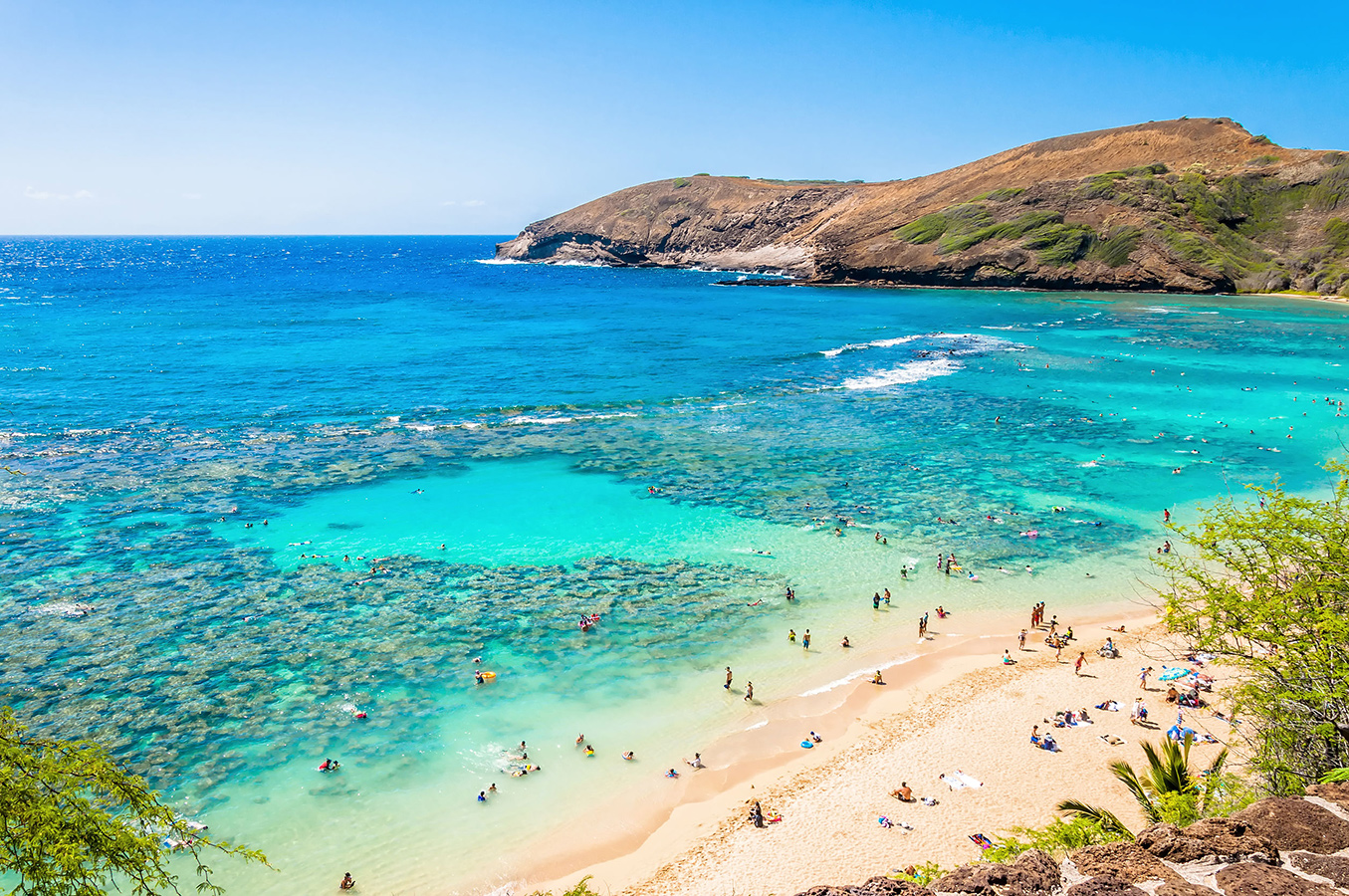
Watching these 30-foot walls of water is a profound experience, but it also changes the tourist landscape. During these months, the northern coasts of all islands can be dangerous for casual swimming. Instead, visitors flock to the southern shores, such as the calm waters of Poipu or the protected lagoon of Hanauma Bay, where the conditions remains serene. Conversely, in the summer (Kau), the north shores become as flat as a lake, perfect for snorkeling and diving.
The Humpback Whale Migration
The arrival of winter also marks the return of some of the islands’ most prestigious visitors: the Kohola, or Humpback Whales. From December through May, thousands of these magnificent creatures migrate from Alaska to the warm, shallow waters of the Auau Channel between Maui, Lanai, and Molokai.
Whale watching is a cornerstone of the winter tourism industry. Whether you are standing on the shores near Diamond Head or taking a boat tour out of Kaanapali, the sight of a 40-ton whale breaching the surface is unforgettable. The presence of the whales is deeply respected by locals, who view them as aumakua (ancestral guardians) for many families.
Essential Tips for Every Hawaiian Season
Navigating the Hawaiian seasons requires more than just checking the temperature. Because of the islands’ dramatic topography, you can experience multiple “seasons” in a single day simply by driving from one side of an island to the other.
Navigating Island Microclimates
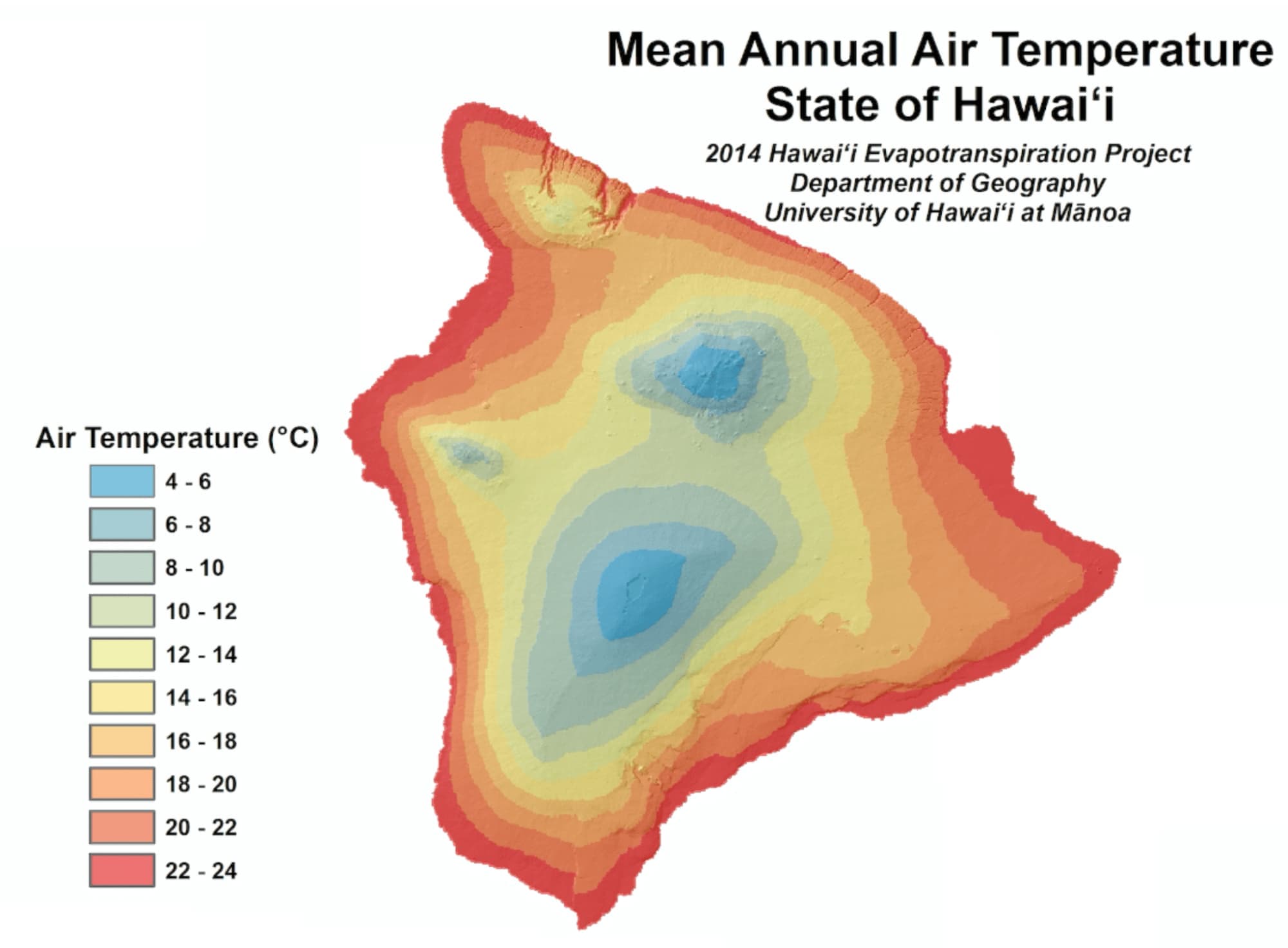
Every island has a “windward” (east and north) side and a “leeward” (west and south) side. The windward sides, like Hilo on the Big Island, are lush, rainy, and tropical. The leeward sides, like the Kona coast, are dry, sunny, and often look like lava deserts.
When planning activities, it is vital to check local forecasts rather than general island weather. A rainy morning in Lihue doesn’t mean you can’t have a perfect beach day at Waimea Canyon. Furthermore, high-altitude destinations like Haleakala or Mauna Kea can experience freezing temperatures and even snow while people are sunbathing at the Aulani Resort on the coast. Packing a light jacket and sturdy shoes is a must, regardless of the month on the calendar.

Respecting the Environment and Local Customs
Understanding the seasons also means respecting the natural cycles of the land. In the winter, hiking trails like those along the Napali Coast can become dangerously muddy and prone to flash floods. Travelers are encouraged to follow the concept of Malama ‘Aina—to care for and respect the land. This means staying on marked trails and respecting closures, which are often put in place to protect both the visitor and the fragile ecosystem.
Whether you are visiting the historic Pearl Harbor in the spring or exploring the volcanic craters of Kilauea and Mauna Loa in the fall, the seasons of Hawaii offer a rich tapestry of experiences. By looking past the “eternal summer” stereotype, you discover a destination that is constantly changing, deeply spiritual, and always offering something new to those who know when—and how—to look. From the quiet peace of the Makahiki to the thundering waves of the winter swell, Hawaii does indeed have seasons, and each one is an invitation to connect with the heart of the Pacific Ocean.
LifeOutOfTheBox is a participant in the Amazon Services LLC Associates Program, an affiliate advertising program designed to provide a means for sites to earn advertising fees by advertising and linking to Amazon.com. Amazon, the Amazon logo, AmazonSupply, and the AmazonSupply logo are trademarks of Amazon.com, Inc. or its affiliates. As an Amazon Associate we earn affiliate commissions from qualifying purchases.