
For many travelers planning their first excursion to the Pacific, the vibrant cultural fusion found in Hawaii often leads to a common misconception regarding its geographical and geopolitical identity. With its sun-drenched coastlines, rhythmic musical traditions, and a demographic landscape that reflects a deep history of migration, it is not uncommon for visitors to wonder if this archipelago belongs to the Latin America region. To understand the islands, one must look past the tropical aesthetic and explore the unique intersection of Polynesian roots, colonial history, and modern American identity.
The Geography and Sovereignty of the Pacific
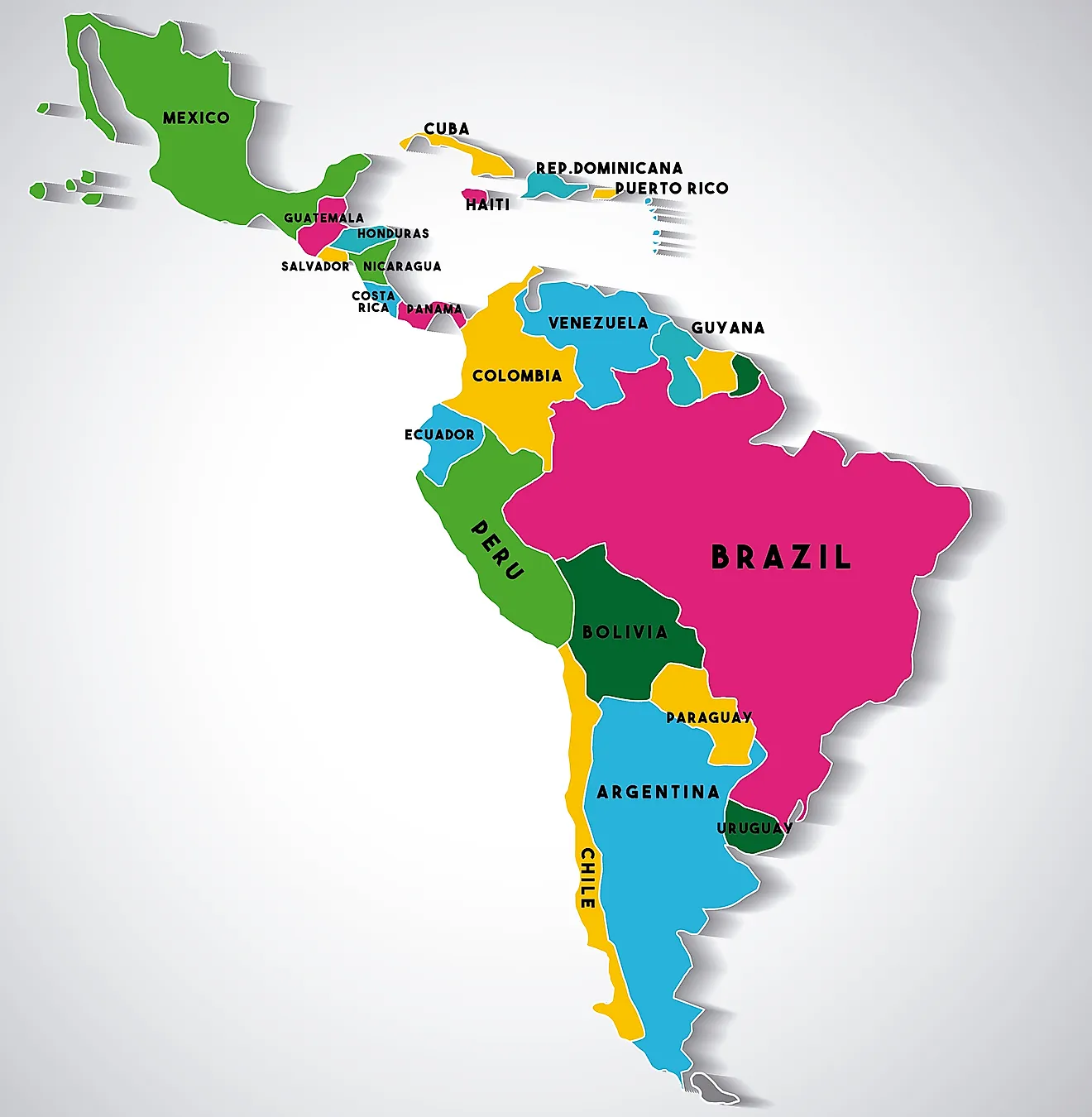
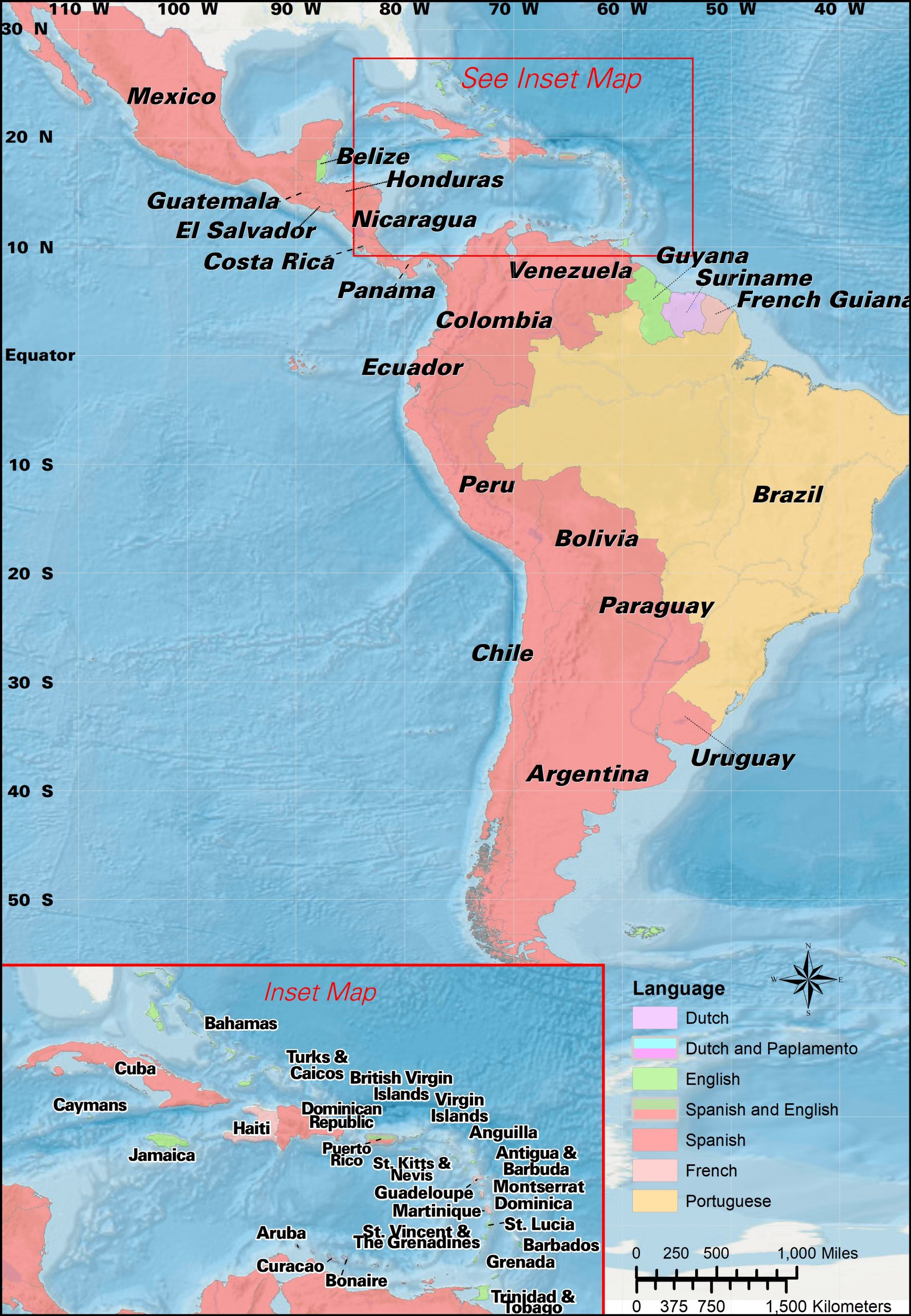
To address the question directly, Hawaii is neither a country nor a part of Latin America. It is the 50th state of the United States of America, located in the central Pacific Ocean. While it shares a similar latitude with parts of Mexico or Central America, its physical location is isolated, sitting over 2,000 miles away from the North American mainland.
A Polynesian Origin
The foundations of the islands are distinctly Polynesian. The indigenous Native Hawaiians trace their heritage back to voyagers from the Marquesas Islands and Tahiti, who navigated the vast ocean using stars and currents centuries before European contact. This lineage places the archipelago firmly within the cultural sphere of Oceania, sharing linguistic and ancestral ties with places like New Zealand, Fiji, and Samoa.
The American Integration
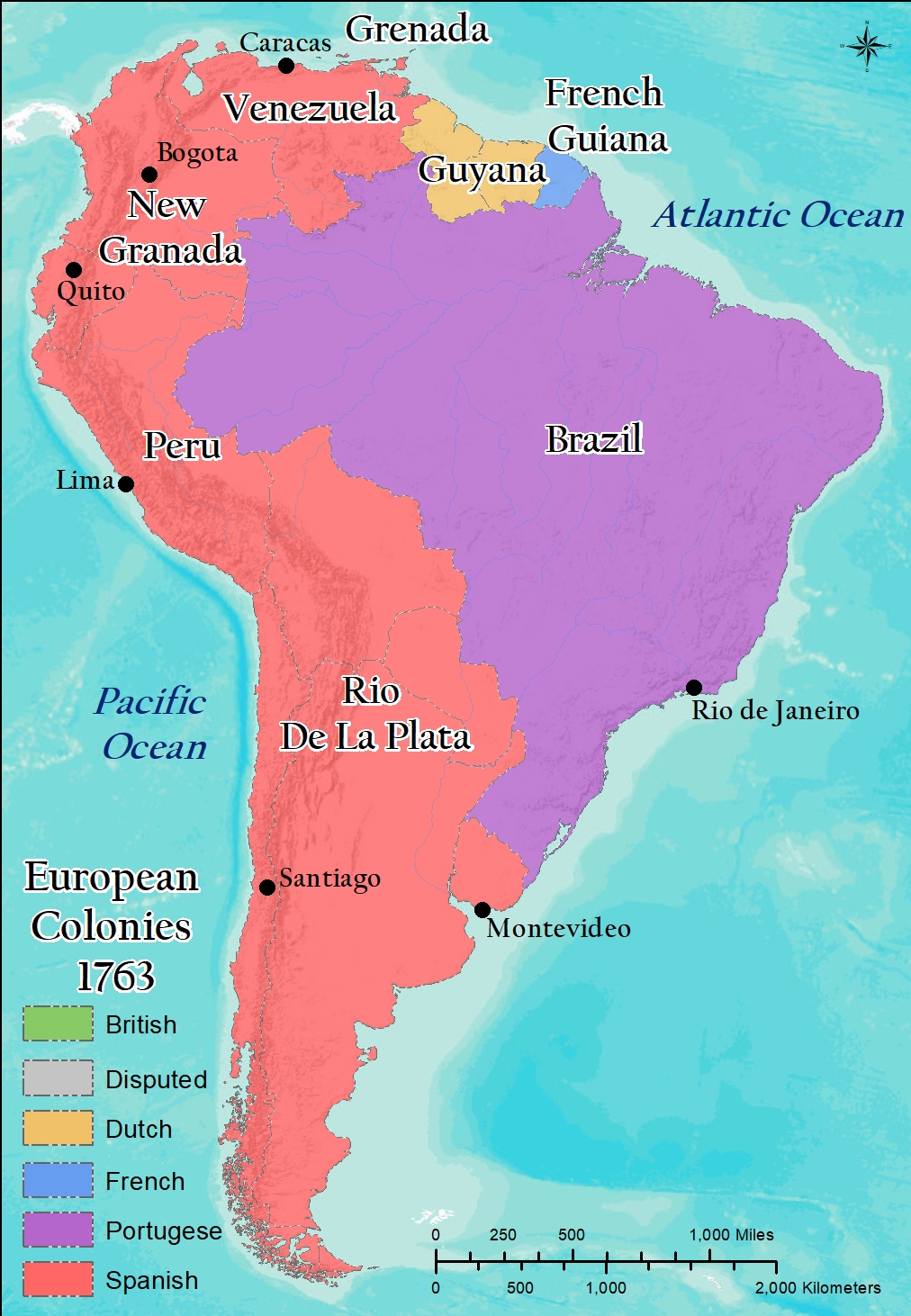
In 1959, Hawaii was admitted as the 50th state of the United States. This political transition redefined its international standing, transitioning from an independent sovereign kingdom to an integral part of the American Union. Unlike countries in Latin America, which achieved independence from colonial powers like Spain or Portugal, the political evolution of Hawaii was a process of annexation and eventual statehood, which is fundamentally different from the post-colonial trajectories seen in South America.
The Misconception of Cultural Latinization
Why does the confusion persist? If one visits a local festival at Kapiolani Park or explores the food trucks in Honolulu, the auditory and culinary landscape can sometimes feel surprisingly familiar to those who have traveled through the Caribbean or Brazil. This is largely due to the “melting pot” effect caused by the 19th-century plantation era.
The Influence of the Paniolo
One of the most significant links between Hawaii and the Hispanic world is the paniolo, or Hawaiian cowboy. In the early 1800s, King Kamehameha III invited vaqueros from California—who were then under Mexican influence—to teach the locals how to handle cattle. These vaqueros brought their saddles, their music, and their techniques, which became deeply embedded in the ranching culture of Waimea on the Big Island. When visitors hear the slack-key guitar, they are hearing a musical style that shares historical DNA with the guitar traditions brought over by these early Latin American arrivals.
Linguistic and Culinary Crossovers
The plantation system brought workers from all over the world, including Puerto Rico, Portugal, China, and Japan. The arrival of Puerto Rican laborers at the turn of the 20th century introduced foods like pasteles and influences that blended with local ingredients. Today, you can find dishes that mirror the Latin American palate—spiced meats, rice-based dishes, and an emphasis on fresh produce—all while remaining uniquely Hawaiian in their preparation.
Tourism and the Global Perspective
For travelers, understanding the distinction between Hawaii and Latin America is key to setting expectations for the trip. The visitor experience in Hawaii is defined by a blend of American infrastructure and Polynesian values, such as aloha and malama aina (caring for the land).
Distinct Traveler Experiences
If a traveler arrives in Maui expecting the same cultural infrastructure they might find in Costa Rica or Peru, they will find a different set of social norms and historical narratives. The landmarks here are not colonial cathedrals built by the Spanish Empire, but rather heiau (sacred temples) and royal palaces like Iolani Palace. These sites serve as reminders that the islands possess a distinct historical identity that preceded both American and European influence.
Why the Distinction Matters
Travelers gain more from their journey when they appreciate the specific history of the destination. Whether you are snorkeling in Hanauma Bay or exploring the volcanic craters of Haleakala National Park, you are visiting a land where the culture is built on a foundation of indigenous Hawaiian traditions, filtered through the lens of a Pacific-island lifestyle.
Cultural Synthesis in the Modern Era
As we look at the modern demographic makeup of Hawaii, it remains a diverse state where the lines between cultures continue to blur. However, this is not an extension of Latin America; it is a testament to the global nature of island life in the 21st century.
Preserving Traditions
The effort to revitalize the Hawaiian language and traditional navigational techniques is a high priority for local residents. These efforts underscore the indigenous sovereignty that continues to be a central theme in island life. While visitors might enjoy a fusion of global flavors at a luau in Waikiki, the heart of the experience remains deeply rooted in the history of the Polynesian Triangle.
Conclusion for the Visitor
While there are interesting historical overlaps between Hawaii and the cultures of Latin America—notably in the legacy of the paniolo and the plantation labor migrations—Hawaii is, unequivocally, a unique entity. It is an American state with a profound indigenous Polynesian soul. For the traveler, this makes it a fascinating destination that defies simple categorization. By recognizing its true historical context, visitors can better engage with the local community, respect the sacred sites, and appreciate the authentic essence of the islands as they traverse from the beaches of Oahu to the remote cliffs of Kauai. The islands offer a rich mosaic of global influences, but their identity—past, present, and future—is uniquely their own.
LifeOutOfTheBox is a participant in the Amazon Services LLC Associates Program, an affiliate advertising program designed to provide a means for sites to earn advertising fees by advertising and linking to Amazon.com. Amazon, the Amazon logo, AmazonSupply, and the AmazonSupply logo are trademarks of Amazon.com, Inc. or its affiliates. As an Amazon Associate we earn affiliate commissions from qualifying purchases.