
When travelers dream of the Pacific, the archipelago of Hawaii often sits at the top of the list. With its lush landscapes, golden beaches, and distinct cultural heritage, it remains a bucket-list destination for millions. However, prospective visitors frequently ask the same fundamental question: “Is it safe?” The short answer is yes, but like any destination, a secure and enjoyable trip depends on understanding the local environment, respecting the land, and staying informed about the unique challenges of island life.
Understanding the Local Environment and Natural Hazards
While many travelers worry about crime, the most significant “safety” concerns in Hawaii are actually rooted in the state’s natural geography. The islands are home to powerful surf, volcanic activity, and rapidly changing weather patterns.
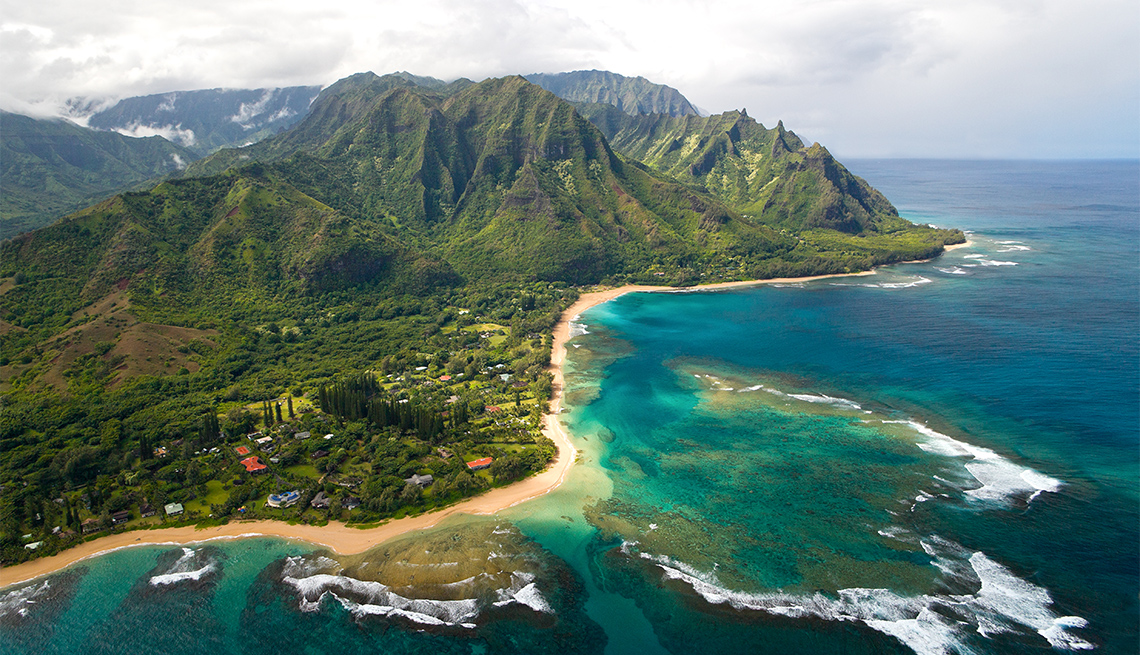
Ocean Safety and Surf Conditions
The Pacific Ocean is majestic, but its currents can be deceptive. Visitors often underestimate the power of the undertow at popular spots like Waikiki Beach or the North Shore of Oahu.
- Heed Warning Signs: Always pay attention to red flags or posted signage regarding high surf or strong currents.
- Swim Near Lifeguards: Stick to beaches where professional lifeguard services are active.
- Respect the Reef: Beyond safety for the swimmer, protecting the coral reef is essential. Using reef-safe sunscreen is a legal requirement in many parts of the state to preserve the fragile marine ecosystem.
Volcanic Activity and Air Quality
On the Big Island, volcanic activity from Kilauea and Mauna Loa is a reality of life. While these eruptions are natural wonders that attract visitors to Hawaii Volcanoes National Park, they can occasionally affect air quality. Known locally as “vog” (volcanic smog), these emissions can cause respiratory irritation for those with pre-existing conditions. Always check local air quality reports before heading to remote areas of the island.
Crime Awareness and Personal Security
Hawaii is generally as safe as any other major tourist destination in the United States. Violent crime against tourists is extremely rare. However, petty crime—specifically theft from parked vehicles—is the most common issue travelers encounter.
The “Rental Car Rule”
Rental cars are easily identifiable, making them prime targets for opportunistic thieves. Whether you are visiting the lush trails of Kauai or the scenic lookouts of Maui, the cardinal rule of travel here is simple: Do not leave anything of value in your car.
This applies even when you are just stepping away for a five-minute photo opportunity at a trailhead or a beach parking lot. Thieves often target cameras, purses, and passports. If you cannot carry your belongings with you, leave them secured in a safe at your accommodation rather than inside a locked trunk.
Staying Vigilant in Urban Areas
In more densely populated areas like Honolulu, standard city precautions apply. While the tourist districts are heavily policed and well-lit, straying too far into unfamiliar residential neighborhoods late at night is not recommended. Stick to well-traveled paths, and if you plan to explore nightlife, use reputable rideshare services rather than walking alone in isolated areas.
Health and Medical Preparedness
Medical infrastructure in Hawaii is excellent, with world-class facilities available on the major islands. Most travelers have little to worry about regarding health, provided they take basic precautions.
Sun and Heat Exposure
The tropical sun is significantly stronger than what many visitors are accustomed to. Dehydration and heat exhaustion are the most common medical issues reported by tourists.
- Hydration: Carry a reusable water bottle and refill it frequently.
- Sun Protection: Wear high-SPF sunscreen, sunglasses, and a hat, especially if you are engaging in strenuous hikes like the Diamond Head State Monument.
Tropical Awareness
Hawaii is free of many tropical diseases found elsewhere in the Pacific, but visitors should be aware of minor irritants. Leptospirosis can be present in freshwater streams and ponds, so it is best to avoid swimming in stagnant or muddy freshwater if you have open cuts or sores. Additionally, while there are no snakes, centipedes can deliver a painful bite if disturbed while hiking or gardening.
Cultural Respect and Responsible Tourism
Safety also extends to the harmony between the visitor and the local community. Hawaii has a rich history and a unique cultural identity that residents protect fiercely. Being a “safe” traveler means being a respectful one.
Understanding “Malama”
The concept of malama—to care for, protect, and nurture—is central to the local way of life. By practicing malama during your trip, you contribute to a safer, more welcoming environment for everyone.
- Stay on Marked Trails: Venturing off-trail destroys fragile vegetation and puts you at risk of injury from unstable volcanic rock or hidden drop-offs.
- Respect Sacred Sites: Many locations, such as the Heiau (ancient temples) or certain coastal areas, are culturally significant. Look for signage and refrain from entering restricted areas.
- Wildlife Interactions: It is illegal and dangerous to touch or approach endangered species like the Hawaiian Monk Seal or the Green Sea Turtle. Maintain a respectful distance to ensure your safety and the health of the animals.
Preparing for Your Trip
To maximize your safety, preparation is key. Regardless of whether you are visiting Lanai or the historic Pearl Harbor National Memorial, having a plan keeps your experience stress-free.
Essential Travel Checklist
- Travel Insurance: Ensure your policy covers medical evacuation, as specialized care is sometimes located only on Oahu.
- Offline Maps: Cellular service can be spotty in remote areas like the Road to Hana. Download offline maps to navigate without data.
- Local Weather Apps: Conditions change rapidly. Keep an eye on weather forecasts, particularly during the winter months when north-facing shores experience massive swell activity.
- Emergency Numbers: Familiarize yourself with how to contact local authorities. In any emergency situation, dialing 911 will connect you to local dispatch services across the entire island chain.
Ultimately, Hawaii is an incredibly safe and welcoming destination. The vast majority of travelers return home with nothing more than wonderful memories of the sunsets at Kaanapali Beach or the tranquility of the Waimea Canyon. By staying aware of your surroundings, respecting the power of the natural environment, and engaging with the community with kindness, you can ensure that your island adventure is as safe as it is transformative. The islands are waiting for you, and with the right approach, you are ready to explore them with confidence.
LifeOutOfTheBox is a participant in the Amazon Services LLC Associates Program, an affiliate advertising program designed to provide a means for sites to earn advertising fees by advertising and linking to Amazon.com. Amazon, the Amazon logo, AmazonSupply, and the AmazonSupply logo are trademarks of Amazon.com, Inc. or its affiliates. As an Amazon Associate we earn affiliate commissions from qualifying purchases.