
The rugged, sun-drenched hills surrounding Los Angeles have long been defined by a complex relationship with the elements. For the millions of residents and the vast numbers of seasonal visitors who flock to California each year, the question of whether the fires are “out” is rarely answered with a simple binary. It is, instead, a matter of seasonal vigilance, regional geography, and the ongoing stewardship of the iconic landscapes that make this corner of the United States so compelling.
Understanding the Seasonal Rhythms of Fire
To understand the current status of the landscape, one must first appreciate the Mediterranean climate that defines the Pacific Coast. This region experiences a distinct cycle of wet winters and exceptionally dry summers. This cycle creates a “fire season” that has, in recent years, begun to blur, extending deep into the autumn months when the infamous Santa Ana Winds descend from the desert.

The Role of Vegetation and Climate
The hillsides of the Santa Monica Mountains are blanketed in chaparral—a hardy, drought-resistant shrubland that has evolved to burn. When the rains are plentiful, the vegetation grows lush and dense. As the summer heat intensifies, this same greenery transforms into a vast repository of dormant fuel. For those planning trips to see the natural beauty of the Hollywood Hills or the Griffith Park trails, understanding this dynamic is essential. It is not necessarily that fires are “out” indefinitely; it is that the ecosystem is in a perpetual state of readiness.
Monitoring Current Air Quality and Safety
Travelers often ask how fire activity influences the visitor experience. During periods of containment, air quality can fluctuate significantly, even when direct fire activity is miles away. Local agencies provide real-time dashboards that offer transparency for those staying at destinations like the Beverly Hills Hotel or exploring the coastal reaches of Malibu. It is standard procedure for hikers and outdoor enthusiasts to check the Los Angeles County Fire Department updates before heading into the backcountry.
Navigating Nature and Urban Boundaries
One of the most unique aspects of visiting this region is how seamlessly the urban sprawl meets the untamed wilderness. You can start your day with a coffee in a bustling metropolitan center and, within thirty minutes, find yourself hiking along the Pacific Crest Trail or exploring the coastal bluffs of Point Dume.
Staying Informed on Recreational Access
When fires occur, local authorities are quick to close off specific trailheads to protect public safety and allow for containment operations. These closures are rarely region-wide. If you have booked a trip, you will rarely find the entire city inaccessible. Instead, you might find that certain areas of the Angeles National Forest are restricted, while popular destinations like Santa Monica Pier or the Getty Center remain open and thriving. The key to a successful trip is flexibility.

The Resilience of the Landscapes
Nature in this part of the world is remarkably resilient. After a fire event, it is common to see vibrant wildflowers carpet the scorched earth within a single season. Many visitors find that witnessing this natural recovery is, in itself, a profound experience. It highlights the power of the California environment and the enduring spirit of the communities that inhabit it. Whether you are staying at the Hotel Bel-Air or a boutique rental in Silver Lake, you are never far from witnessing this cycle of renewal.
Essential Tips for the Conscious Traveler
Visiting a fire-prone region requires a shift in mindset. It is less about avoiding the area entirely and more about traveling with awareness and respect for the natural environment.
Preparing for Your Journey
- Check Official Portals: Before departing, monitor the California Department of Forestry and Fire Protection for the latest incident maps.
- Respect Local Restrictions: If fire bans are in place, they are strictly enforced for the safety of everyone. This includes strict regulations on campfires or using grills in public parks.
- Support Local Business: Even when fire events cause minor disruptions, the tourism industry in Southern California relies on the continued support of visitors. By maintaining your travel plans, you help the local economy remain stable during challenging times.
Embracing the Beauty of the Off-Season
Many seasoned travelers prefer visiting during the cooler months, when the risk of wildfire is statistically lower and the air is crisp and clear. Exploring the Venice Beach boardwalk or touring the architectural marvels of Downtown Los Angeles in the late autumn often reveals a side of the city that is less crowded and more accessible.
A Balanced Perspective on Fire Safety
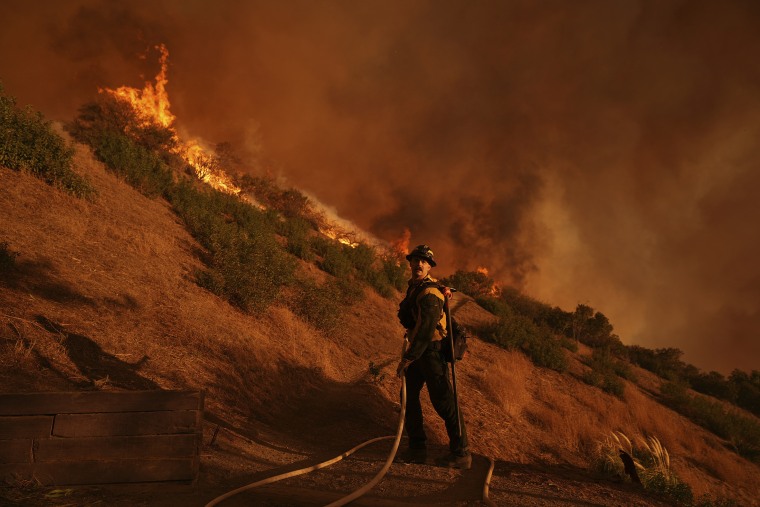
Ultimately, the fires are part of the historical narrative of the Western United States. They shape the architecture of our homes, the planning of our cities, and the way we interact with the land. When you see headlines regarding fires in the region, do not let them discourage you from experiencing the vast cultural and natural richness of the area.
Instead, view it as a reminder to check in with local resources. The California Office of Emergency Services and other municipal bodies work around the clock to manage these challenges, ensuring that landmarks such as the Griffith Observatory and the Hollywood Sign remain protected icons for future generations.
When you land at Los Angeles International Airport and look out at the horizon, you are seeing a landscape that is constantly shifting, burning, and regenerating. It is a place of immense beauty that demands our respect and our continued engagement. Whether the fires are “out” or simply managed, the spirit of this city remains ignited, inviting you to explore its beaches, its hills, and its unique urban culture with a sense of wonder and informed preparedness. By staying informed and traveling responsibly, you ensure that your visit contributes positively to the ongoing story of this resilient and vibrant destination.
LifeOutOfTheBox is a participant in the Amazon Services LLC Associates Program, an affiliate advertising program designed to provide a means for sites to earn advertising fees by advertising and linking to Amazon.com. Amazon, the Amazon logo, AmazonSupply, and the AmazonSupply logo are trademarks of Amazon.com, Inc. or its affiliates. As an Amazon Associate we earn affiliate commissions from qualifying purchases.