
For travelers planning a tropical escape to the stunning archipelago of Hawaii, the question of hydration is often secondary to booking flights or choosing the right beach. However, understanding the source and quality of your drinking water is a fundamental aspect of travel preparation. Whether you are staying in a high-end resort in Waikiki or trekking through the lush landscapes of Kauai, knowing whether you can safely turn on the tap is essential for a stress-free vacation.
The Quality of Hawaii’s Municipal Water Supply
The vast majority of Hawaii residents and visitors have access to tap water that is considered some of the cleanest and highest quality in the United States. This is primarily due to the unique geological makeup of the islands.

The Science of Hawaiian Aquifers
The secret behind the pristine quality of the water lies in the volcanic rock. Most of the drinking water across the islands, particularly on Oahu and Maui, is sourced from underground aquifers. Rainwater percolates through thousands of feet of volcanic basalt rock, which acts as a natural filtration system. This volcanic earth removes impurities and mineralizes the water, resulting in a clean, crisp, and refreshing taste that many locals prefer over bottled alternatives.
Adherence to Federal Standards
Because the islands are part of the United States, all municipal water providers are required to adhere to the strict water quality standards set by the Environmental Protection Agency (EPA). Local departments, such as the Board of Water Supply in Honolulu, conduct rigorous, regular testing to ensure that the water is free from harmful contaminants. These tests monitor for lead, copper, bacteria, and various chemicals. Reports are published annually, and the overwhelming majority of districts consistently meet or exceed federal safety mandates, meaning the water coming out of your hotel faucet is perfectly safe to consume.
Navigating Water Consumption in Tourist Areas
While municipal water is safe, the experience of accessing it can vary depending on where you are staying and what activities you are pursuing.
Resort Amenities and Filtration
If you are staying at a luxury property like the Grand Wailea or any major hotel chain, you might notice that the water provided in your room often comes from a filtration system integrated into the building. While the tap water in Lahaina or Kailua-Kona is safe, some high-end resorts further refine it to ensure a consistent taste profile. If you find the tap water has a slight mineral aftertaste—a byproduct of the volcanic filtration process—a simple pitcher filter is often provided to guests.
The Importance of Sustainability
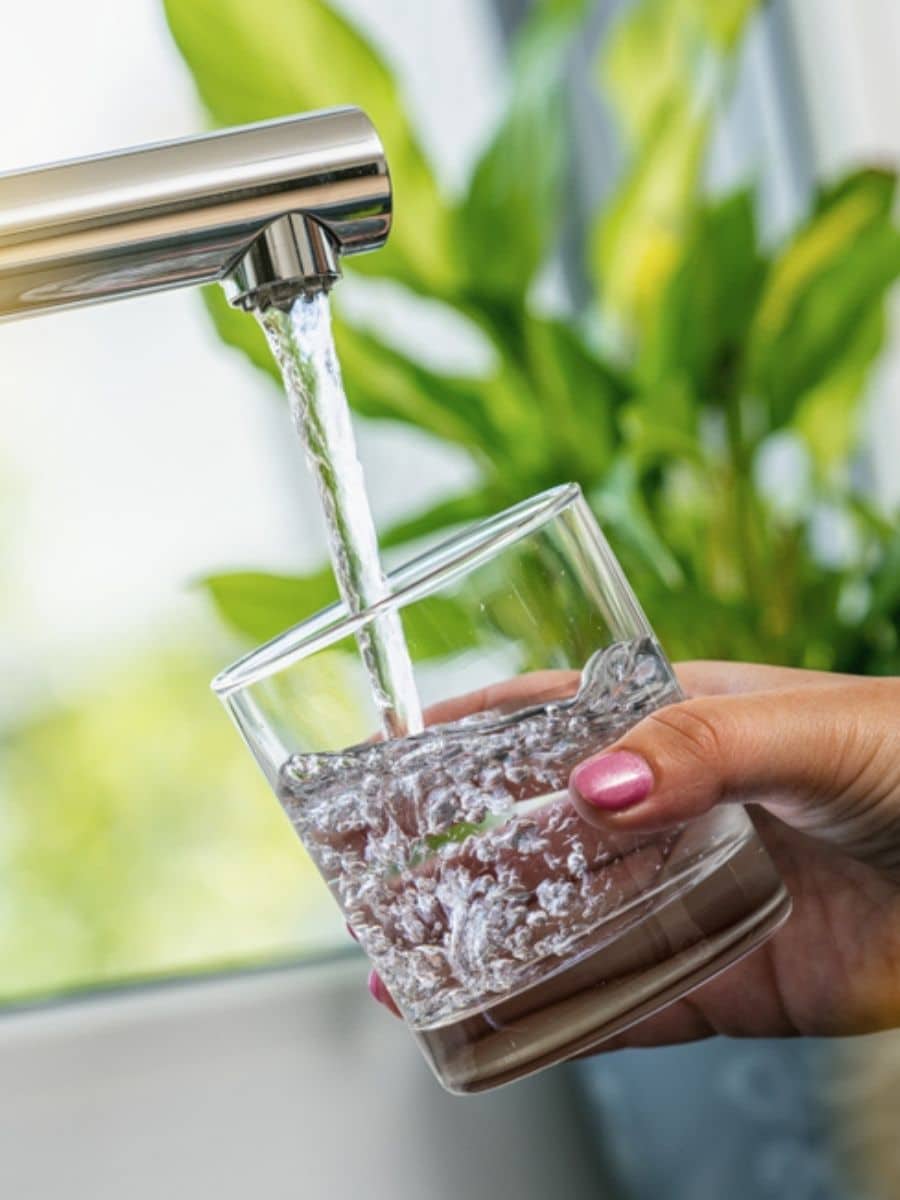
Tourism in Hawaii has shifted toward a heavy focus on sustainability. The state actively discourages the use of single-use plastic bottles to protect the delicate marine ecosystems of Hanauma Bay and Molokini Crater. Travelers are encouraged to bring reusable water bottles and fill them at hydration stations found in airports like the Daniel K. Inouye International Airport or at various public parks. By utilizing the tap, you are not only saving money but also contributing to the preservation of the islands’ natural beauty.
When to Exercise Caution: Rural and Natural Water Sources
While municipal tap water is consistently safe, the same cannot be said for the streams, waterfalls, and rain catchments found in the island’s wilder regions.
Streams and Waterfalls
The natural beauty of Hawaii is defined by its dramatic valleys and cascading waterfalls. However, hikers should never drink directly from these sources. While the water may look crystal clear, it is often contaminated with Leptospira bacteria. This bacterium is carried by the urine of wild animals, such as pigs, which roam freely in the forests of The Big Island. Exposure to Leptospira can cause leptospirosis, a potentially serious illness. If you are hiking in areas like the Waimea Canyon or the Na Pali Coast, always pack more water than you think you will need rather than relying on stream filtration.
Rain Catchment Systems
In more remote areas of the islands, particularly on the windward sides of Molokai or Lanai, some homes rely on rainwater catchment systems. Unlike municipal water, these systems are not centrally treated. If you have booked a vacation rental or an Airbnb in a rural location, it is vital to check with your host regarding the water source. If the property uses a catchment system, the water should be treated with a UV light or a high-quality filtration system before drinking. In these cases, your host will typically provide clear instructions or a supply of bottled water for guests.

Tips for Staying Hydrated During Your Trip
Hydration is a crucial component of enjoying your Hawaiian vacation, especially given the tropical climate and the increased activity levels most visitors experience.
- Carry a Reusable Bottle: Make it your primary travel accessory. Most hotels and even some attractions now feature bottle-filling stations that make it convenient to stay hydrated on the go.
- Monitor Your Intake: The humidity and heat of the Pacific Ocean climate can cause you to lose fluids faster than you realize. Aim to drink significantly more water than you would back home, especially if you are participating in strenuous activities like surfing at North Shore or hiking up Diamond Head.
- Ask About the Source: When dining at local restaurants or cafes in towns like Hilo, feel free to ask for a glass of tap water. Most establishments use the same high-quality municipal supply and will gladly serve it with ice.
- Understand the “Boil Water” Advisories: Though rare, public water systems can occasionally face issues due to severe weather or pipe maintenance. If a “boil water” advisory is issued, it will be widely publicized by local news outlets and hotel management. In such rare events, ensure you drink only bottled or boiled water until the all-clear is given.
Ultimately, the tap water in Hawaii is not just safe—it is an excellent way to stay hydrated while reducing your environmental footprint. By understanding the difference between the regulated municipal supply and the wilder, untreated sources in the interior forests, you can confidently navigate your vacation with a reusable bottle in hand. Enjoy the refreshing, volcanically filtered goodness that flows throughout the islands, and spend less time worrying about your water supply and more time enjoying the sunset over the Pacific Ocean.
LifeOutOfTheBox is a participant in the Amazon Services LLC Associates Program, an affiliate advertising program designed to provide a means for sites to earn advertising fees by advertising and linking to Amazon.com. Amazon, the Amazon logo, AmazonSupply, and the AmazonSupply logo are trademarks of Amazon.com, Inc. or its affiliates. As an Amazon Associate we earn affiliate commissions from qualifying purchases.