
Understanding the weather patterns in the Bronx, New York, is a vital component for any traveler looking to experience the borough’s unique charm. Whether you are planning a visit to the sprawling grounds of the New York Botanical Garden or hoping to catch a game at the legendary Yankee Stadium, knowing what to expect from the elements ensures that your itinerary remains uninterrupted. As one of the five boroughs of New York City, the Bronx experiences a humid subtropical climate characterized by four distinct seasons, each offering a different perspective on local life and outdoor recreation.
Navigating the Seasonal Shifts in the Bronx
The temperature in the Bronx is rarely static, shifting significantly throughout the calendar year. Planning a trip requires an awareness of these transitions to ensure you are packing the appropriate gear and setting realistic expectations for your daily excursions.
Spring and Autumn: The Ideal Windows
Springtime, particularly from late April to early June, brings mild temperatures that transform the Bronx into a lush, green landscape. During these months, temperatures typically range from the mid-50s to the low 70s (°F), making it the perfect time for long walks through Pelham Bay Park. The air is crisp, and the humidity levels are generally manageable, providing an ideal climate for exploring the Bronx Zoo without the stifling heat of mid-summer or the biting chill of winter.
Autumn—specifically late September through October—mirrors the pleasantness of spring. The humidity of the summer months begins to fade, replaced by cooler, comfortable breezes. With average highs hovering around 65°F to 75°F, it is arguably the most atmospheric time to visit. The foliage throughout the borough’s many green spaces creates a picturesque backdrop, making it an excellent season for photography and outdoor dining along Arthur Avenue, the heart of the borough’s authentic Little Italy.
The Intensity of Summer and Winter
Summer in the Bronx can be quite warm and humid, with temperatures frequently reaching the upper 80s or low 90s (°F) during July and August. Travelers should be prepared for sudden heat waves and occasional afternoon thunderstorms. When the thermometer climbs, locals and visitors alike often seek refuge in the shade of Van Cortlandt Park or head toward the coastal breezes of City Island for fresh seafood and cooling ocean air.
Winter presents a stark contrast. From December through February, the Bronx experiences cold temperatures, with averages often dipping below freezing, particularly at night. Snowfall is common, occasionally blanketing the historic streets and Wave Hill in a quiet, white hush. While the weather may be brisk, it is the season for cozy indoor experiences, exploring the borough’s rich architectural history, and visiting the cultural institutions that remain vibrant even when the mercury drops.
Impact of Climate on Local Tourism and Activities
The fluctuating temperatures dictate the flow of tourism in the Bronx. A strategic traveler understands that some of the borough’s most celebrated attractions are highly dependent on the weather forecast.

Planning Around Outdoor Landmarks
When the temperature is favorable, outdoor exploration is the primary draw of the Bronx. For instance, visiting the New York Botanical Garden is most rewarding during the moderate months when the floral displays are at their peak. Similarly, the Bronx Zoo, which is the largest metropolitan zoo in the United States, has animals that react to temperature shifts. On sweltering days, many species are more active during the cooler morning hours or seek the shelter of their climate-controlled habitats.
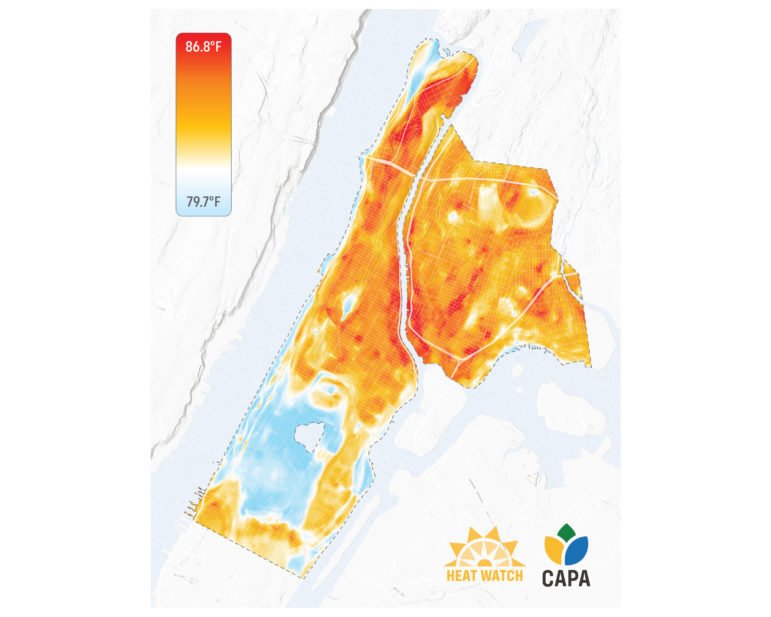
If you are a sports fan visiting Yankee Stadium, the temperature plays a massive role in the game-day experience. Early-season games in April may require layers to stay warm against the wind coming off the Harlem River, while August day games demand sun protection and heavy hydration to combat the urban heat island effect that is common in New York City.
Cultural and Culinary Adjustments
The Bronx is renowned for its culinary scene, particularly in Little Italy. Regardless of the outside temperature, the neighborhood’s restaurants and bakeries remain open, offering hearty comfort food in the winter and light, refreshing Italian fare in the summer. Adapting to the weather here often means shifting between indoor dining in the colder months and enjoying the vibrant street life during the warmer times of the year.
Furthermore, the indoor cultural heritage sites, such as the Edgar Allan Poe Cottage or the Bartow-Pell Mansion Museum, provide a perfect escape regardless of whether the weather is too hot or too cold. These landmarks allow travelers to engage with the history of the Bronx in a controlled environment, ensuring that a rainy or overly hot day does not result in a wasted trip.
Essential Tips for Weather-Prepared Travel
To make the most of your stay in the Bronx, consider these practical weather-related strategies.
Layering: The Golden Rule
Because the temperature in New York City can change rapidly—especially during the transitional spring and autumn seasons—layering is your best friend. A lightweight, waterproof jacket is advisable for almost any time of year, as sudden rain showers are common. In the winter, thermal base layers are essential, as the “wind chill” factor between the tall buildings and open park areas can make the air feel much colder than the recorded temperature suggests.
Utilizing Transit and Indoor Access
The Bronx is well-connected by the New York City Subway system. Utilizing the subway is not only a fantastic way to navigate the borough, but it also provides a climate-controlled way to move between distant attractions. During extreme weather, planning your transit routes to minimize long walks between the subway stations and your final destination can significantly improve your comfort.

Staying Informed
Before stepping out for the day, always check a reliable local weather forecast. Remember that temperatures in the open spaces of the Bronx, such as Pelham Bay Park, may vary by several degrees compared to the more densely built-up urban corridors. By remaining flexible with your plans, you can easily pivot from an outdoor adventure to an indoor museum visit, ensuring your trip to the Bronx is both enjoyable and comfortable regardless of what the thermometer says.
Ultimately, the weather in the Bronx adds a dynamic layer to the travel experience. Whether you prefer the vibrant energy of a summer day at the Bronx Zoo or the quiet, reflective beauty of a snowy afternoon at Wave Hill, understanding the temperature is the first step toward a well-planned and memorable journey in this historic and diverse borough.
LifeOutOfTheBox is a participant in the Amazon Services LLC Associates Program, an affiliate advertising program designed to provide a means for sites to earn advertising fees by advertising and linking to Amazon.com. Amazon, the Amazon logo, AmazonSupply, and the AmazonSupply logo are trademarks of Amazon.com, Inc. or its affiliates. As an Amazon Associate we earn affiliate commissions from qualifying purchases.