
For those who have never visited the Hawaiian Islands, the idea of a canned, processed meat product achieving culinary icon status might seem like a bizarre internet rumor. However, to the residents of Hawaii, Spam is not just a pantry staple—it is a cultural touchstone. From the casual breakfast joints of Honolulu to the high-end fusion restaurants of Waikiki, this salty, pink block of pork is omnipresent. To understand why this unlikely ingredient became the unofficial state meat of Oahu and its neighbors, one must look deep into the unique intersection of history, geography, and local innovation.
The Historical Origins of a Culinary Phenomenon
The story of how this processed meat gained a foothold in the middle of the Pacific Ocean begins with the necessity of the Second World War. When the military established a massive presence in the islands, the logistics of food supply were complex. Fresh meat was difficult to transport and store in the tropical climate, and long-term shelf stability became the primary requirement for military rations.
A Wartime Necessity
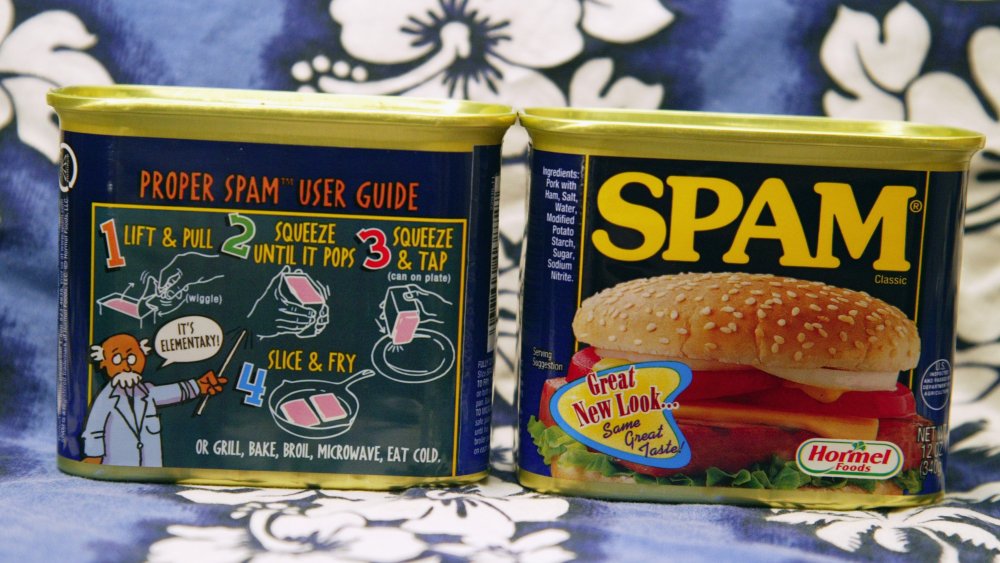
[Spam], produced by Hormel Foods, became a logistical marvel for soldiers stationed throughout the United States territories. Because it did not require refrigeration, it was the perfect provision for the front lines. As the military presence in Pearl Harbor surged, massive quantities of the product were shipped to the region.The Post-War Integration
After the war ended, a surplus of canned goods remained. Local residents, many of whom were of Japanese, Filipino, and Native Hawaiian descent, began experimenting with the product. When integrated into the local diet—which already prized salty and savory flavor profiles—it found a permanent home. It transitioned from a rationed military necessity to a household commodity that defied the traditional culinary boundaries of the islands.
Spam as a Pillar of Local Cuisine
In many parts of the world, canned meat is viewed with skepticism, often relegated to emergency kits. In Hawaii, however, it is treated with a level of reverence similar to high-quality charcuterie. This isn’t just about survival; it is about the creative application of a product that has been “localized” over the better part of a century.
The Rise of the Spam Musubi
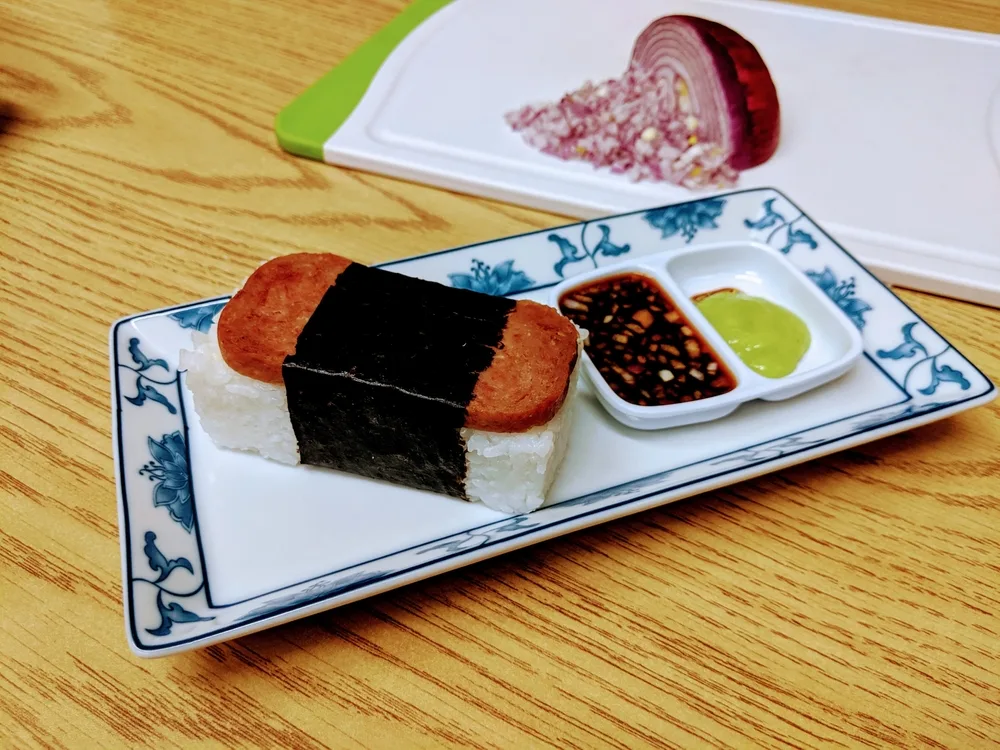
The undisputed king of Hawaiian convenience food is the Spam Musubi. Borrowing from the aesthetics of Japanese onigiri, this dish consists of a slice of grilled Spam, glazed with a teriyaki-style sauce, placed atop a block of white sushi rice, and wrapped in a ribbon of dried nori. It is the perfect snack—portable, salty, sweet, and filling. You can find these at nearly every convenience store, from 7-Eleven locations to independent mom-and-pop shops near the North Shore.
Breakfast, Lunch, and Dinner
The versatility of the product allows it to appear on menus at almost any time of day. For breakfast, you might see it fried until crispy and served alongside eggs and rice—a classic “local-style” plate. For lunch, it is frequently featured in bento boxes or stir-fried with vegetables and noodles. Even in more upscale dining establishments on the island of Maui, chefs have been known to experiment with elevated versions, such as Spam fried rice featuring fresh local seafood or house-made pineapple glazes that lean into the tropical identity of the region.
Why the Obsession Persists
The longevity of the product’s popularity is not solely due to the convenience of the can. It represents a deeper connection to the history of the islanders’ resourcefulness.
The Flavor Profile and Cultural Comfort
Part of the reason for its success is the product’s ability to absorb flavors. By frying it, the sugars in the glaze caramelize, creating a texture contrast that is incredibly satisfying. For many who grew up in the islands, the taste is associated with home, comfort, and a shared communal history. It bridges the gap between different cultures in Hawaii, acting as a “great equalizer” that appears on the tables of people from all socioeconomic backgrounds.
A Symbol of Island Pride
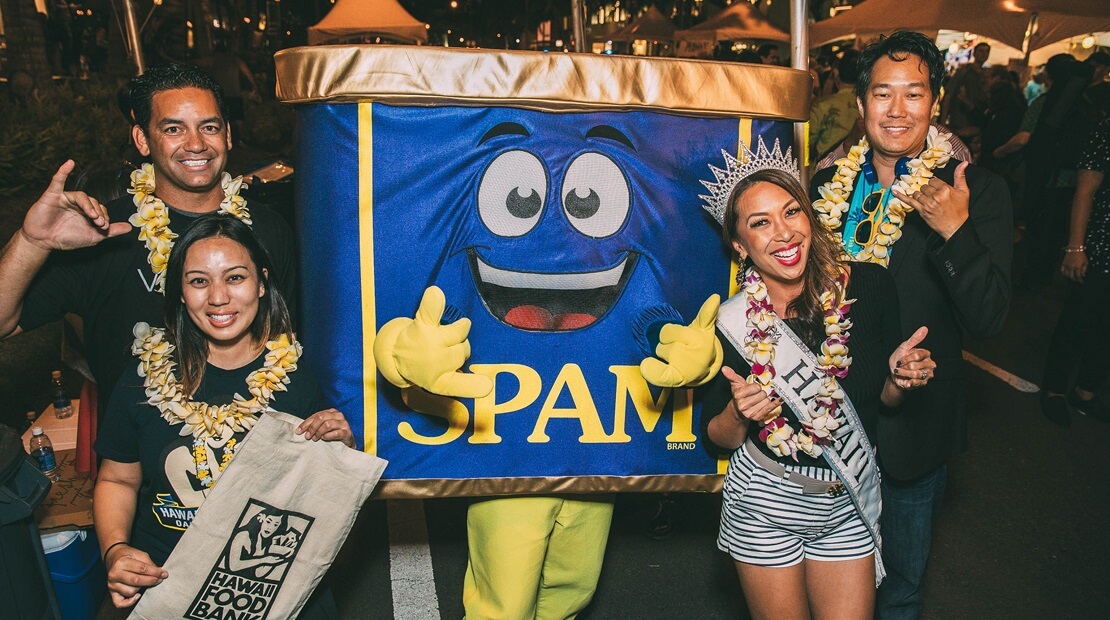
The cultural attachment to Spam is so profound that it has manifested in local festivals, such as the Waikiki Spam Jam. This annual street festival celebrates the meat with live music, local crafts, and a wide array of experimental dishes that range from the classic musubi to more adventurous creations like Spam tacos and Spam sliders. It is a tongue-in-cheek celebration that also takes the culinary application of the ingredient quite seriously.
A Must-Try for Modern Travelers
For visitors, the question of whether Spam is popular in Hawaii is answered the moment they step off the plane at Daniel K. Inouye International Airport. You see it everywhere—in the grocery aisles of Foodland, on the menus of beloved diners, and even as a souvenir in gift shops.
Tips for the First-Time Eater
- Start with the Musubi: If you have never tried it, the classic musubi is the best entry point. The combination of seasoned rice and nori balances the intensity of the meat.
- Look for Varieties: Hormel Foods produces many variations of the product, including versions with bacon, jalapeño, or lower sodium. Local chefs often have their own secret seasonings, so don’t be afraid to try it at different eateries.
- Respect the Craft: While it is often considered “fast food,” the best examples are made with freshly prepared rice and high-quality nori. Look for shops that assemble them fresh throughout the day rather than ones that have been sitting under heat lamps.
Beyond the Canned Meat
Understanding the local culinary culture is a significant part of the travel experience in Hawaii. Just as one must try Poke or Shave Ice, experiencing this iconic canned meat is a rite of passage. It teaches travelers about the resilience of the local population and their ability to take a global product and mold it into something distinctly and proudly Hawaiian.
Ultimately, the popularity of this humble ingredient is a testament to the way Hawaii embraces its multifaceted identity. It is a place where old and new, local and international, and high and low cultures collide to create something entirely unique. So, the next time you find yourself wandering the streets of Honolulu or driving through the lush landscape of Kauai, do not hesitate to walk into a local market and pick up a Spam musubi. It is more than just a snack—it is a taste of the island’s soul.
LifeOutOfTheBox is a participant in the Amazon Services LLC Associates Program, an affiliate advertising program designed to provide a means for sites to earn advertising fees by advertising and linking to Amazon.com. Amazon, the Amazon logo, AmazonSupply, and the AmazonSupply logo are trademarks of Amazon.com, Inc. or its affiliates. As an Amazon Associate we earn affiliate commissions from qualifying purchases.